EN
EN

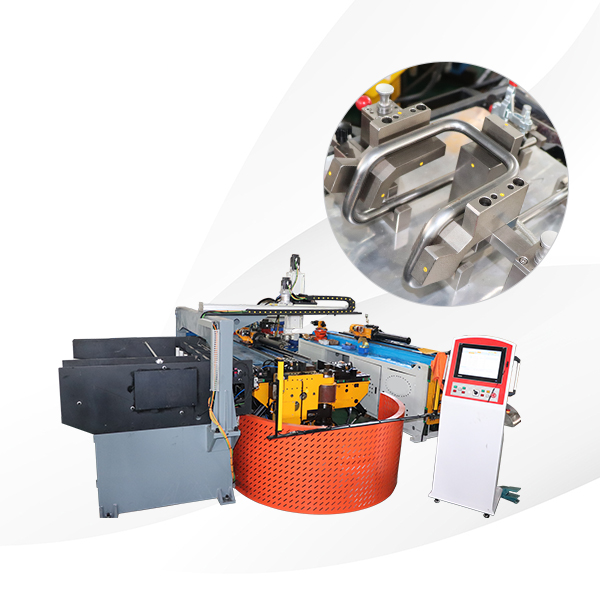
When it comes to precision manufacturing and assembly, the right pipe and tube bender is essential for achieving desired shapes and angles in metal tubing. Whether you're producing components for automotive parts, HVAC systems, or structural applications, selecting the appropriate pipe and tube bender can significantly impact efficiency, quality, and cost-effectiveness. This article aims to guide purchasing managers and engineers through the key considerations when choosing a pipe and tube bender, covering specifications, applications, installation, and quality assurance.
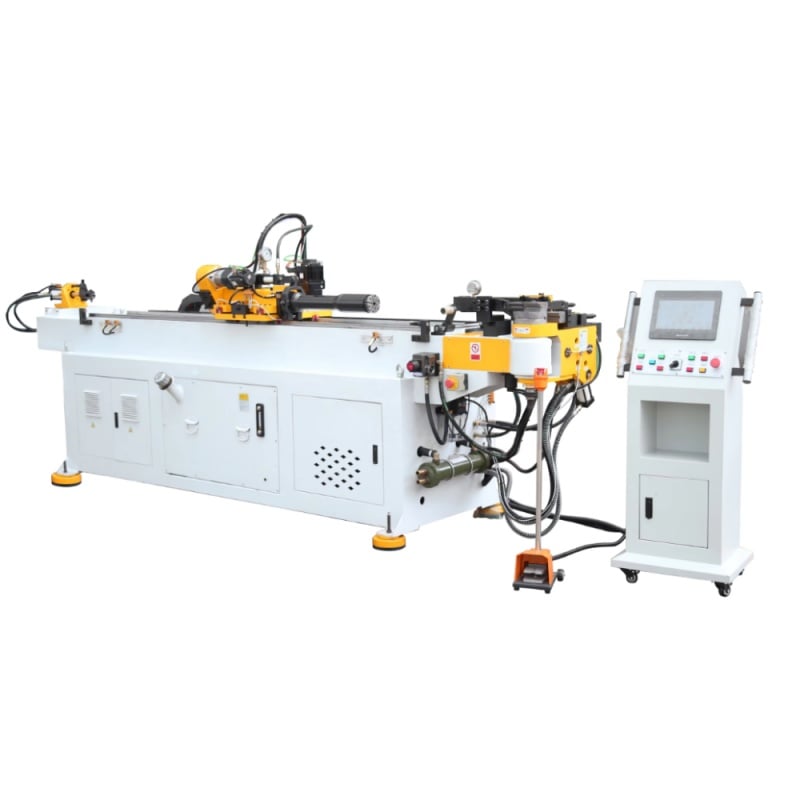
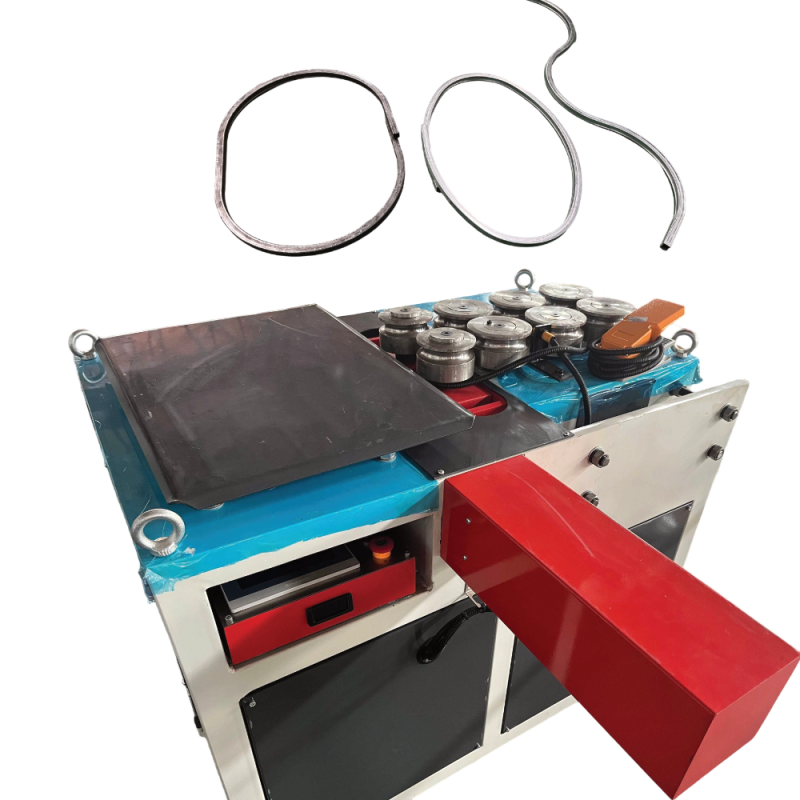
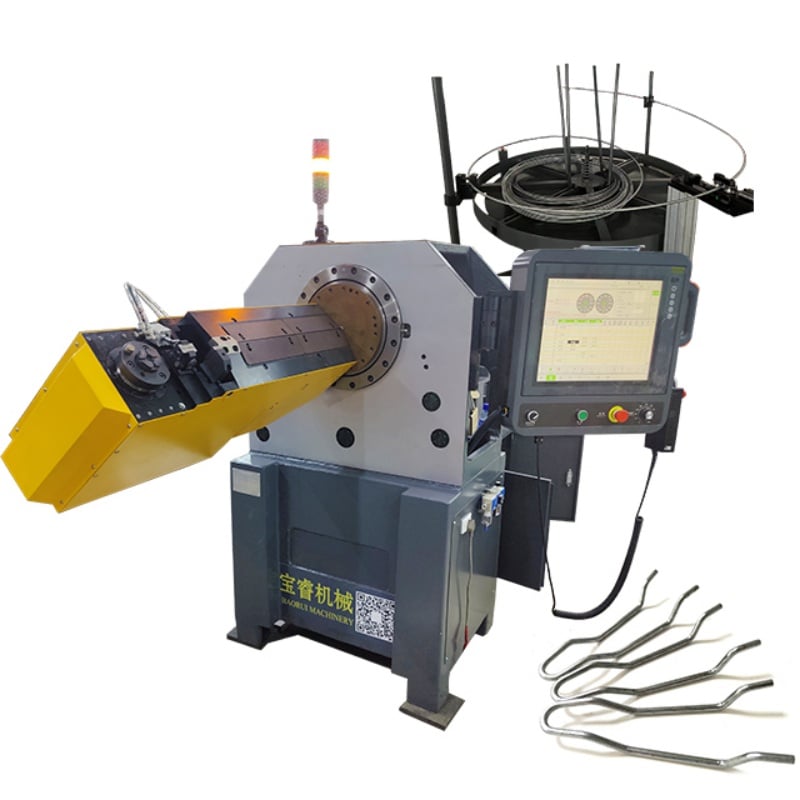
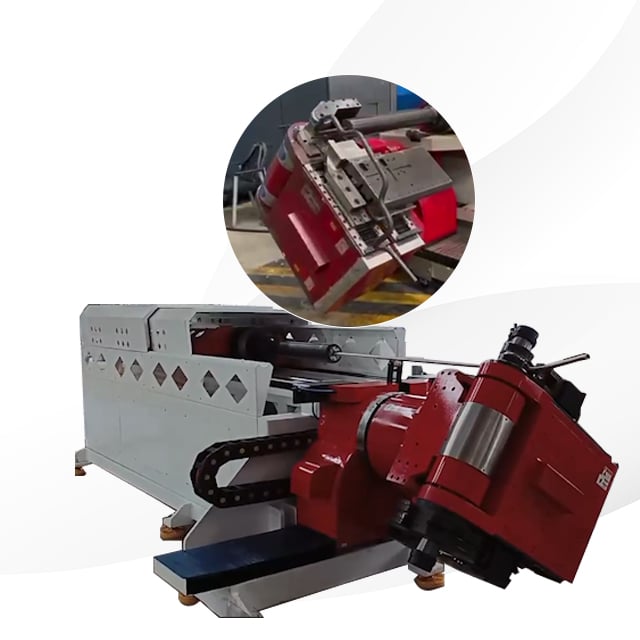
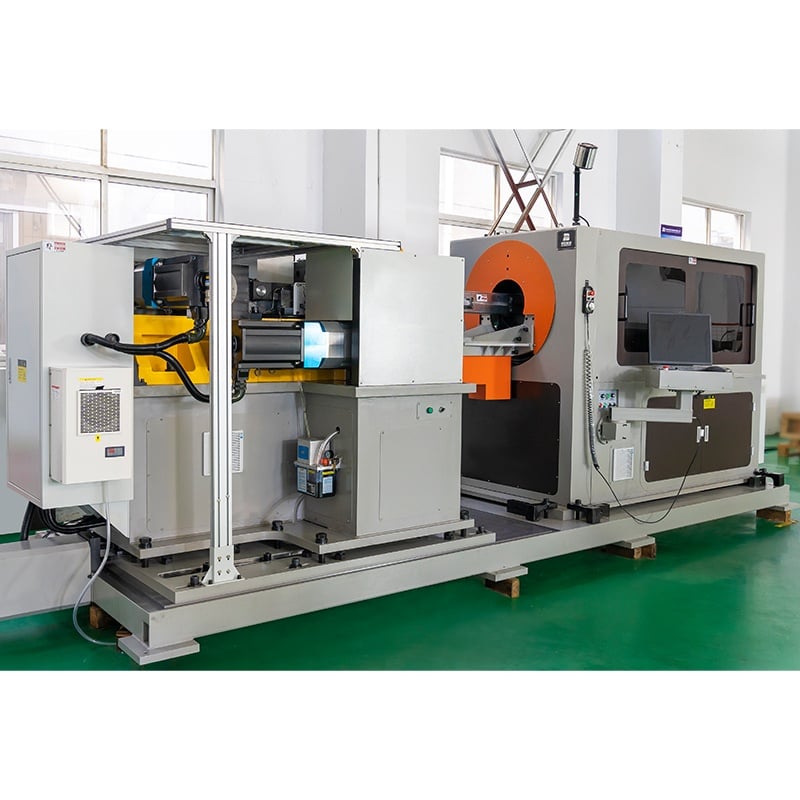
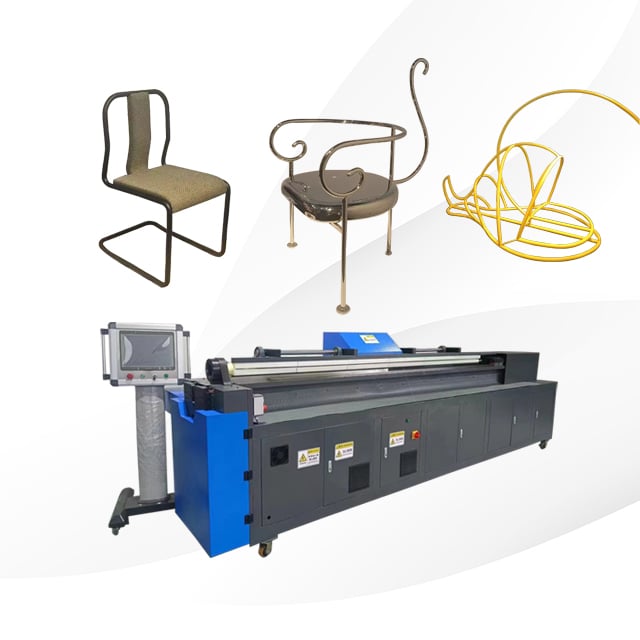
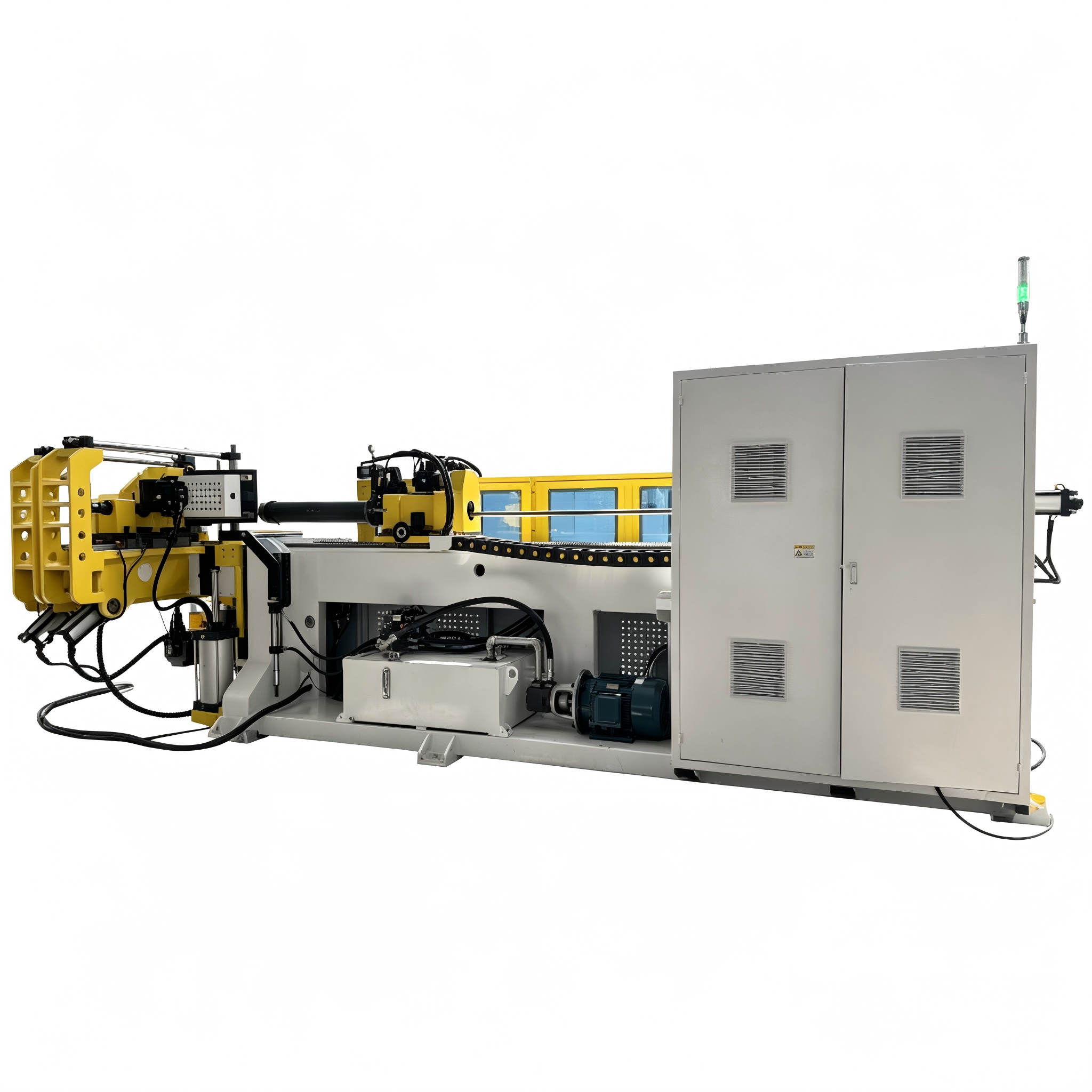
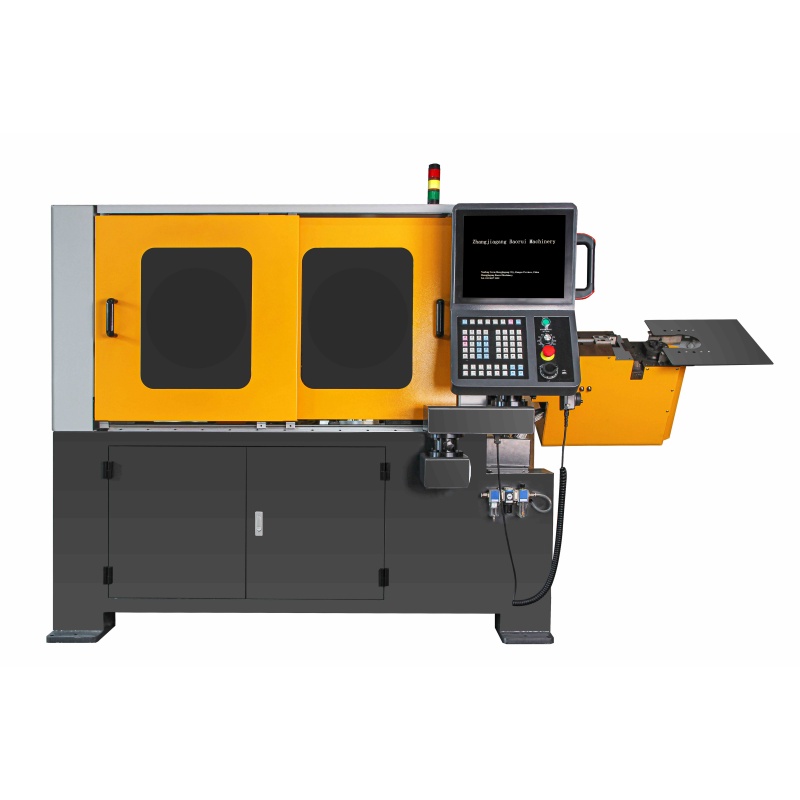
Reliable Suppliers for Pipe and Tube Benders
When evaluating pipe and tube benders, several key specifications should be prioritized:
Bending Capacity: This refers to the maximum diameter and wall thickness of the tube the bender can process. Ensure the machine can handle your production requirements without excessive strain.
Bending Angle: Different applications may require varying angles of bend. Understanding the machine's capability to achieve precise angles is vital to meet your design specifications.
Material Compatibility: The bender should be capable of handling the specific types of materials you intend to process. Some machines are designed for specialized materials that require unique handling procedures.
Automation Features: Look for features such as programmable controls, automatic loading and unloading, and integration with CAD systems for enhanced precision and efficiency.
Quality Control Features: Some benders offer built-in inspection capabilities. This can help ensure that each bend meets design specifications without the need for post-processing checks.