 EN
EN

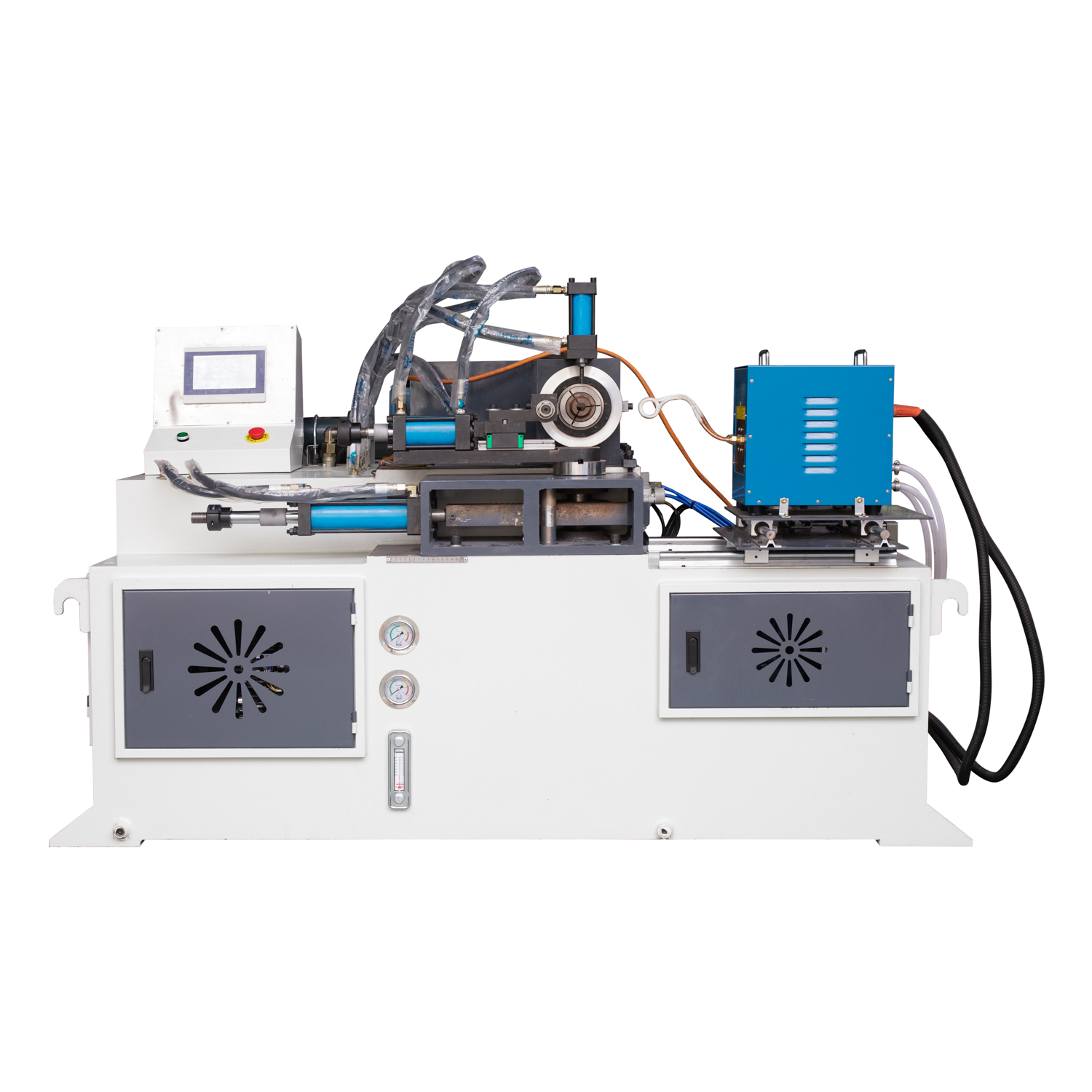
Working within a hazardous environment that’s contaminated with combustible gases, vapor, or flammable dust requires careful understanding of safety regulations and compliance guidelines. Electrical and mechanical equipment must function properly and, most importantly, must not become a source of ignition that could trigger a potentially devastating explosion. As a result, tube benders used in such environments must be certified, undergo extensive testing, and be designed to withstand explosive atmospheres. For businesses in the chemical, petroleum, or pharmaceutical industries that handle chemicals and combustible materials, knowledge of these certifications is not only helpful but essential.
Understanding the Classification of Hazardous Locations
The first step in certification is understanding how hazardous environments are classified based on the presence of flammable gases, vapors, or dust.. Both ATEX in Europe and the NEC in the USA categorize hazardous areas into zones based on the frequency and duration of explosive atmospheres. These classifications determine the level of protection required. Division 1 location would be self contained hazardous atmosphere. Zone 0 (or Class I Division 1) is where an explosive gas is continuously or for large portion of time present and so will require high level of protection. Zone 1 (or Division 2) indicates a flammable atmosphere may be present occasionally. Zone 2 implies that flammables are unlikely to be present under normal conditions, but they may still appear briefly. Manufacturers must understand these classifications to determine the required protection level. They need to first recognize which zone their bender might encounter, because depending on this, they have to determine the kind of protection they should have and what certification tests their machines would have to pass.
Designing Enclosures and Sealing Mechanisms
The engineering of explosion-proof equipment should consider all potential circumstances when the device operates in hazardous area, where, for instance, a machine could have hot surfaces or could spark reaction in the surrounding area. Tube bending and cutting equipment that has earned this status can do so by designing an enclosed environment around the equipment in the event it sparks. For instance, machine components, which may spark during use can be contained within flameproof enclosure that can withstand the blast of an explosion. Similarly, if equipment can come into contact with or ignite combustible dust, special attention is given to protecting those components. At Baorui, when designing its cutting machines for explosion proof applications, it ensures that it will not serve as an ignition source in any of the locations specified under international certifications.
Conducting Rigorous Testing and Verification Protocols
Once the equipment is engineered with protective measures, it must undergo rigorous and comprehensive testing protocols. Manufacturers should subject their equipment to pressure testing to determine how much internal explosion the unit will contain, and heat testing to determine the maximum surface temperature. If components or seals may come into contact with contaminants within hazardous location, they should also be put to rigorous ingress testing. This includes simulating internal blasts to demonstrate their impact on containment of flame and pressure, as well as exposure to specific hazardous conditions and their effects on equipment. These tests are conducted by accredited third-party testing laboratories that follow internationally recognized standards such as IEC 60079 series or UL 1203. The documentation generated during these tests forms the basis for certification application and must demonstrate that bender meets every requirement without exception.
Maintaining Compliance Through Ongoing Inspection and Recertification
The work of certification for any tube bender and all manufacturing machinery does not end with receiving its certificate. Manufacturers and the users of certified explosion-proof cutting equipment and bending machines alike must commit to ongoing maintenance and periodic re-inspection of the machinery. Any modifications made to the original certified design of piece of equipment can negate its certification; it should then be re-tested and re-certified prior to its reused in the hazardous location. It is the manufacturer's responsibility to maintain accurate records of its equipment's certifications, testing reports and compliance guidelines so as to not only protect workers but also to comply with the various regulations in place that pertain to industrial safety.
It takes two major components to make an explosion proof bender: design and testing. It also takes two crucial elements when it comes to using explosion proof bending equipment in your work environment: knowledge and commitment. Knowledge regarding the classification of hazardous locations in your workplace, as well as how to use and properly maintain the equipment, will ensure that your personnel and your business are safe. Baorui has spent two decades innovating tube cutting and bending technology, ensuring that each product, especially those in its certified explosion-proof line of equipment, meets and exceeds the most demanding international safety standards. When you partner with Baorui for all your tube bending and cutting solutions, you know you’re partnering with experienced professionals who prioritize the safety of your work environment.