
| Item | Name | Unit | Data | ||
| 1 | Max bending capacity | mm | Φ89×8t steel pipe | ||
| 2 | Max rolling radius | Draw bending | Round tube | 1.5 OD – 4 OD | |
| Rectangular tube | 2.5 OD – 4 OD | ||||
| Roll bending | Round tube | 8 OD ---- ∞ | |||
| Rectangular tube | 8 OD --- ∞ | ||||
| 3 | Max bending radius | mm | 500mm | ||
| 4 | Max feeding length |
mm | 4000 | Can according to customer’s requirement | |
| 5 | Max bending degree | Degree | 190 | ||
| 6 | Rotary speed | Deg/sec | 200 | Rotary fast will be dangerous | |
| Feeding speed | mm/sec | 800 | |||
| 7 | Accuracy | feeding | mm | ±0.1 | |
| rotary | Degree | ±0.1 | |||
| bending | Degree | ±0.1 | |||
| 8 | Rotary servo motor | W | 1500 W | ||
| 9 | Feeding servo motor | KW | 11KW | ||
| 10 | Rolling servo motor | KW | 11KW | ||
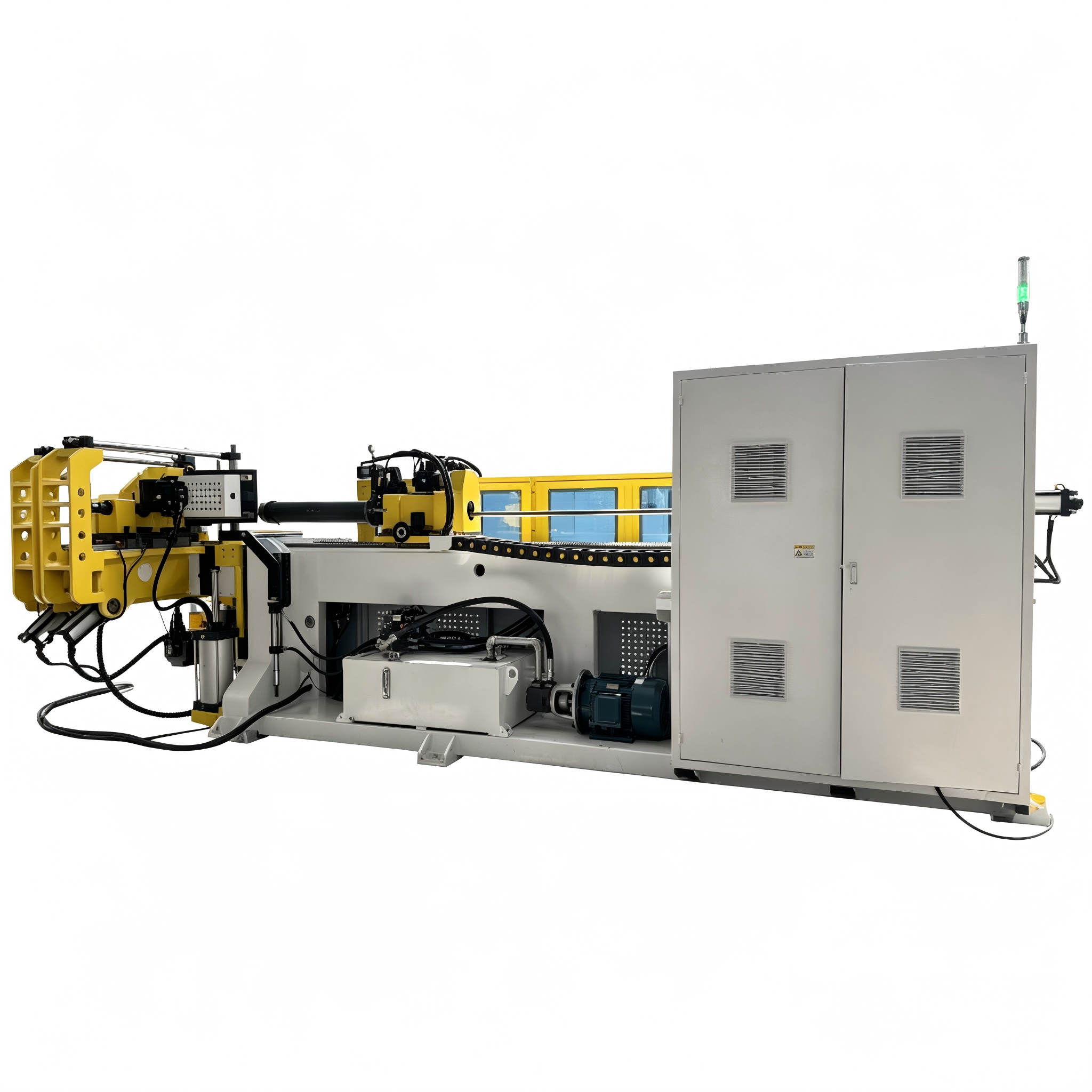
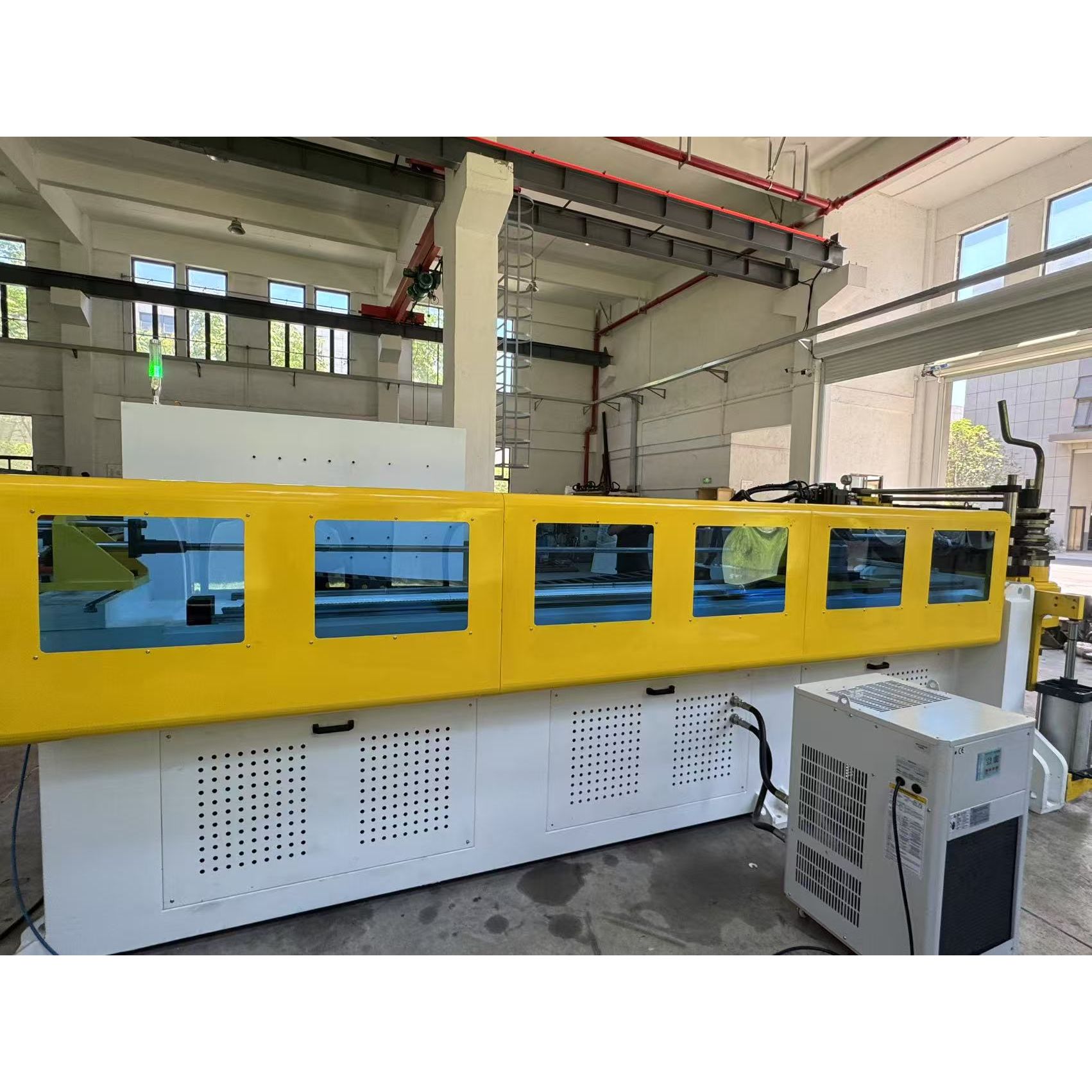
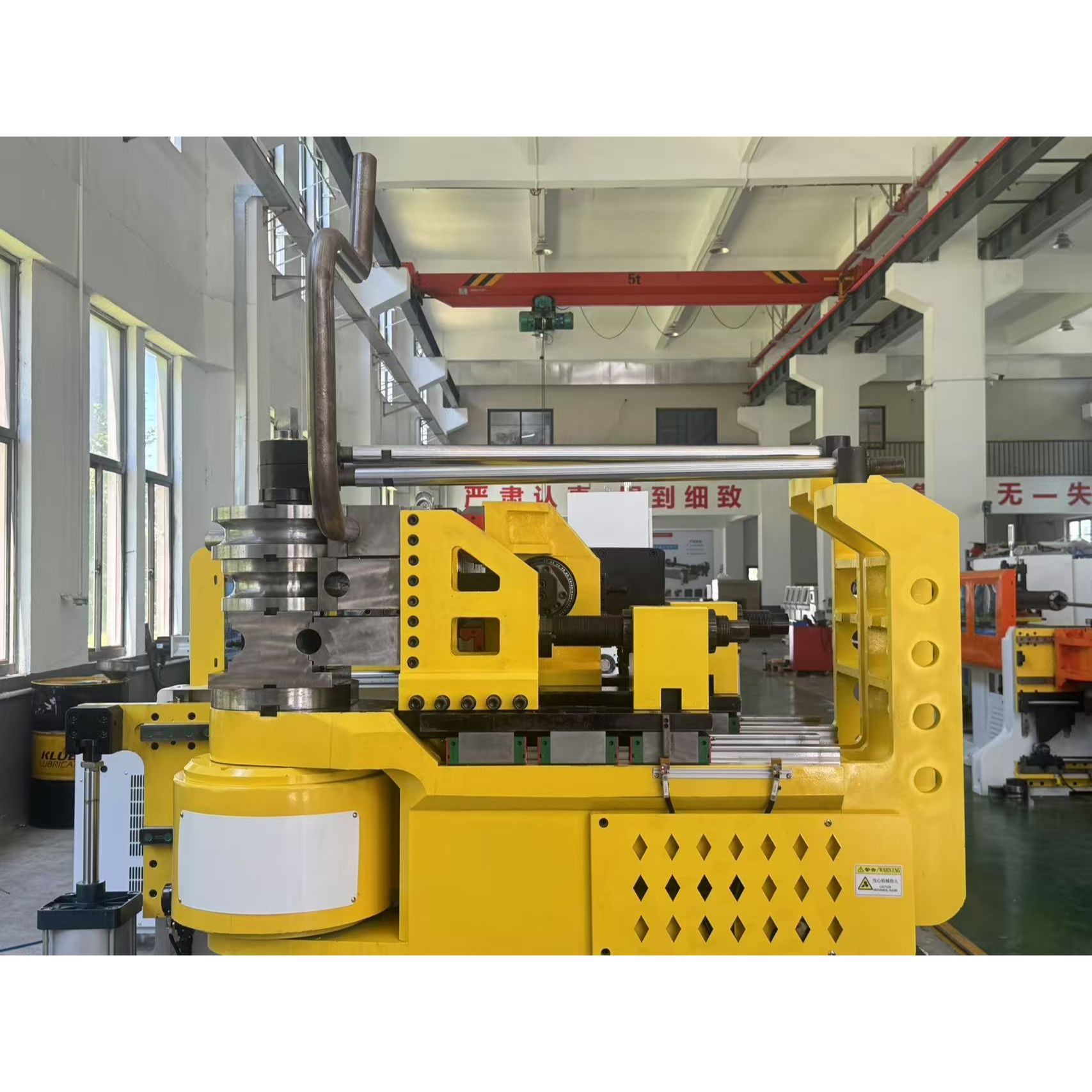
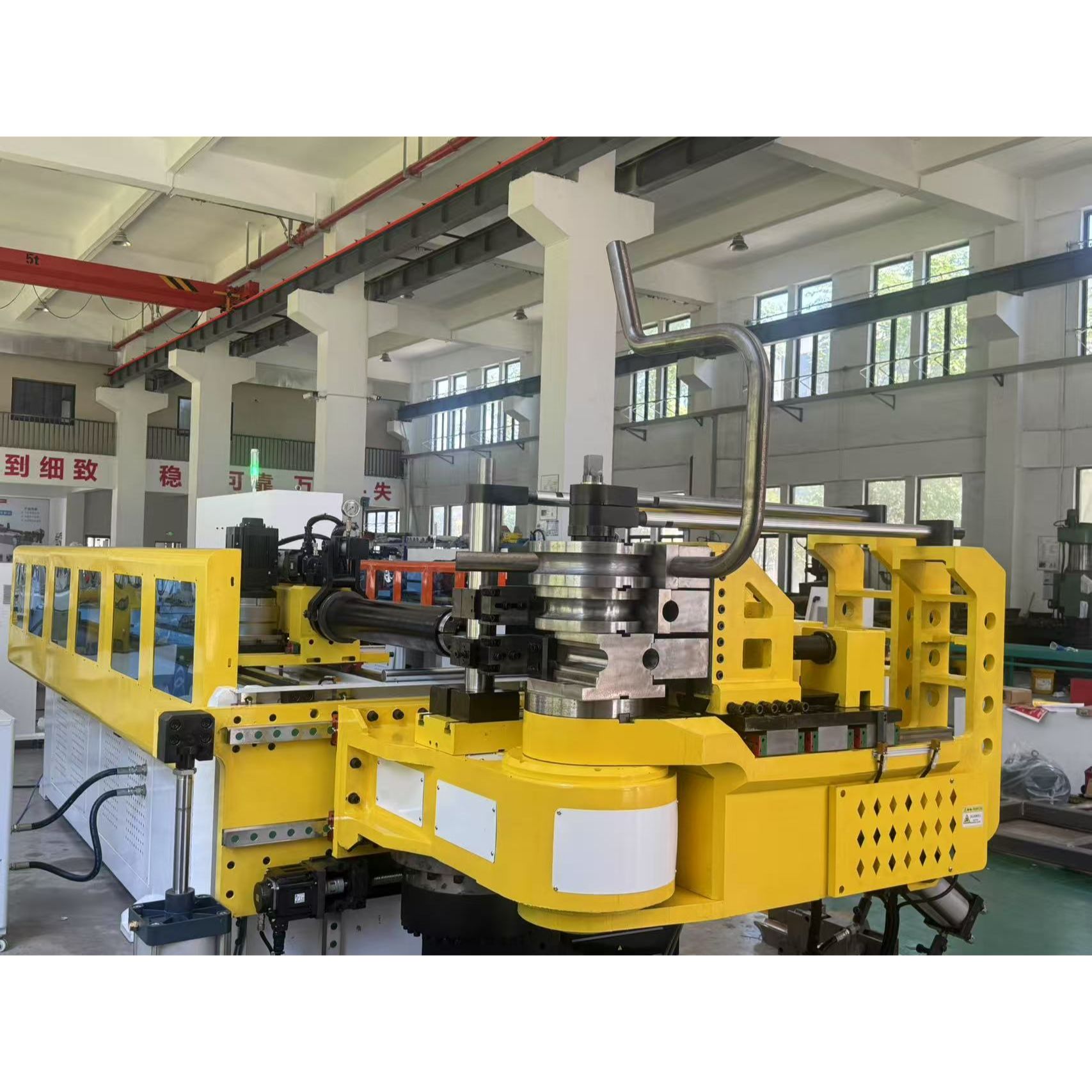
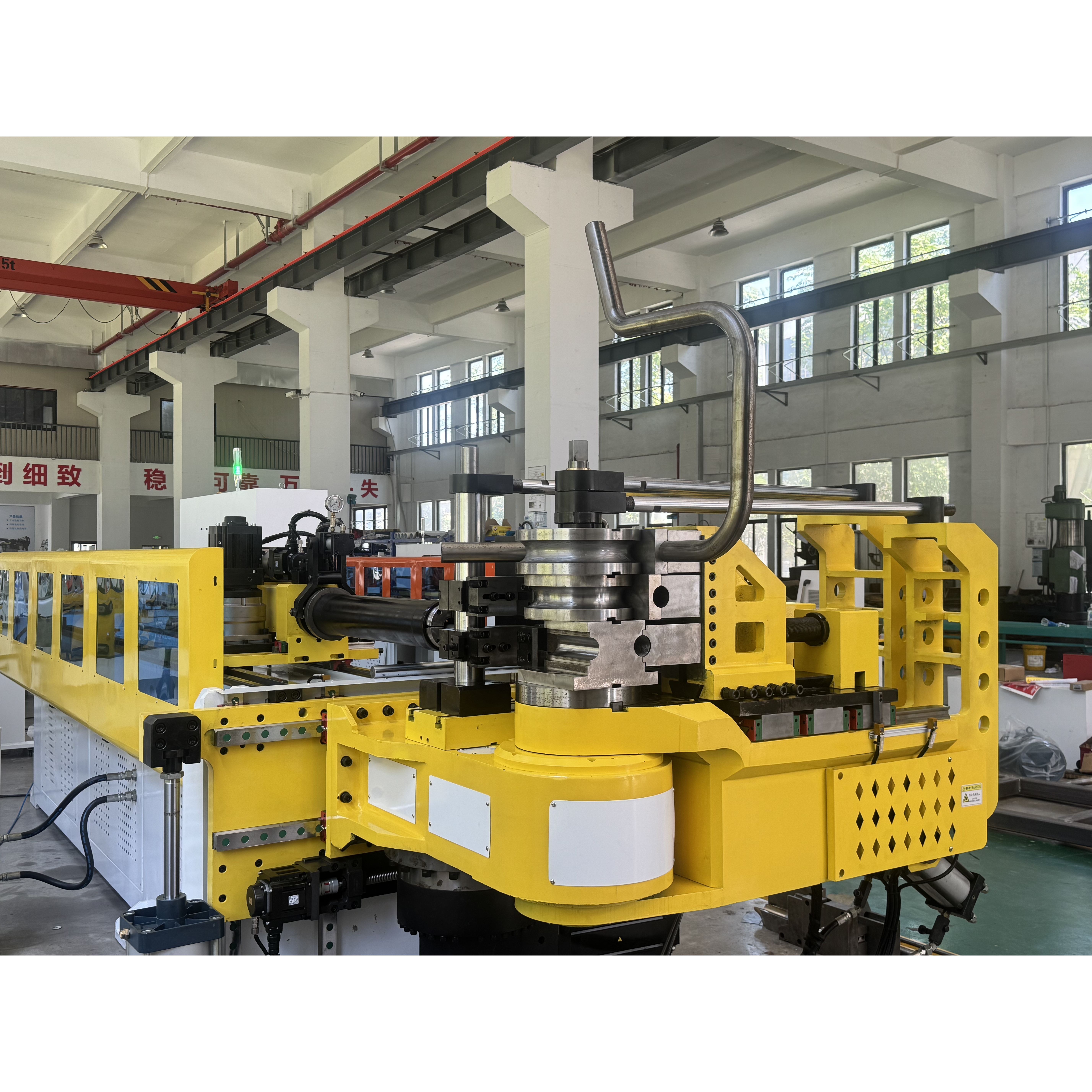
The machine is designed to process steel tubes with a maximum diameter of Φ89 mm, making it suitable for automotive exhaust pipes, exhaust system components and other large-diameter tube applications.
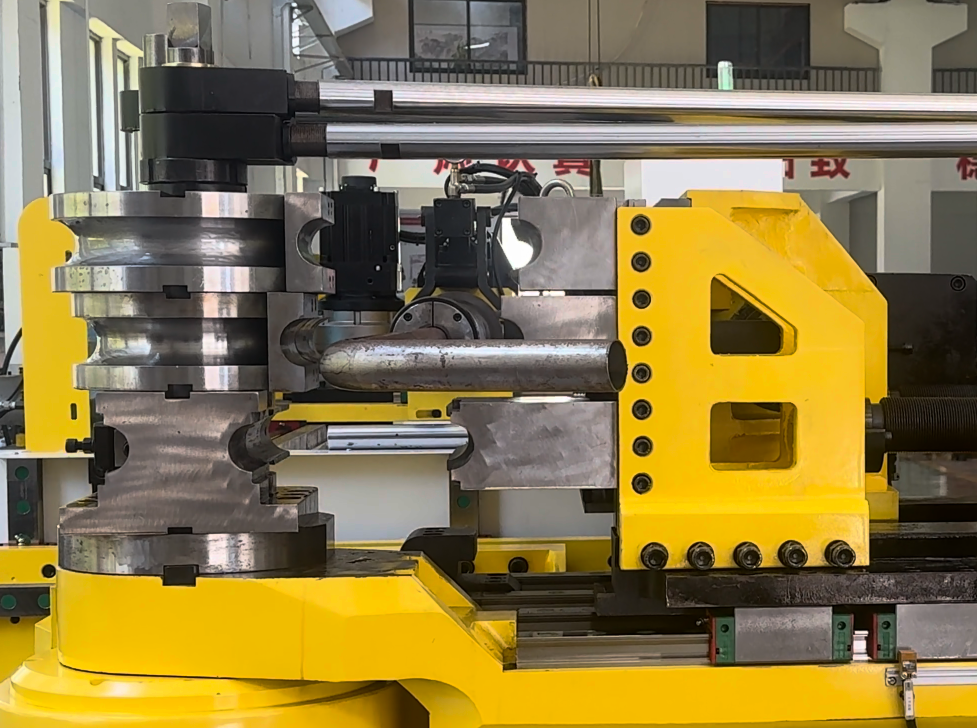
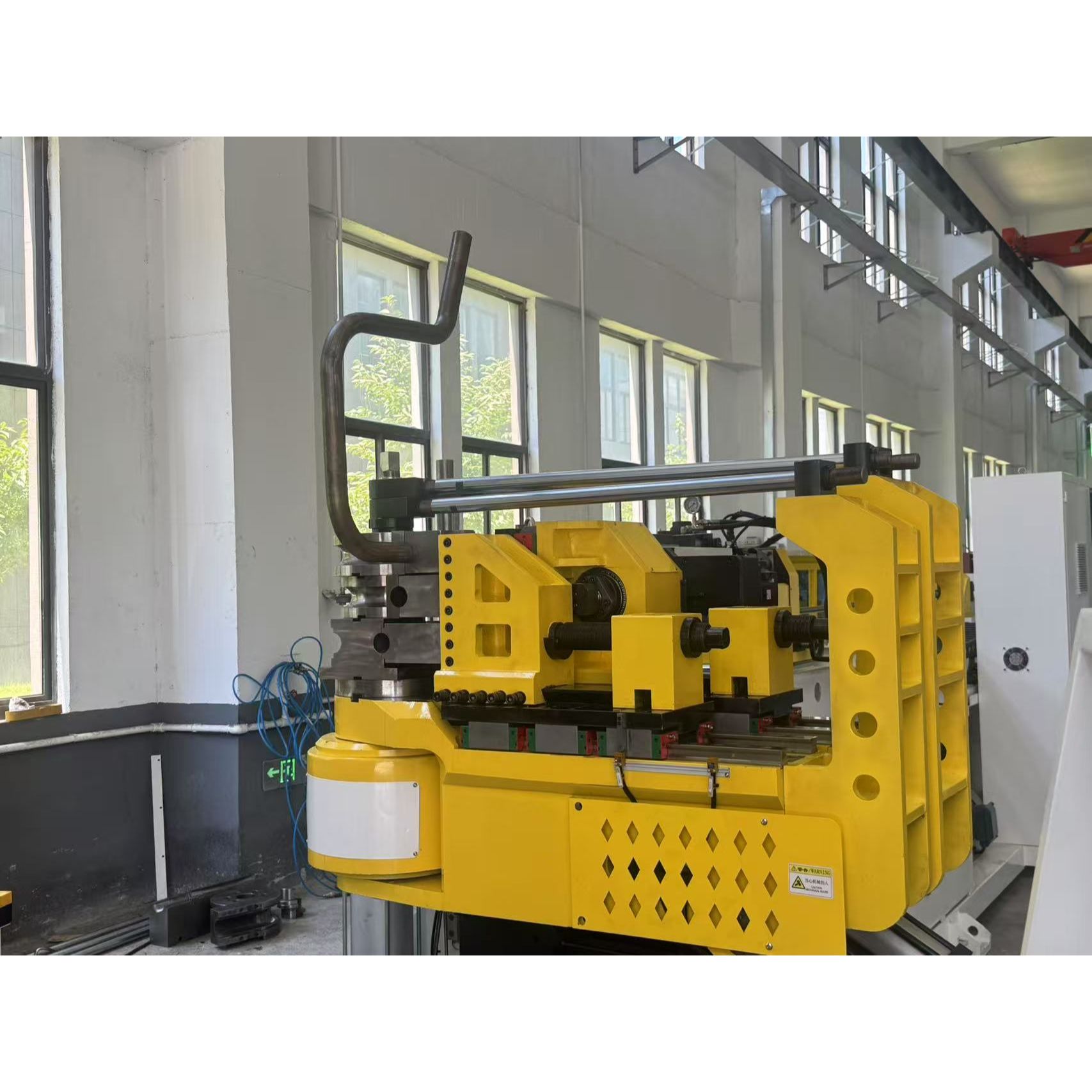
The machine is suitable for round exhaust pipes and rectangular tubes, supporting different tube profiles used in automotive exhaust systems.
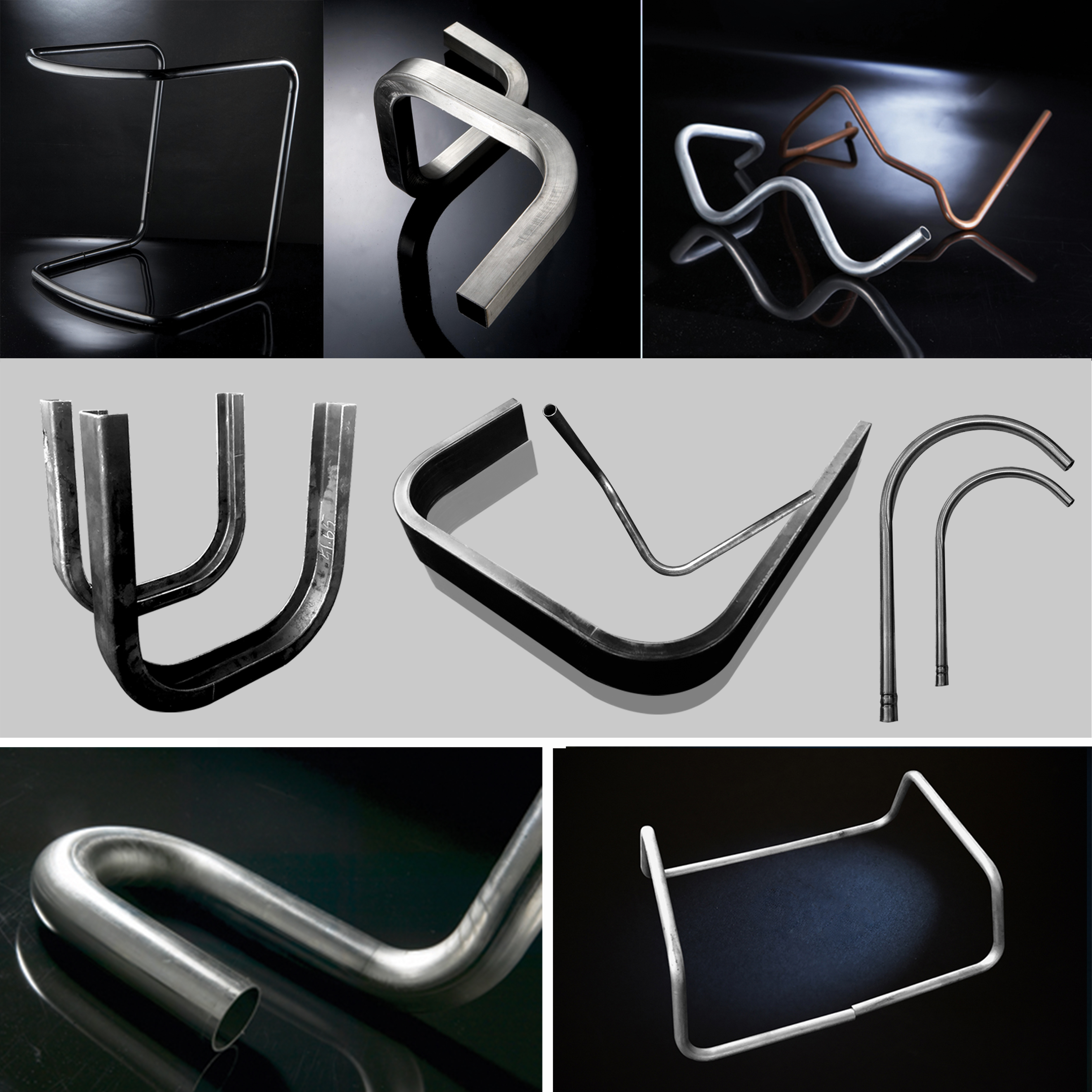
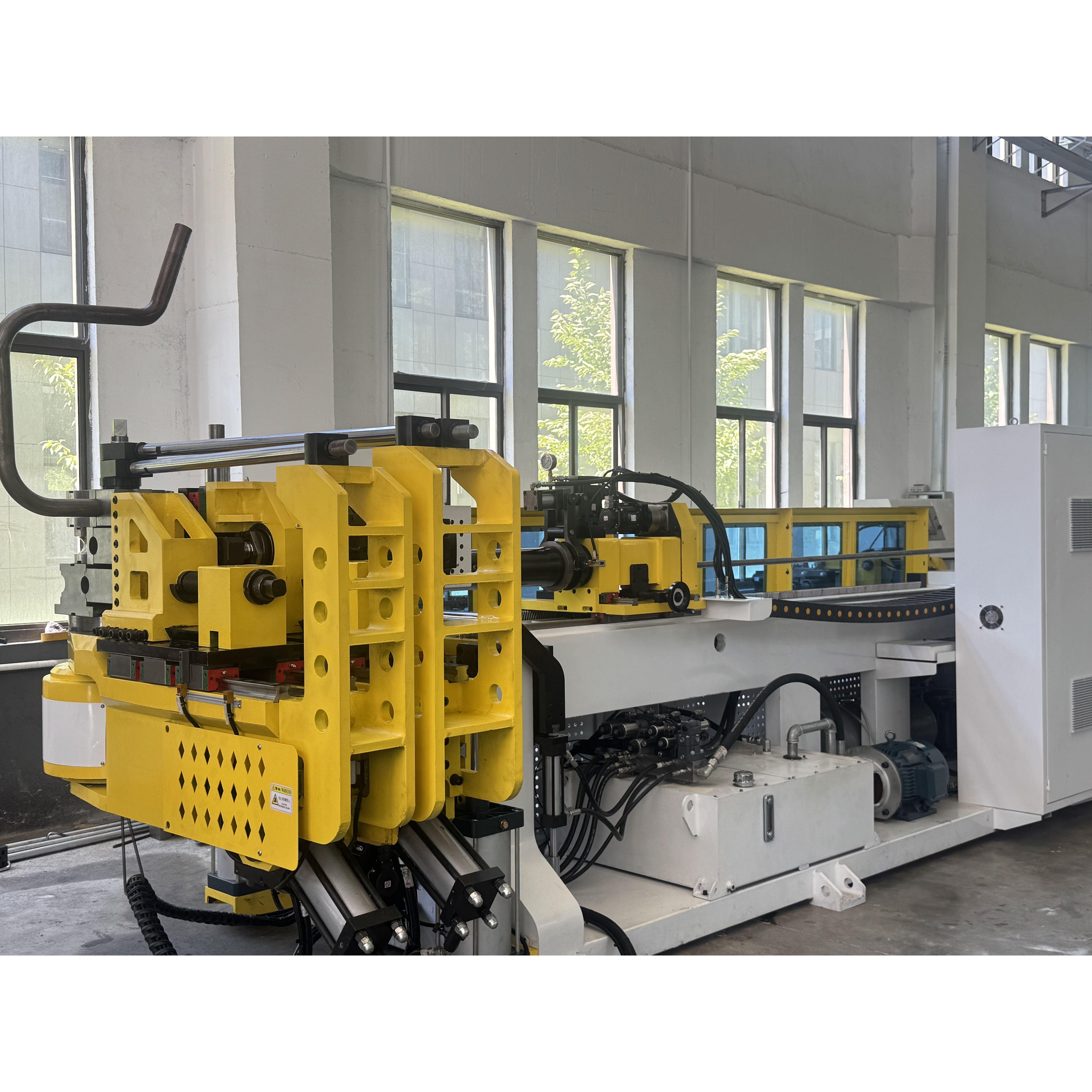
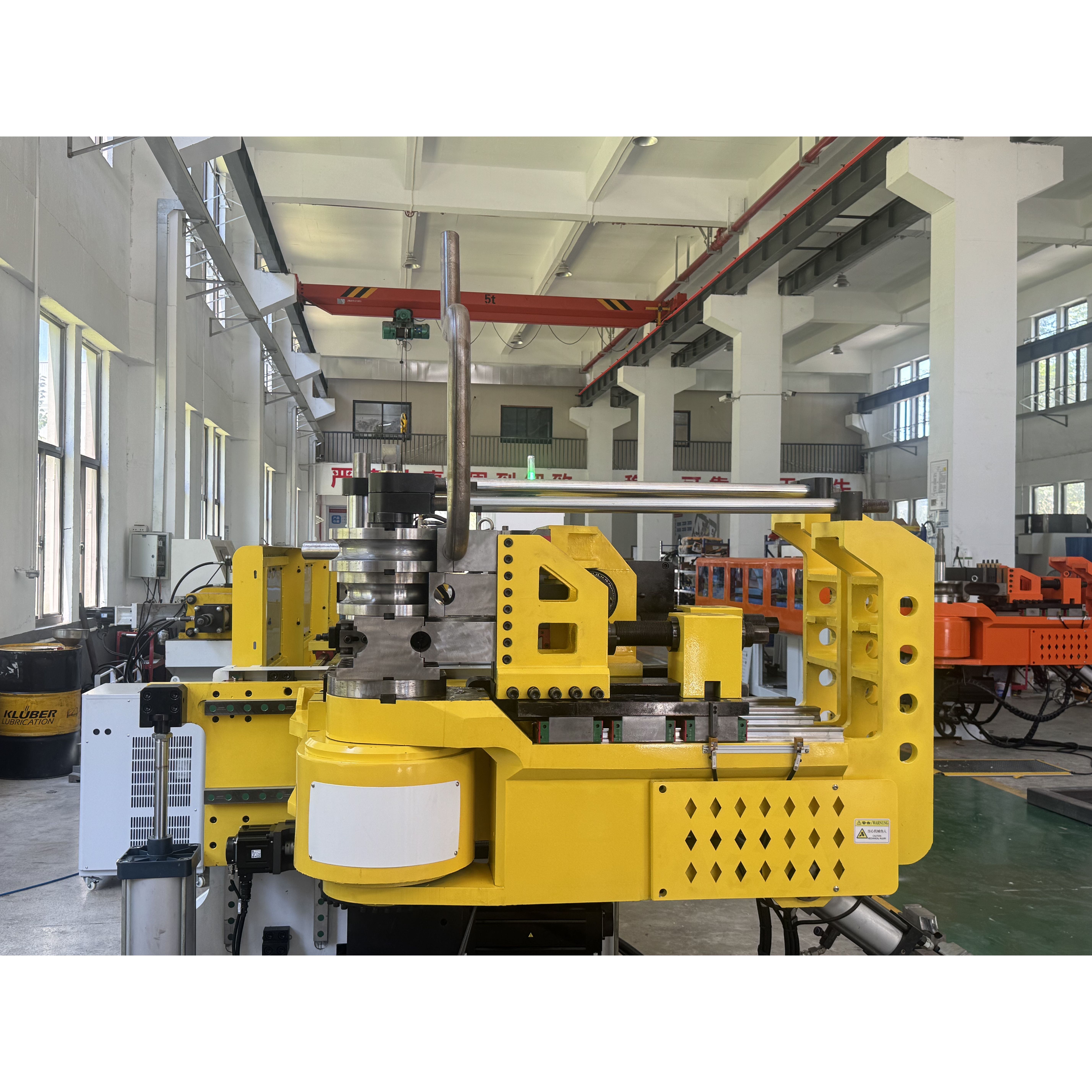
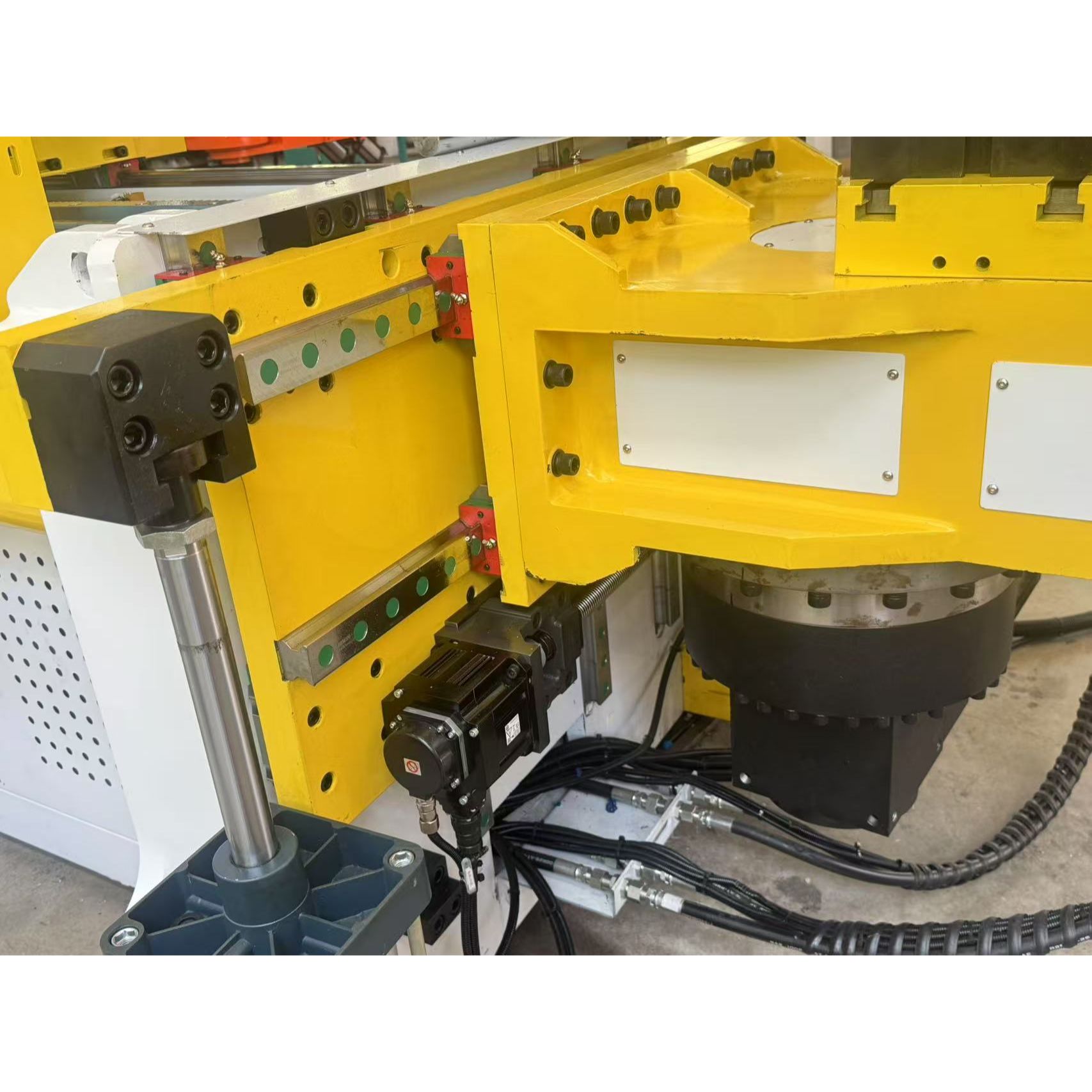
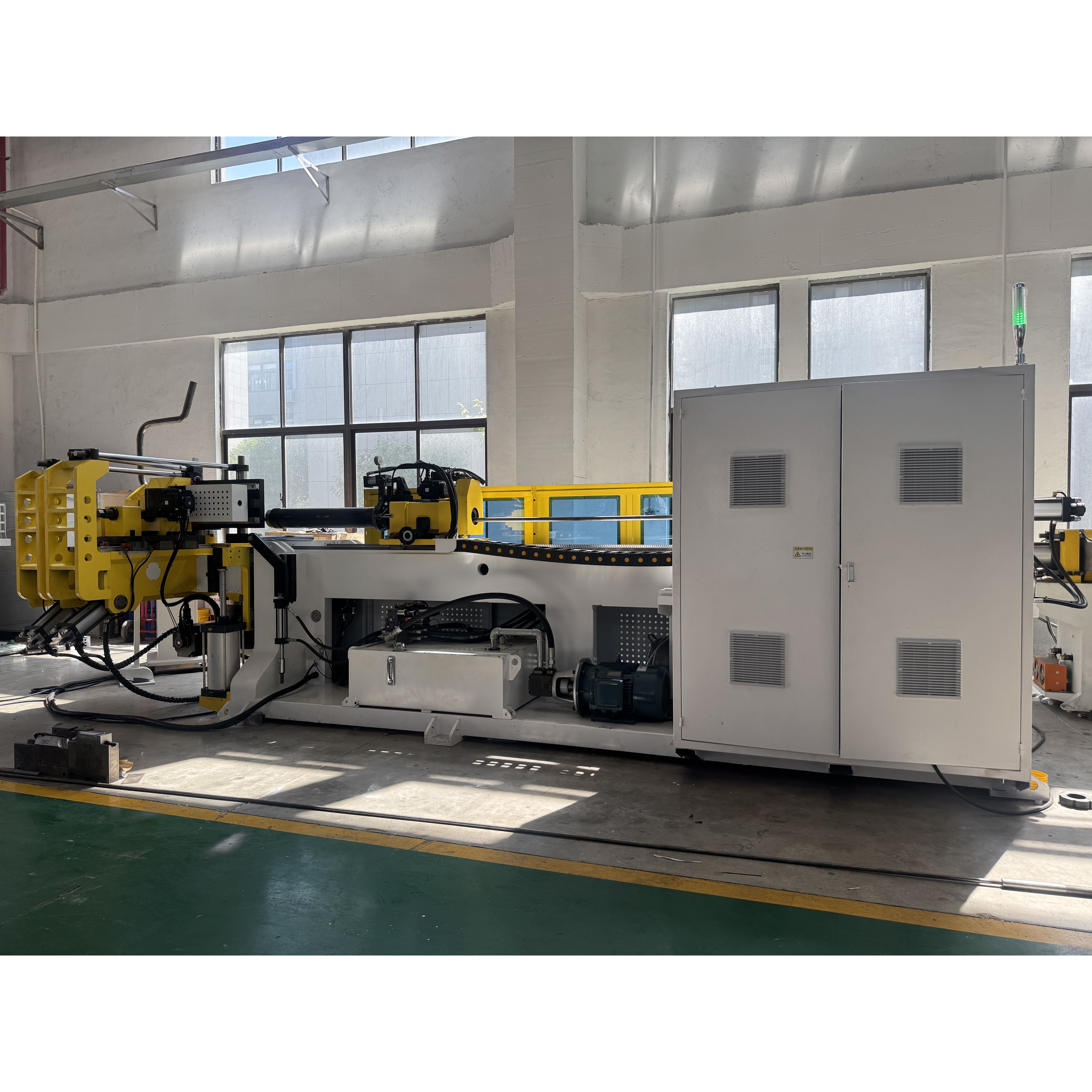
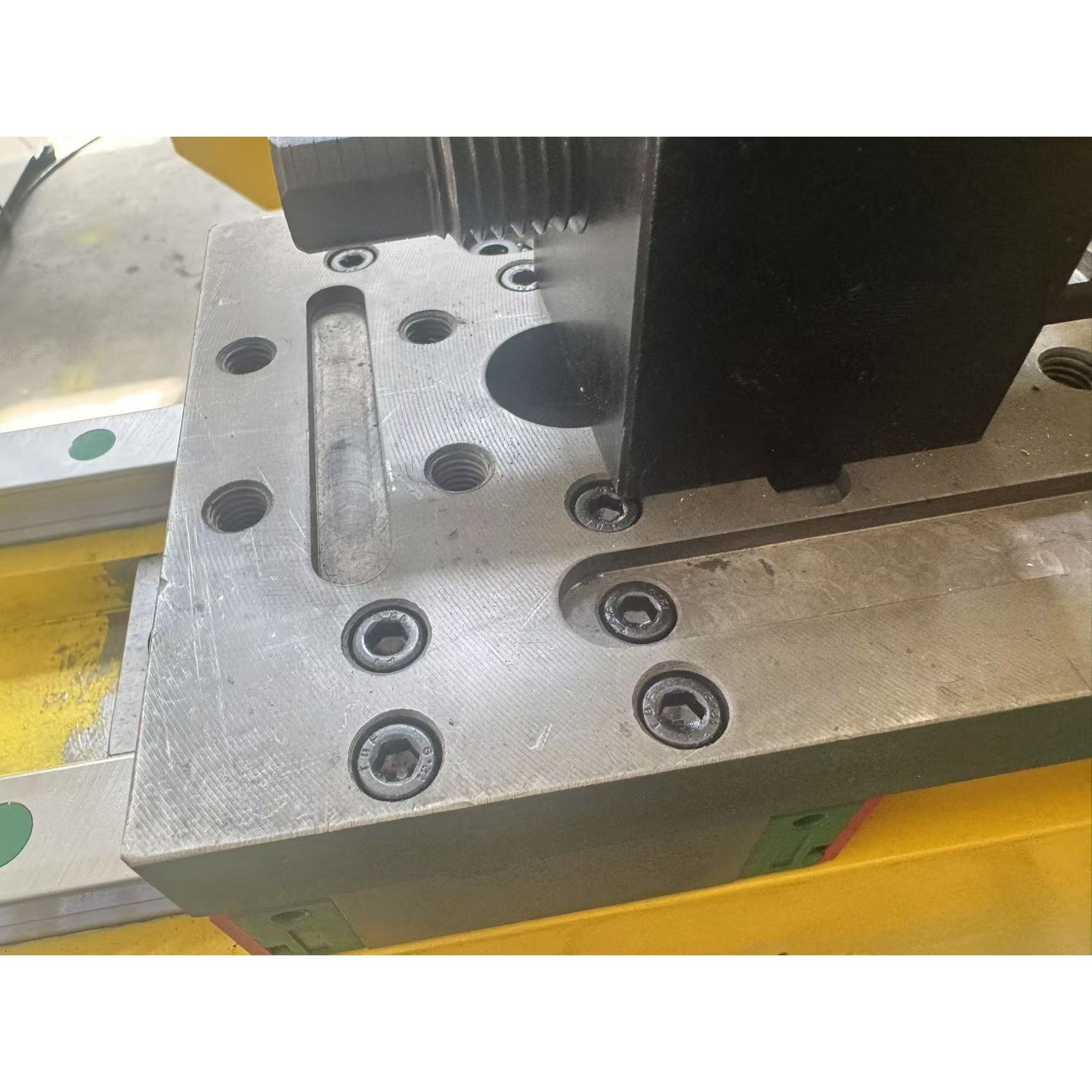
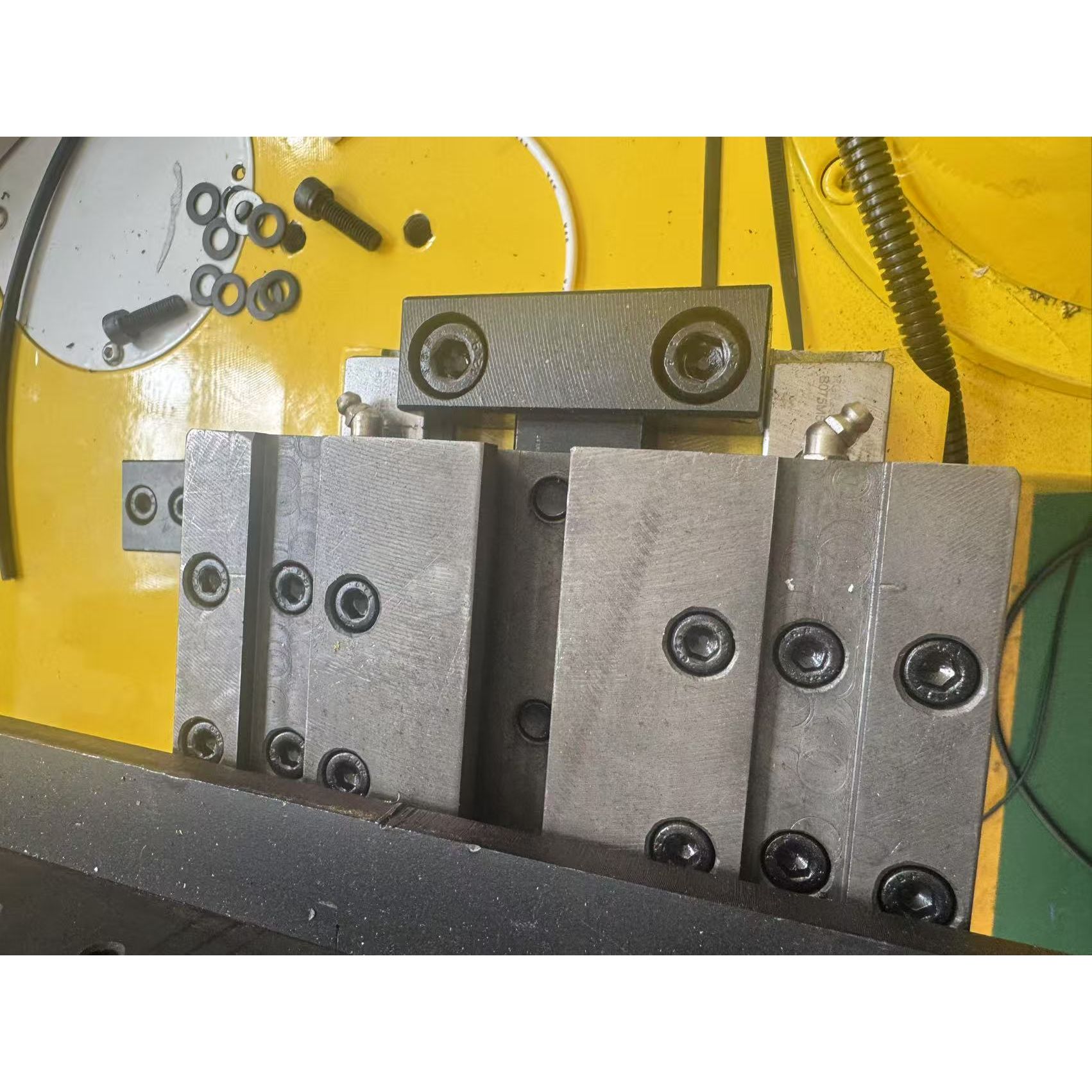
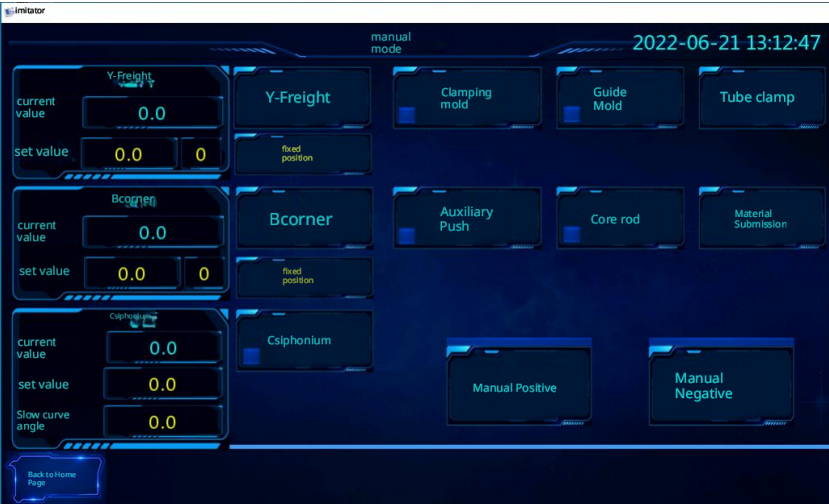
Feeding, rotation, bending and tooling adjustment work together to produce multi-angle and 3D exhaust pipe shapes, reducing repeated clamping and manual adjustment.‘
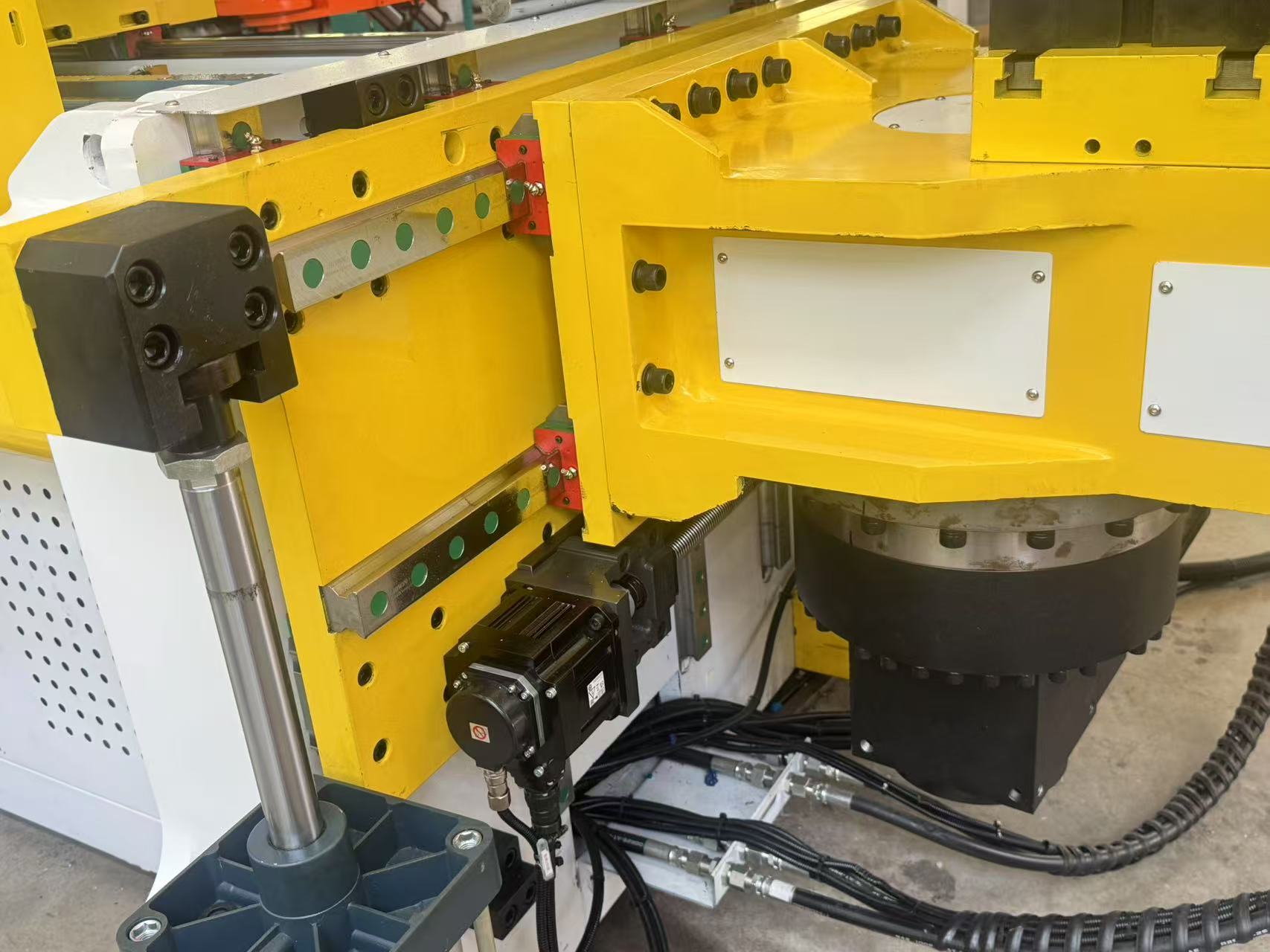
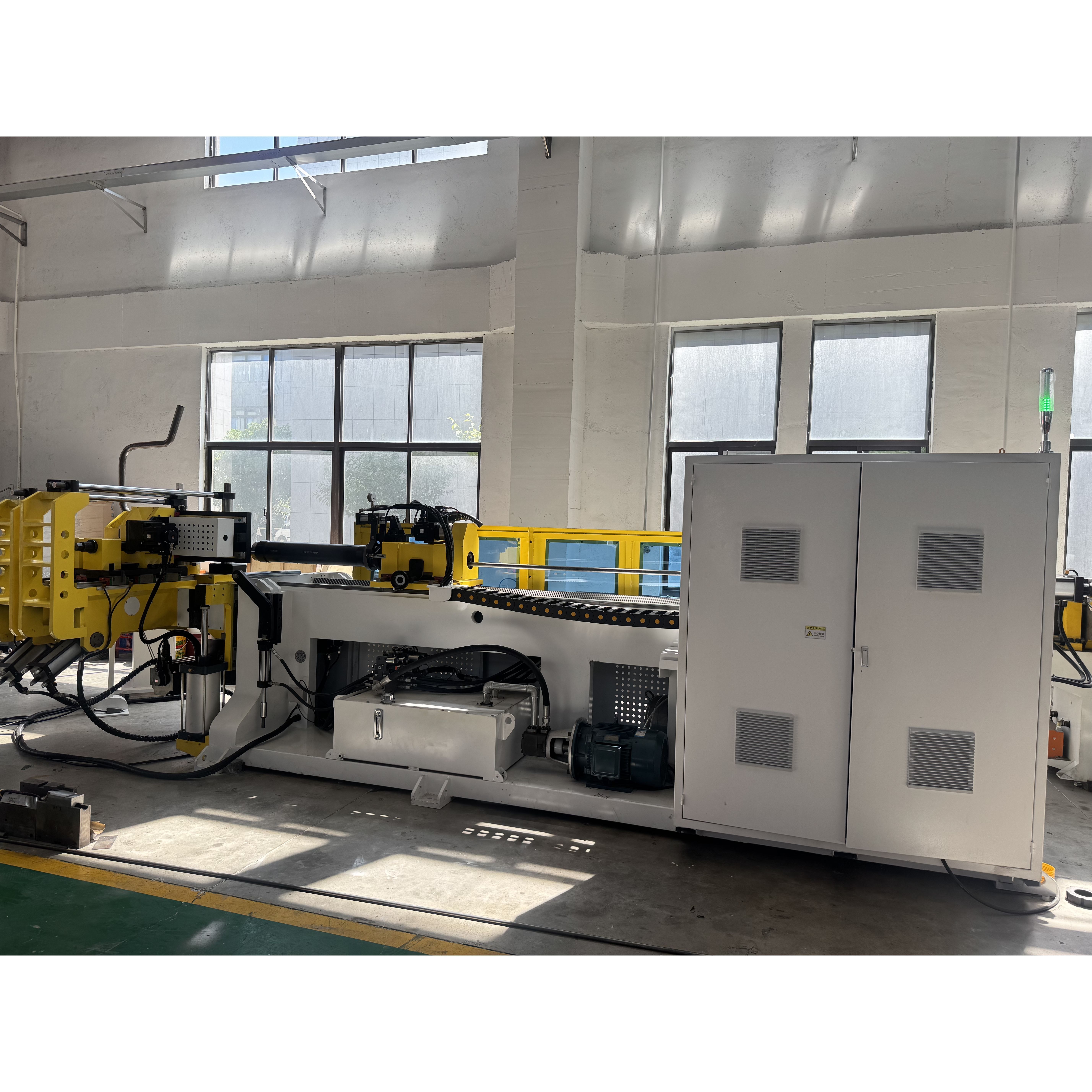
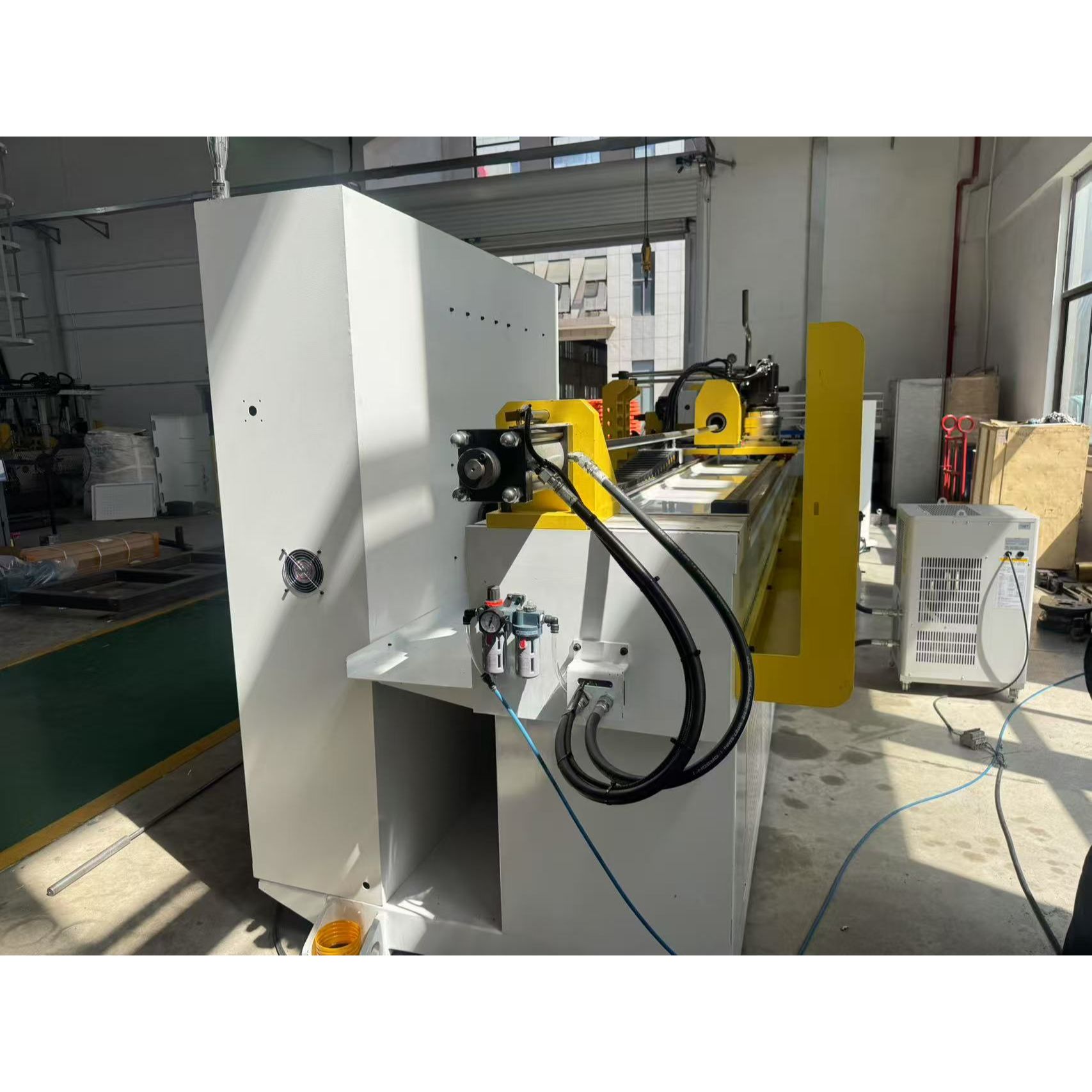
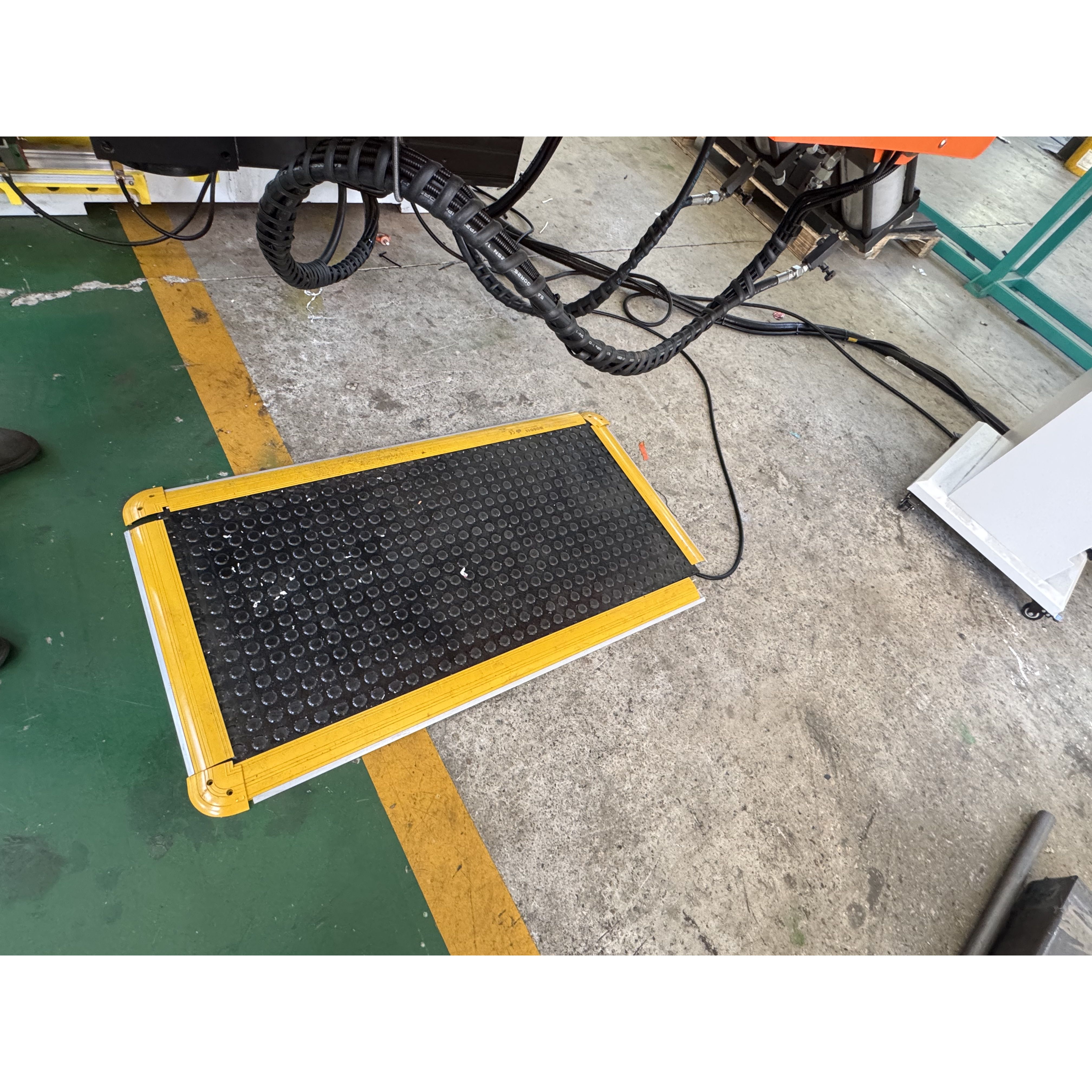
The machine supports manual, semi-automatic and fully automatic operation for different products and production requirements. Fully automatic processing reduces manual intervention and supports batch production.
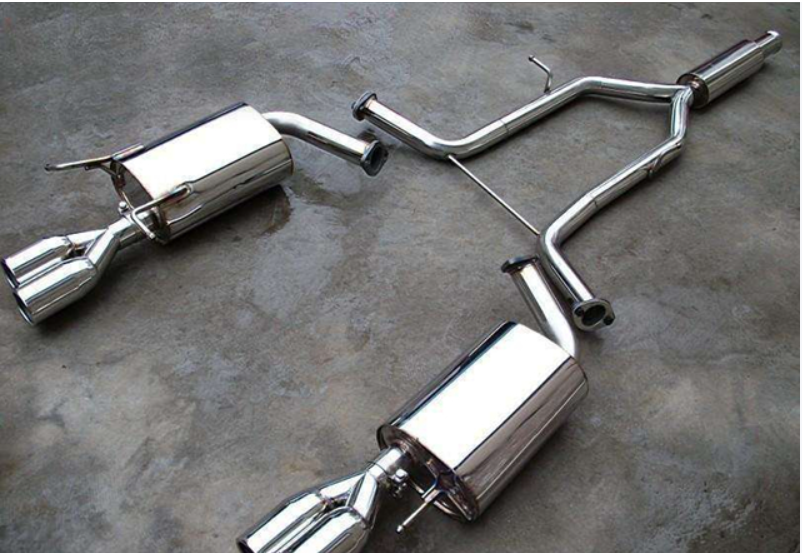
The machine supports program storage and backup through USB or disk, making it easier to save parameters for different exhaust pipe designs and reduce programming and changeover time.
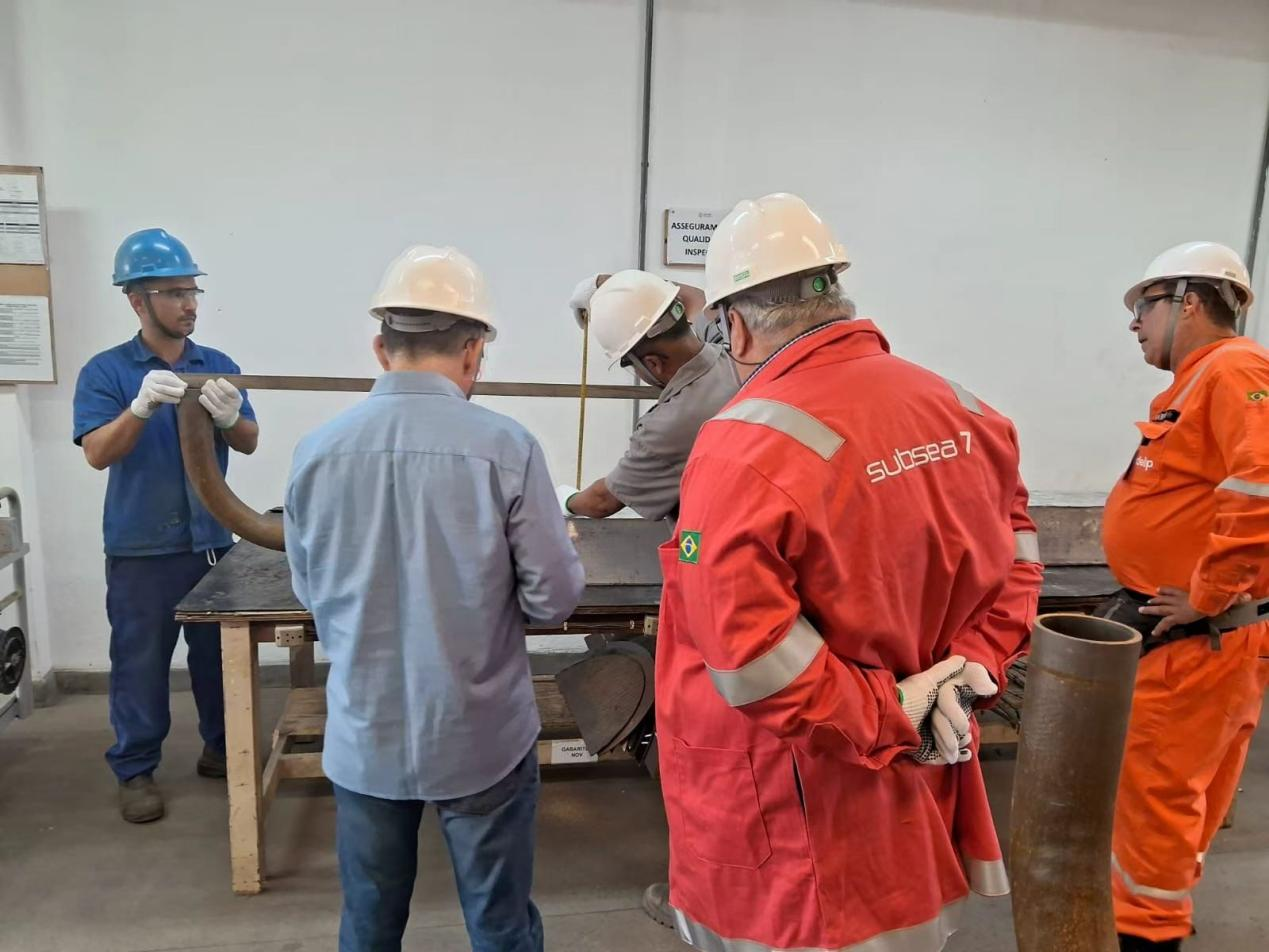
To address the challenges of unpredictable material springback and precise 3D spatial forming (required within ±0.1mm) for large-diameter (up to Φ89mm) and thick-walled exhaust manifolds for a leading Japanese Tier-1 supplier in Brazil, Baorui Machinery deployed the 89CNC fully automatic bending solution equipped with a four-servo drive and 3D interference simulation system; by leveraging a powerful hydraulic system and precision springback compensation technology, we achieved a significant process breakthrough. This solution not only ensured excellent ovality and wall thickness retention post-forming—meeting the OEM's strict fluid dynamics standards—but also significantly enhanced the client's delivery competitiveness in the South American market through full automation.
 EN
EN