 EN
EN

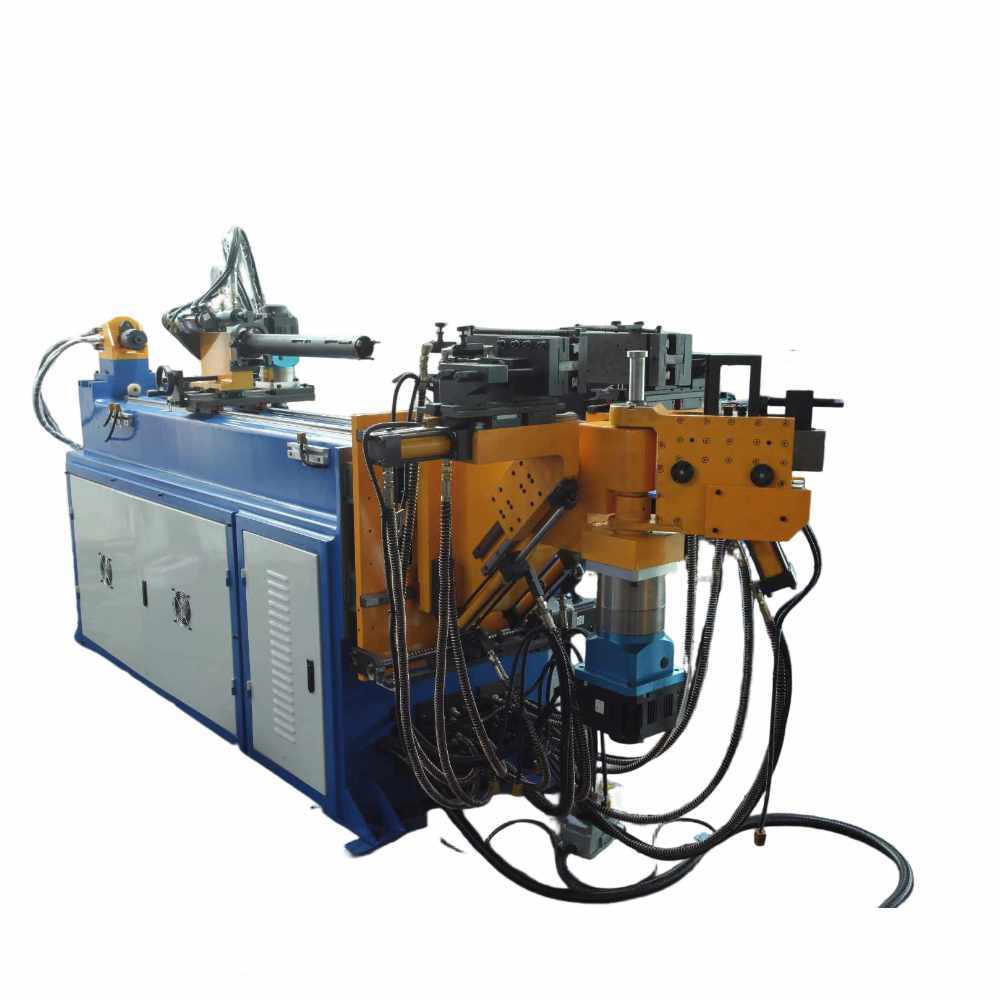
This is perhaps the hardest application to bend: thin wall exhaust pipes. These pipes, with wall thicknesses under 1.5 mm, and in diameters between 40 and 80 mm, have to withstand incredibly high temperatures, corrosive exhaust gases, and severe vibration. Moreover, the slightest wrinkle on the inside of a pipe’s curve can impede exhaust flow, create high stress points that may eventually crack, or simply make the exhaust system look unprofessional. That’s the problem with thin-wall applications; thin walls simply can’t resist buckling pressure like thicker walled tubes can. Manufacturers that consistently achieve zero wrinkles in their thin wall parts have made significant investment in both their machinery and processes.
Precision Tooling Geometry and Surface Finish
The secret lies in the tooling — specifically, the surfaces that contact the tube during bending. Standard tooling found in any tube shop is not sufficient for these thin wall parts. Often, the standard bending tools just don’t provide enough support across the whole cross-section of the tube. Thin walls require specially ground tools with extremely tight radii that are just slightly larger than the outer diameter of the tube. Also critical is the tool’s surface treatment; perfectly polished and treated with compounds that minimize drag, these tools work with the material instead of pushing it. Even more specialized is the tooling used in forming the wiper and pressure dies which support the inner wall of the tube – they will often have highly specific geometries to support the ever changing inner radius as it moves through the bend process.
Optimized Mandrel Selection and Positioning
Thin wall pipe bending can’t be done without an internal mandrel that supports the wall of the pipe from the inside. But like any other tool, it requires very precise application and setup. Thin-walled parts most benefit from a multi-ball articulated mandrel that maintains contact on the inside of the bend and moves along with the tube as the bend is formed. Crucially, the nose of the mandrel needs to be just at the point of tangency in the bend; extending it too far down can cause a wrinkle in the bottom of the bend or over support it, while retracting it will cause the bottom of the tube to be unsupported. The ideal mandrel set-point can be determined on an individual basis for each application through trial runs with precise measurements of mandrel position and bending force. Once set correctly, it must be locked in the bender and then consistently used.
Controlled Lubrication Systems
Lubrication in tube bending is obviously important to extend the tool life of the bending equipment, but is absolutely essential when bending thin walls. Lubricant helps to create a slip plane on the bend tool’s surfaces which reduce the friction that causes the outer bend wall to expand and the inner bend wall to compress. The lubricant’s viscosity must also be suitable for high speeds and the pressures applied. Automated lubrication systems supply a constant and metered spray of a high-performance lubricant onto both the outside of the pipe as it enters the tool and onto the mandrel itself.
Real-Time Process Monitoring and Feedback
Modern bending machines, designed specifically for thin wall applications, are equipped with sensors that provide continuous real-time feedback. Bending pressure, mandrel position, and speed of the operation are closely monitored. This feedback is used to adjust and regulate the bend; a rise in pressure might suggest the mandrel hasn’t advanced to the proper position, and the machine can react quickly to prevent a defect. Some high-end systems even utilize real-time analysis that adjusts bending parameters mid-cycle if they detect any variation in material properties that might suggest a wrinkle is about to form. The objective of such a process control is to make thin wall bending less of a black art and more of a controlled manufacturing science.
Here at Baorui, we have honed our thin-wall bending expertise over two decades by working closely with exhaust manufacturers who require no compromises. Our thin-wall pipe bending solutions integrate customized tooling interfaces, multi-ball mandrel support systems, automated lubrication control, and real-time process monitoring to deliver wrinkle-free thin-wall bends consistently across tens of thousands of production cycles. The Baorui BR series of hydraulic pipe benders, including machines specifically configured for this critical application, provide the precision and reliability necessary to meet the highest OEM and performance standards.