EN

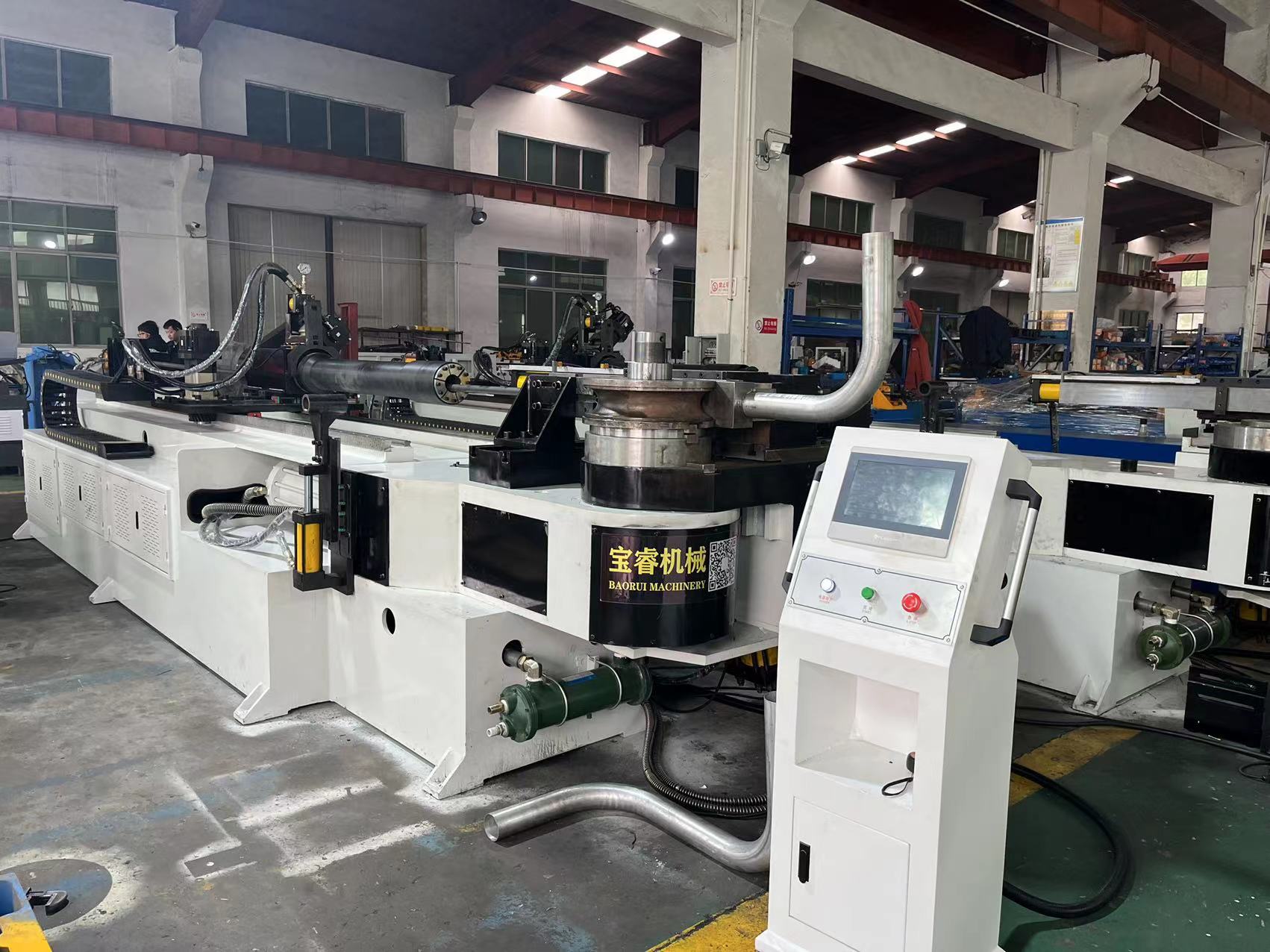
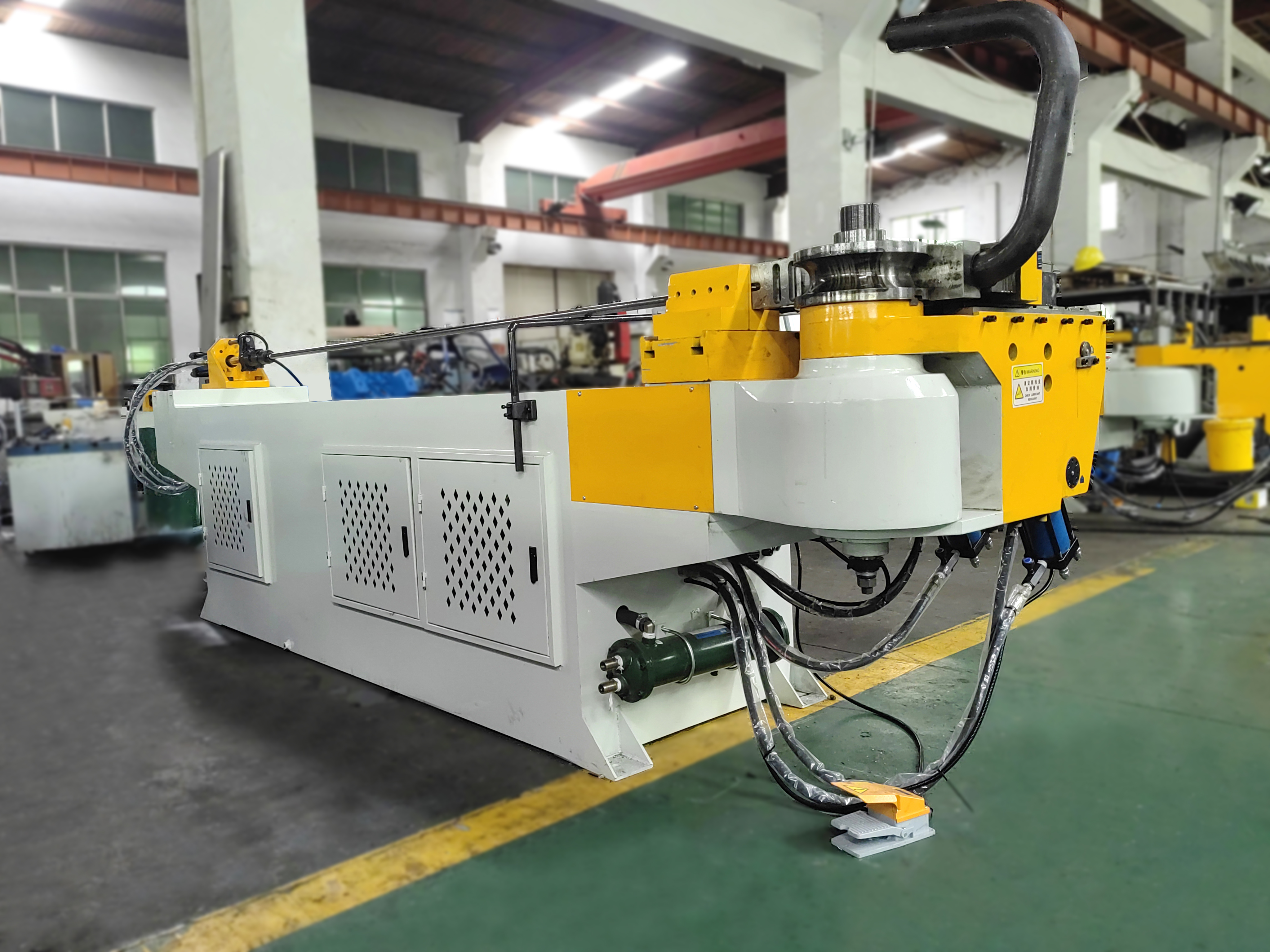
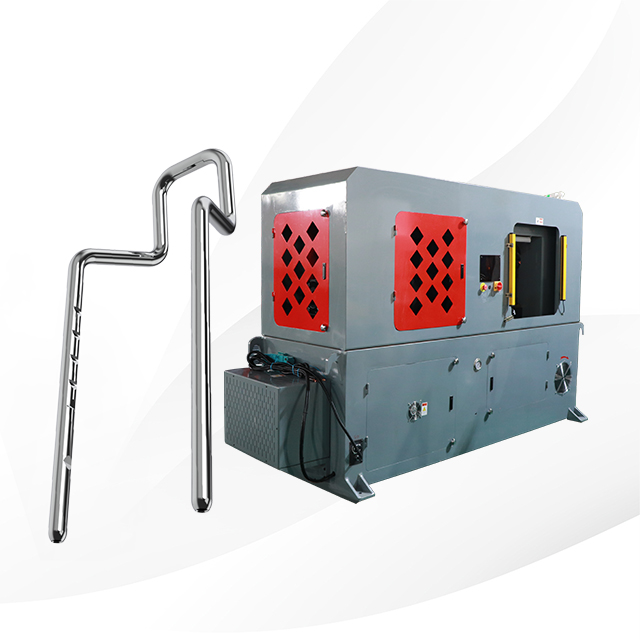
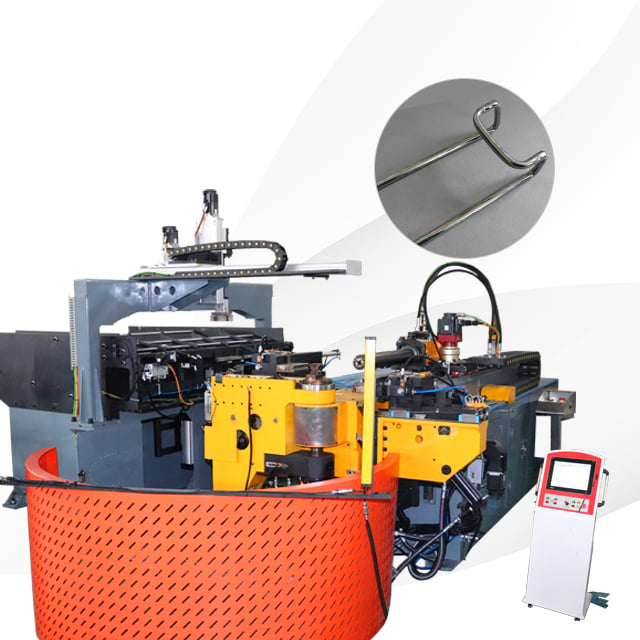
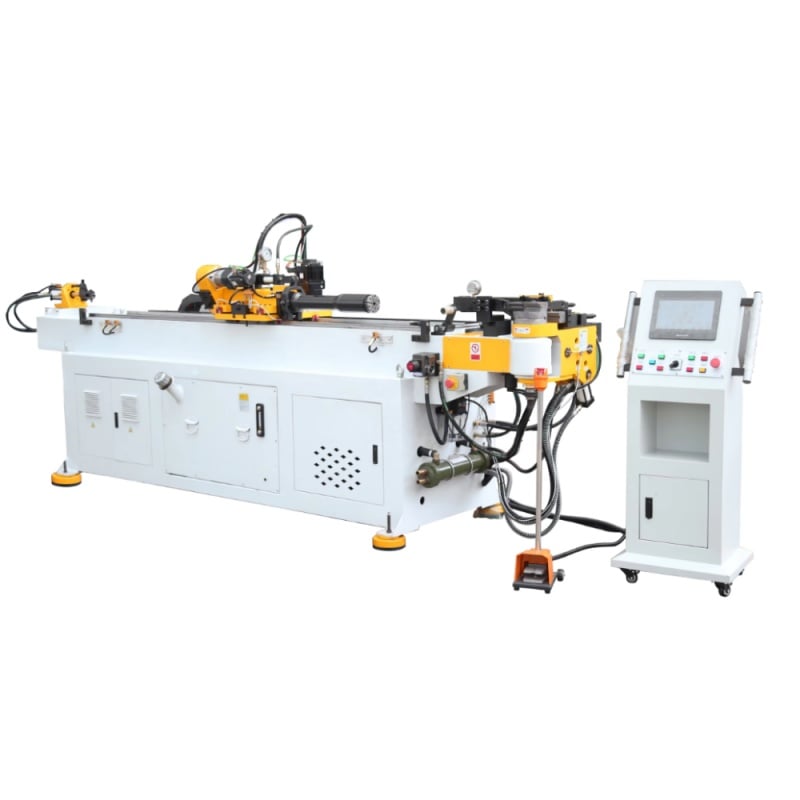
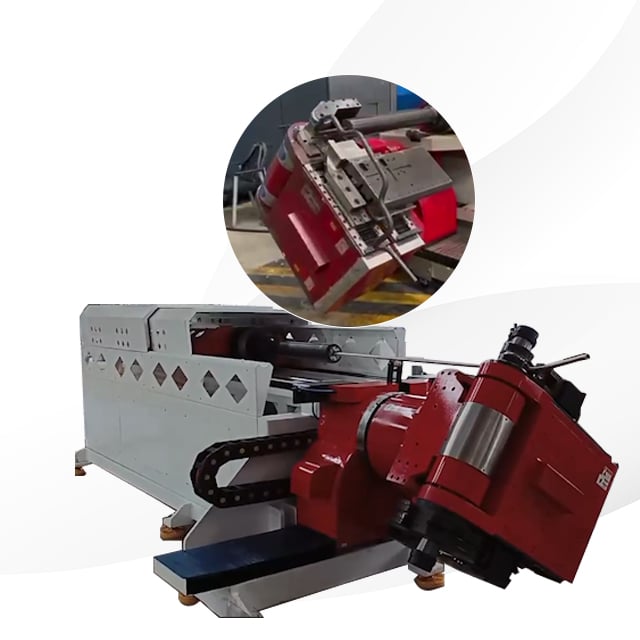
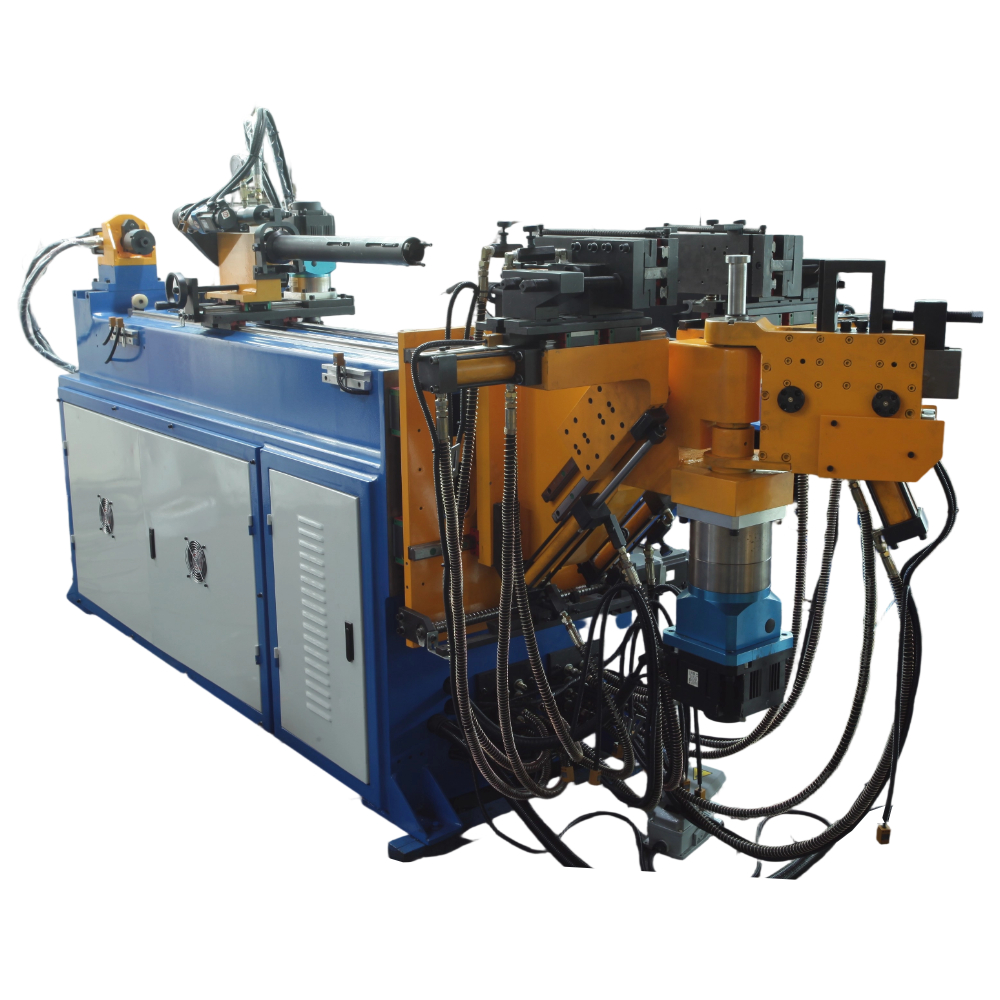
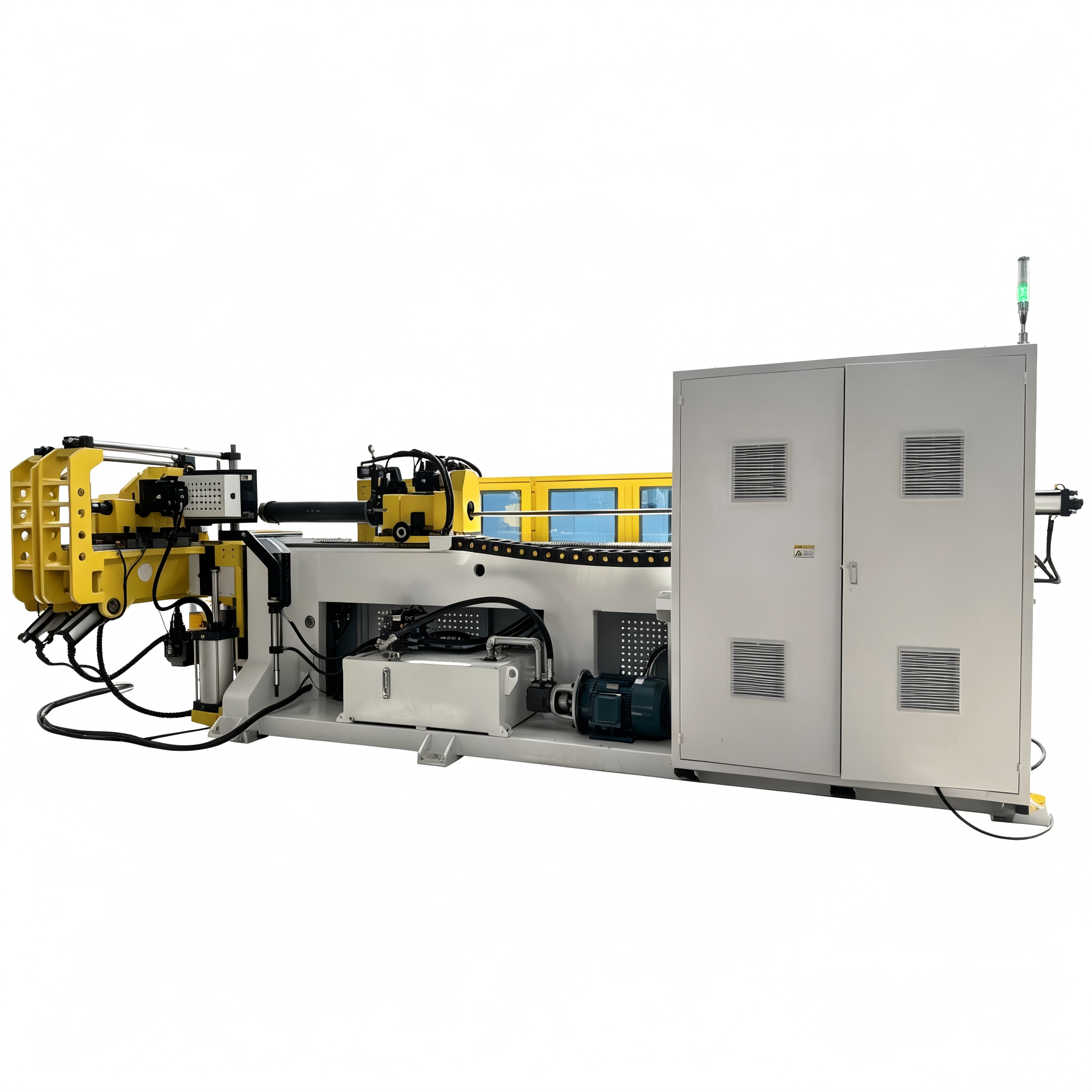
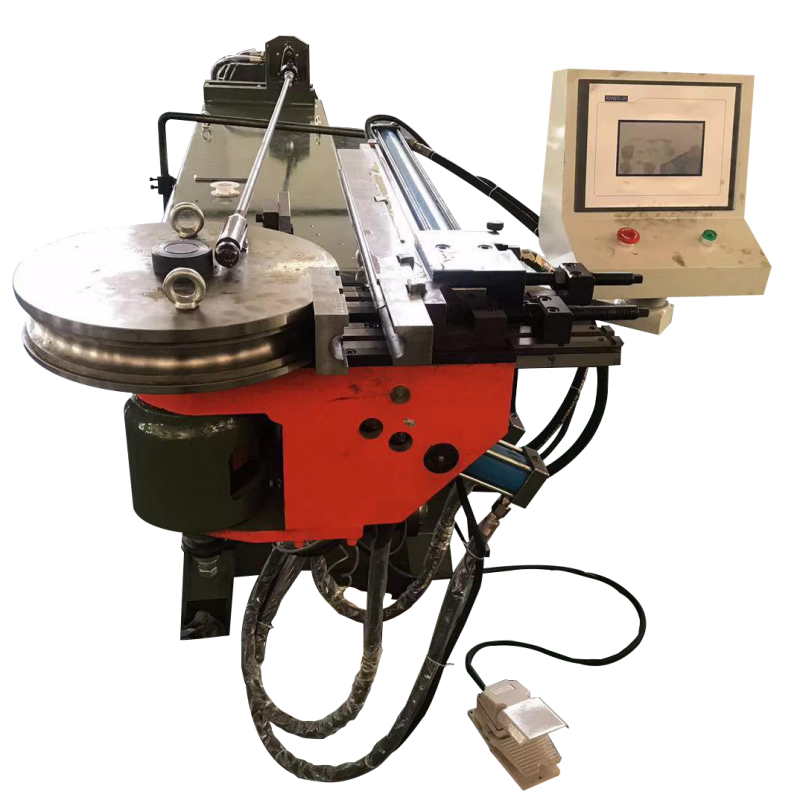
When it comes to manufacturing exhaust systems, an exhaust pipe bender is essential for creating precise bends in metal pipes. This equipment allows for the accurate shaping of exhaust pipes, ensuring that they fit perfectly into the vehicle's system. For businesses in the automotive, aerospace, or industrial sectors, choosing the right exhaust pipe bender can significantly impact production efficiency and product quality. This article will address key considerations for selecting an exhaust pipe bender and guide you through the critical specifications and factors to consider when sourcing these machines.

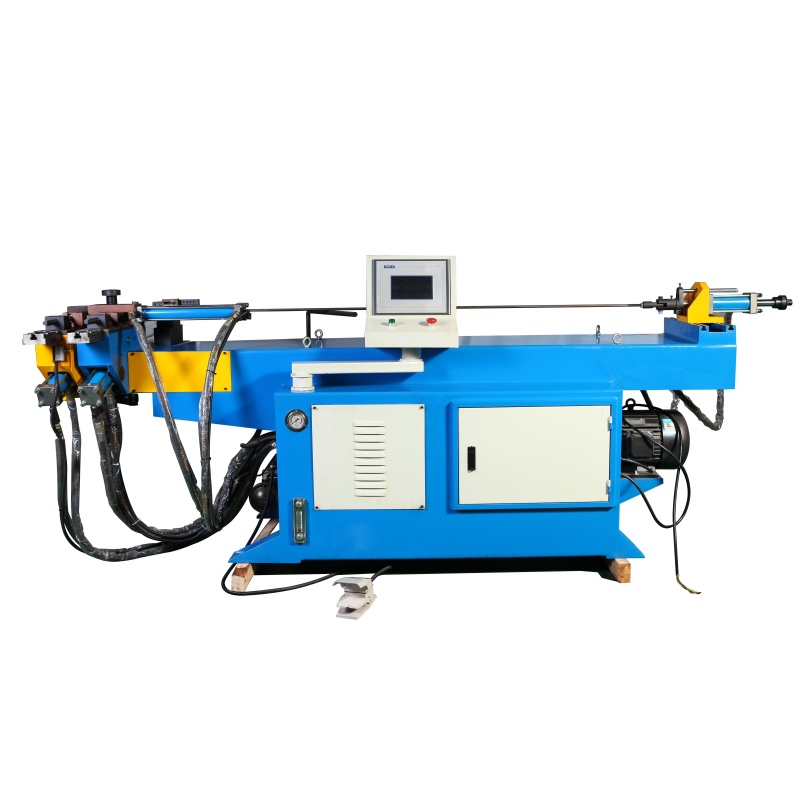
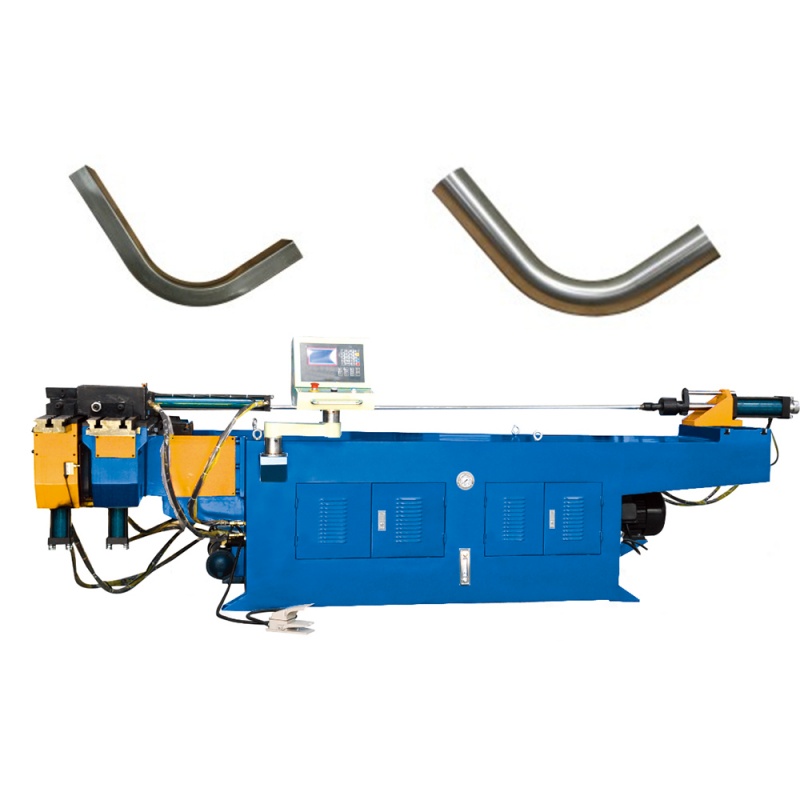
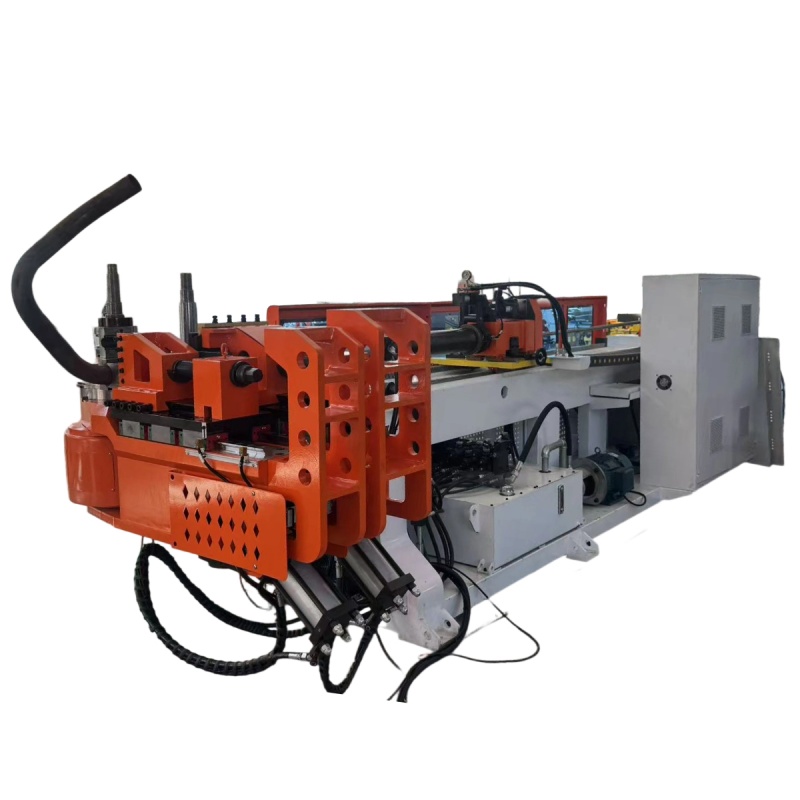
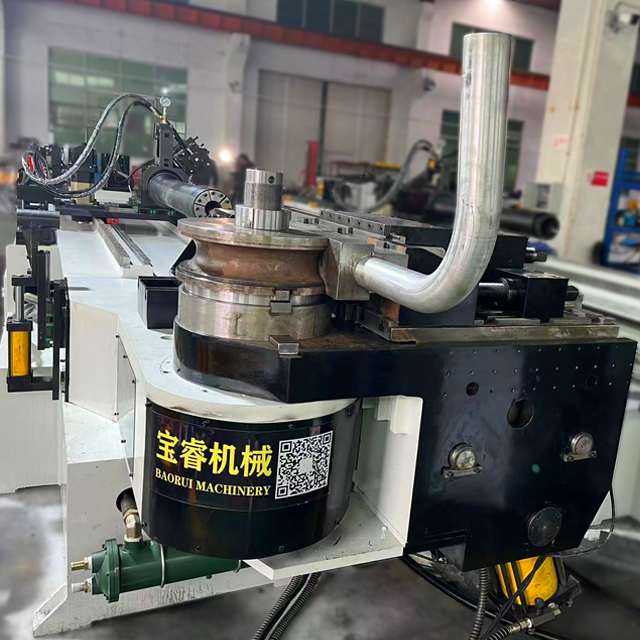
Top Specifications to Consider When Sourcing Exhaust Pipe Benders
When sourcing exhaust pipe benders, several key specifications will determine the machine's suitability for your applications:
Bending Capacity: This refers to the maximum diameter and wall thickness of the pipe that the bender can handle. It’s crucial to choose a bender that can accommodate your largest pipe dimension.
Bend Radius: The minimum bend radius is vital for ensuring that the bends do not weaken the material. A larger bend radius typically allows for smoother turns and less stress on the pipe.
Control Type: Benders can be manual, semi-automated, or fully automated. Automated systems generally provide higher precision and repeatability, critical for mass production.
Speed and Efficiency: The machine's bending speed can significantly affect production timelines. Evaluate your needs against the bender's operational speed to ensure it meets your production demands.
Software and Interface: Advanced exhaust pipe benders often come with software that allows for 3D modeling and simulation, enabling precise programming of bends before production.
Evaluating these specifications in the context of your unique production line will help you select an exhaust pipe bender that maximizes efficiency and product quality.