EN
EN

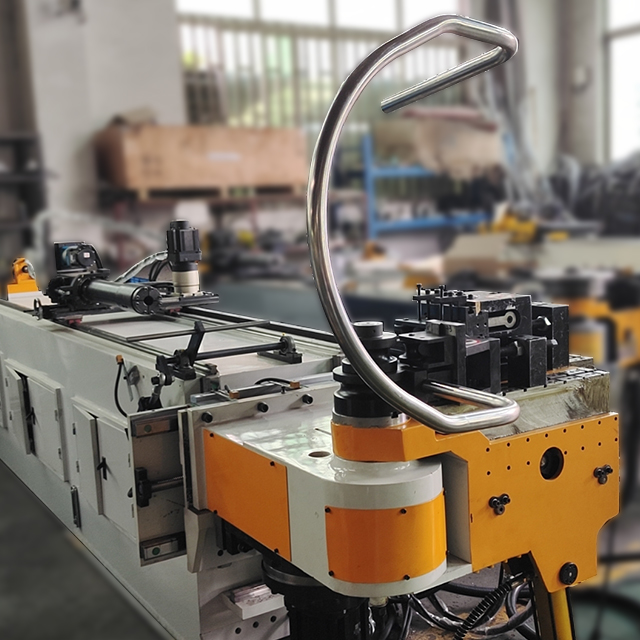
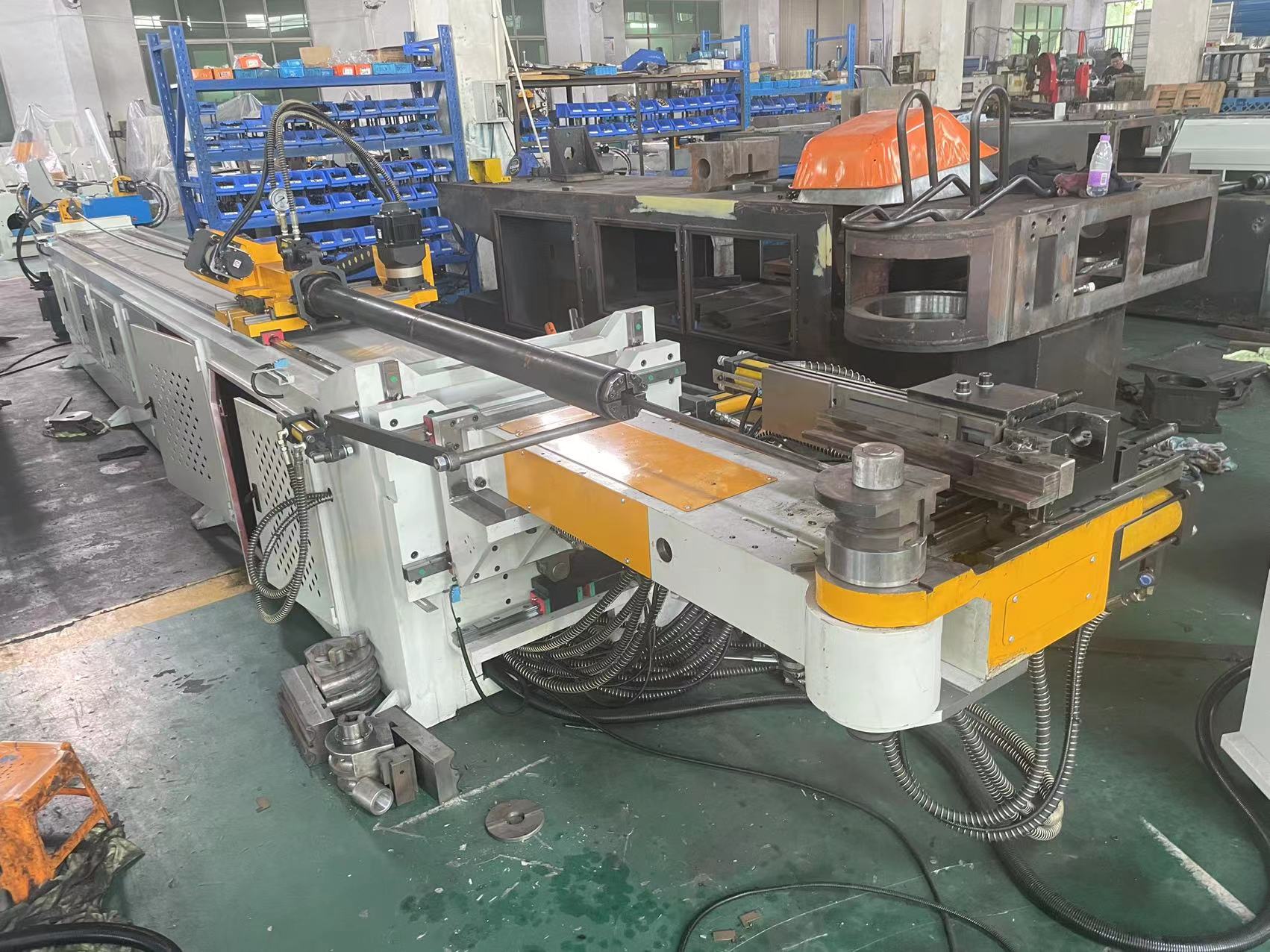
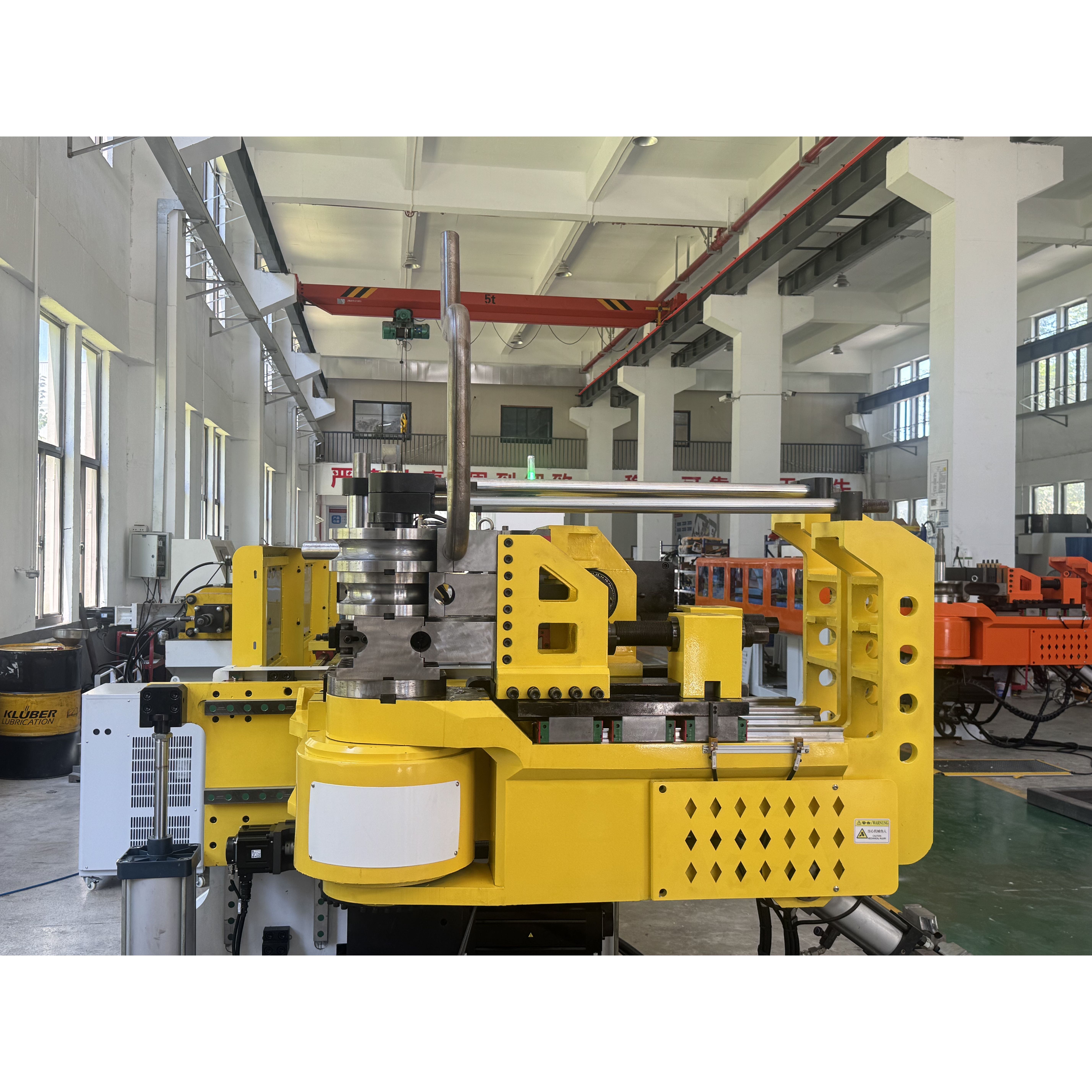
Choosing the right CNC bender is crucial for any manufacturing process involving tube and pipe bending. These machines are designed to create precise bends in various materials, ensuring that the final product meets specific design and functionality requirements. For B2B buyers like purchasing managers, distributors, and engineers, understanding the capabilities, specifications, and potential issues associated with CNC benders is essential. This article will guide you through the key considerations when selecting a CNC bender, common challenges you may face, and the diverse applications of these machines across various industries.
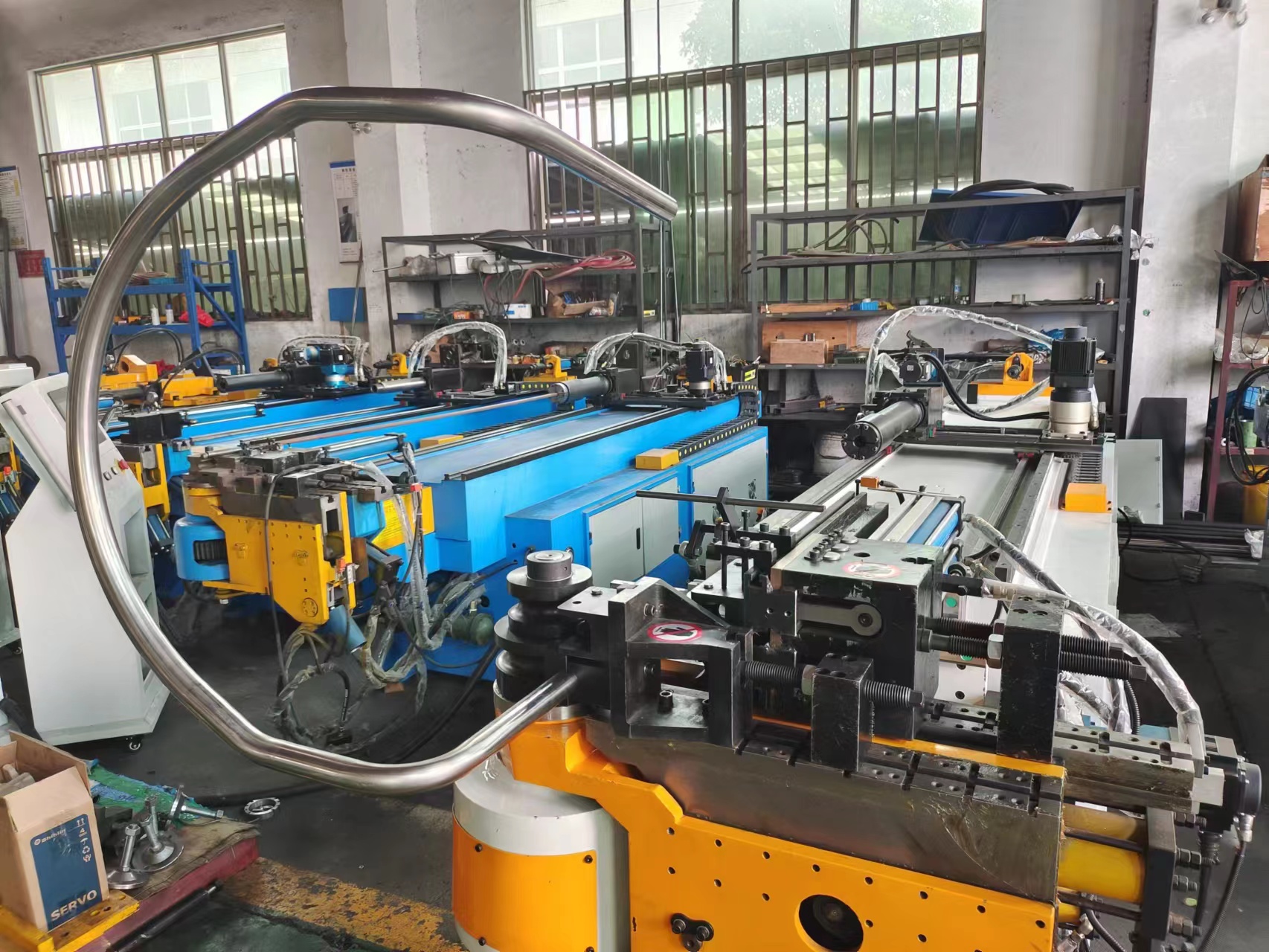
A Guide for Importers and Distributors
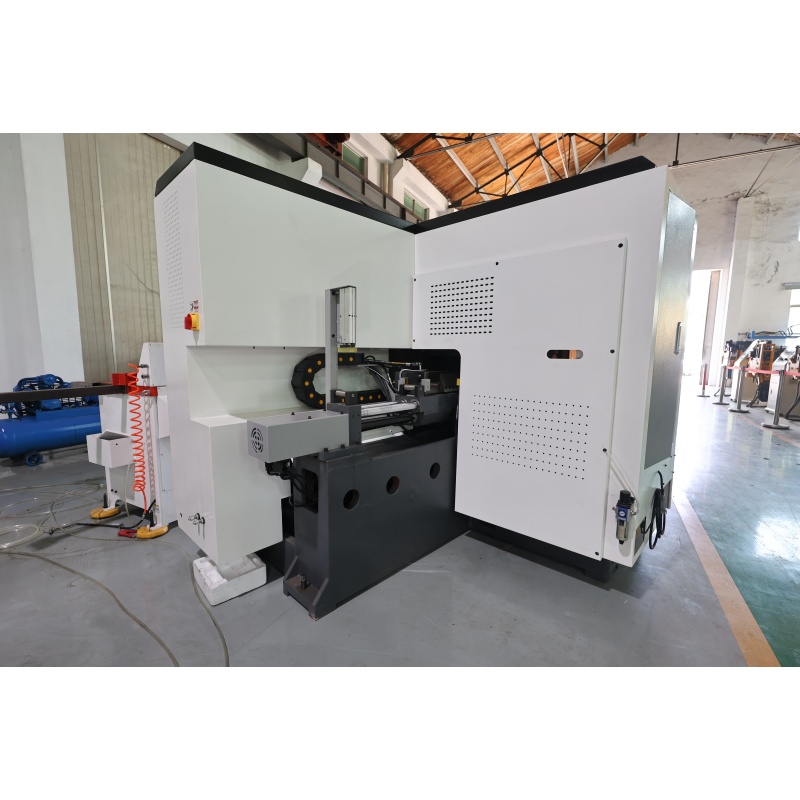
For importers and distributors, understanding the CNC bender market is essential to making informed purchasing decisions. Start by researching suppliers with a strong reputation for quality and reliability, such as Zhangjiagang Baorui Machinery Co., Ltd., which offers customized, fully automated solutions.
When requesting quotes, provide detailed specifications including the type of materials you will be processing, the expected production volume, and any specific features you require. This information will help manufacturers provide accurate pricing and lead times.
Additionally, verify the manufacturer’s quality control processes. Certifications, such as ISO standards, indicate a commitment to maintaining high-quality production standards. It’s also beneficial to request samples or conduct a factory visit to assess the equipment firsthand before making a significant investment.