 EN
EN

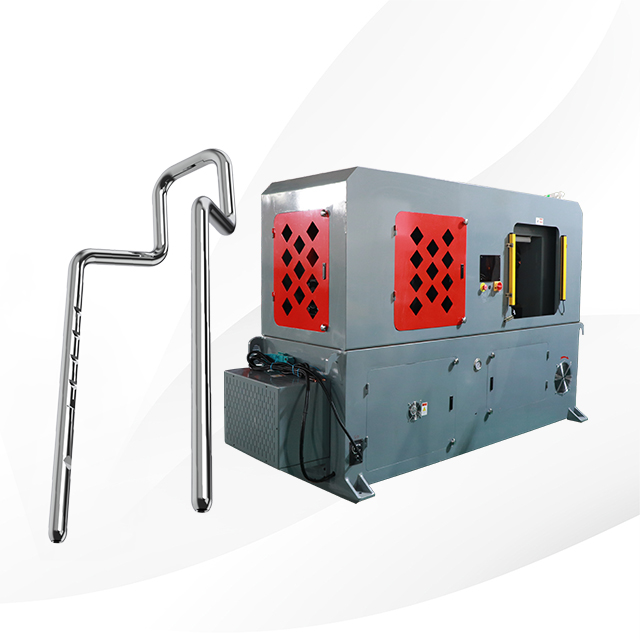
Thin-wall stainless steel tubes are used in many industries, including automotive, medical equipment, and kitchen hardware. Despite their advantages such as lightweight and resistance to corrosion, they are very susceptible to wrinkling while bending, which affects their internal flow rate, outer appearance and strength. This is directly related to the type of bending machine that is used: semi-automatic or fully automatic. After many years of manufacturing CNC hydraulic bending and pipe processing machinery, Baorui observed the way each machine's control style affects wrinkling in the tube. We compared these two types so that you can see which method is best suited for bending thin-wall stainless steel tubes.
Why Thin-Wall SS Tubes Are Prone to Wrinkling
Thin-wall stainless steel pipes and tubes have a low wall-to-diameter ratio, which gives very little resistance to the compressive stresses occurring on the inner radius of the bend. If the bending pressure is greater than the capacity of the tube to absorb and spread the pressure evenly, the material buckles into tiny waves or wrinkles. This will be increased when bend radius is reduced, wall thickness is reduced, and material hardness is higher. The control of three key parameters is needed to prevent wrinkles in the bent part, and is dependent upon the level of automation. The variables are mandrel position, booster force, and bend speed, which are controlled with varying precision on each machine type.
Semi-Automatic Bending: Operator-Dependent Wrinkle Control
On semi-automatic bending machines, the operator runs each bend. The operator sets up the mandrel for each bend, and then closes the clamp. Once the clamp is closed, the operator activates the bending motion, and applies some amount of booster feed if necessary. For the thin-wall SS tube, this creates inconsistency from one bend to the next. Each operator puts a different amount of force into the clamp each time. Their hands might slip when positioning the mandrel and support. They may not engage the booster push at the correct position or with the appropriate pressure during the bend cycle. It is possible to achieve high-quality parts on a semi-automatic machine, but it is dependent on the operator's level of skill and attention. Short runs and prototype parts would not warrant the price of fully automatic machinery, and are best suited for semi-auto; however, for high production quality parts, the lack of automated control is detrimental.
Full Automatic Bending: Programmed Precision for Wrinkle Prevention
Full automatic CNC benders use programmed values for every aspect of the bending operation. They are automatically set up from one part to the next and have integrated feedback control that enables precise duplication. Each parameter is run as programmed cycle, eliminating the human error possible with semi-auto. Fully automatic bending prevents wrinkles through three additional features not found on semi-automatic machines. First, there is automatic mandrel retraction and advancing, which ensures that the mandrel supports the tube at the ideal point during each bend. Second, the booster force and push/pull operation are servo-driven so that they exactly synchronize with the bend angle and always place material at the bend without bunching. Third, bend speed is profiled through different angles in order to maintain consistent material flow. With thin-wall stainless steel, it is extremely important that the machine not have any delay in advancing the booster during the bend cycle. As you will see in the "Real World Results" section, this reduces wrinkles significantly.
Comparing Real-World Results on Thin-Wall Tubes
For a standard production of 25 mm diameter, 1.0 mm wall stainless steel tube bent to 90 degrees with a 1.5D bend radius, we have observed that, on average, experienced operators running a well maintained semi-automatic bender achieve around 90-95% acceptable parts. Any unacceptable parts will have minor wrinkles on the internal surface that are unacceptable due to surface appearance and/or flow restrictions. Fully automated CNC benders operating the same part under comparable conditions, with properly engineered tooling, will produce over 99.5% acceptable parts with no operator adjustment needed. This difference comes from fully automatic machines closing the loop. They sense both position and force of the bend and instantaneously adjust the boost pressure if it senses the wall on the internal radius is about to buckle.
When Semi-Auto Might Still Make Sense
Semi-auto bending machines are not completely obsolete. If you are bending thicker tubes (over 2.0 mm), wrinkling may not be an issue. Semi-auto machines typically have a lower initial cost and lower tooling investment and costs may be amortized at a lower part volume, compared to fully automated machinery. For thin-wall SS, however, the losses from scrap, rejection of parts, rework, and lost production time will quickly outweigh the price difference between semi-automatic and fully automatic machinery. Many manufacturers buy semi-auto machines for low production quantities of SS parts, but when they grow, they eventually find themselves purchasing fully automatic benders due to the large costs associated with wrinkled parts. For parts with complex bends and thin walls, fully automatic bending becomes essential.
Conclusion
For production quality thin-wall stainless steel tubing, full automatic bending machines offer far superior control and consistency over semi-automatic operation. Automated control of the mandrel position, boost force, and bend speed is essential for preventing wrinkles on the internal radius. Although semi-automatic benders may produce acceptable results when operated by highly skilled individuals, fully automatic machines offer the repeatability needed to ensure each part meets critical quality standards for sensitive industries such as medical manufacturing and automotive applications. At Baorui, we have assisted countless manufacturers in this transition and understand that for critical thin-wall stainless steel parts, fully automatic bending is not just an option — it is the solution.