EN
EN

CNC pipe bending machines are essential tools in various industries for shaping metal pipes with precision and efficiency. As purchasing managers and engineers evaluate these machines, they often focus on their operational capabilities, installation requirements, and potential challenges. This article aims to provide comprehensive insights into CNC pipe bending machines, addressing key buyer concerns and offering practical guidance for selecting the right equipment.
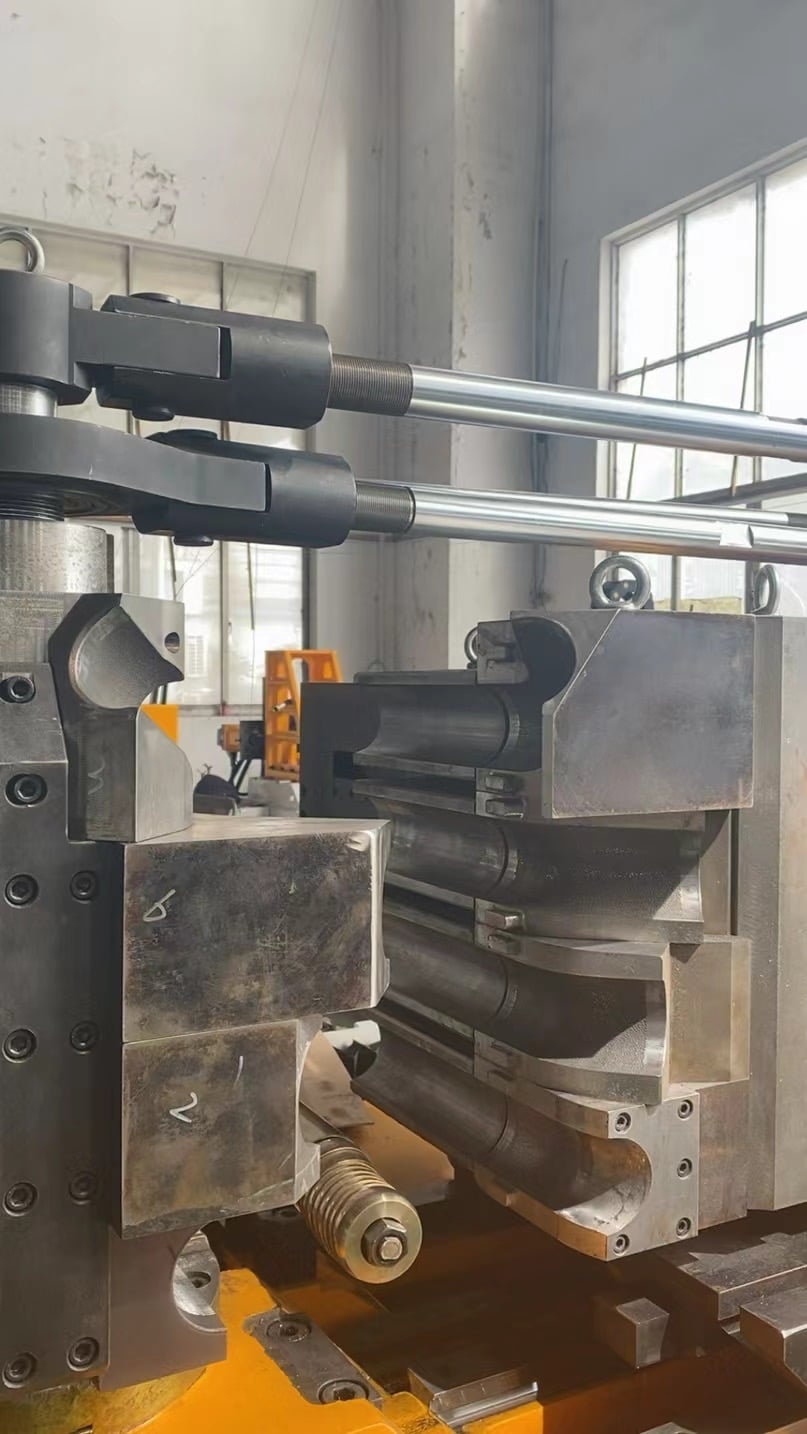
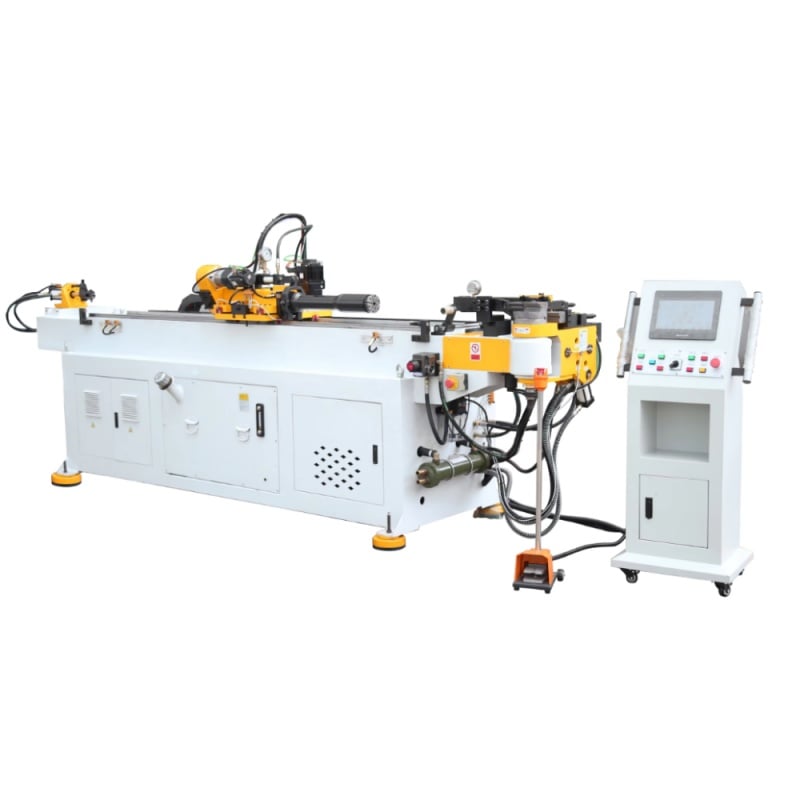
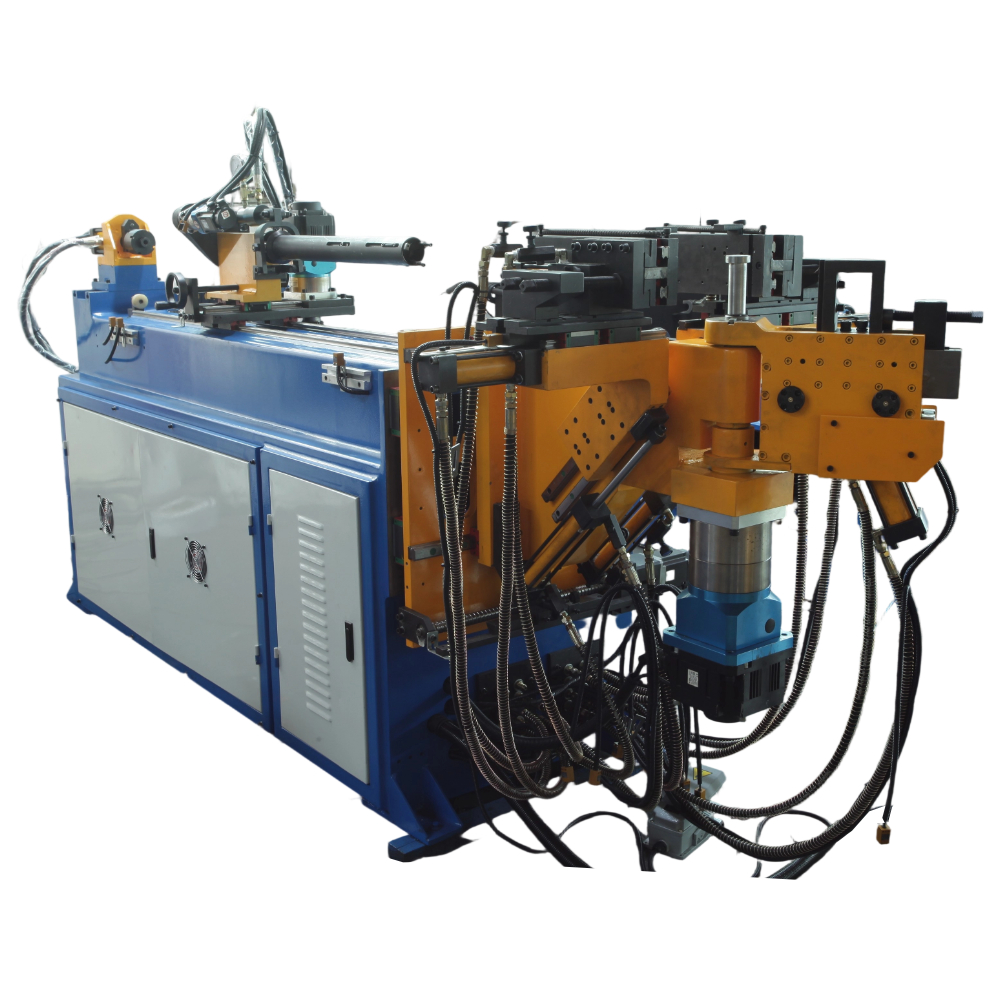
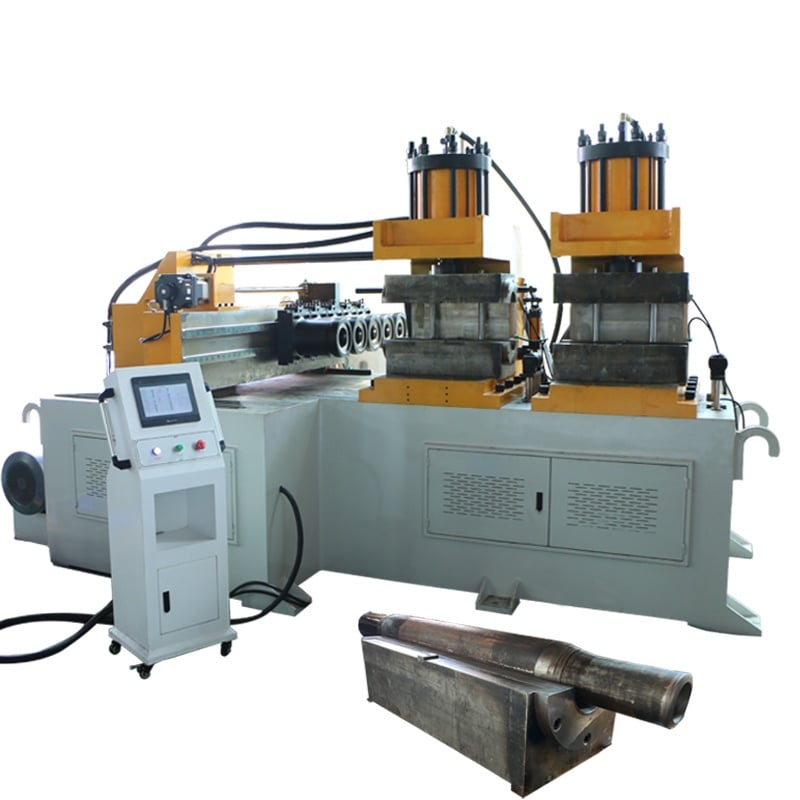
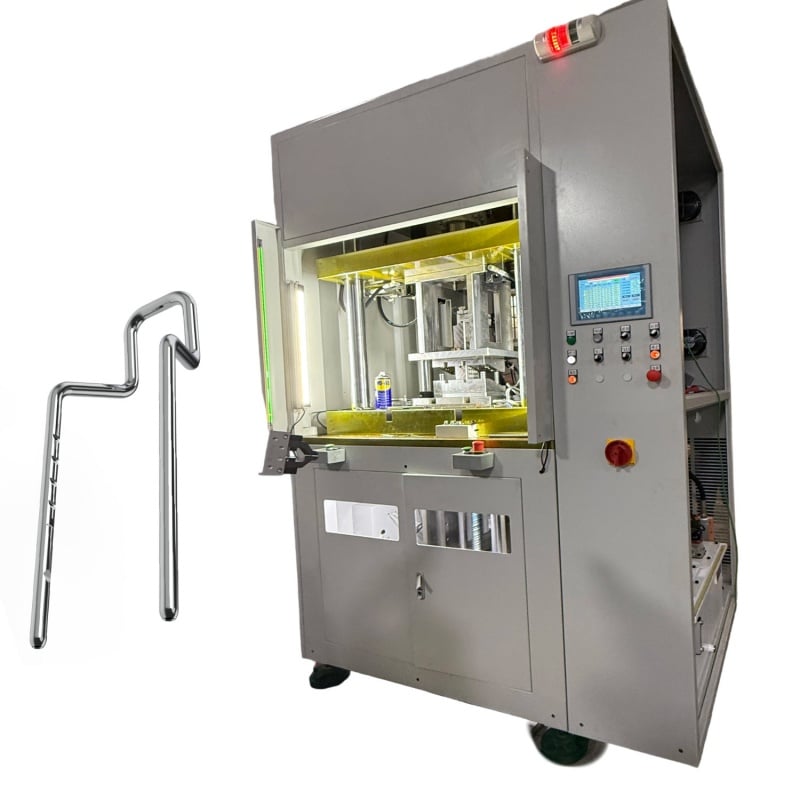
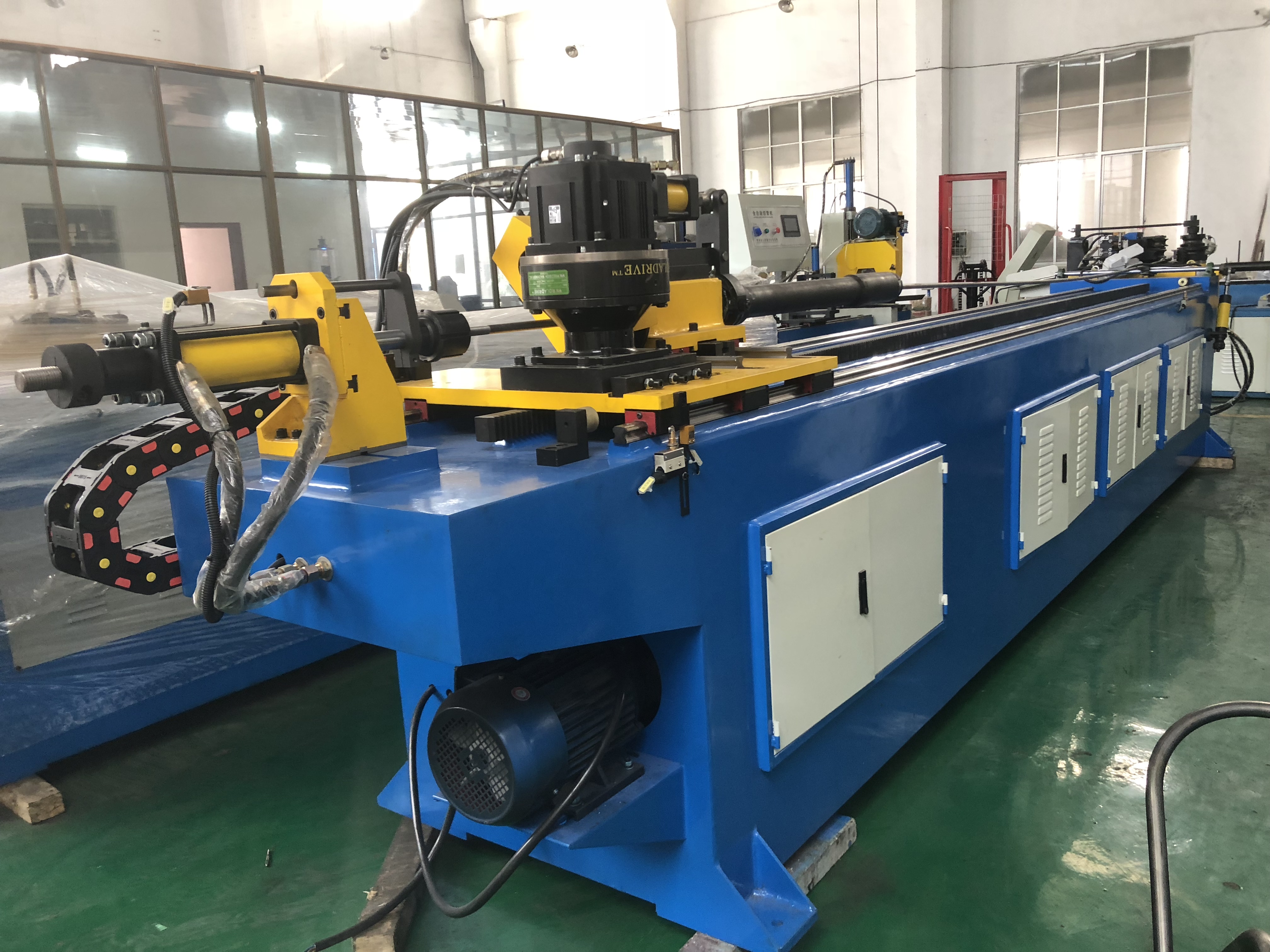
Cost Factors to Keep in Mind for CNC Pipe Bending Purchases
When considering a CNC pipe bending machine, understanding the cost factors involved is critical for making an informed decision. The initial purchase price is just one aspect; other factors include installation, maintenance, and operational costs.
Machine Specifications: Advanced features such as automatic loading systems, multi-axis capabilities, or integrated software for design simulations can significantly impact the price. Assess which features are essential for your specific applications to avoid overspending on unnecessary options.
Customization Needs: Customizing a machine to accommodate specific pipe sizes or bending angles may incur additional costs. It's essential to communicate your requirements clearly to the manufacturer to receive accurate pricing.
Maintenance and Support: Factor in ongoing maintenance costs, which may include spare parts, servicing, and technical support. A reliable warranty and after-sales service can also influence the total cost of ownership and should be part of your evaluation criteria.
By analyzing these factors, buyers can create a comprehensive budget that reflects both the upfront investment and the long-term operational expenses associated with CNC pipe bending machines.