EN

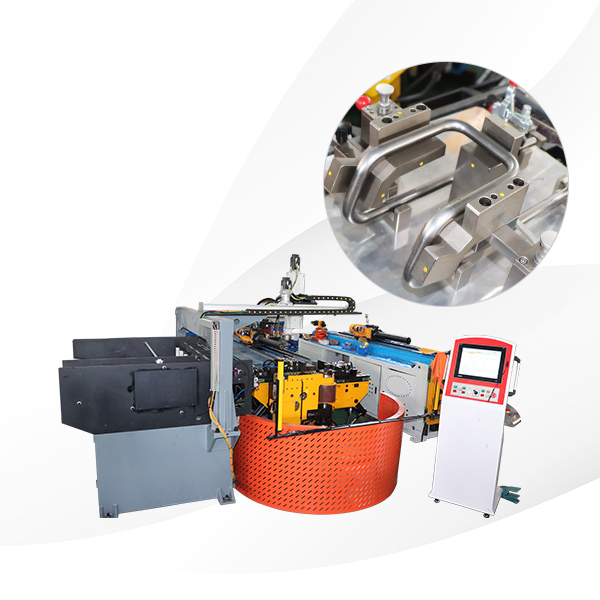
Electric conduit benders are essential tools for bending electrical conduits to specific angles and shapes, allowing for efficient installation and routing of electrical wiring systems. For professionals in manufacturing, construction, and electrical engineering, selecting the right electric conduit bender is crucial to ensure accuracy, efficiency, and durability. This article will address key considerations when sourcing electric conduit benders, including specifications, supplier reliability, and factors impacting quality and cost.
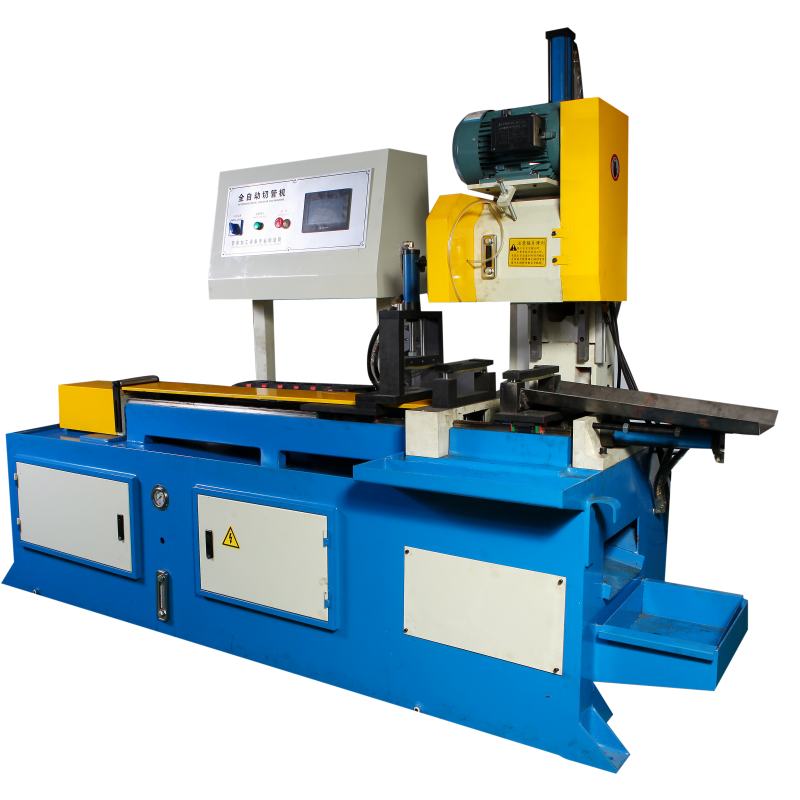
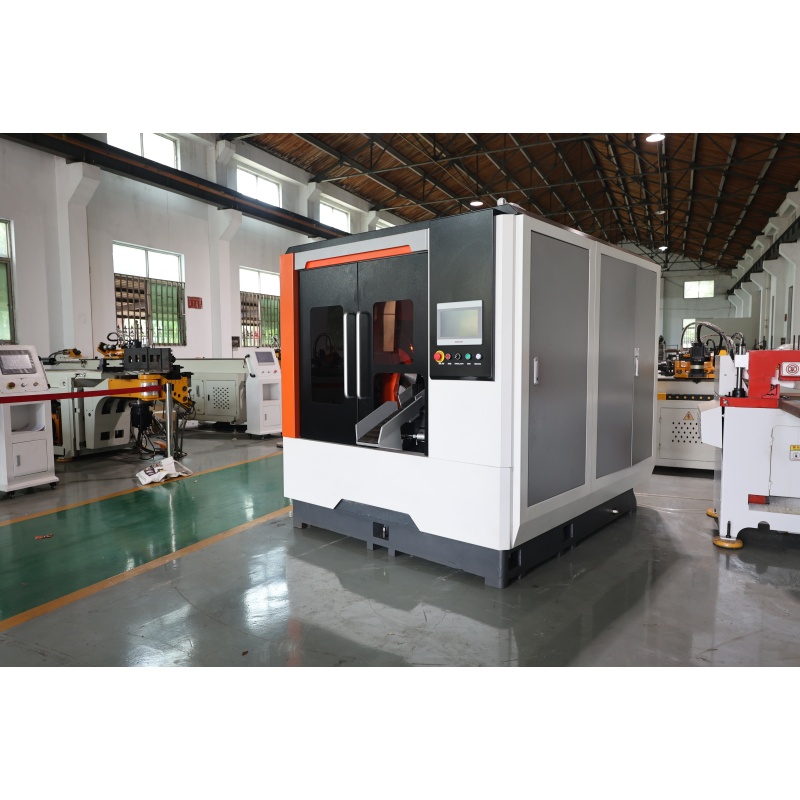
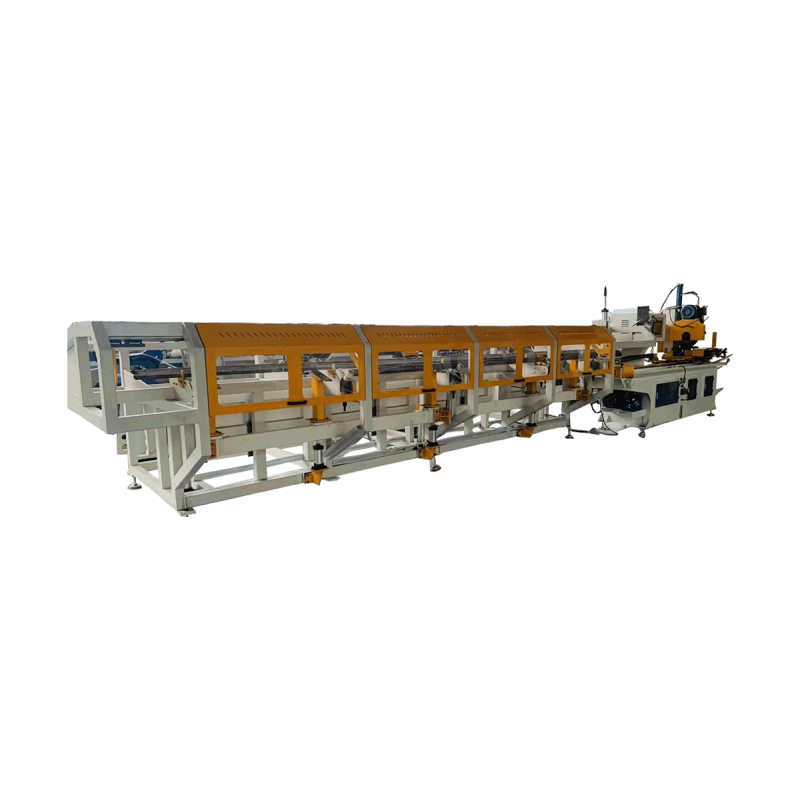
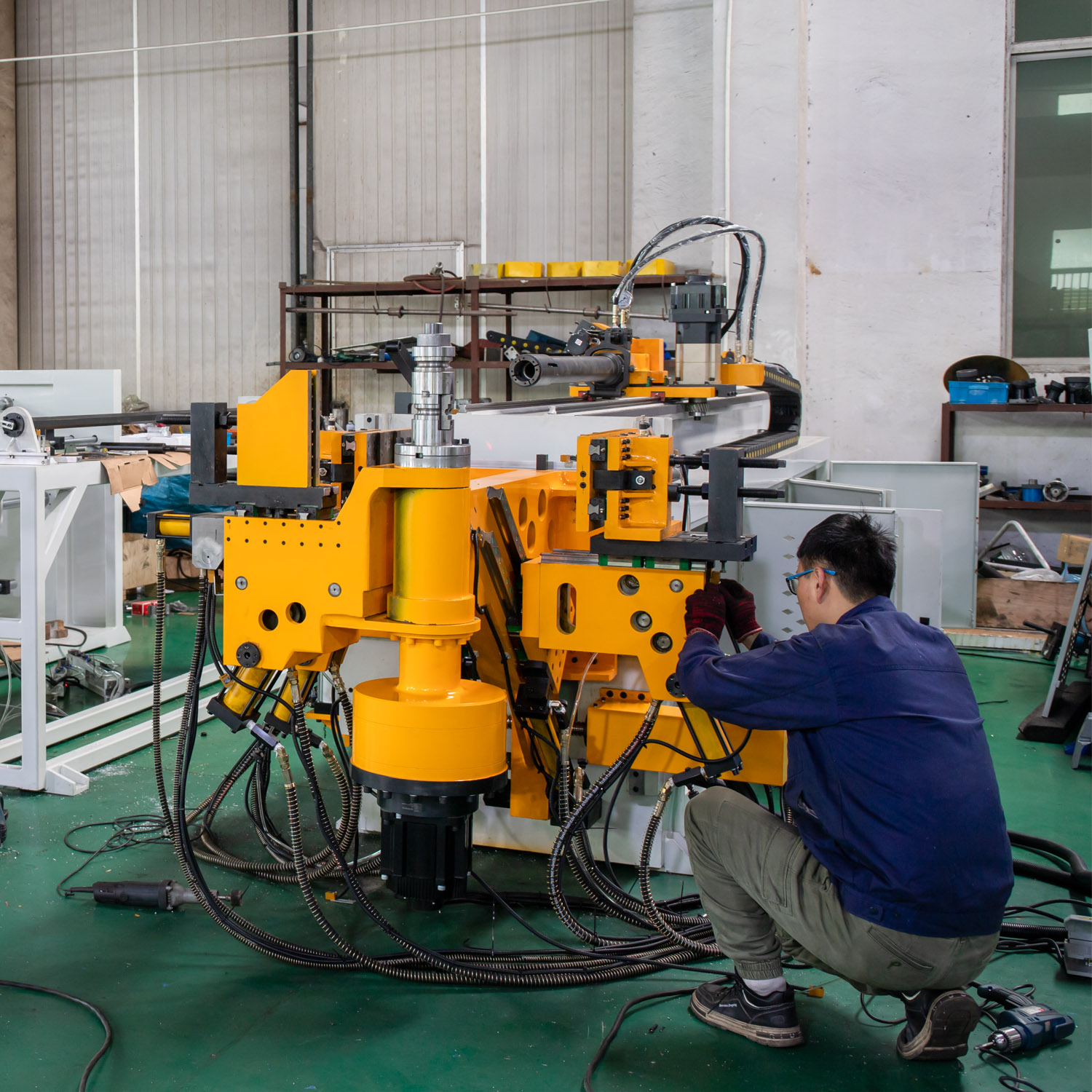
Key Specifications to Consider When Sourcing Electric Conduit Benders
When sourcing electric conduit bender, several specifications should be front of mind. Key specifications include:
Bending Capacity: This defines the maximum size of the conduit the machine can handle. Verify the sizes your projects require and ensure the bender's specifications meet these needs.
Bending Angle: Confirm the bender can achieve the angles you need for your installations. Most conduit bender machine can handle common angles, but specialized projects may require custom angles.
Motor Power: The power of the motor will affect the speed and efficiency of the bender. Higher power ratings generally indicate faster operation, which is crucial for high-volume needs.
Control System: Look for benders with advanced control systems that allow for precise angle adjustments and programmable settings for repetitive tasks. This can significantly cut down on setup time and enhance accuracy.
Safety Features: Ensure the bender is equipped with safety features such as emergency stop buttons and protective guards to safeguard operators during use.
Build Quality: The materials used in the bender's construction impact its longevity and performance. Heavy-duty steel frames and high-quality components will withstand the rigors of continuous use.
By paying attention to these specifications, buyers can ensure they select an electric conduit bender that meets their operational needs and minimizes future maintenance issues.