EN
EN

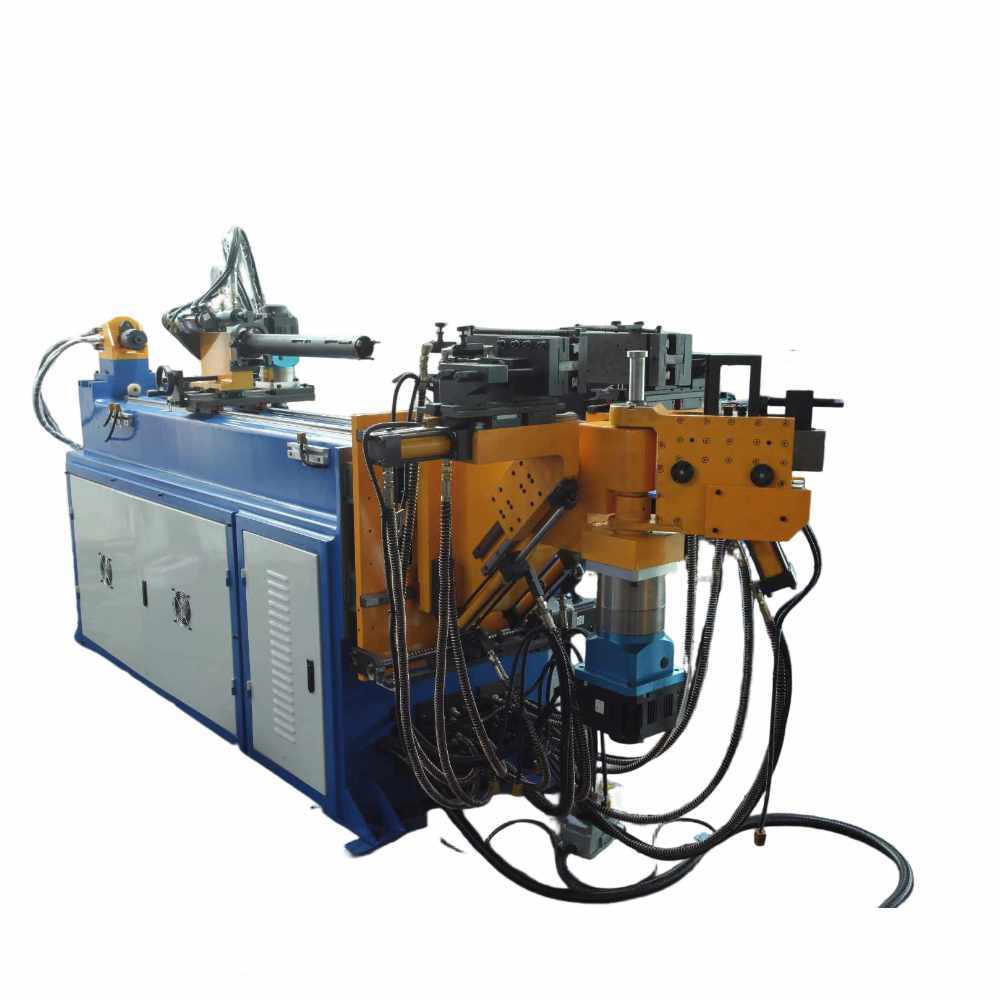
When considering a pipe bending machine for your manufacturing processes, understanding the intricacies of these machines is crucial. Pipe bending machines are specialized equipment designed to shape and form pipes into various angles and curves, a vital process in industries such as automotive, aerospace, construction, and plumbing. Buyers often seek reliable suppliers, optimal pricing, and advanced technology to ensure the pipe bending equipment meets their specific production needs. This article will help you navigate the key considerations in sourcing, purchasing pipe bending machines, and optimizing the use of pipe bending machines.
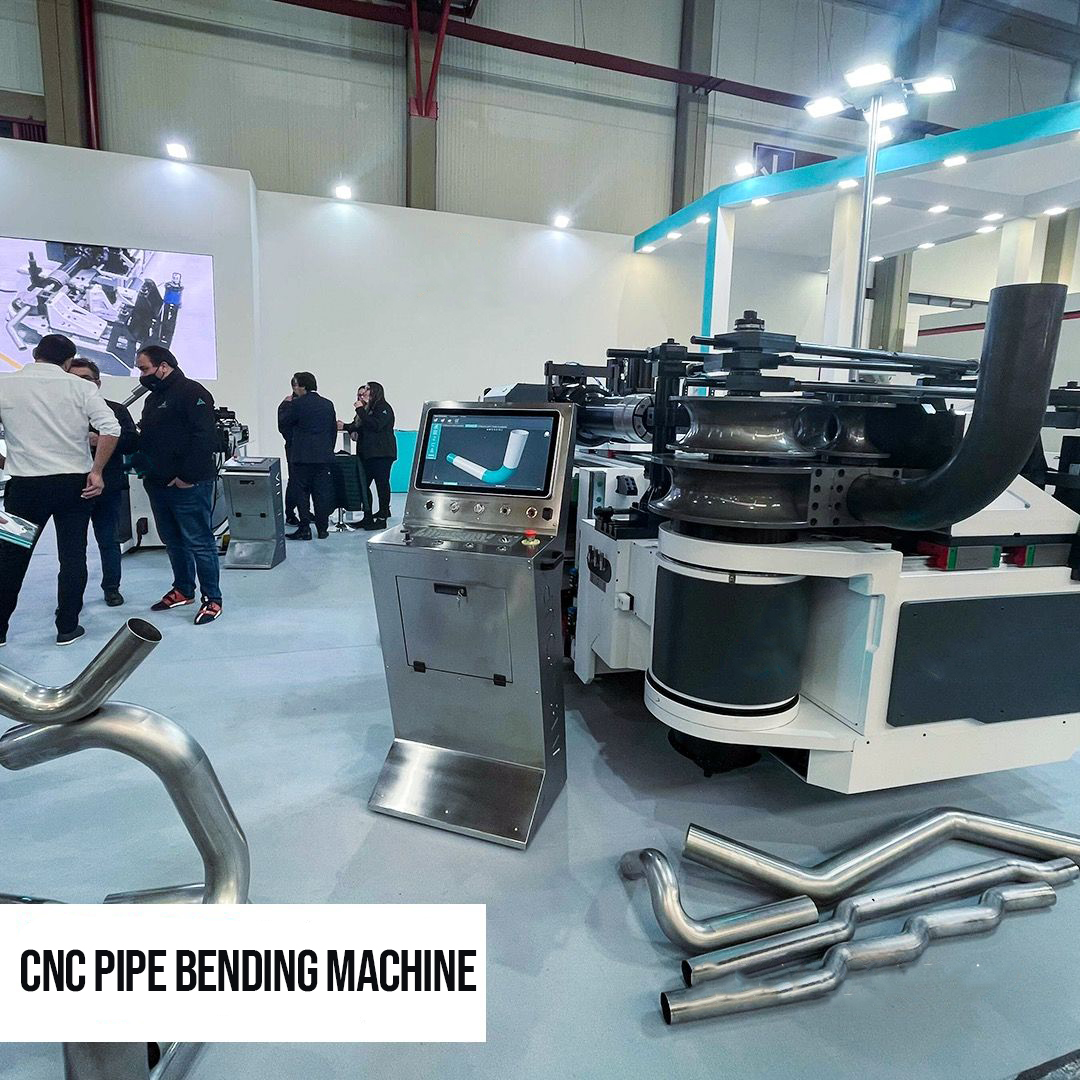
Cost Factors to Consider When Purchasing Pipe Bending Machines
The cost of a pipe bending machine can vary significantly based on several factors. Key cost considerations include:
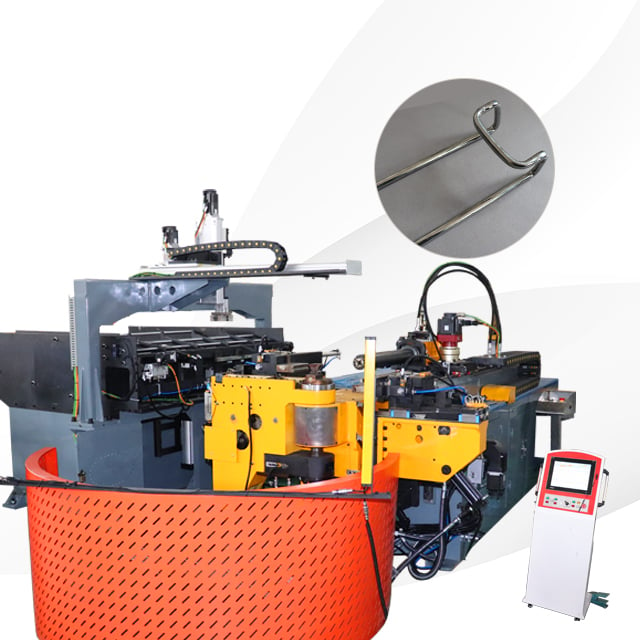
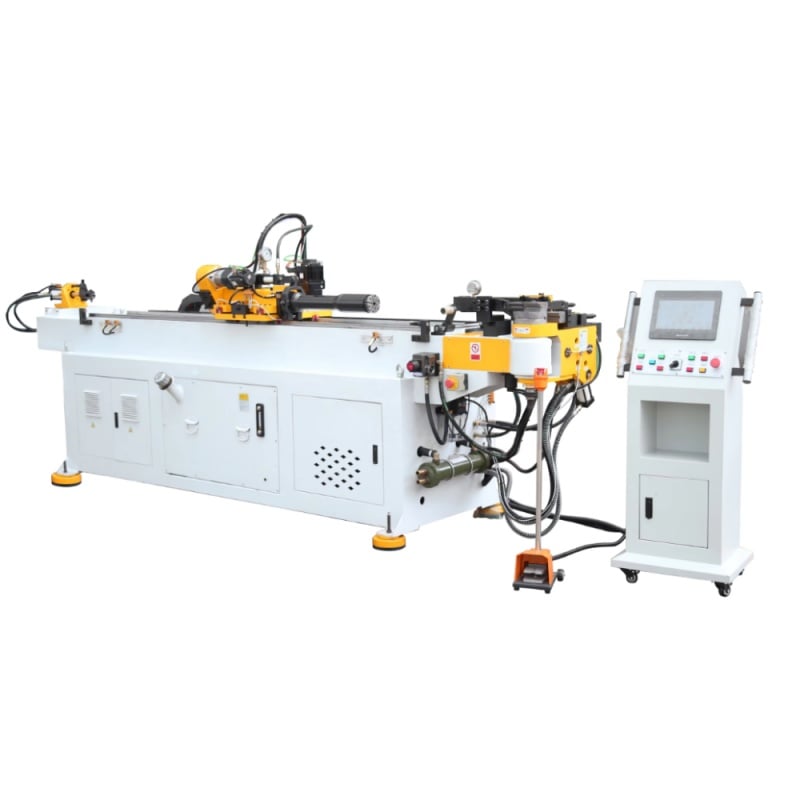
Machine Type: Different types of machines, such as manual, semi-automatic, and fully automatic, come with varying price tags. Fully automated machines typically have a higher upfront cost but can offer greater efficiency and lower labor costs in the long run.
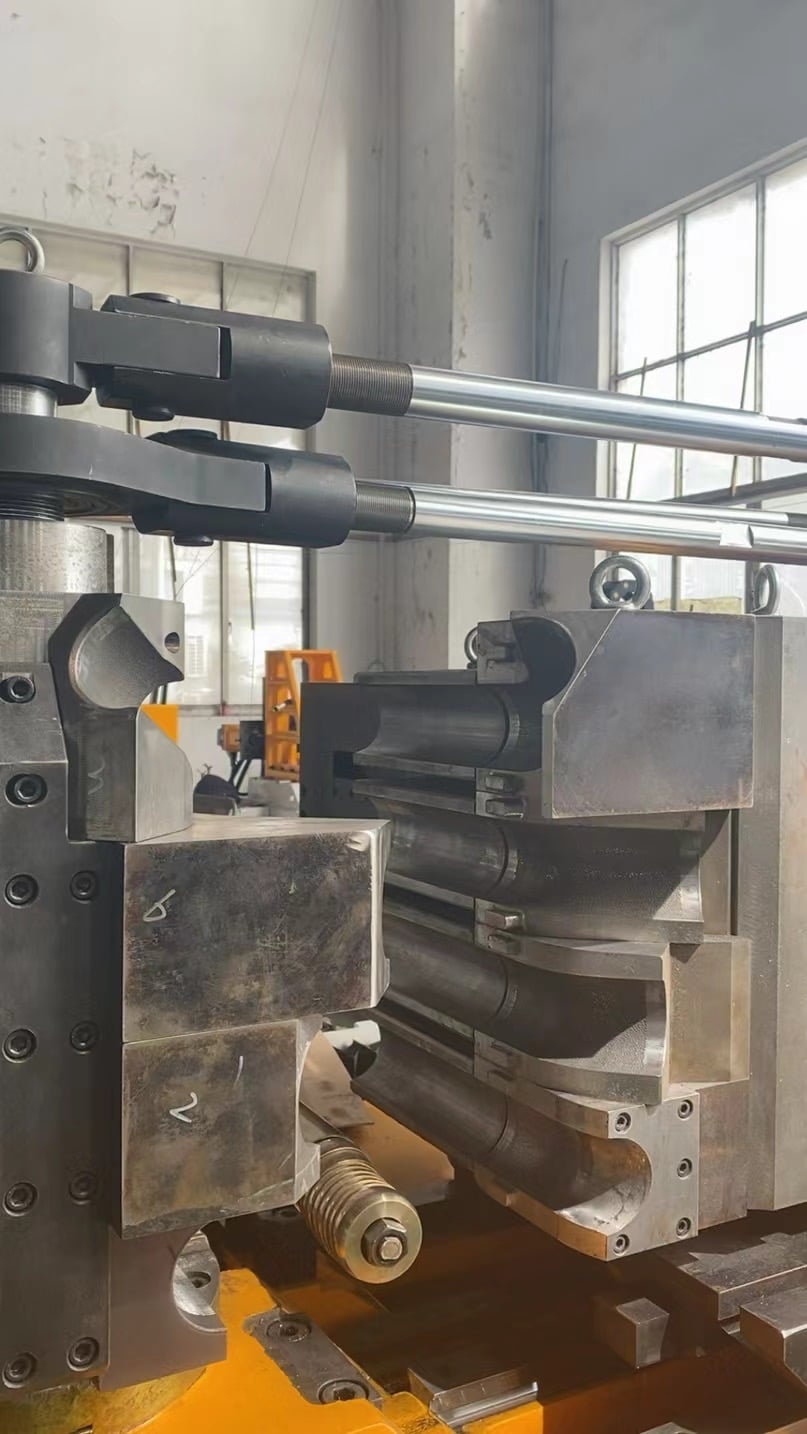
Specifications and Features: The capabilities of the pipe bending equipment, including the bending radius, thickness of the pipes it can handle, and the types of materials it can process, will influence pricing. Advanced features like CNC controls, 3D simulation software, and integration capabilities with existing production lines may also add to the cost.
Customization: Custom-built machines tailored to specific applications or production requirements can incur additional expenses. Ensure you discuss your needs thoroughly with the manufacturer to understand how customization impacts pricing.
Maintenance and Operating Costs: Consider not just the purchase price but also the long-term costs associated with maintenance, energy consumption, and potential downtime.
Lead Time and Delivery: Longer lead times may increase costs due to storage and logistics. Confirm delivery timelines with your supplier to avoid unexpected expenses.