EN
EN

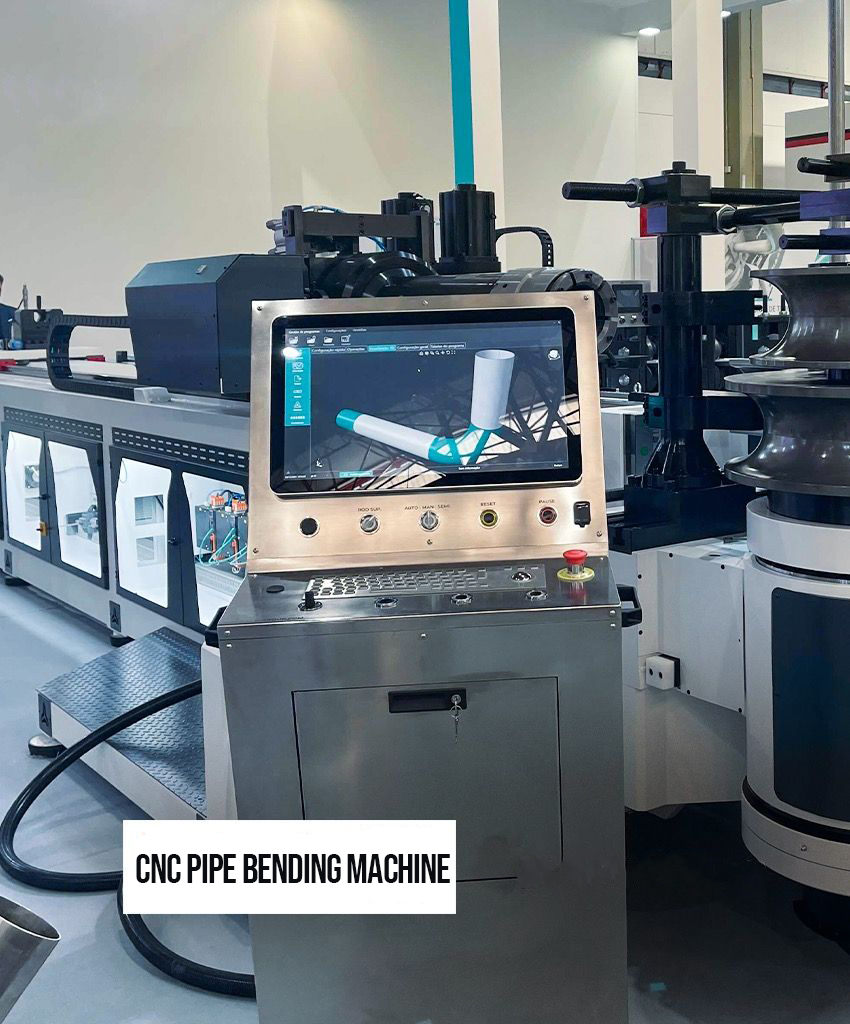
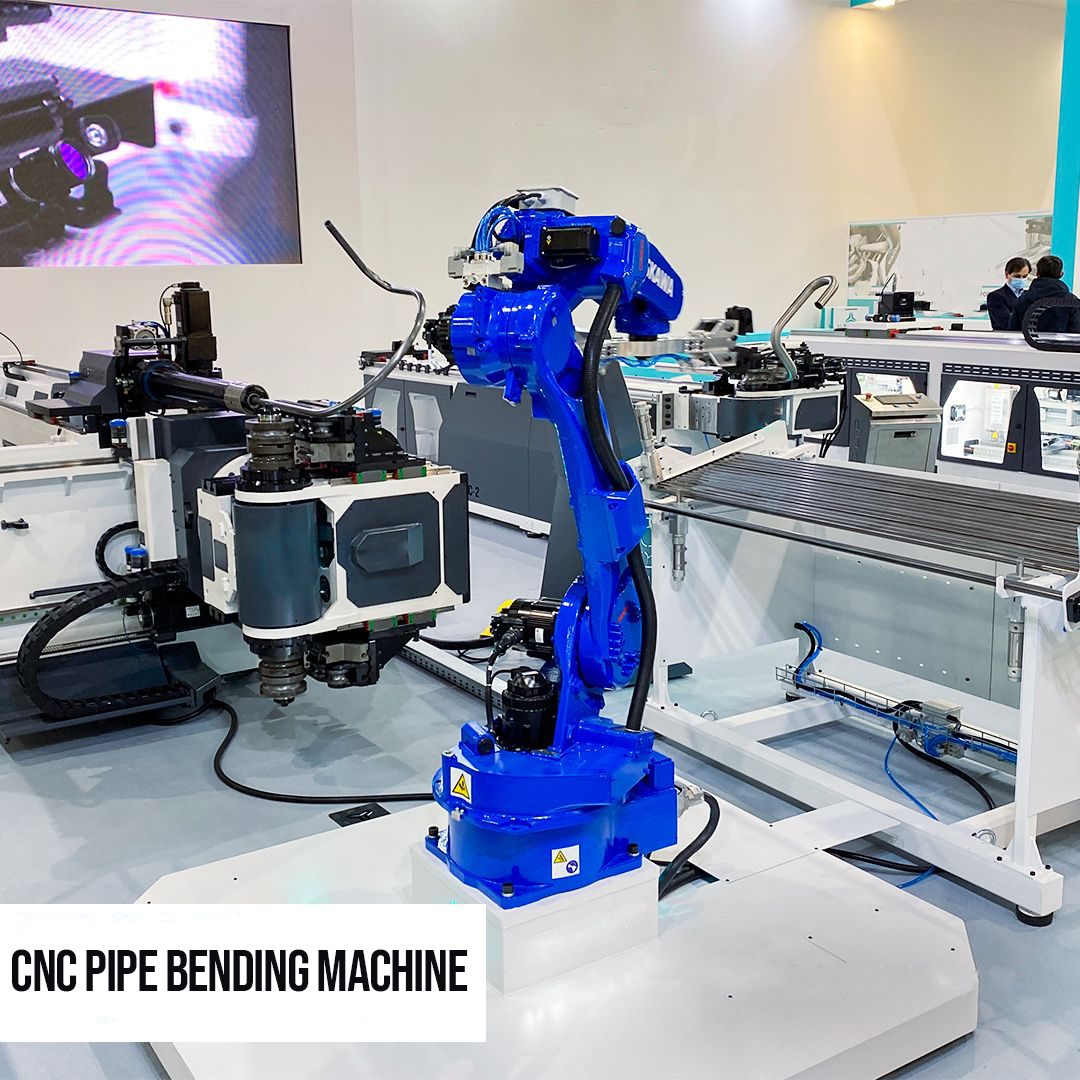
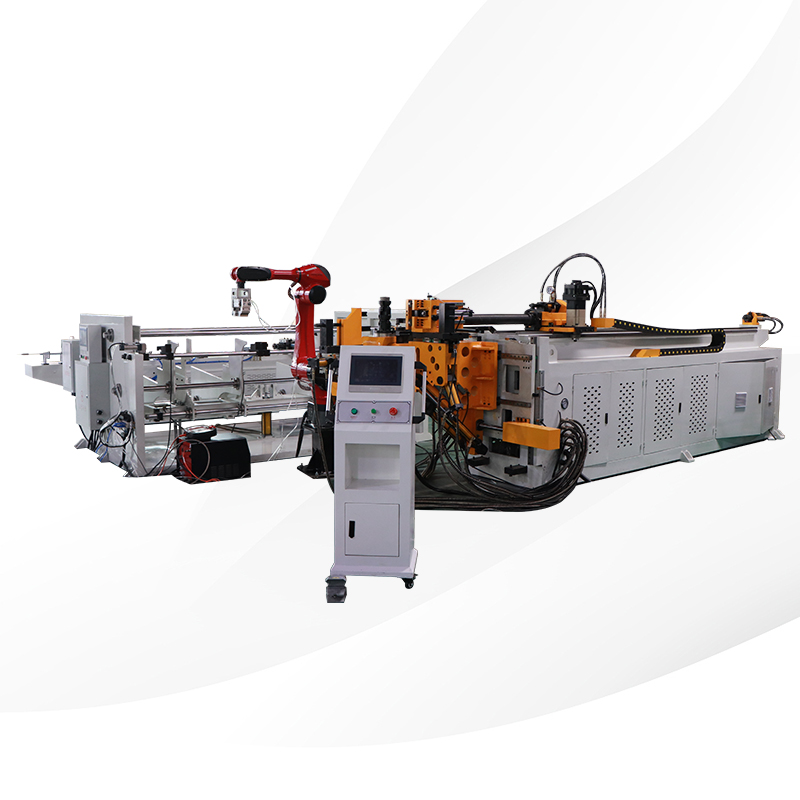
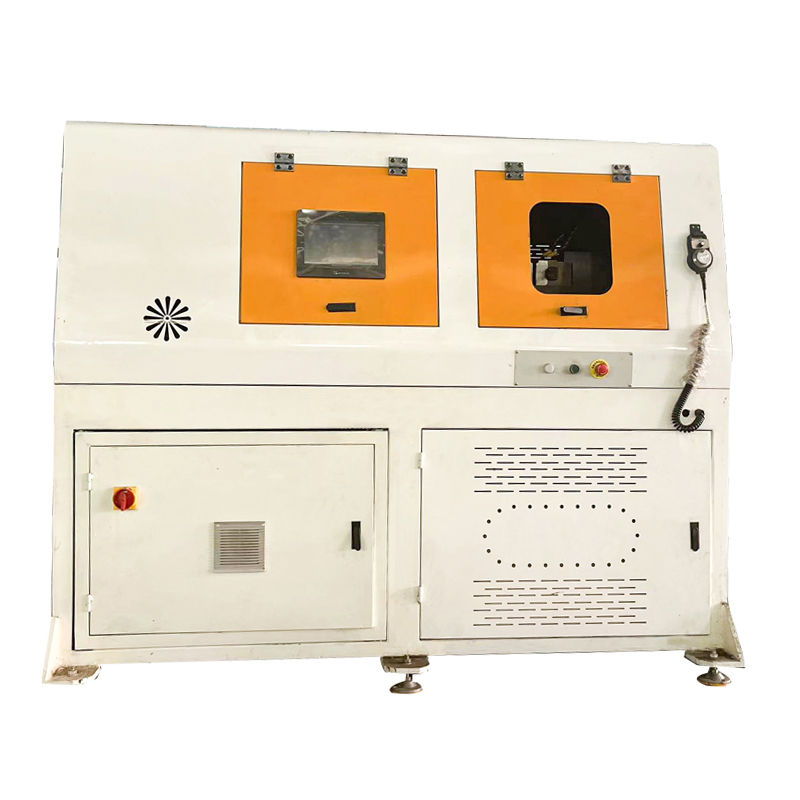
Choosing the right pipe bending solutions is essential for any project involving tube processing. Whether you are in manufacturing, construction, or another industrial sector, pipe bending machinery plays a crucial role in ensuring precision and efficiency. This article will guide you through the key considerations for selecting pipe bending machines, understanding cost factors, indicators of quality, installation guidance, and common problems in pipe bending that may arise during operation. By the end of this article, you’ll be better equipped to make informed decisions that meet your project needs.
Understanding the Cost Factors in Bulk Orders of Pipe Bending Machines
When purchasing pipe bending machines, especially in bulk, understanding the associated costs is vital. Key factors influencing pricing include machine specifications, manufacturing capabilities, and additional features such as automation and customization options.
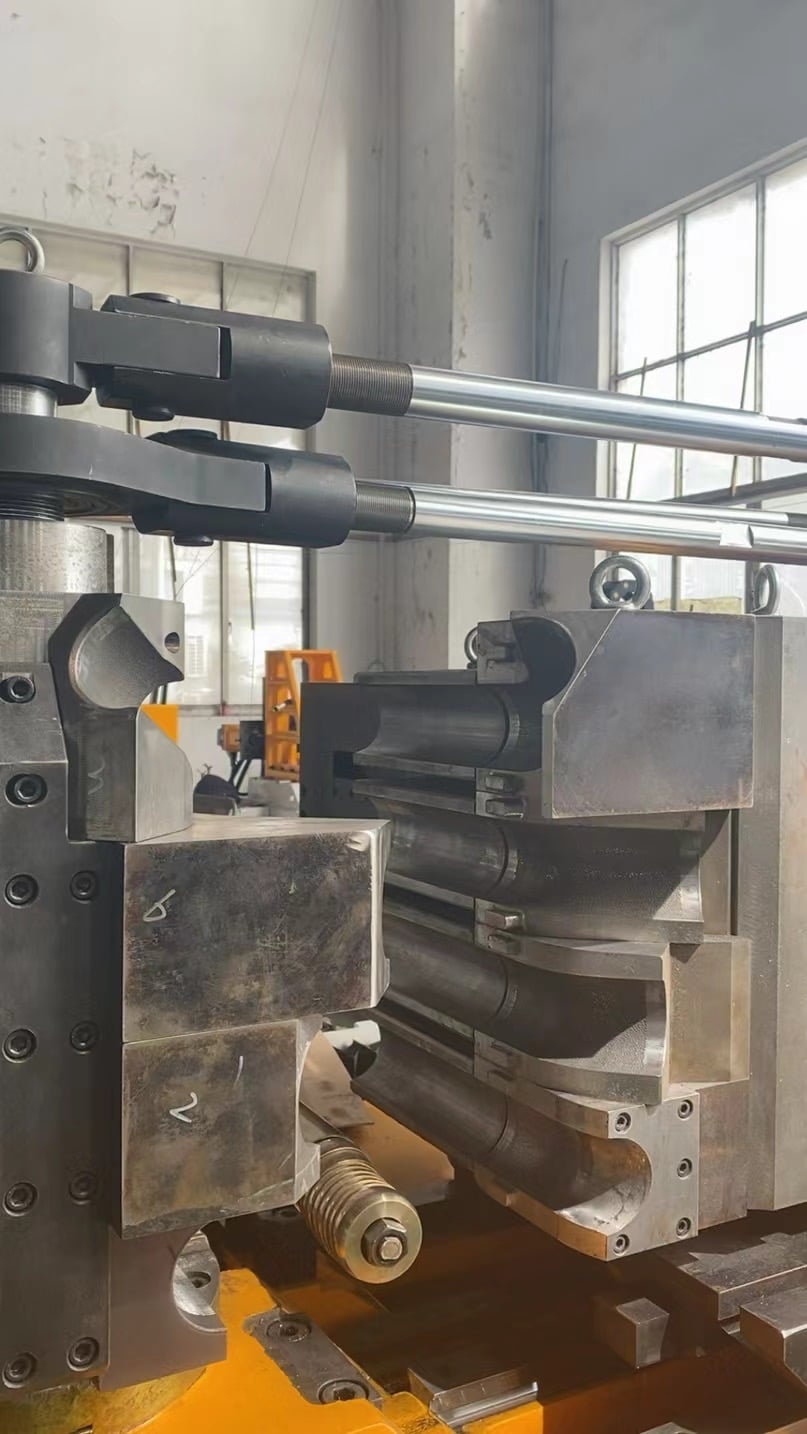
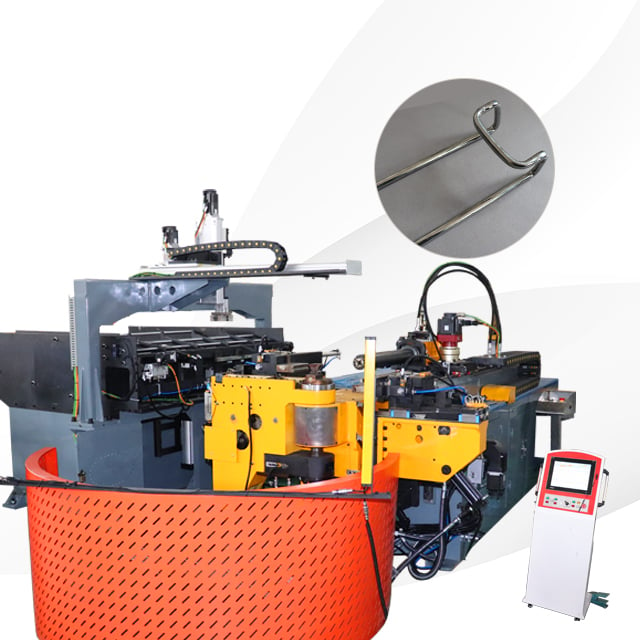
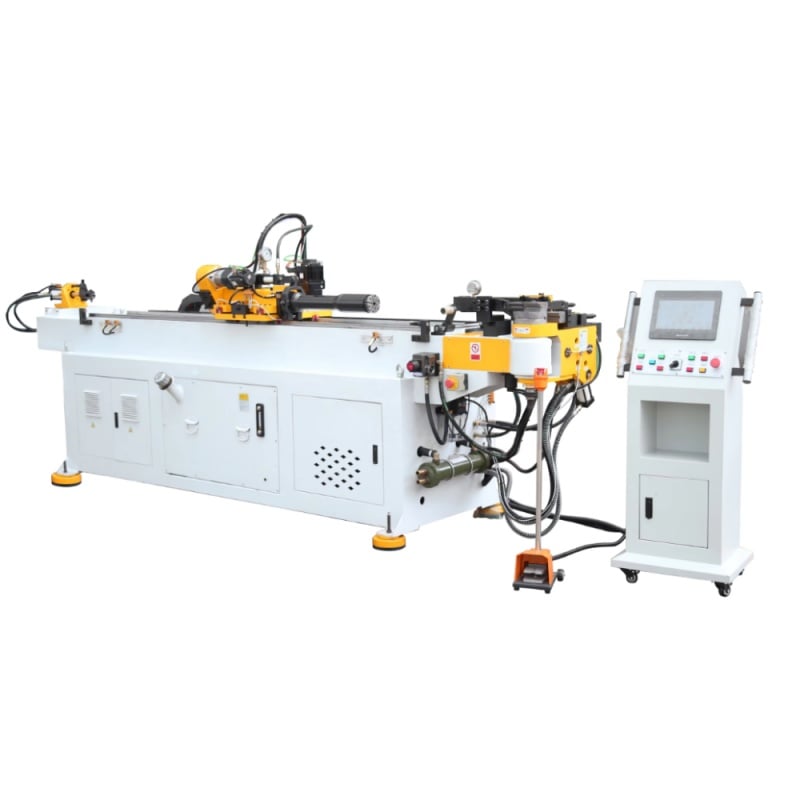
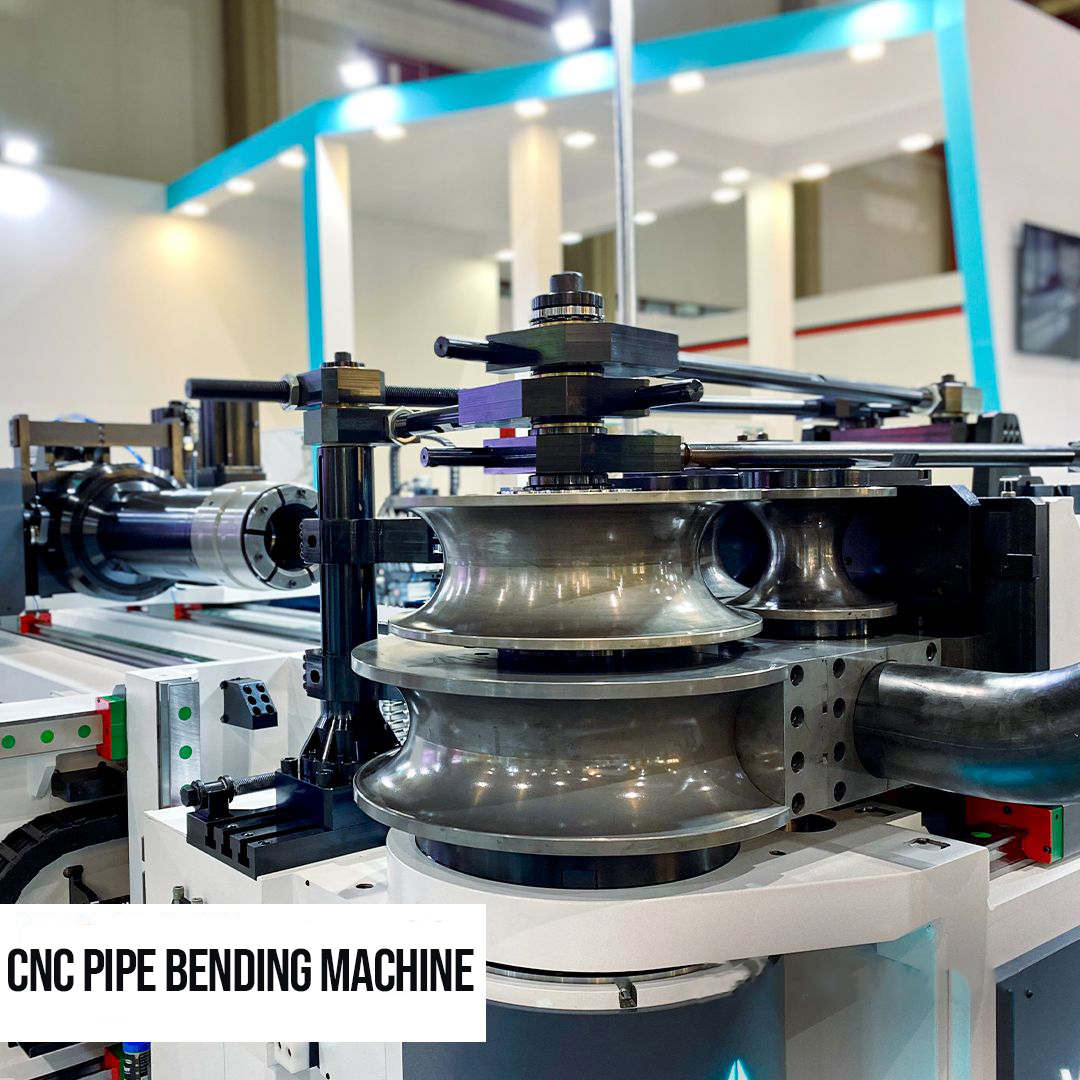
The base price of a pipe bending machines will depend on its specifications, including the maximum bending radius, the material it can handle, and the complexity of the pipe bending machines processes it can perform. The pipe bending machines designed for more intricate bends or made from higher-grade materials will generally be more expensive.
Furthermore, consider the total cost of ownership, which includes maintenance, operational costs, and potential downtime. Investing in a high-quality machine may have a higher upfront cost but could result in lower maintenance expenses and longer operational lifespan, ultimately providing better value over time.
Finally, inquire about minimum order quantities (MOQ) and how they affect pricing. Bulk orders may offer discounts, but ensure you assess your needs to avoid over-purchasing.