EN
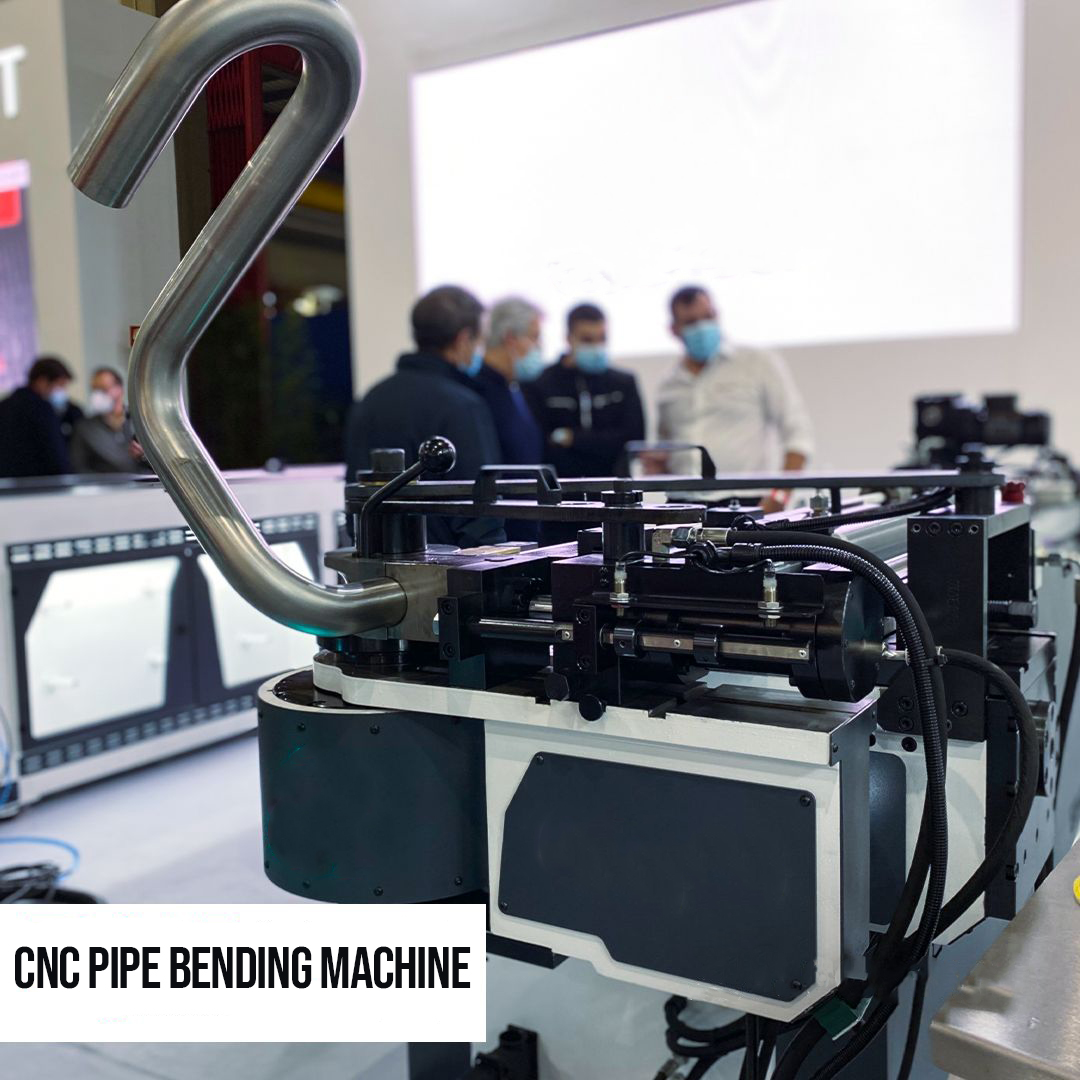
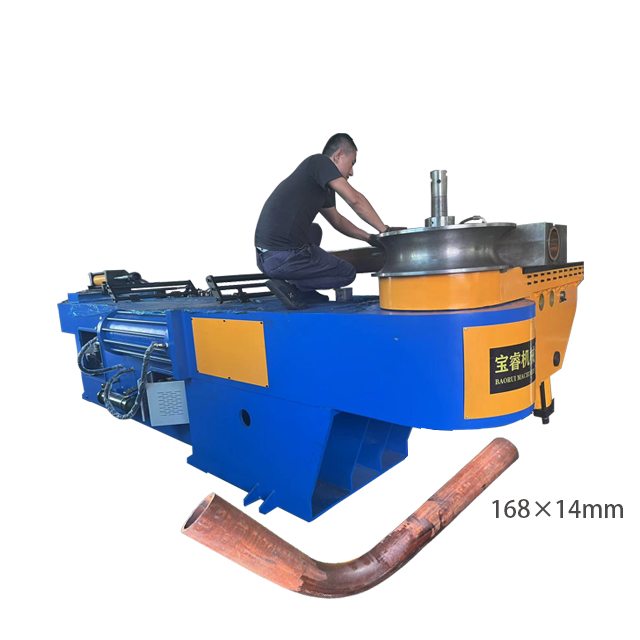
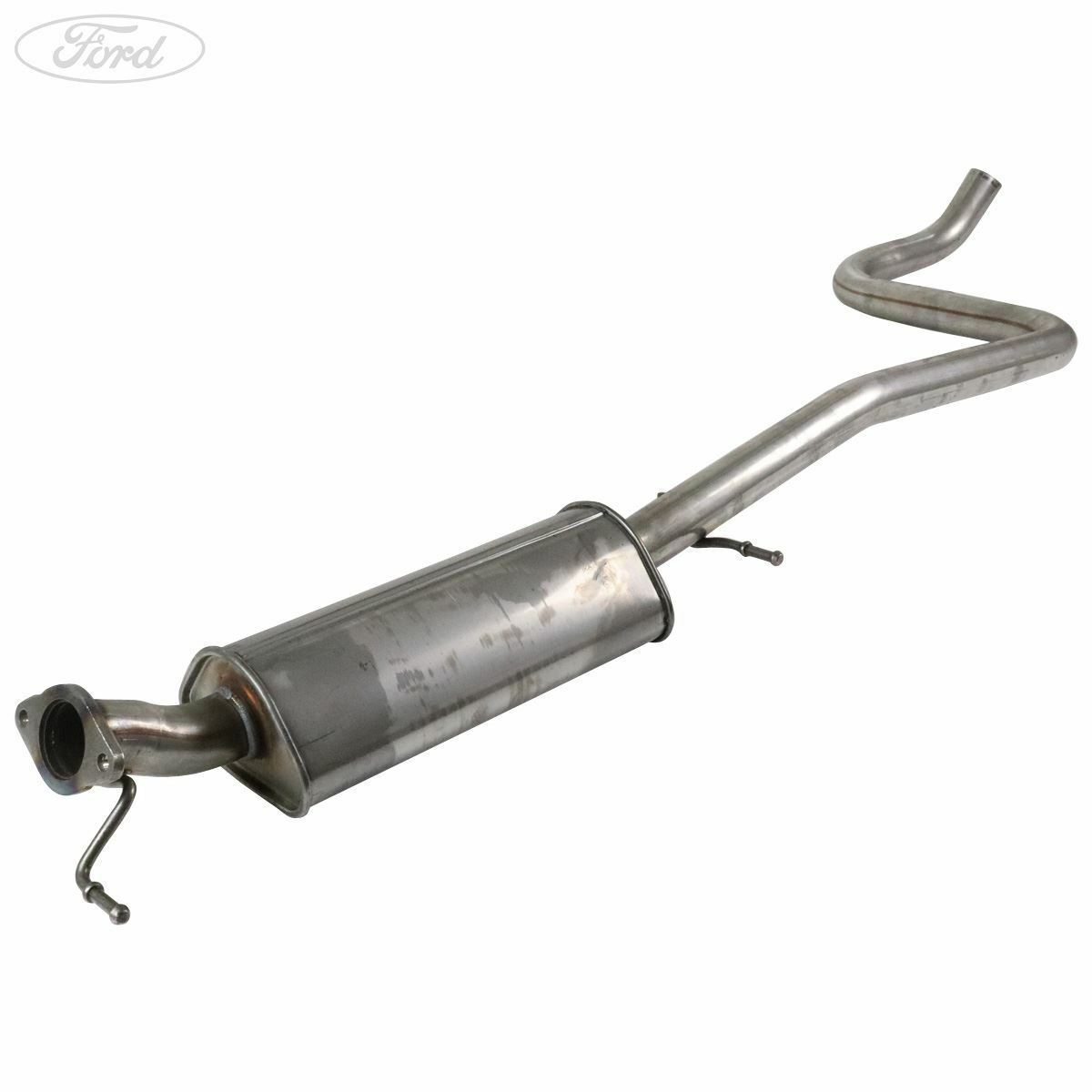
Hydraulic pipe bending is a critical process in various industries, enabling the creation of precisely shaped pipes for applications ranging from automotive to construction. As a purchasing manager or engineer, understanding the intricacies of hydraulic pipe bending equipment is essential for making informed decisions. This article will address key concerns such as quality assurance processes, supplier reliability, cost factors, common issues, and best practices to enhance your operations.
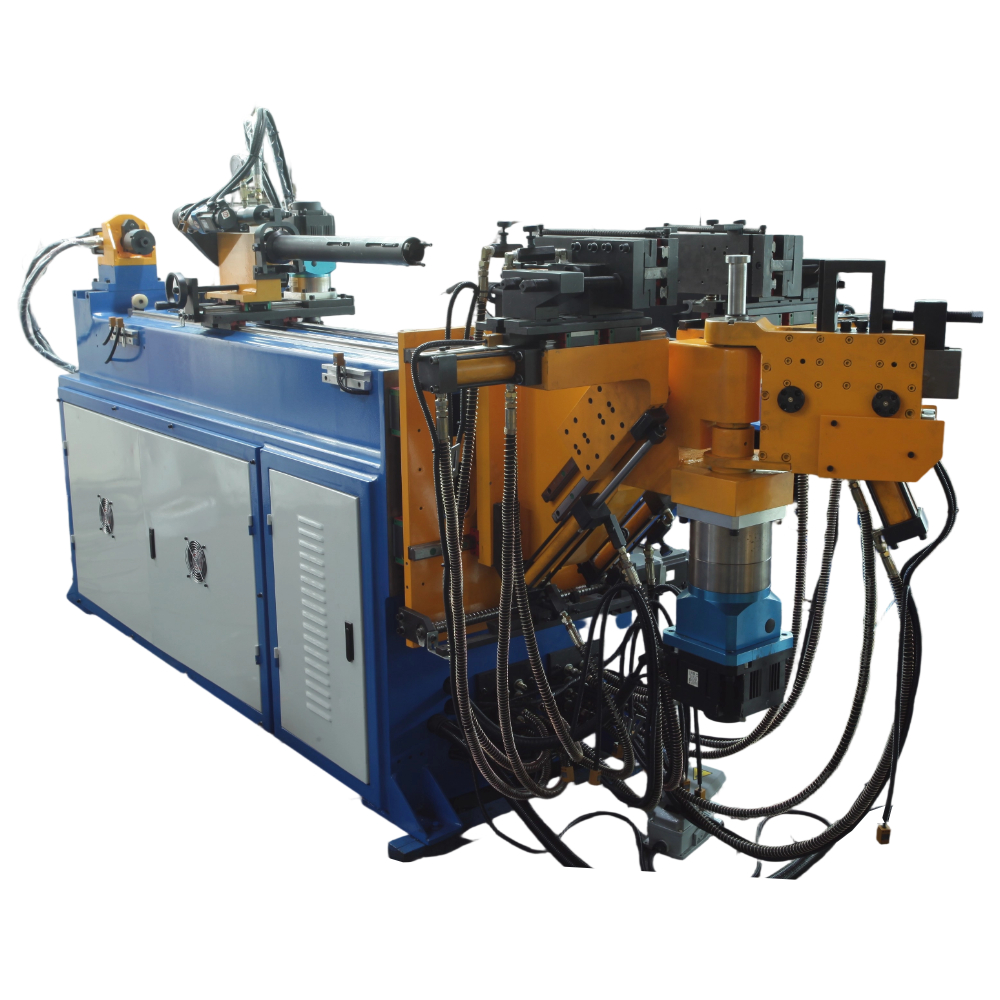
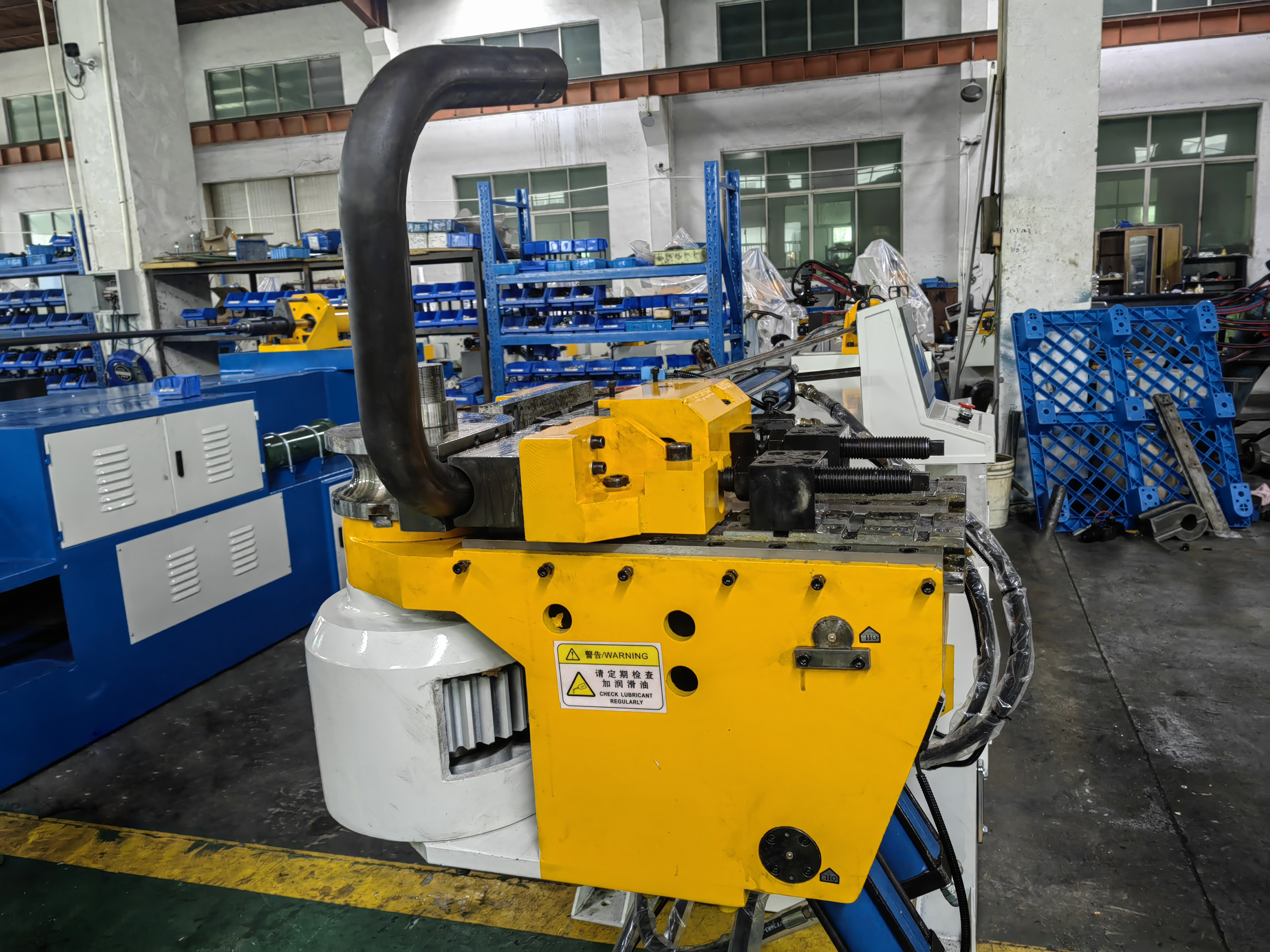
Where to Find Reliable Suppliers for Hydraulic Pipe Bending Equipment
Finding a reliable supplier for hydraulic pipe bending equipment requires careful consideration. Start by researching manufacturers with a proven track record in the industry. Look for reliable suppliers that specialize in tube processing equipment and have experience with customized solutions.
Online marketplaces, industry trade shows, and professional networks can provide valuable leads. Additionally, assess suppliers based on their production capabilities, such as the use of advanced technologies and automation in their processes. Certifications, such as ISO 9001, can also be indicative of a commitment to quality and continuous improvement.
Once you have a shortlist, reach out to potential suppliers and inquire about their customization capabilities, lead times, and minimum order quantities (MOQ). Requesting references or case studies can further validate their reliability and customer service.