 EN
EN

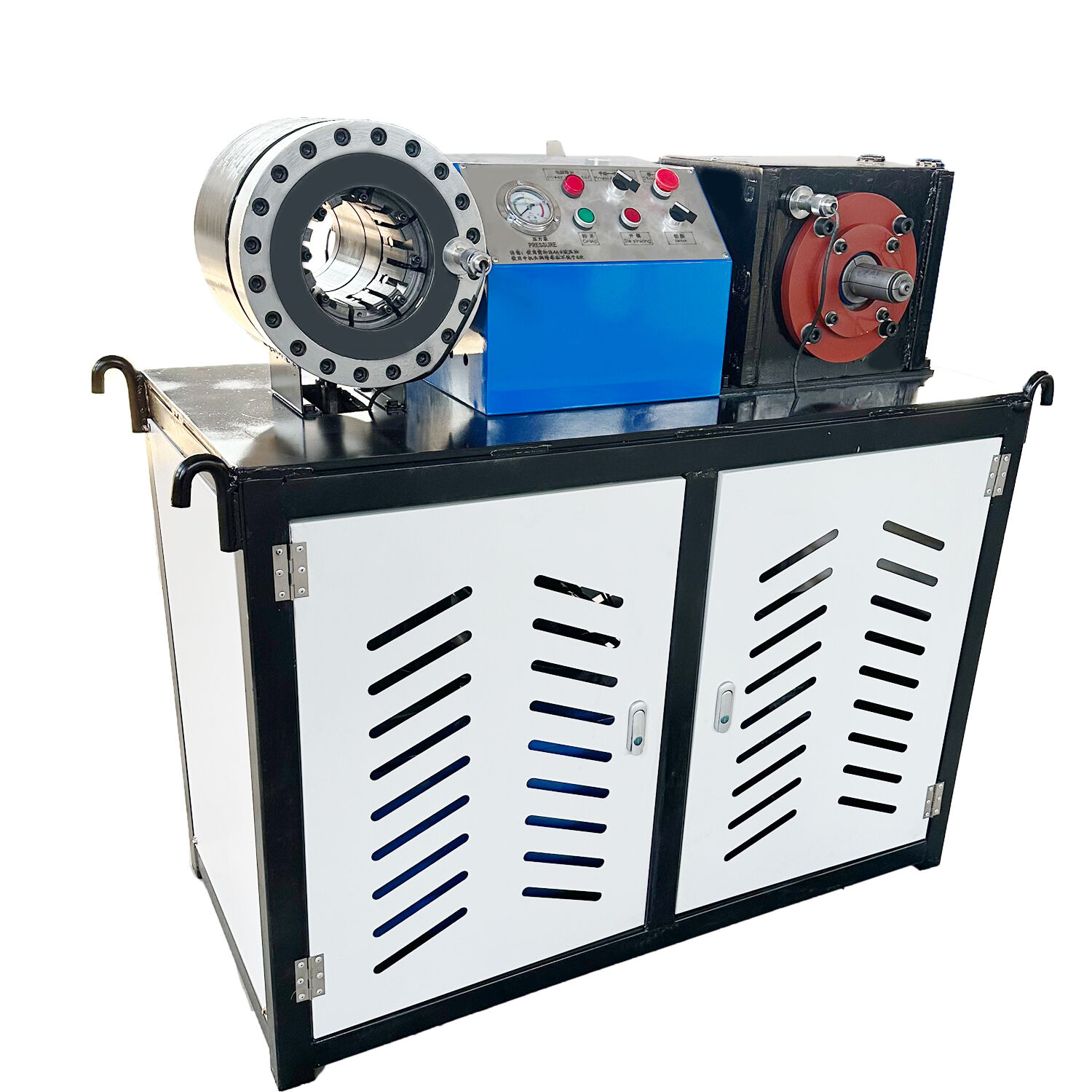
In the processing of metal pipes such as automotive oil pipes, engineering machinery pipe fittings, and new energy battery casings, pipe end expansion and shrinking is a core process.
Traditional separate-machine processing methods suffer from fragmented processes, heavy reliance on manual labor, unstable precision, high equipment investment, low production efficiency, and significant waste, becoming a bottleneck for the industry to improve quality and efficiency. The integrated pipe expansion and shrinking machine, with its multi-functionality, precise control, and intelligent adaptability, achieves comprehensive efficiency transformation, driving the industry's transformation from extensive production to lean manufacturing.
The benefits of the integrated machine are primarily reflected in a significant leap in production efficiency. Traditional separate processing requires multiple loading and unloading operations, as well as transfer and positioning, resulting in a high degree of manual assistance and limited production pace. The integrated machine, however, combines two processes into a single workstation, coupled with a fully automated workflow and visual operation, enabling unmanned continuous processing and a substantial increase in efficiency compared to traditional methods. Its quick-change mold system significantly reduces specification changeover time, far exceeding that of traditional equipment. In multi-specification, small-batch production, effective time utilization is significantly improved, breaking the capacity constraint of "high efficiency only in large batches."
The most direct benefit of the all-in-one machine is its cost-effective reduction. On the equipment side, a single all-in-one machine can replace two machines, significantly reducing procurement costs. Its modular design also noticeably lowers failure rates and maintenance costs. On the labor side, automated operation allows one person to manage multiple machines, drastically reducing labor costs and significantly shortening the training period for new workers. Regarding space and consumables, the all-in-one machine occupies less space, and its precise forming control greatly reduces pipe burn-out and raw material loss, allowing companies to save considerable raw material costs. Furthermore, the servo hydraulic system and waste heat recovery design reduce unit processing power consumption, aligning with the "dual-carbon" development requirements.