EN
EN

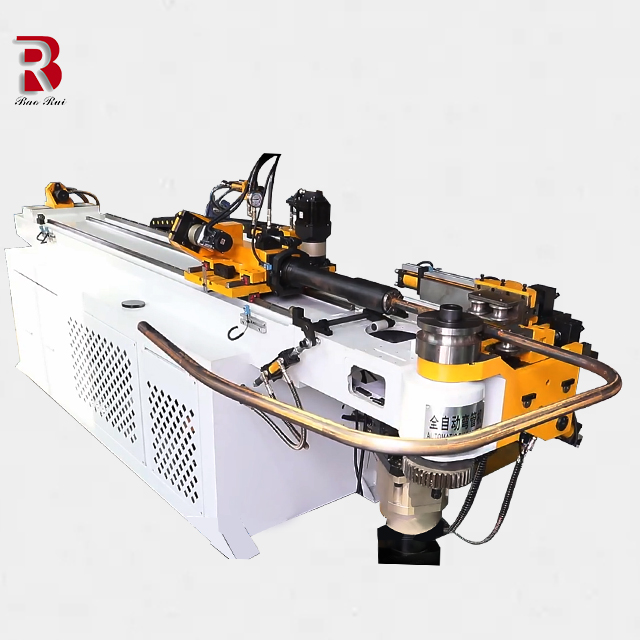
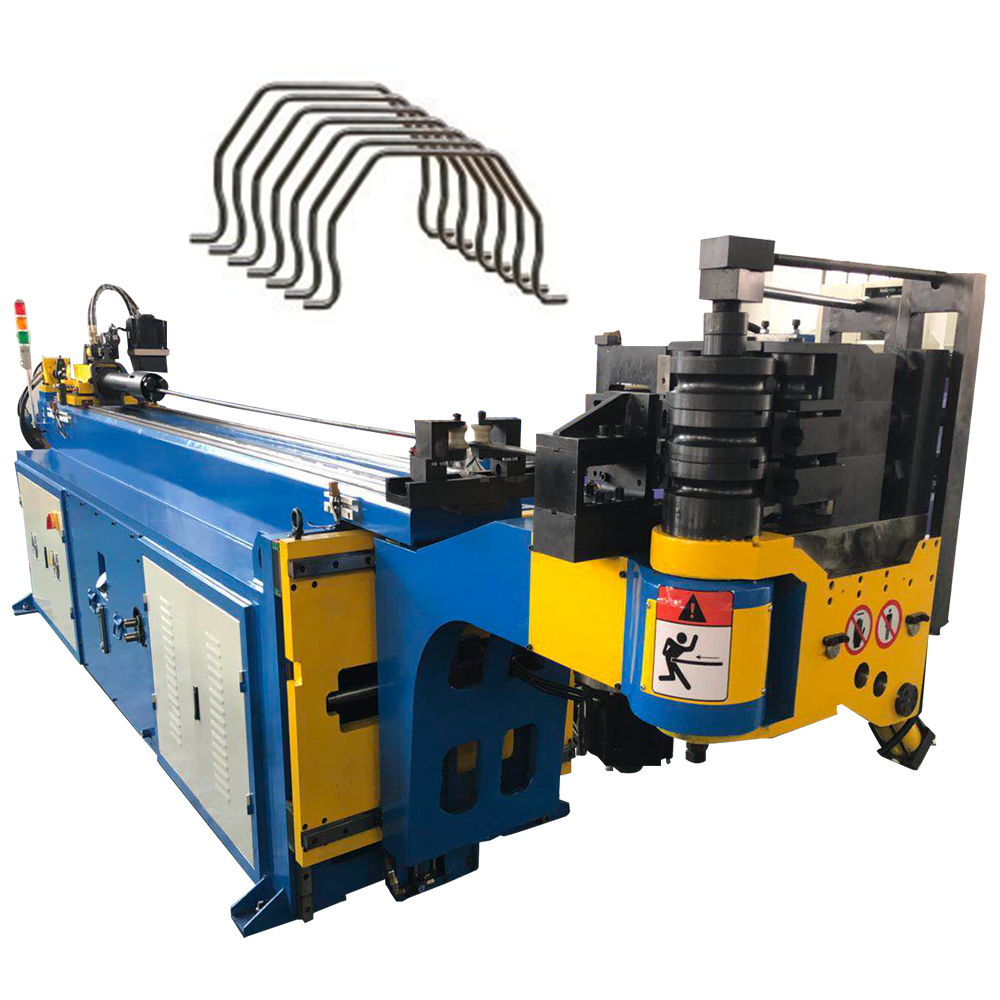
Hydraulic pipe bending machines are essential tools in various industries, designed for bending pipes and tubes with precision and efficiency. When considering a purchase, buyers often focus on specifications, installation, potential issues, and application suitability. This article will provide insights into the key specifications, installation guidance, common issues and solutions, cost factors, and the diverse applications of automatic pipe bending machine, enabling informed purchasing decisions.
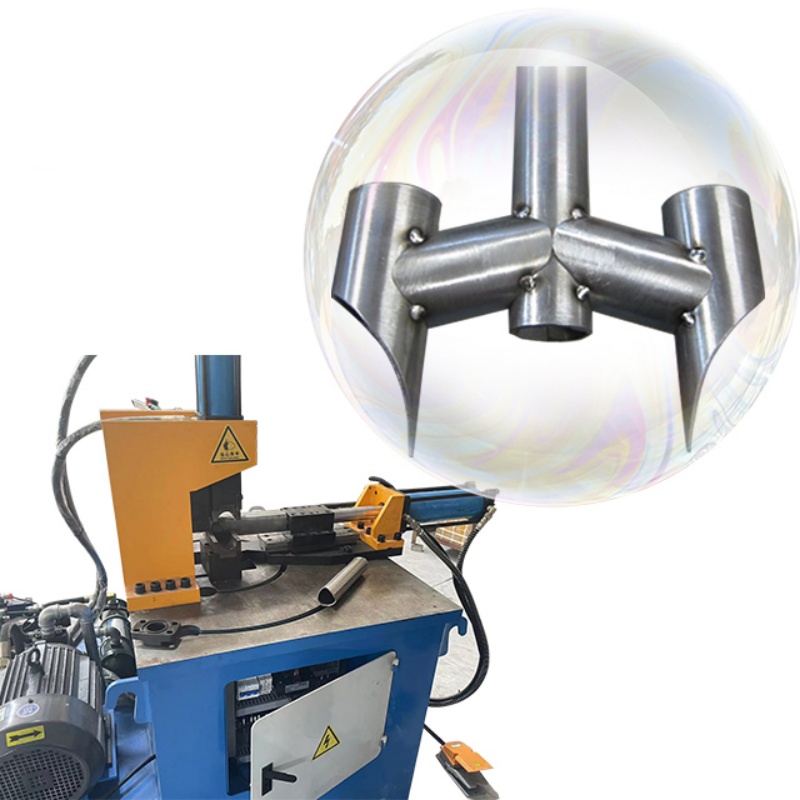
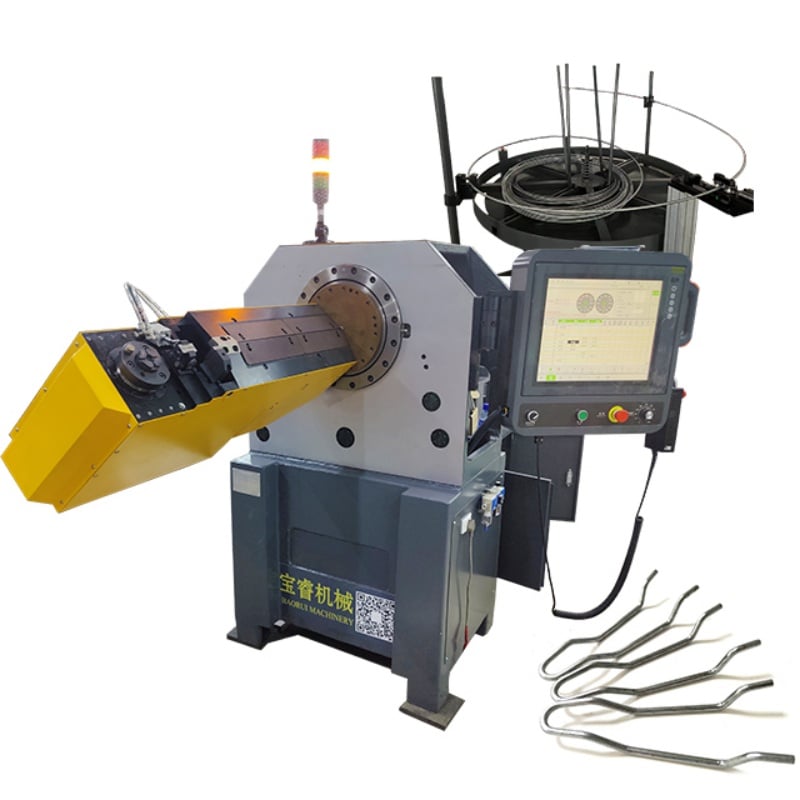
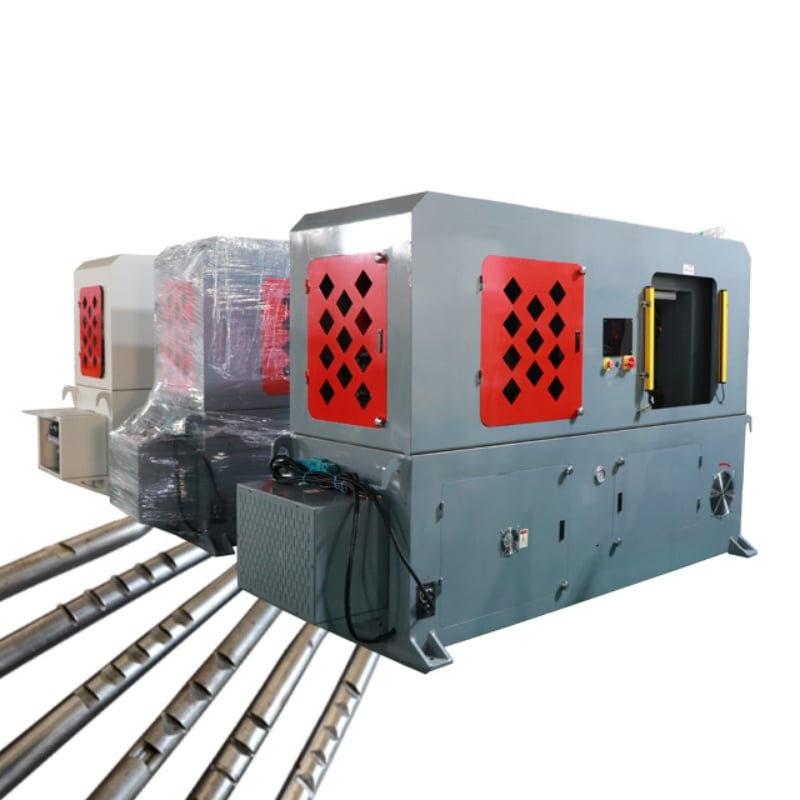
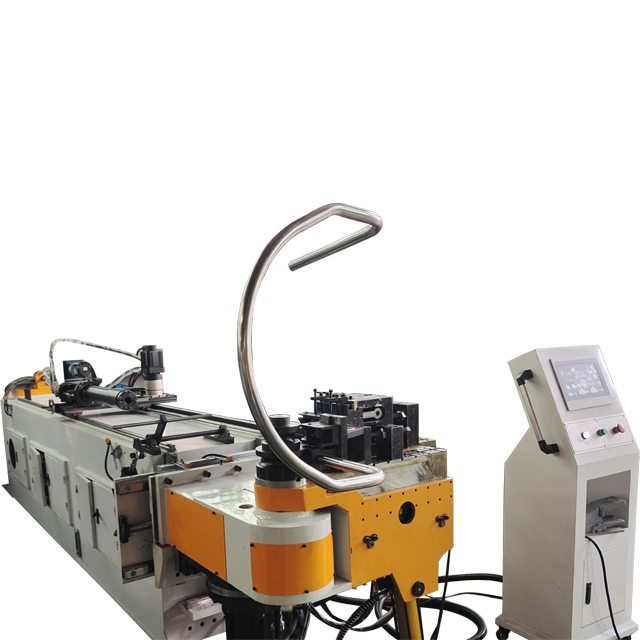
How to Install Your Hydraulic Pipe Bending Machine Correctly
Proper installation of hydraulic pipe bending machines is critical to ensure optimal performance. Initially, the machine should be positioned on a level surface to prevent operational issues. Ensure there is enough space around the ss pipe bending machine for maintenance, operation, and safety.
Next, connect the hydraulic system according to the manufacturer’s specifications. This typically involves linking hydraulic hoses and filling the system with the appropriate hydraulic fluid. It’s essential to check for leaks during this phase, as leaks can lead to operational inefficiencies and safety hazards.
After connecting the hydraulic system, electrical connections must be made, ensuring all wiring complies with local regulations. Finally, conducting a test run is recommended to verify that the machine operates correctly and to familiarize operators with its functions. Consulting the user manual during installation is advisable to address model-specific requirements and recommendations.