EN
EN

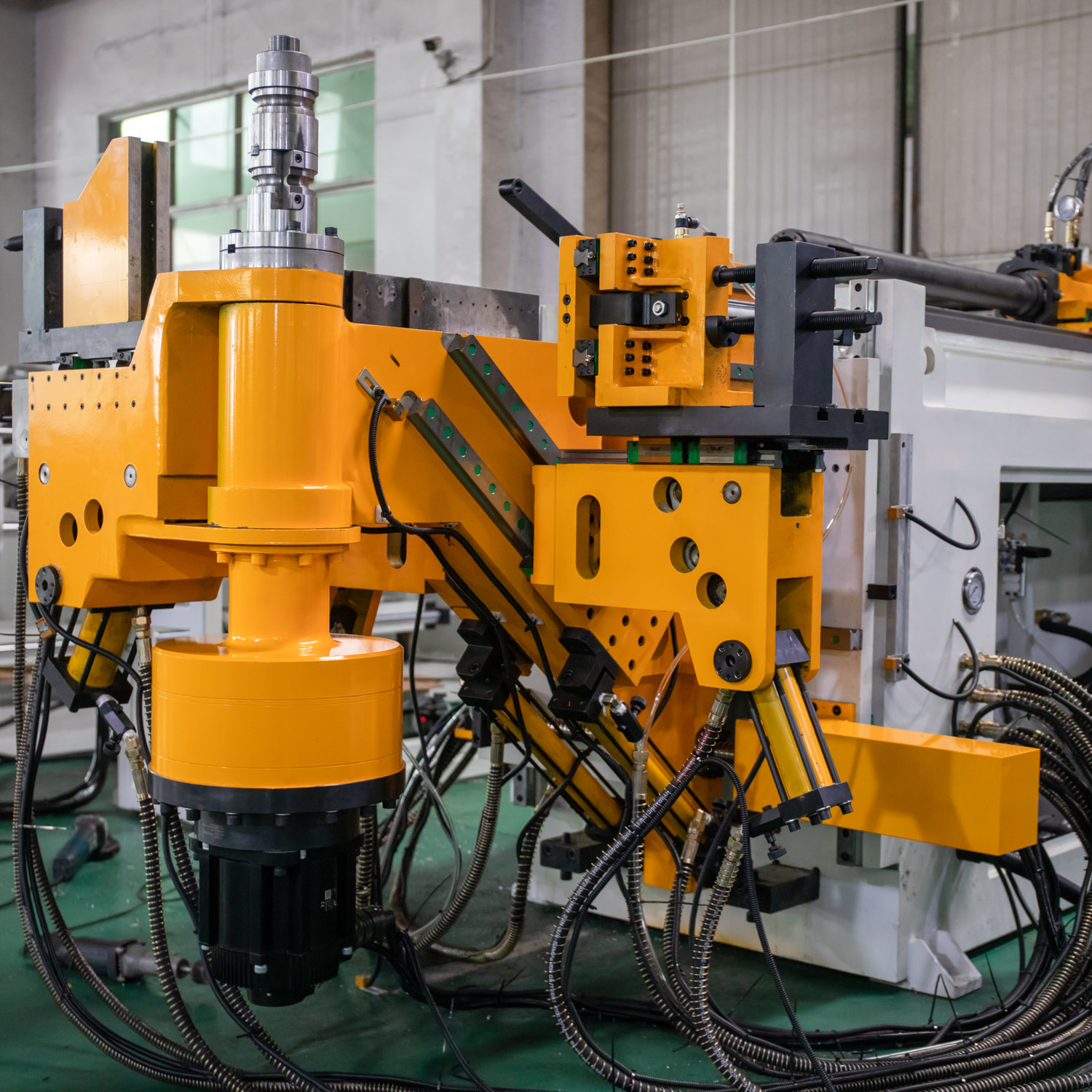
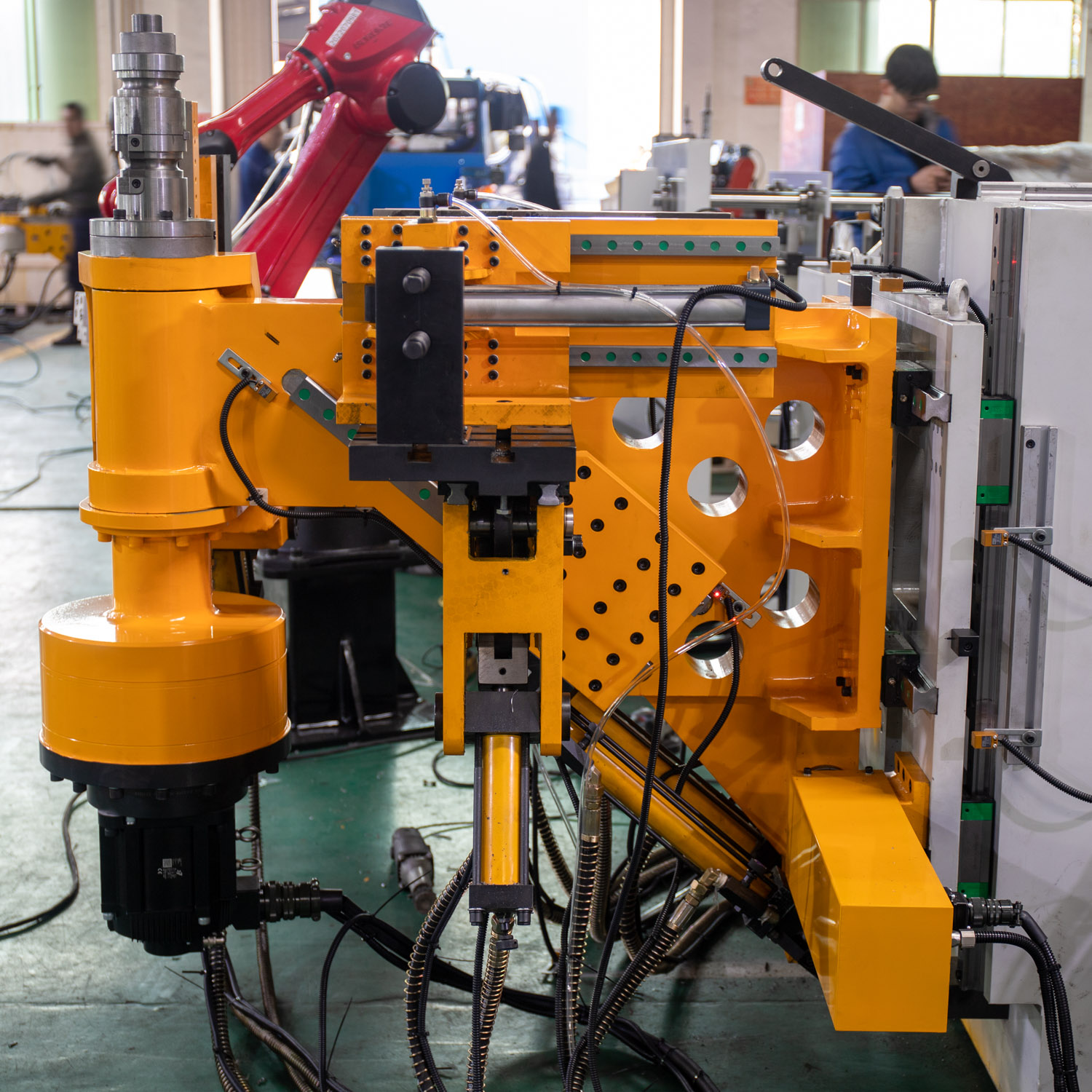
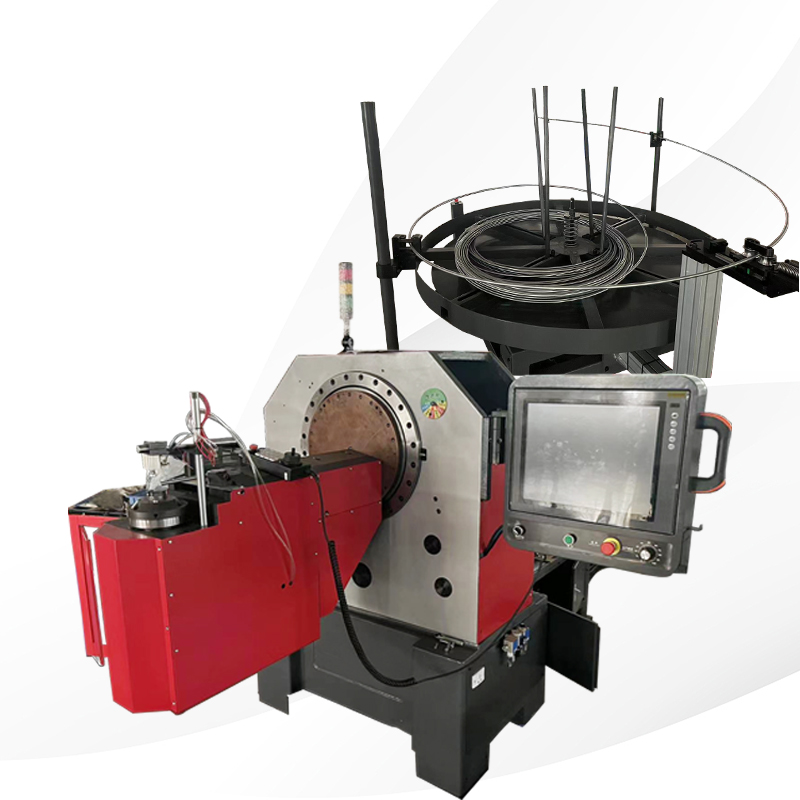
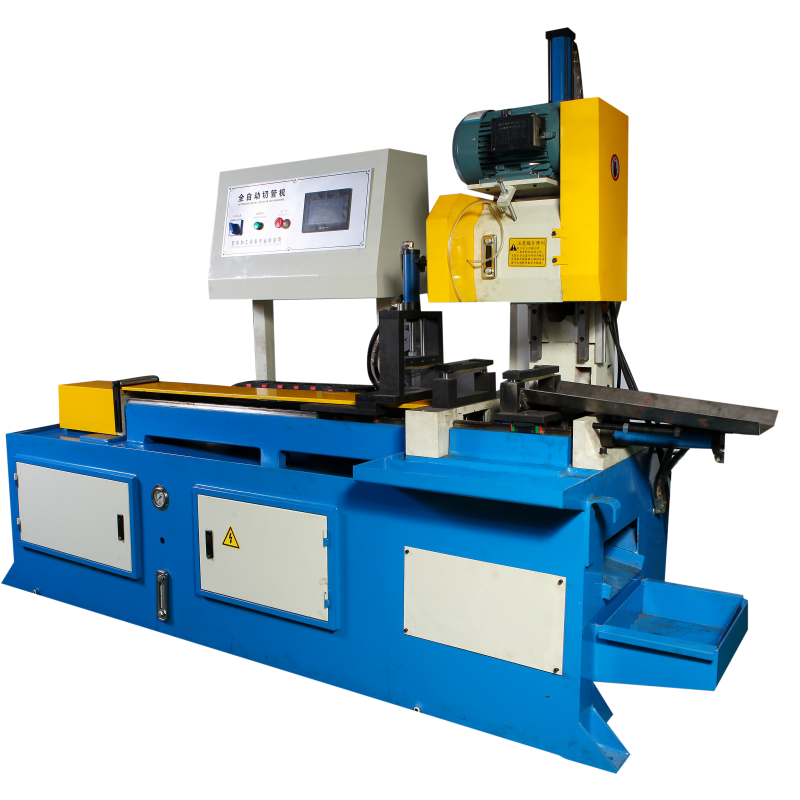
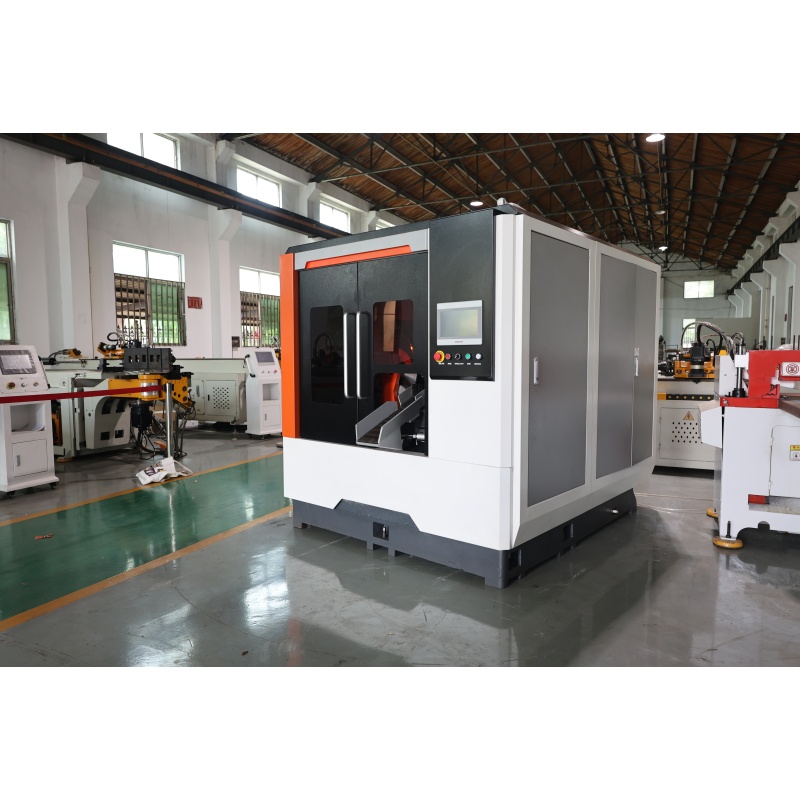
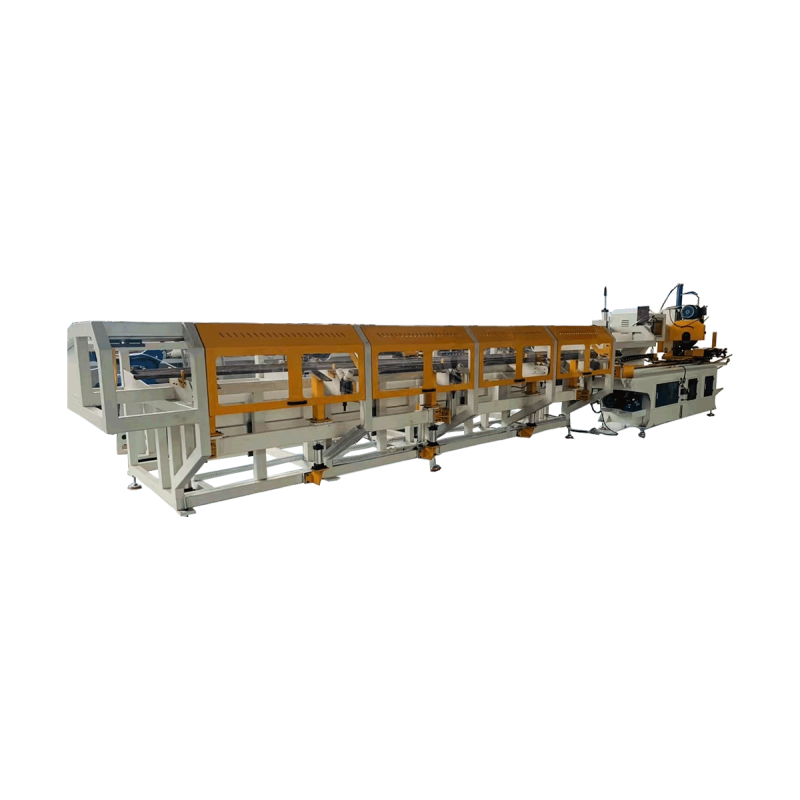
When it comes to metalworking and the fabrication of tube structures, tubing benders are essential tools that help shape and form tubes into desired angles and configurations. For B2B buyers, understanding the nuances of 1 2 tubing bender is crucial to making informed purchasing decisions. This article will address key specifications, installation guidance, common issues, material advantages, and the diverse applications of tubing benders, providing valuable insights for purchasing managers, engineers, and product managers.
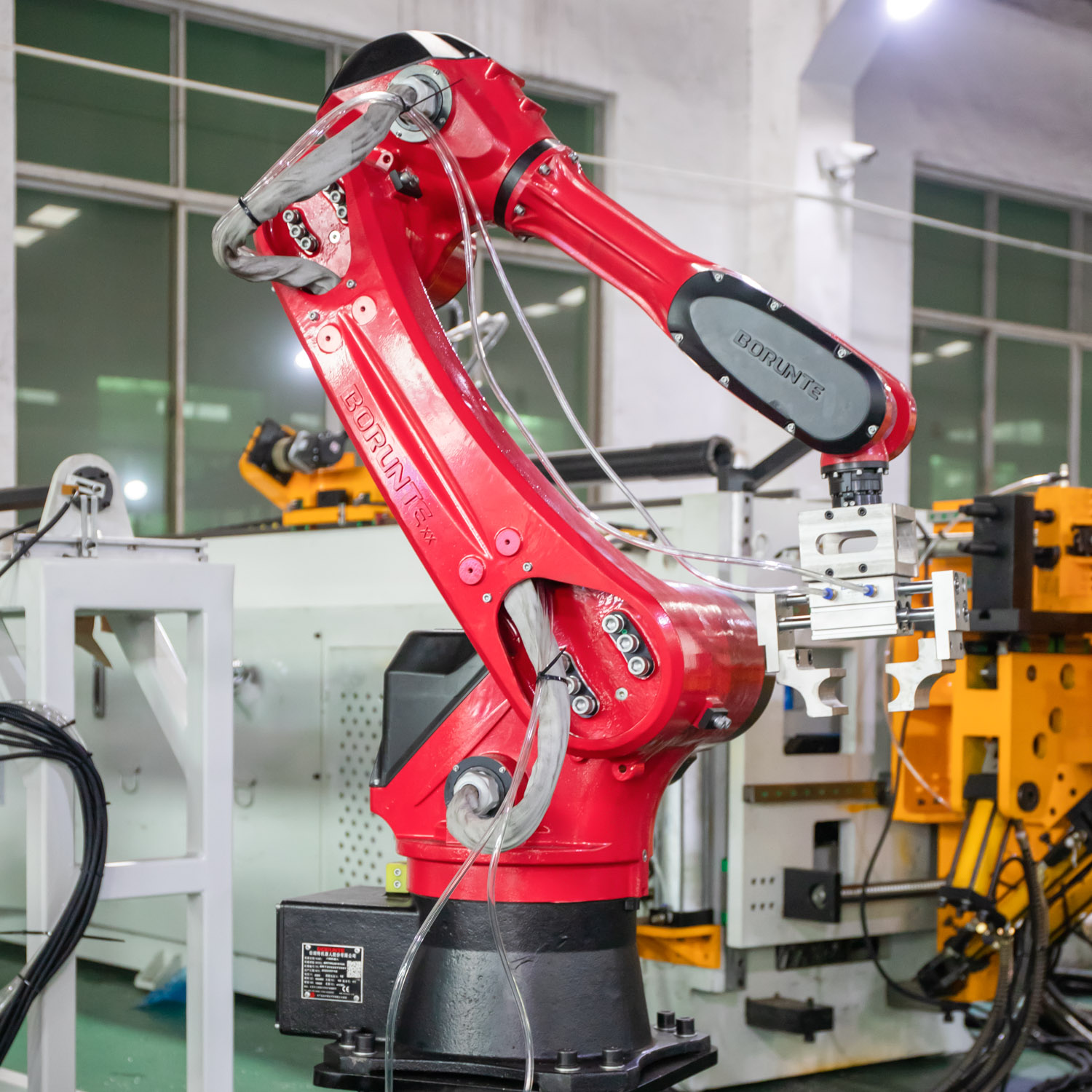
Common Problems with Tubing Benders and Effective Solutions
Proper installation of tubing benders is crucial for achieving optimal performance and minimizing operational issues. Here are some key guidelines:
Site Preparation: Ensure that the installation site is level, stable, and free from obstructions. Adequate space should be provided for both the bender and any auxiliary equipment.
Electrical and Pneumatic Connections: Verify that electrical and pneumatic connections meet the manufacturer’s specifications and local codes. Inadequate power supply can lead to inconsistent performance.
Calibration: After installation, calibrate the tubing bender according to the manufacturer's instructions. This step is vital for ensuring that the machine performs accurately and reliably.
Operator Training: Proper training for operators is essential. They should understand how to operate the machine, troubleshoot minor issues, and recognize the importance of regular maintenance.
Routine Maintenance: Establish a routine maintenance schedule to check hydraulic fluids, lubrication points, and electrical connections. Regular maintenance helps extend the life of the machine and ensures consistent performance.