 EN
EN

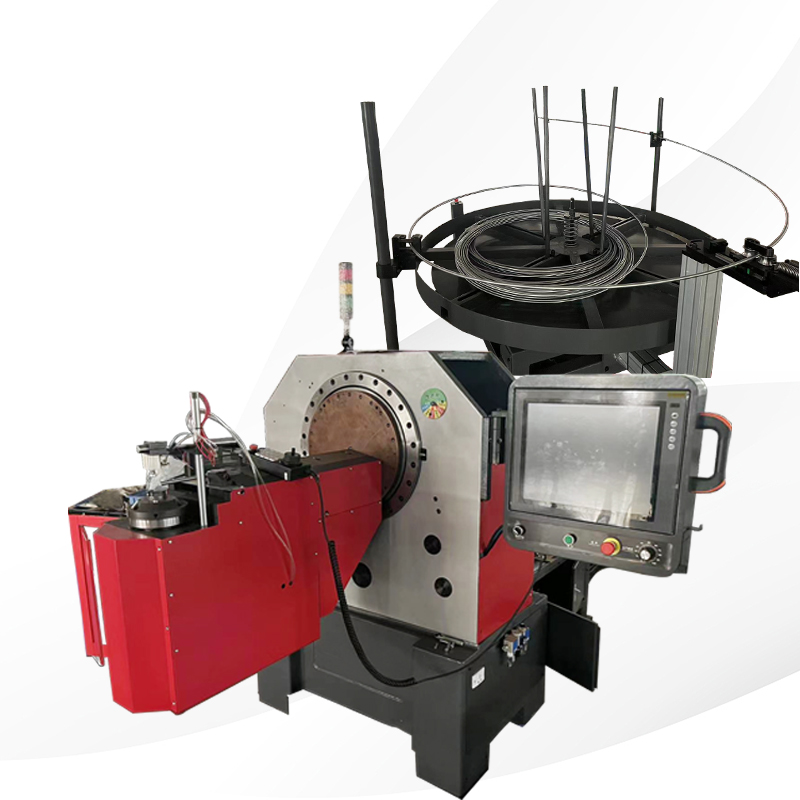
Purchasing a CNC tube bending machine is no small feat - many are the single largest purchases a fabricating shop will ever make. It can be the difference between an efficient money-making asset and a frustrating maintenance problem by how a manufacturer is built – from the production floor up to its president on down to the building blocks of its quality system. While brochures and slick demonstrations can provide an overview, any shop seriously looking at manufacturing partners has to see more than just magazine spreads. Even beautifully engineered machines can, in the worst-case scenario, still be inordinately uneven when coming off the factory floor. Anyone who can’t afford ‘no excuses,’ ‘zero-defect’ tubing needs to delve a lot deeper and explore these ten areas:
Physical Plant and Production Floor Discipline
The condition of a manufacturer's production facility tells more about its quality culture than the quality certification hanging on their wall. When you are auditing, take a walk around the production floor and observe how workspaces are set up, the raw materials are stored and the machining areas are kept clean. A well-organized facility with clean workspace demarcations, smooth and efficient flow of materials and adequate illumination signals that the management has control over its processes. When you are examining the bending machines, focus on the assembly area. Are parts staged properly and logically? Are torque wrenches and calibration tools clearly identified with expiration dates? The discipline observed on the production floor is in direct correlation to the discipline reflected during the assembly of your machines. Messy workspaces, loose parts and dirty machining areas should be a warning.
Incoming Material Inspection and Traceability
Quality is a product, not an attribute. It cannot be inspected in after production, it must be built in from the start. Anyone serious about providing genuine quality has a robust incoming material inspection protocol for all its structural steel, hydraulic, and electronic components. During the audit, inspect their incoming inspection reports of vital components (such as main frame steel, hydraulic cylinders, servo-motors). Find out how they handle materials that do not meet standards, and how they address supplier corrective action reports. Most importantly, investigate the traceability of the material used in production. If a steel shipment proves problematic, can they trace which machines it went into? Can they recall parts if needed? Manufacturers that can't track their materials aren't really addressing quality at the most basic of levels.
Calibration and Measurement Equipment Standards
To put it in a nutshell, a CNC tube bender’s capacity to deliver within tolerance will ultimately depend on the quality of the machinery and calibration equipment with which the machine was built and certified. The machine builder’s calibration program should be an integral part of your audit. Request to see their calibration program for measurement equipment of every scale-from calipers on up to giant CMMs. Ensure the dates on recent calibrations don’t predate a history for the tool (request documentation traceable to NIST). Note the way in which the instruments are handled, is the equipment often found scattered on a workbench without cover to prevent damage or calibration drifting? And are you seeing some form of measurement process applied by the manufacturer to qualify aspects like perpendicular spindle orientation and way straightness with certified masters and repeatable procedures?
Employee Training and Certification Programs
State of the art manufacturing equipment is only as good as the people using it. An attitude of quality should be supported by considerable training and education for their employees. During your audit, ask about the training program available to assembly technicians, electrical engineers, and testing technicians. The higher the rate of turnover and less training that occurs within the facility can suggest that assembly is viewed as a commodity versus an art. Find out what method the training is provided (on the job training, seminars, college classes) and how ongoing training is accomplished. Try to get an insight into the environment of interaction between senior technicians and more new personnel while assembling and inspecting. A culture where older hands instruct and encourage new employees in the best ways to do a particular job creates machines built with a sense of purpose.
All Baorui products and our factories are welcome to audit. We provide you with access to our factories for audit. Over twenty years experience means you get highly organized material stock rooms, a rigorous quality control system, calibration on file with approved certifications, and continuously trained and experienced workers with an average of more than a decade service. Our internal quality management systems are as organized as our manufacturing operations and our factory is managed with the same care and attention to detail you’ll find in every one of our Baorui machine. This discipline and high standard comes from years of service to the Automotive, Medical and Furniture industries and offers a level of quality you deserve.