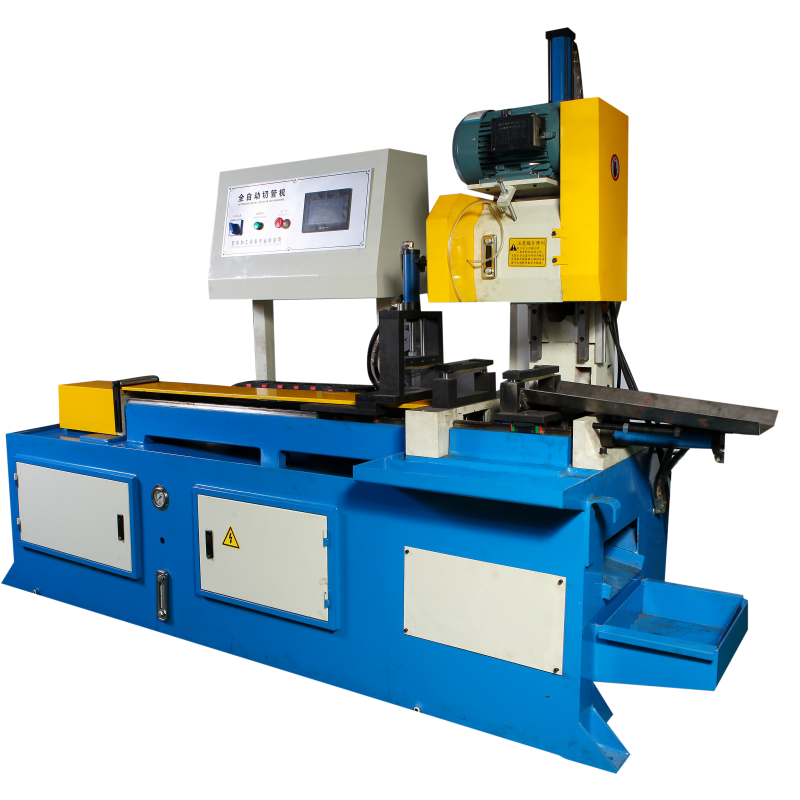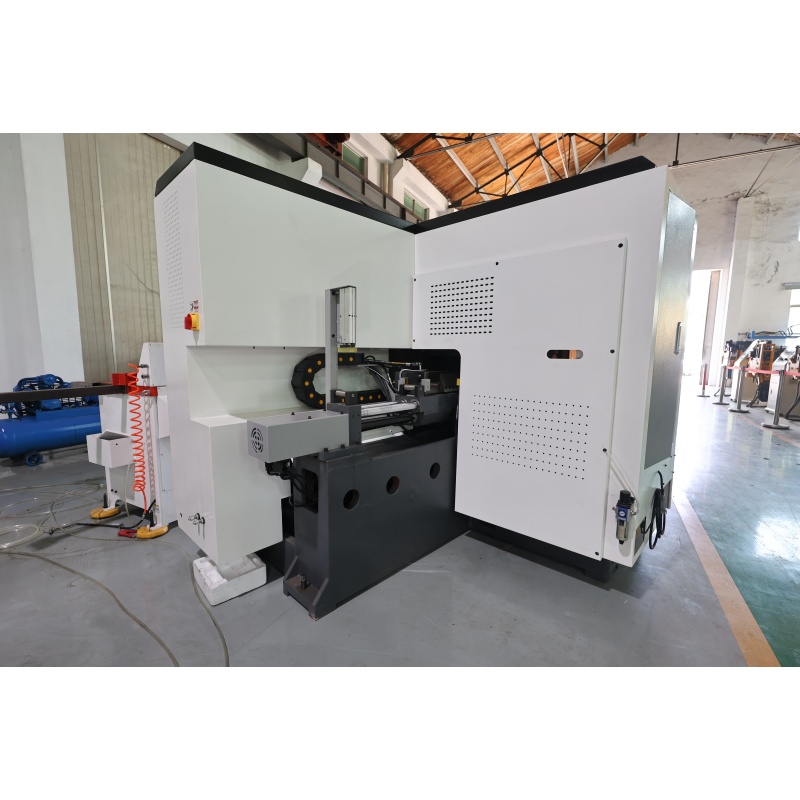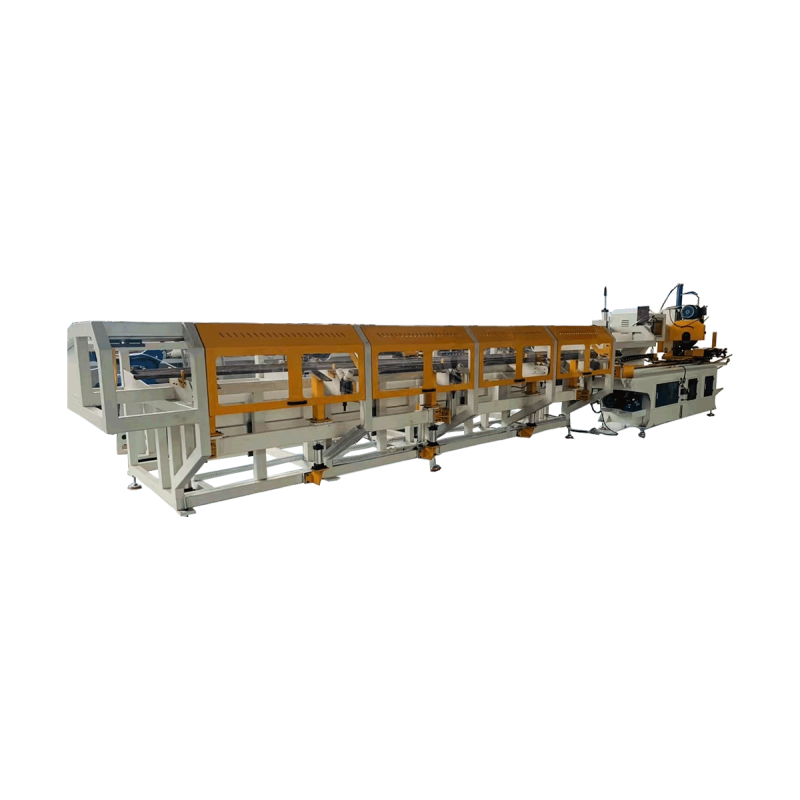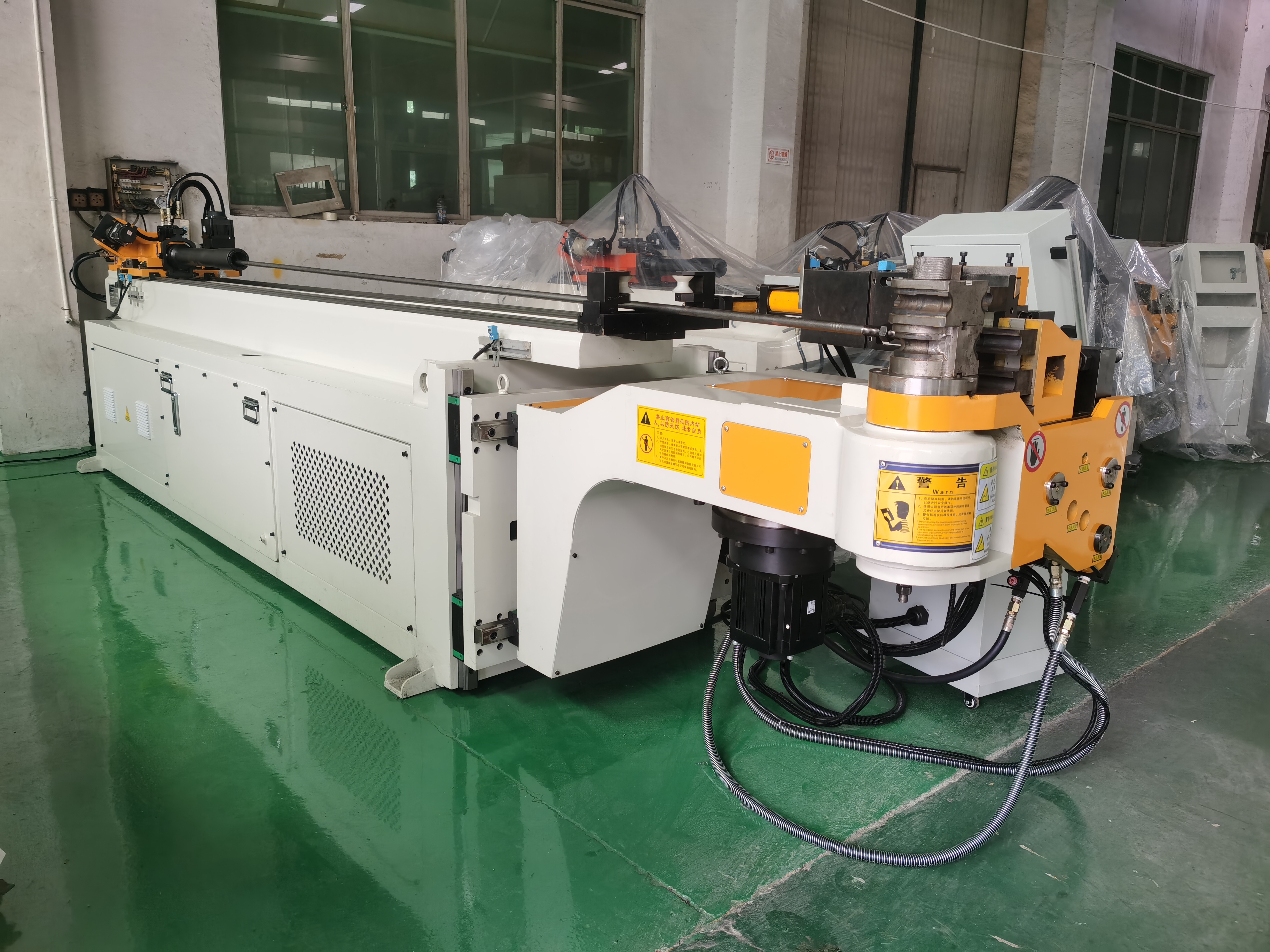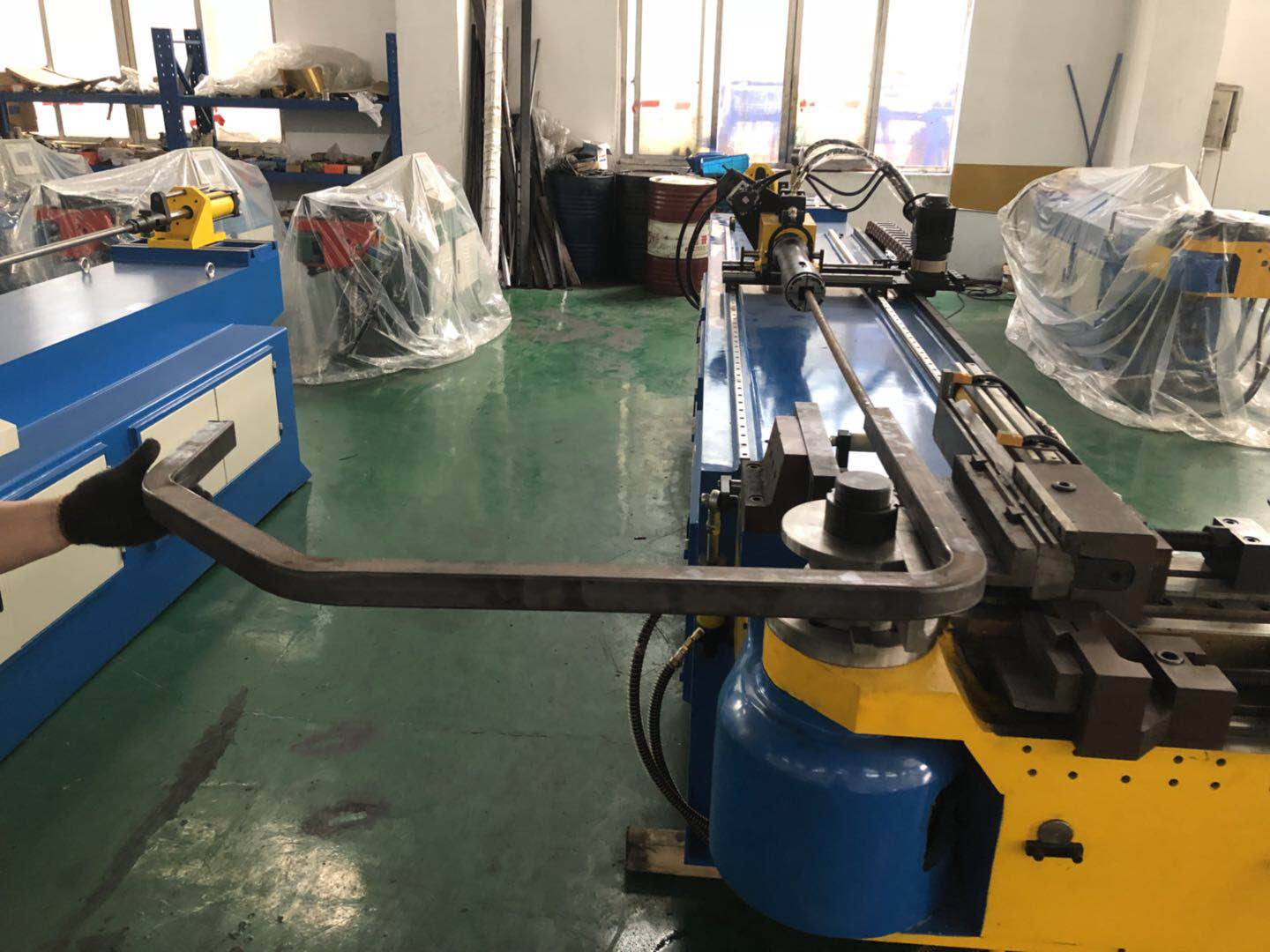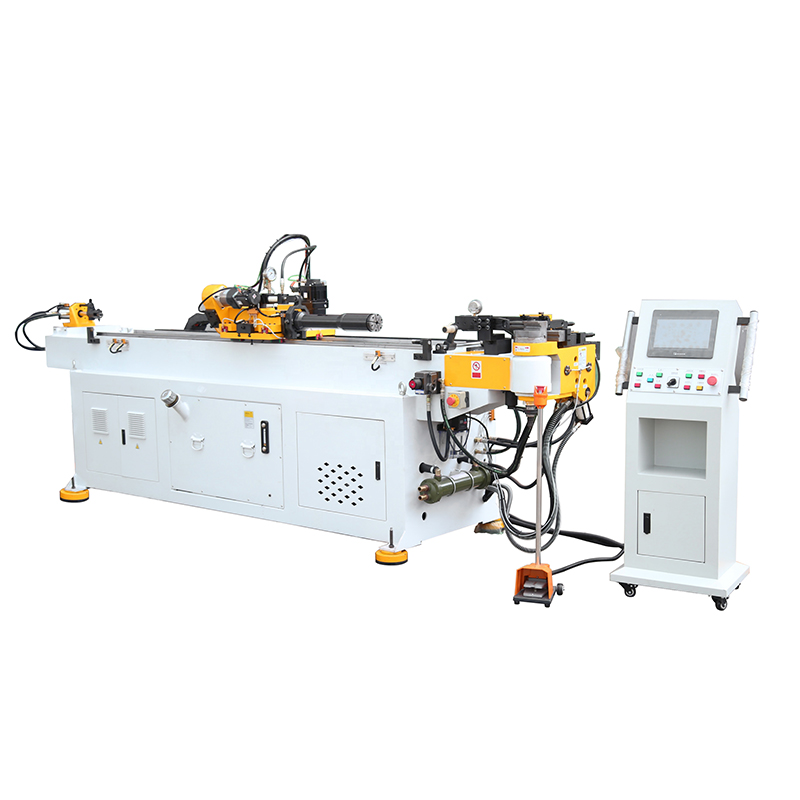
Key Specifications of Stainless Tubing Benders

All Categories

Stainless tubing bender

Stainless tubing benders are essential tools in various industries, enabling precise bending of stainless steel tubing for applications ranging from automotive to medical equipment. Buyers often face concerns such as product specifications, cost factors, and operational efficiency.  This article will clarify key specifications, cost considerations, best practices, common issues, and applications of stainless tubing bender hydraulic, empowering purchasing managers, engineers, and decision-makers to make informed choices. 
Our Products

Understanding the Cost Factors of Stainless Tubing Benders

Understanding the Cost Factors of Stainless Tubing Benders

The cost of stainless tubing benders can vary widely based on several factors: 

Machine Specifications: Higher capacity and more advanced features, such as automation and control systems, typically lead to higher prices. Buyers should weigh the benefits of advanced features against their budget constraints. 

Customization Needs: Custom-built machines tailored to specific applications or production processes often incur additional costs. It’s essential to provide clear specifications during the RFQ process to obtain accurate pricing. 

Production Volume: The cost per unit can decrease with higher production volumes. Buyers should evaluate their expected production runs when assessing the overall investment in machining equipment. 

Supplier Reputation: Partnering with a reputable supplier may come with a higher upfront cost but can result in better quality, support, and reliability, ultimately saving money in the long run. 

Maintenance and Operational Costs: Consider ongoing costs such as maintenance, tooling replacements, and energy consumption. A bender that is energy-efficient and low-maintenance can lead to significant savings over time. 
Best Practices

Best Practices

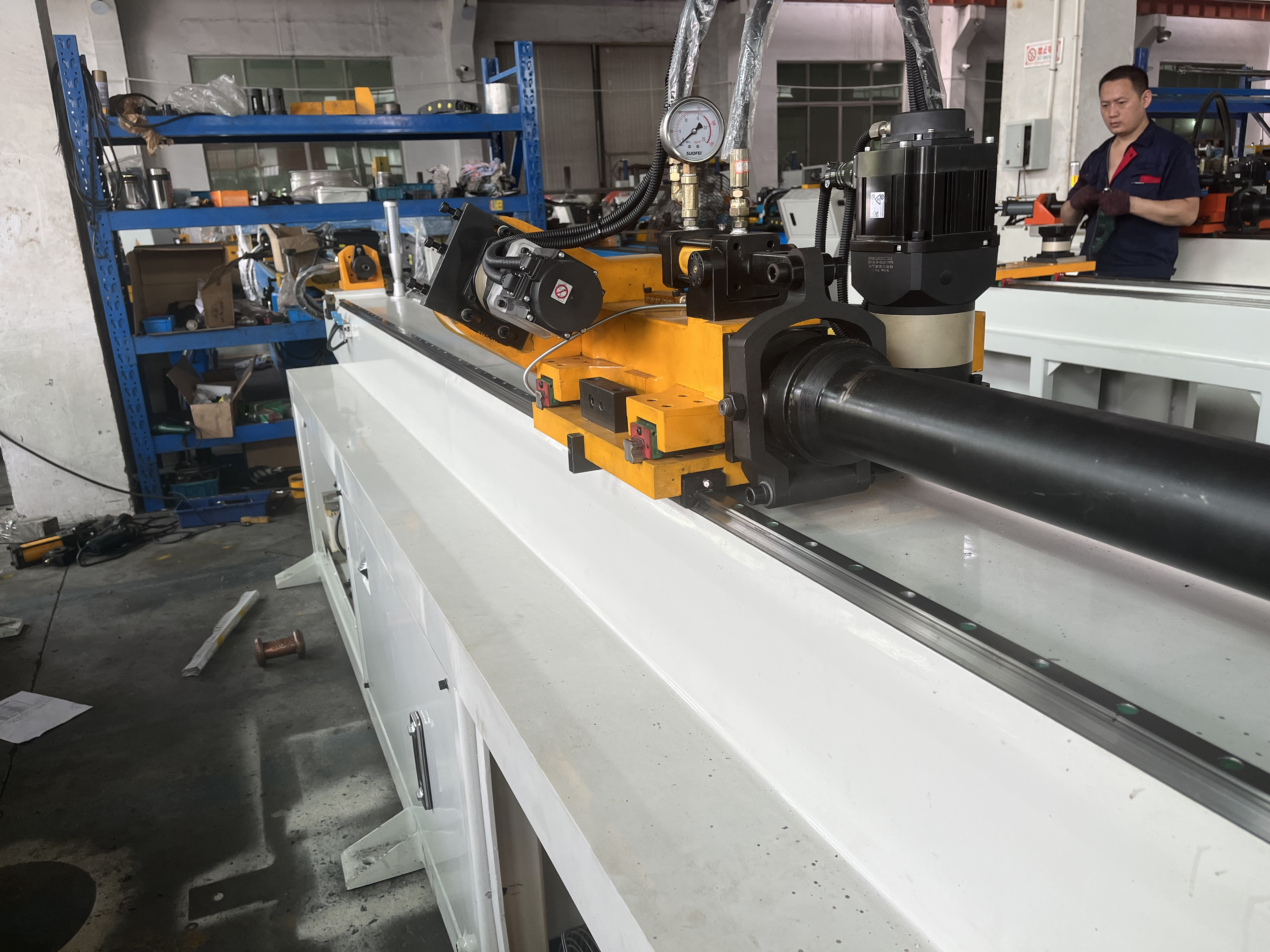
To maximize the efficiency and lifespan of stainless tubing benders, consider these best practices: 

Regular Maintenance: Implement a routine maintenance schedule to keep the machine in optimal working condition. This includes checking hydraulic systems, cleaning tooling, and calibrating settings. 

Operator Training: Ensure that operators are adequately trained in using the bender. Understanding the machine's features and limitations can prevent mistakes and enhance productivity. 

Material Preparation: Properly prepare and inspect the tubing before bending. Any defects or inconsistencies in the material can lead to complications during the bending process. 

Sample Testing: Before mass production, conduct sample tests to verify the bending settings and machine performance. This can help identify any adjustments needed to meet specifications. 

Documentation: Maintain detailed records of machine settings, maintenance, and production runs. This documentation can provide valuable insights for future projects and assist in troubleshooting. 

Common Problems with Stainless Tubing Benders and Their Solutions

Common Problems with Stainless Tubing Benders and Their Solutions

Buyers should be aware of common issues that can arise with stainless tubing benders and how to address them:

Deformation: If the tubing is deformed during bending, it may be due to incorrect settings or unsuitable bend radius. Ensure proper calibration and refer to the machine's specifications to avoid deformation. 

Inconsistent Bends: Variability in bending can indicate issues with the machine setup or worn tooling. Regularly inspect tooling for wear and ensure consistent setup for each batch. 

Material Cracking: This can occur if the material is too brittle or if the bend radius is too tight. Verify the suitability of the material grade and adjust the bending process accordingly. 

Hydraulic Issues: If hydraulic systems fail or show inconsistencies, it could affect bending accuracy. Conduct regular inspections and maintenance of hydraulic components to prevent downtime. 

Software Glitches: Automated machines can experience software issues that lead to production delays. Keeping software updated and having a support plan with the manufacturer can mitigate this risk. 

Applications of Stainless Tubing Benders in Various Industries

Stainless tubing benders find applications across a multitude of sectors, including: 

Automotive: Used for exhaust systems, fuel lines, and structural components, stainless tubing benders help manufacturers create lightweight, durable parts that meet stringent safety and performance standards. 

Medical Equipment: In the medical field, stainless tubing benders are crucial for producing components like surgical instruments and hospital equipment, where precision and cleanliness are paramount. 

Aerospace: The aerospace industry requires high-performance tubing for fuel lines and hydraulic systems, making stainless tubing benders essential for producing components that withstand extreme conditions. 

Construction: Stainless steel is often used in architectural applications, such as railings and structural supports. 1 1 2 tubing bender help create components that are aesthetically pleasing and structurally sound. 

Food and Beverage: In this industry, stainless tubing is vital for sanitary processing and transport. Benders enable the production of smooth, hygienic tubing that meets health regulations. 

In summary, understanding the specifications, cost factors, and best practices associated with stainless tubing benders is crucial for making informed purchasing decisions. By familiarizing themselves with common issues and industry applications, buyers can ensure they select the right equipment for their needs. 

Key Specifications to Look for in Stainless Tubing Benders

When selecting a stainless tubing bender, several key specifications should be considered to ensure optimal performance. 

Bending Capacity: This refers to the maximum diameter and wall thickness of tubing that the machine can handle. It's crucial for buyers to assess their specific requirements as using a bender with insufficient capacity can lead to deformation and inadequate bends. 

Bend Radius: The bend radius determines the sharpness of the bend. A smaller radius allows for tighter bends, which may be necessary for certain applications. Buyers should evaluate the bend radius compatibility with their intended application to avoid issues in assembly or functionality. 

Automation Level: Different benders offer varying levels of automation, from manual to fully automated systems. Fully automated machines, like those provided by Zhangjiagang Baorui Machinery Co., Ltd., enhance efficiency and precision, reducing labor costs and minimizing human error. 

Material Compatibility: While focusing on stainless steel, it's essential to ensure the hydraulic bender can accommodate various grades of stainless steel, as different grades may require specific tooling or adjustments. 

Control Systems: Advanced control systems that utilize 3D simulation can improve the accuracy of bends and reduce setup times. This feature allows users to visualize the bending process and make necessary adjustments before production starts. 

Why choose Bao Rui Stainless tubing bender

Provide various customised and personalised machines

The company has modern factories, advanced production machines, testing equipment and an expert team of designers and technicians. The company has been engaged in the industry for more than 20 years, specialising in the manufacture of a complete range of CNC hydraulic pipe bender, pipe cutter, aluminum cutter, chamfering device, gear grinding machine and other products. We are able to provide you with numerous customized and personalised machines to Stainless tubing bender your ordering requirements.

Fast and convenient logistics service, safe and quick

We offer a wide range of logistics routes, such as land transport, sea transport, air transport, etc. We offer a wide range of transport options to ensure that the goods are delivered to their destination. In the present, we provide services to a Stainless tubing bender across the globe and export to more than 60 countries.

Wide range of applications

We are a Stainless tubing bender and reliable partner in the pipe and profile processing industry.

Provide quality and service assurance

Insisting on a regular inspection method to ensure that the operation is optimal and extend the life of our lighting sources, and minimizing downtime. Laser lamp manufacturing focuses on building long-term relationships by providing solutions tailored to your needs that foster the growth of both parties and encourage innovation. We have passed ISO9001 Quality System Certification, CE certification and SGS certification. Before we ship, we test the equipment, supply an examination video or live Stainless tubing bender, and offer an assurance of one year. Our company's advanced technology as well as its advanced equipment and management have allowed it to remain its competitive edge in international and domestic markets. All products have covered the entire country, and have been exported into Europe, America and Southeast Asia countries. They have been well-received by customers.

Our Blog Posts

Why 3D Wire Benders Are Essential for Automotive Seat Frame Production

08

Nov

Why 3D Wire Benders Are Essential for Automotive Seat Frame Production

You need 3D wire benders for the manufacture of automotive seat frames. These machines are used to help fabricate the complex shapes and designs required for strong, comfortable seats. BaoRui knows what is the most important high-quality production e...
View More
Why do overseas auto parts manufacturers choose pipe bending/cutting equipment with automatic feeding machines?

06

Dec

Why do overseas auto parts manufacturers choose pipe bending/cutting equipment with automatic feeding machines?

Core logic: reduce costs, improve efficiency, and stabilize quality, precisely matching the large-scale needs of metal pipe processing for automotive seats/headrests/exhaust pipes, and addressing the pain points of high labor costs and strict quality...
View More
What market share do laser tube cutting machines occupy today?

08

Dec

What market share do laser tube cutting machines occupy today?

In the wave of intelligent manufacturing, laser tube cutting machines have grown from high-end niche equipment to a mainstay in the tube processing market.In the wave of the automotive industry's transformation towards new energy and lightweighting, ...
View More
How to Verify Square Pipe Bending Manufacturers for Stable Accuracy

14

Jul

How to Verify Square Pipe Bending Manufacturers for Stable Accuracy

When producing square tube or square pipe bends, it's important that angle accuracy is consistent and stable. Unlike round tubes, square tubes have several more variable concerns when bending including wall deformation, corner wrinkling, and twist co...
View More

Get a Free Quote

Our representative will contact you soon.
Email
Name
Company Name
Message
0/1000
Key Specifications of Stainless Tubing Benders

Get a Free Quote

Our representative will contact you soon.
Email
WhatsApp
Name
Company Name
Message
0/1000

Get a Free Quote

Our representative will contact you soon.
Email
WhatsApp
Name
Company Name
Message
0/1000