 EN
EN

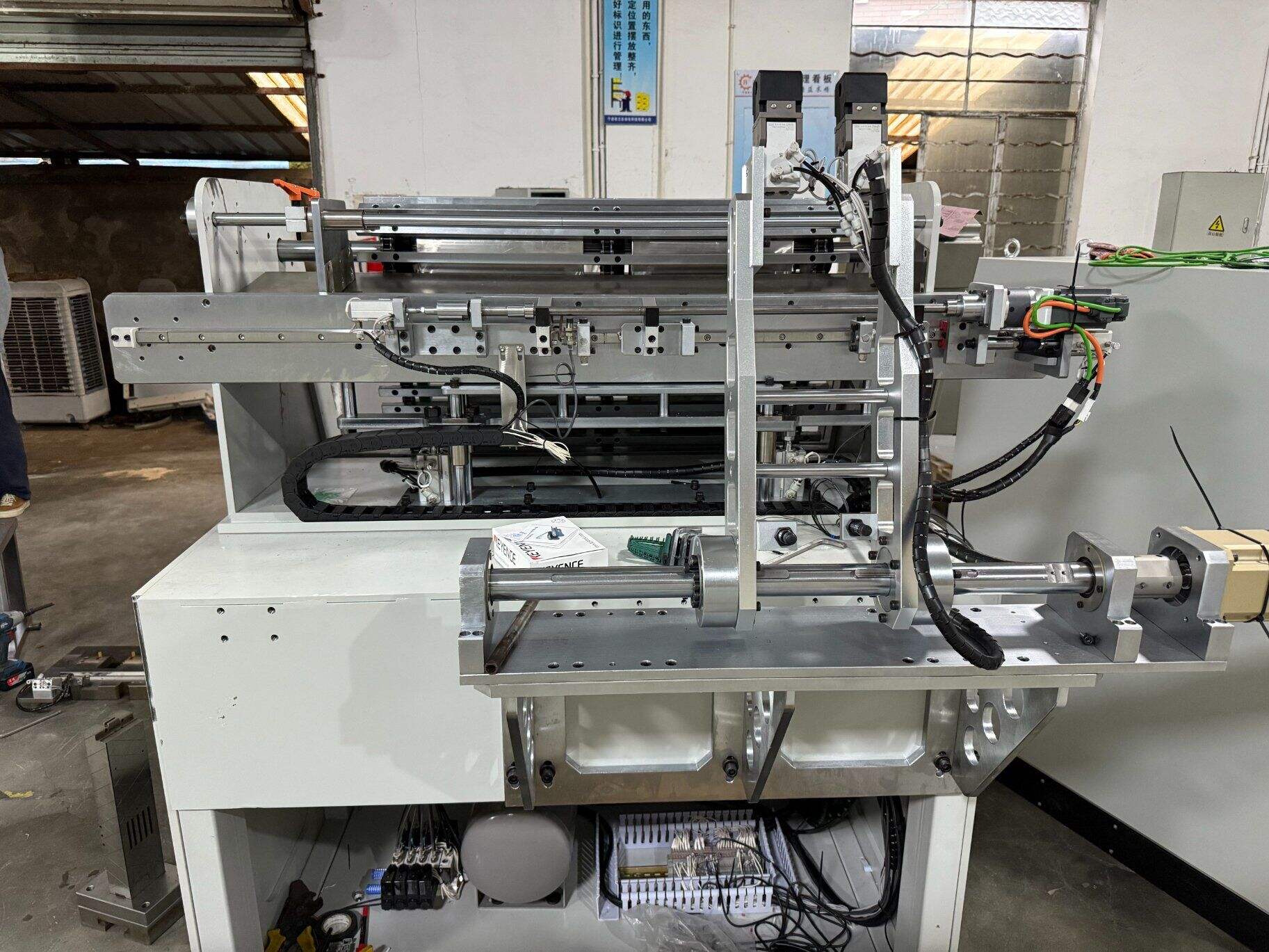
Core logic: reduce costs, improve efficiency, and stabilize quality, precisely matching the large-scale needs of metal pipe processing for automotive seats/headrests/exhaust pipes, and addressing the pain points of high labor costs and strict quality control in overseas factories.
1. Cost Reduction: Addressing the Core Pain Points of Overseas Factories
Replaces 1-2 manual laborers for material handling, avoiding labor shortages and rising wages in Europe, America, and Southeast Asia, resulting in long-term labor cost savings exceeding equipment price differences.Reduce pipe losses caused by human error (such as bumps and incorrect materials), and increase the utilization rate of automotive precision pipes (headrest pipes, exhaust pipes) by 8%-15%.
2. Improve efficiency: Adapt to large-scale production of automotive parts
Automated feeding and continuous operation eliminate the need for frequent manual material handling, increasing pipe bending/cutting efficiency by over 30%, meeting the tight delivery deadlines for bulk orders from automakers. Combined with pipe processing equipment, it achieves integrated "feeding-processing-discharging," reducing time spent on process connections and increasing single-shift capacity to 1.5 times that of manual feeding.
3. Consistent Quality: Meets the high quality control standards of the automotive industry.
Precise mechanical positioning (error ≤ 0.1mm) avoids uneven loading force and positioning deviations caused by manual handling, ensuring dimensional consistency of precision components such as automotive seat tubes and exhaust pipes. It also reduces oil stains and scratches caused by manual handling of tubing, improving product pass rates and mitigating the risk of returns from overseas customers.
4. Hassle-free: Adaptable to overseas factory management scenarios
One-button start and unattended operation (can be paired with a PLC control system) lowers the operational threshold for local overseas employees and reduces training costs. Continuous operation reduces downtime, adapts to the "multi-shift" production mode of overseas factories, maximizes equipment utilization, and enables rapid return on investment.