 EN
EN

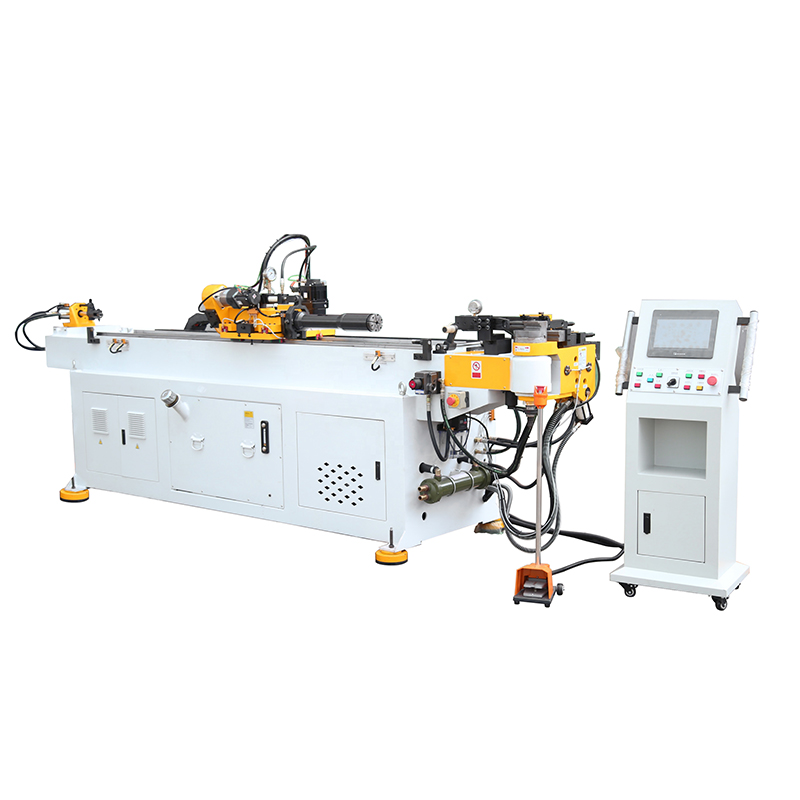
When producing square tube or square pipe bends, it's important that angle accuracy is consistent and stable. Unlike round tubes, square tubes have several more variable concerns when bending including wall deformation, corner wrinkling, and twist control. A lack of reliable consistency can have negative effects on later assembly and structure integrity. This article outlines steps to help you confirm whether a square pipe bending supplier will be capable of producing to the requirements for production in the long run.
Inspect the Manufacturer’s Equipment and Tooling Capabilities
The first steps in assessing stable accuracy is to examine the manufacturer’s machinery and tooling. The tools needed for square pipe bending require special dies, mandrels and wiper inserts that are designed to support the interior and exterior of the wall during the bend. A capable manufacturer will use hydraulic controlled, CNC managed machinery. This allows for the accurate adjustment of grip forces, tube feeding rate and mandrel stroke- all essential to avoid side collapse or the crumpling of the corner when bending square tubes. Discover if during a visit they have square tube dies or are using a modified round pipe bending die. In most cases, dies specifically designed for bending square tubes will prove more adept at keeping wall straightness and corner consistency during the bend. You'll want to ensure that they routinely maintain the bending dies and guides, as excessive wear to this tooling directly influences angular repeatability.
Review Quality Control Documentation and Measurement Practices
Consistency doesn't just happen by chance-there must be routine checks at several points in production to ensure stability. You will want to request quality control records of the previous six months, looking specifically at batches of square pipe, as a consistent supplier will have detailed logs including angle tolerances, reduction of wall thickness, and twist readings. You should ask how they measure the springback variation in batches, because it is common to find that round and square tubing will have different springback percentages due to the varied stress distribution of a square piece throughout the bends in a square tube. A measurement tool should consist of a digital angle protractor, coordinate measuring machine, or a laser-angle comparator for measuring each bend. Additionally, they will also need to have quality checks during the process (after the first article is produced) and also measure random pieces throughout each batch. A supplier that doesn't have documentation showing they track raw material batch numbers with their corresponding angle readings will struggle with providing reliable repeatable accuracy over an extended period.
Assess Material Handling and Pipe Preparation Processes
Getting a precise square tube bend begins long before the tube enters the first bend on a bender. Square tubes arrive to the manufacturer in all kinds of conditions that influence whether bending will be consistent. Poor cutting of square tubes, burrs on the corners and incorrect storage are all sources of variability during a bend. Find out whether the manufacturer pre-straightens the arriving square tubing. Also, find out what the supplier uses to cut square tubes to length. A high-tech precision saw will result in very square end cuts that eliminate inconsistencies and burrs during bending. Also ask whether they use an efficient lubrication technique. Reducing friction is the primary means to achieve lower and more consistent angle variation, and thus using a uniform lubricant will keep this variable more stable than if an inefficient system were used.
Evaluate Long-Term Production Stability Through Sample Orders
It is crucial that prior to placing a bulk order one places an initial sample order of square pipe tubing matching your real requirements (size, wall thickness, radius, and type of square pipe). Place an order for at least 50 consecutive pieces and measured each one in sequence. This can reveal whether there is steady fluctuation or angle drift caused by heating of the dies and machinery during continuous operation. A consistent provider will have at least 95% of measured angles within ±0.3 degrees of one another. For an unreliable process the angles may scatter or a consistent, obvious trend may be detectable. You will also want to measure first and last pieces in the trial batch, taking readings of twist and the surface smoothness, to assess consistency between both the beginning and end of the production cycle.
Consider Industry Experience and Customer Feedback
A supplier with a long history producing square pipe bends will have developed the processes required to maintain high levels of accuracy. They will have experienced issues regarding a variety of shapes and thicknesses and developed reliable compensation methods. You should contact previous clients in similar industries (furniture, kitchen/bathroom accessories, automotive etc.) and ask whether they've experienced angular deviations between orders over the years. One should also seek out if the supplier is forthright in informing clients if material sourced from a different mill is likely to yield a slightly different percentage of springback and how the company intends to compensate for that difference.
Conclusion
Verifying the capabilities of a square pipe bending supplier is not as simple as opening a catalog and placing an order. You must observe their equipment, their control procedures, and their handling/preparation of raw materials. Finally, it will be beneficial to have samples measured and evaluated as well as to speak with customers who utilize their services. A supplier like Baorui, having new plants, sophisticated hydraulic CNC lines and twenty-year experience has good knowledge of each steps required to achieve the necessary and accurate angular precision to be produced.
Table of Contents
- Inspect the Manufacturer’s Equipment and Tooling Capabilities
- Review Quality Control Documentation and Measurement Practices
- Assess Material Handling and Pipe Preparation Processes
- Evaluate Long-Term Production Stability Through Sample Orders
- Consider Industry Experience and Customer Feedback
- Conclusion