EN
EN

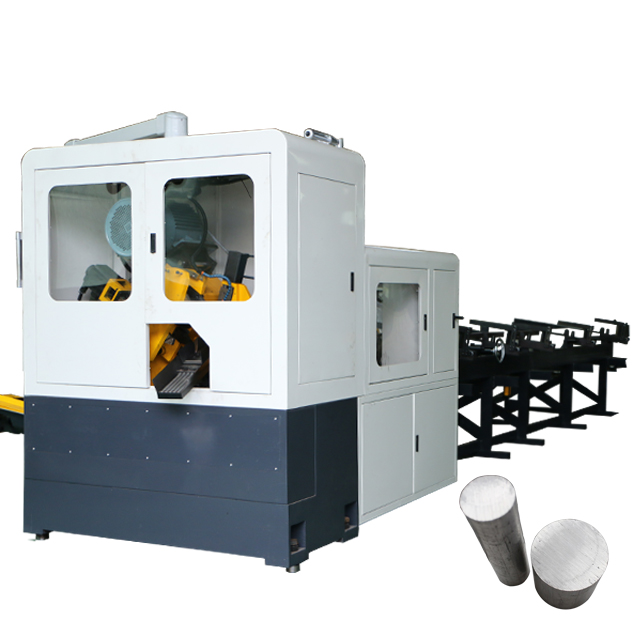
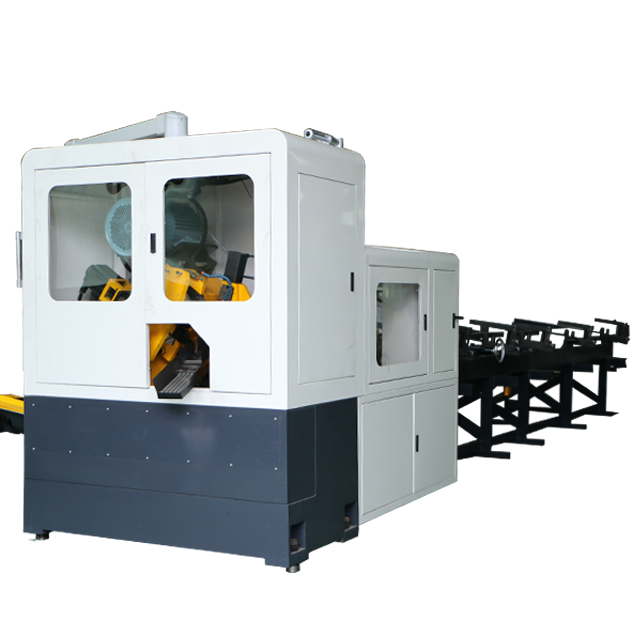
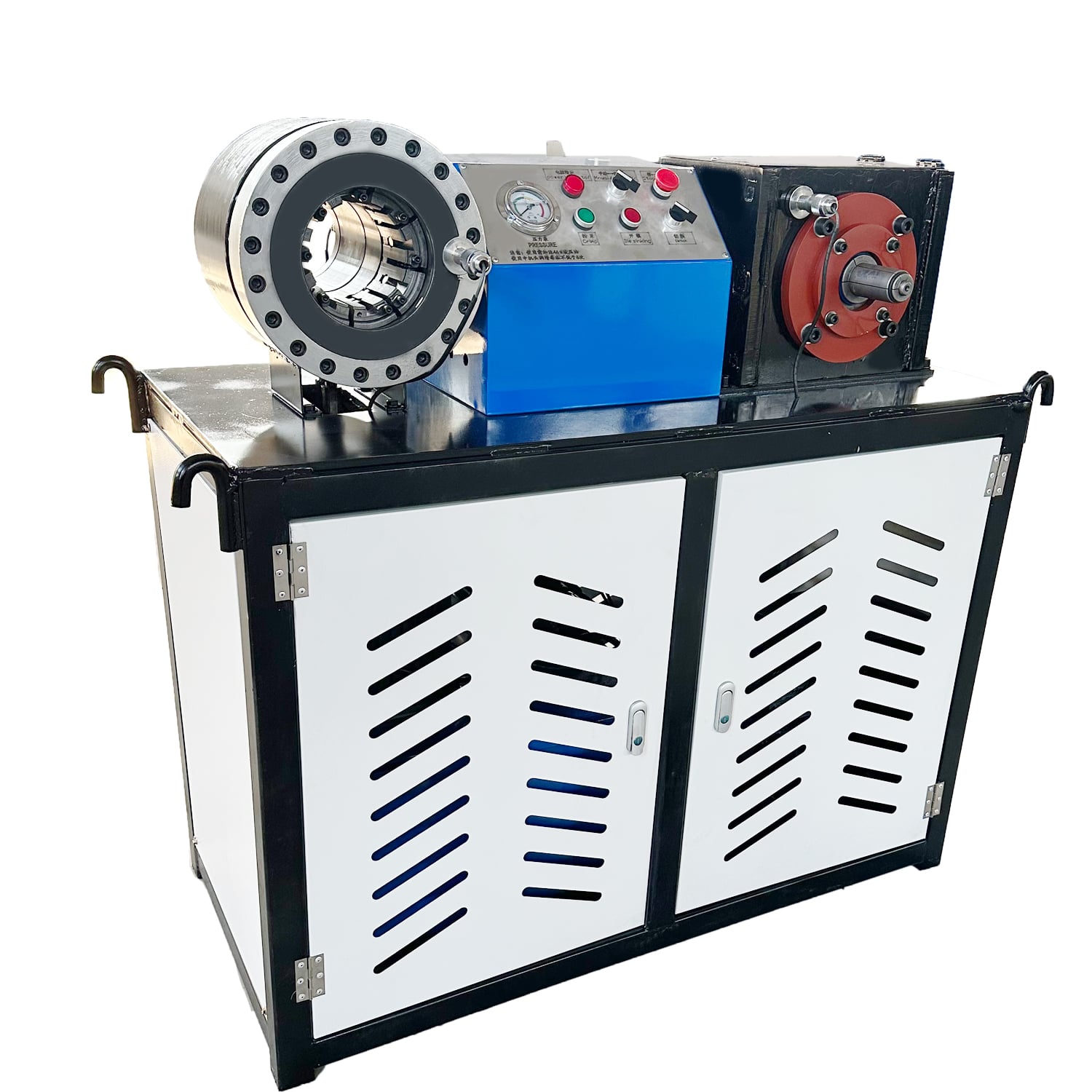
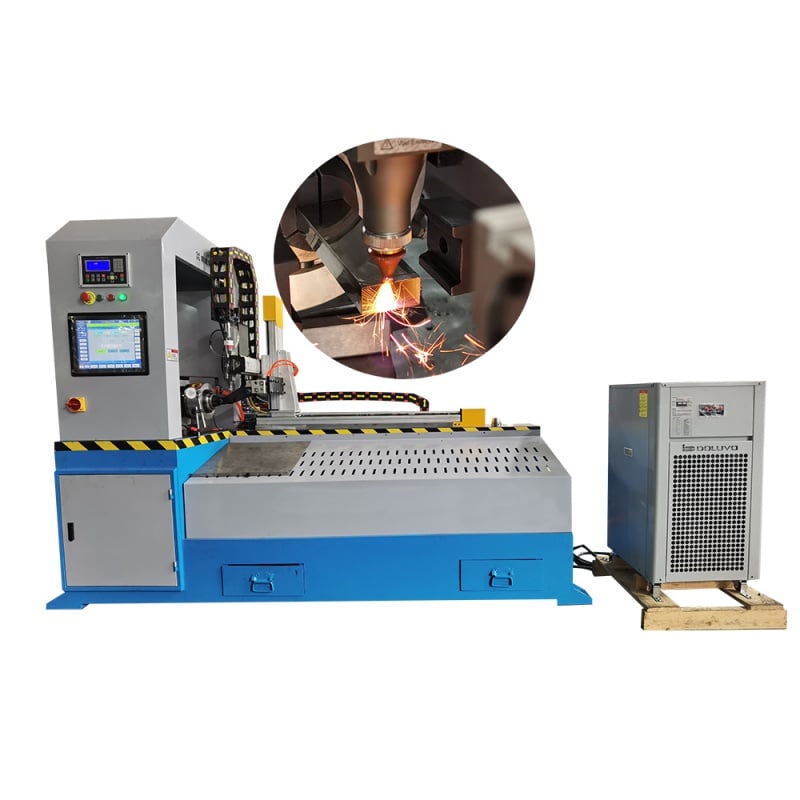
Bao Rui's Cutting machines for pipe manufacturing play a crucial role in the production process. These cutting machines not only ensure precision and efficiency but also help in minimizing waste and optimizing manufacturing capabilities. For B2B buyers, understanding the specifications, quality evaluation criteria, and cost factors associated with cutting machines is essential to make informed purchasing decisions. This article will guide you through the key specifications of cutting machines for pipe manufacturing, how to assess their quality, reliable suppliers, cost considerations, and installation guidance to ensure optimal performance
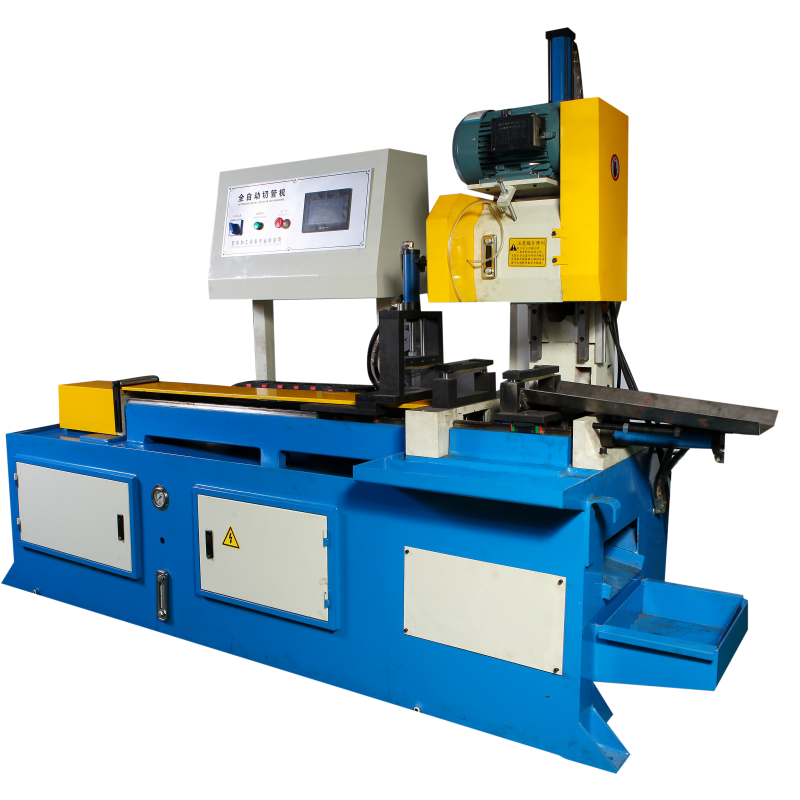
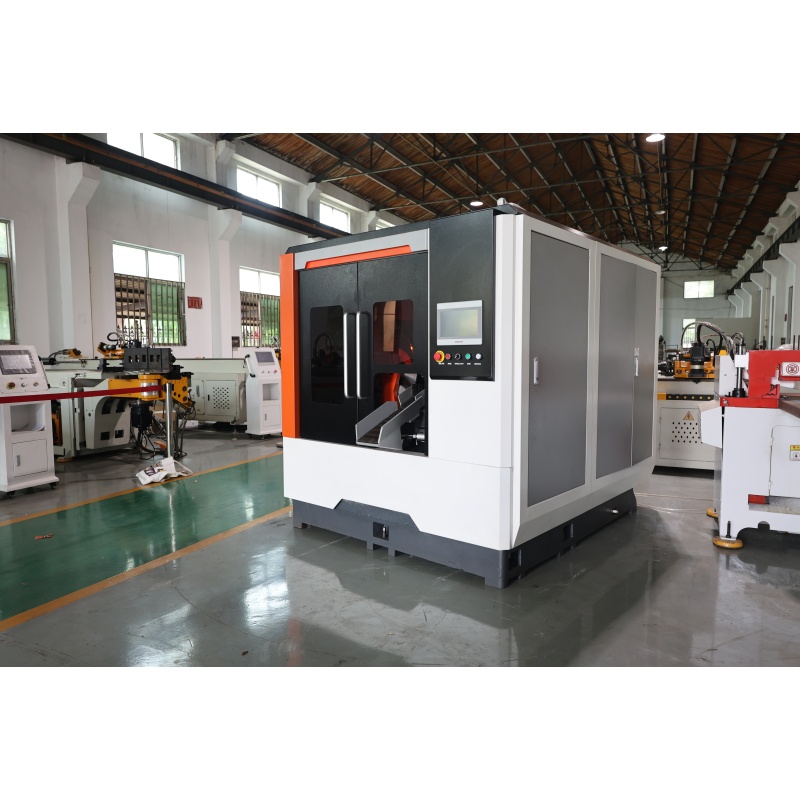
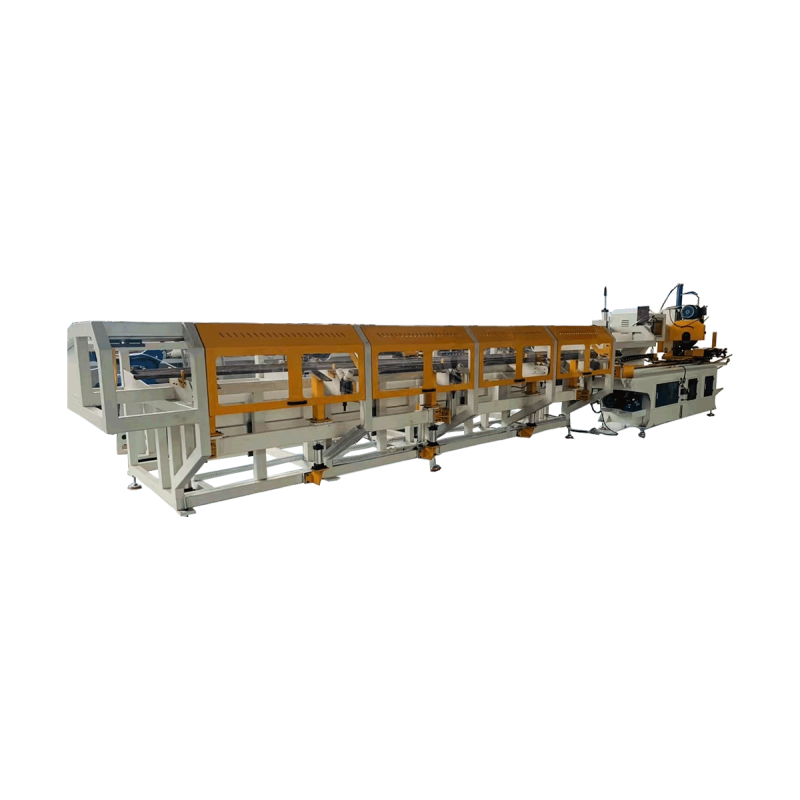
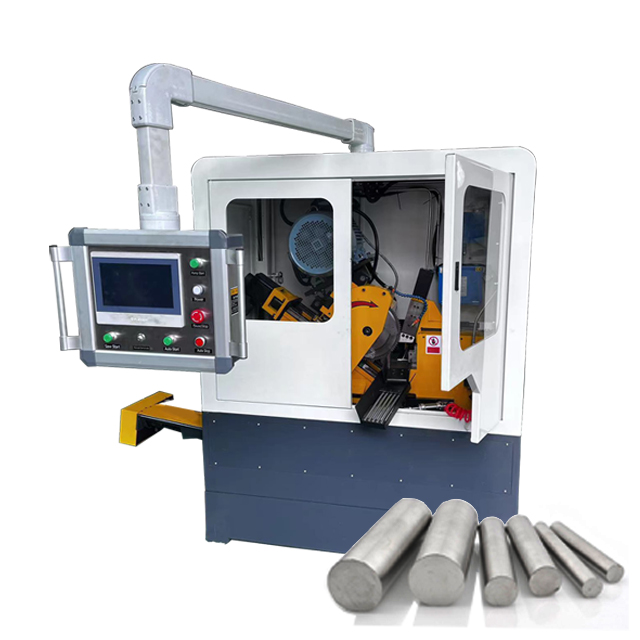
How to Evaluate the Quality of Pipe Cutting Machines
Evaluating the quality of a Bao Rui pipe cutting machine involves several critical assessments:
Material and Build Quality: Inspect the materials used in the machine's construction. High-quality steel or aluminum components typically indicate durability and longevity. A well-built machine will withstand intensive usage without frequent repairs
Precision and Tolerance Levels: Assess the machine's cutting accuracy and the tolerances it can achieve. It's beneficial to request sample cuts to evaluate the machine's performance. Precision is crucial, especially for applications requiring tight tolerances
Quality Control Processes: Inquire about the manufacturer’s quality control measures. Companies that implement rigorous testing and inspection protocols are more likely to deliver reliable copper cutter machine. A ISO certification or similar quality assurance standards can be a good indicator of product reliability
After-Sales Support and Warranty: A strong after-sales support system can significantly impact your experience. Ensure that the manufacturer provides adequate training, spare parts availability, and a reasonable warranty period
User Reviews and Case Studies: Gathering feedback from other users and reviewing case studies can provide insights into the machine's real-world performance. This information can help identify potential issues and advantages based on practical experience