EN
Cutting pipe machines are essential tools in various manufacturing and industrial settings, designed to efficiently cut pipes made from different materials to specified lengths and angles. As a B2B buyer, your main concerns likely revolve around selecting a cutting pipe machines that meets your production needs, ensuring quality and reliability, and understanding the specifications that matter. This article will delve into the key specifications to evaluate when considering cutting pipe machines, best practices for usage, guidance on finding reliable suppliers, applications across industries, and essential information buyers need to know before making a purchase.
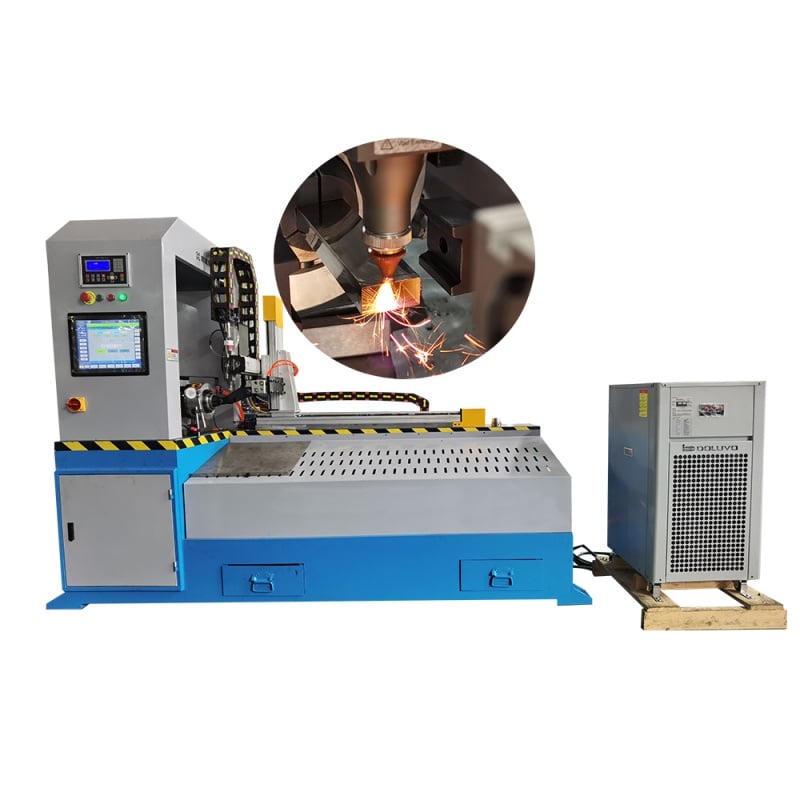
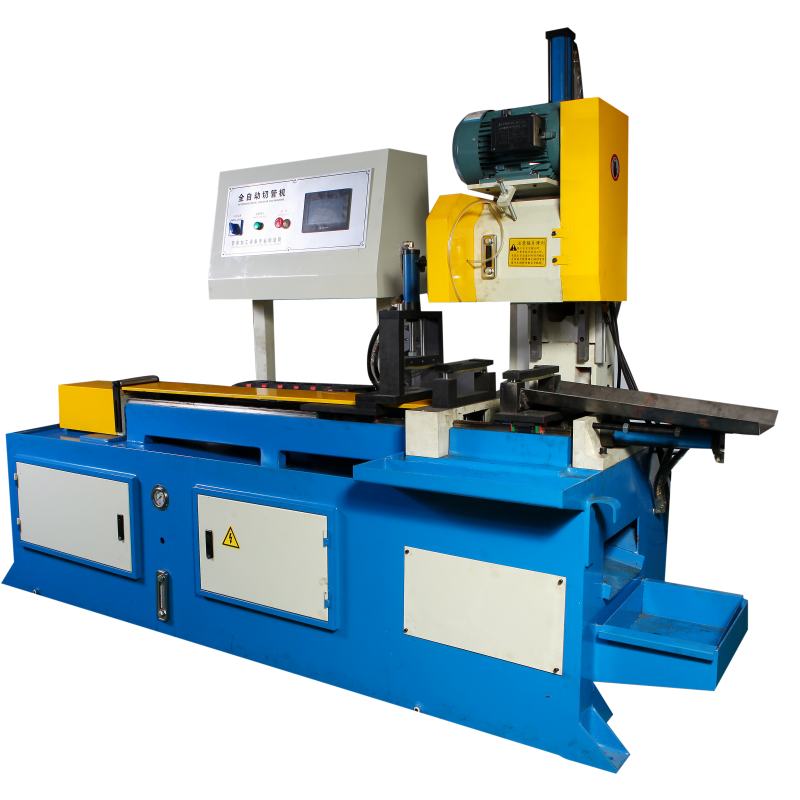
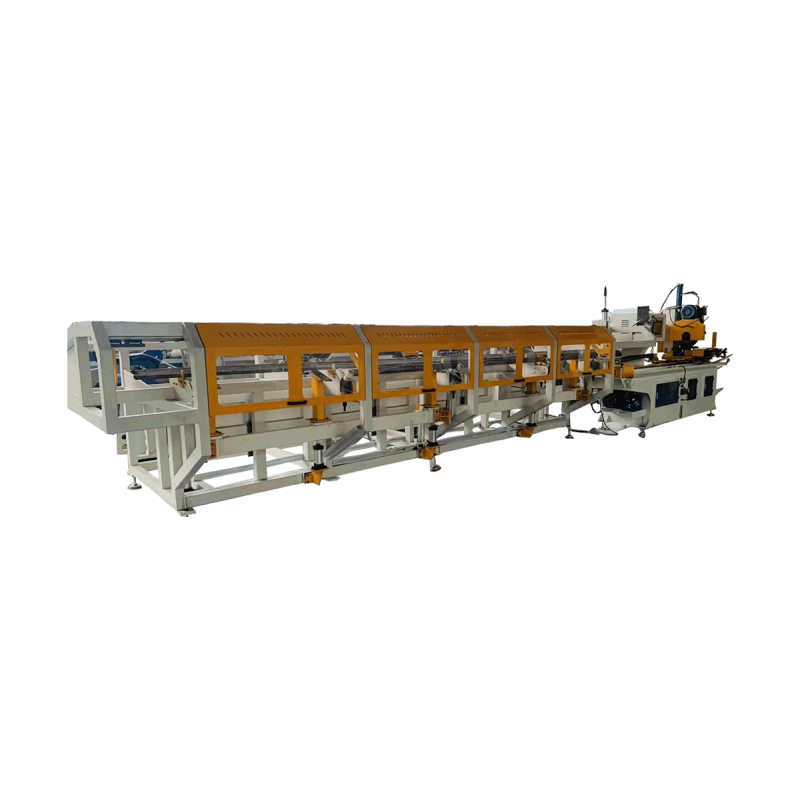
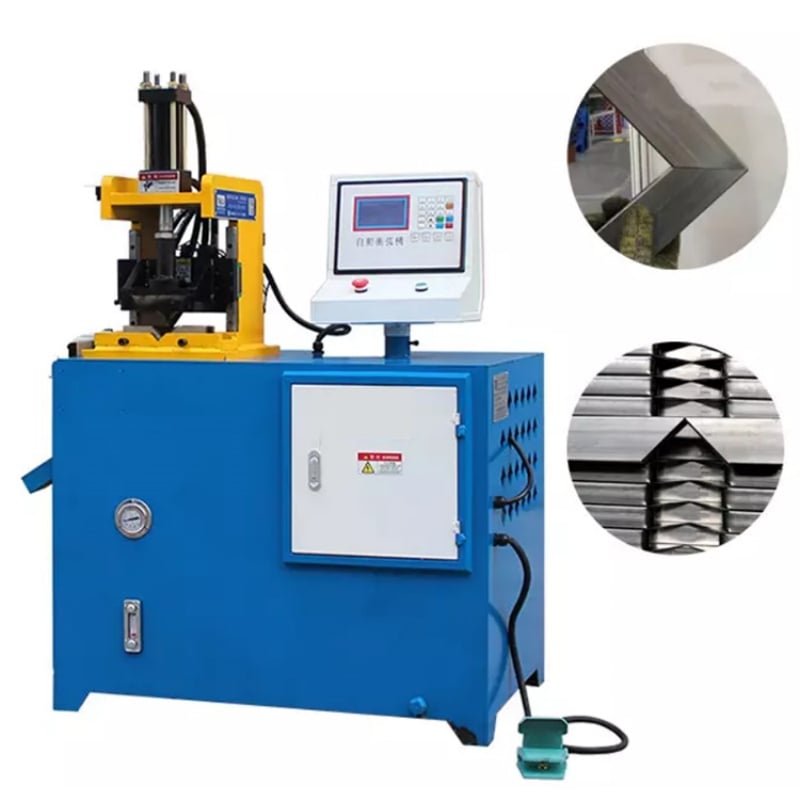
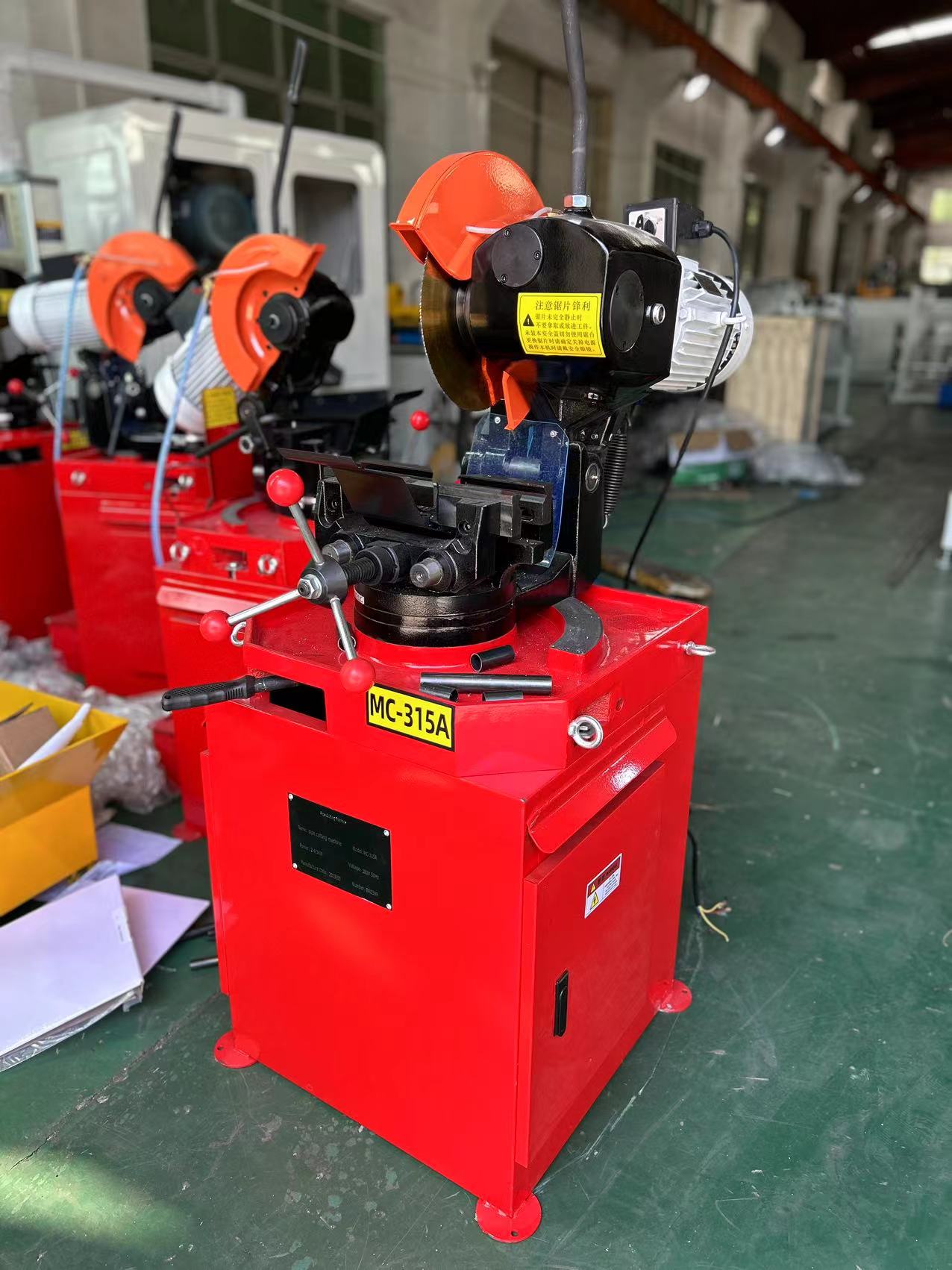
Features and Cost Factors
To maximize the performance and longevity of your cutting pipe machine, adhere to these best practices:
Regular Maintenance: Schedule routine inspections and maintenance to ensure all components are functioning correctly. This can help prevent unexpected downtime and costly repairs.
Operator Training: Ensure that all operators are adequately trained on the machine’s features and safety protocols. Well-trained personnel can reduce the risk of accidents and improve overall operational efficiency.
Quality Raw Materials: Use high-quality materials for cutting to ensure the cutting pipe machines performs optimally and produces precise cuts. Poor quality materials can lead to increased wear on the cutting blades and affect the accuracy of cuts.
Correct Setup: Before starting production, confirm that the cutting pipe machines is set up correctly for the specific task, including the appropriate settings for speed, feed rate, and cutting depth.
Monitoring Performance: Keep track of the machine’s performance metrics, such as cut quality and production speed. Regularly reviewing these metrics can help identify areas for improvement and ensure that the cutting pipe machines is operating at peak efficiency.