Pipe Notching Equipment Quality Check

All Categories

Pipe notching

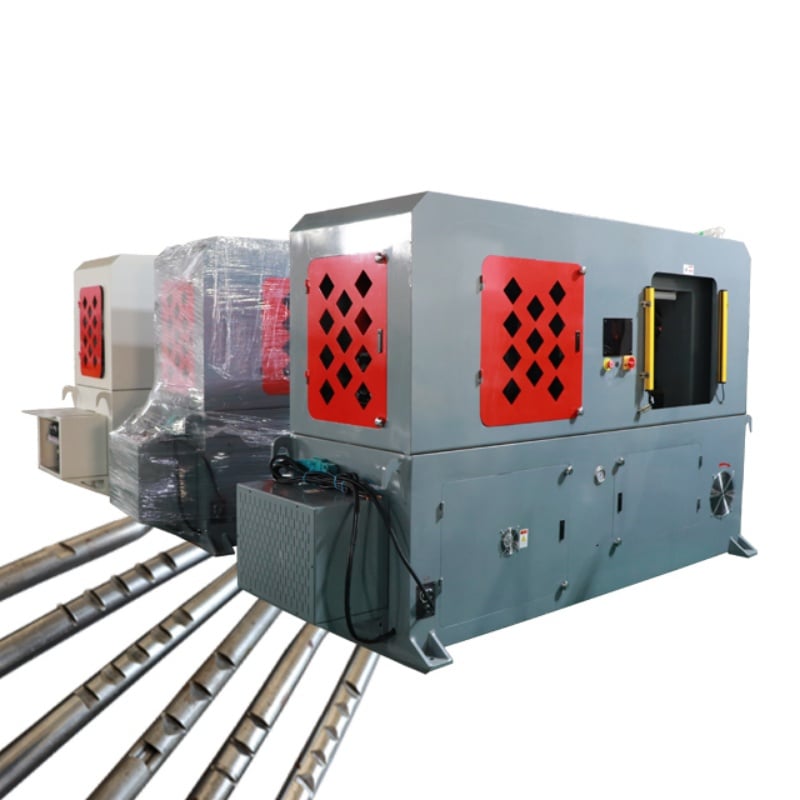
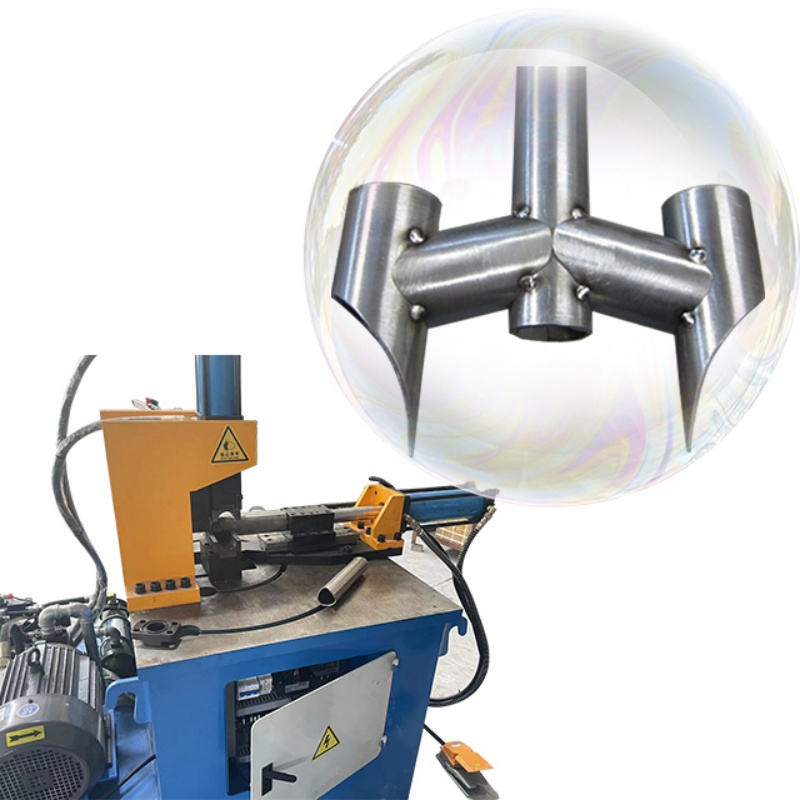
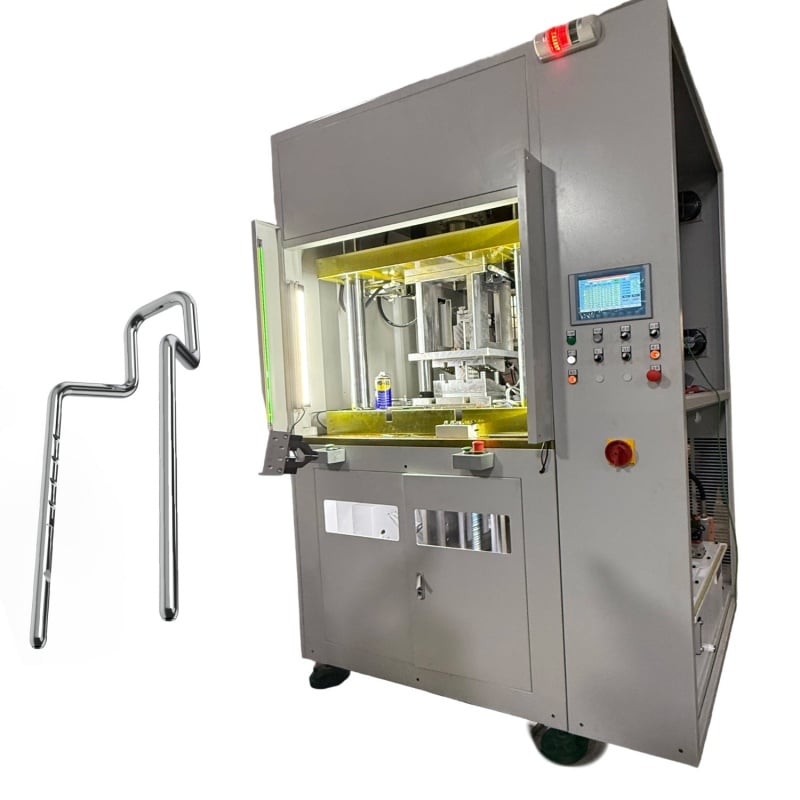
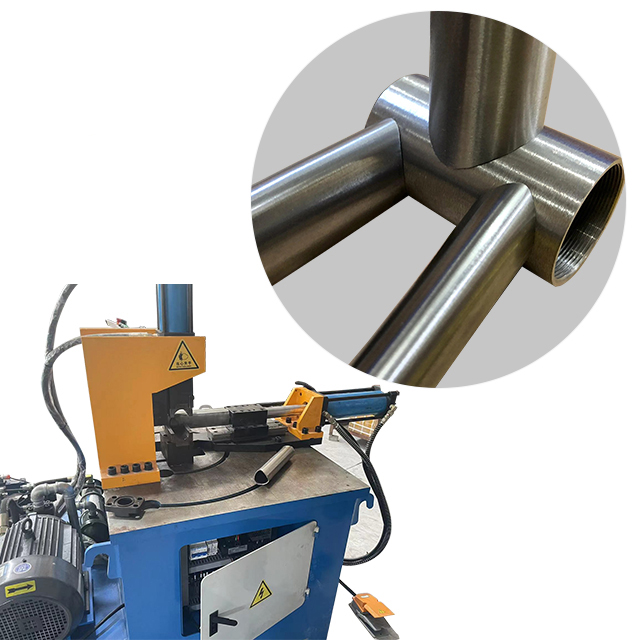
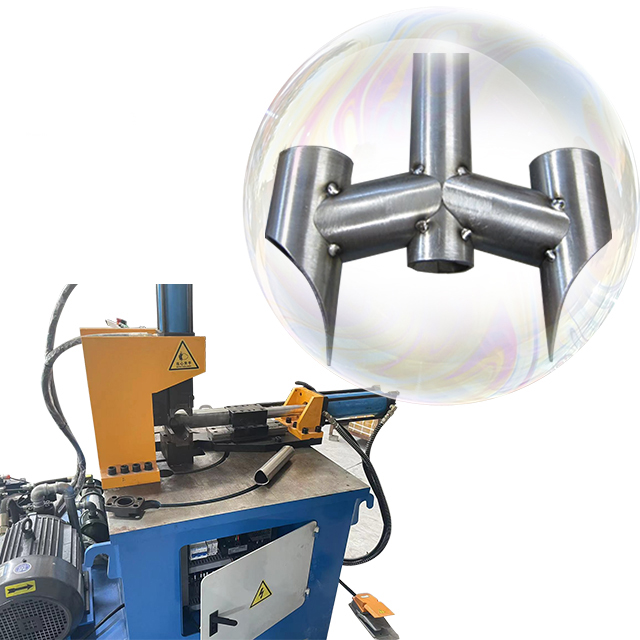
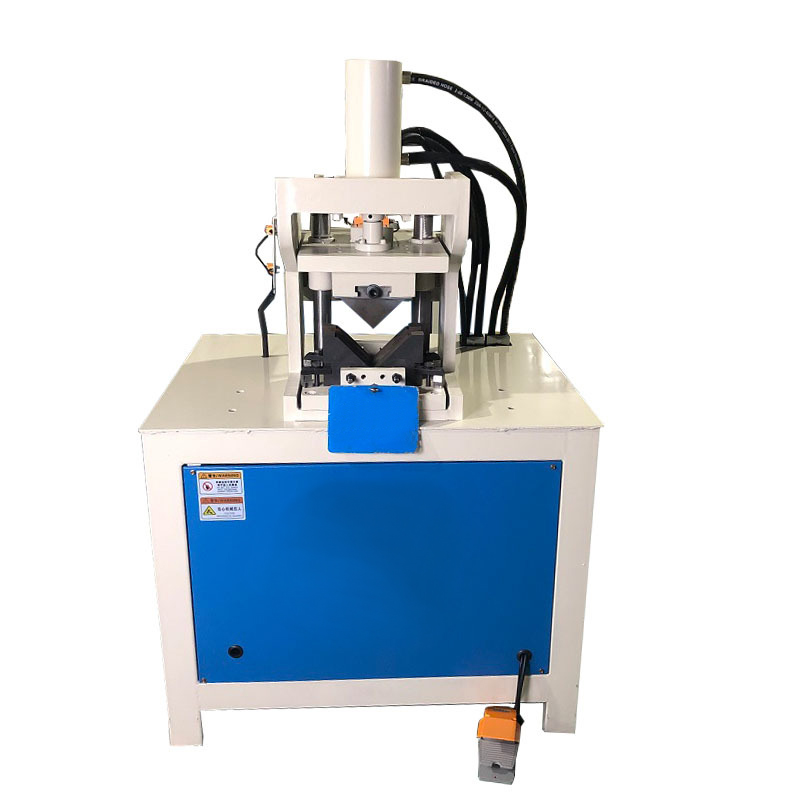
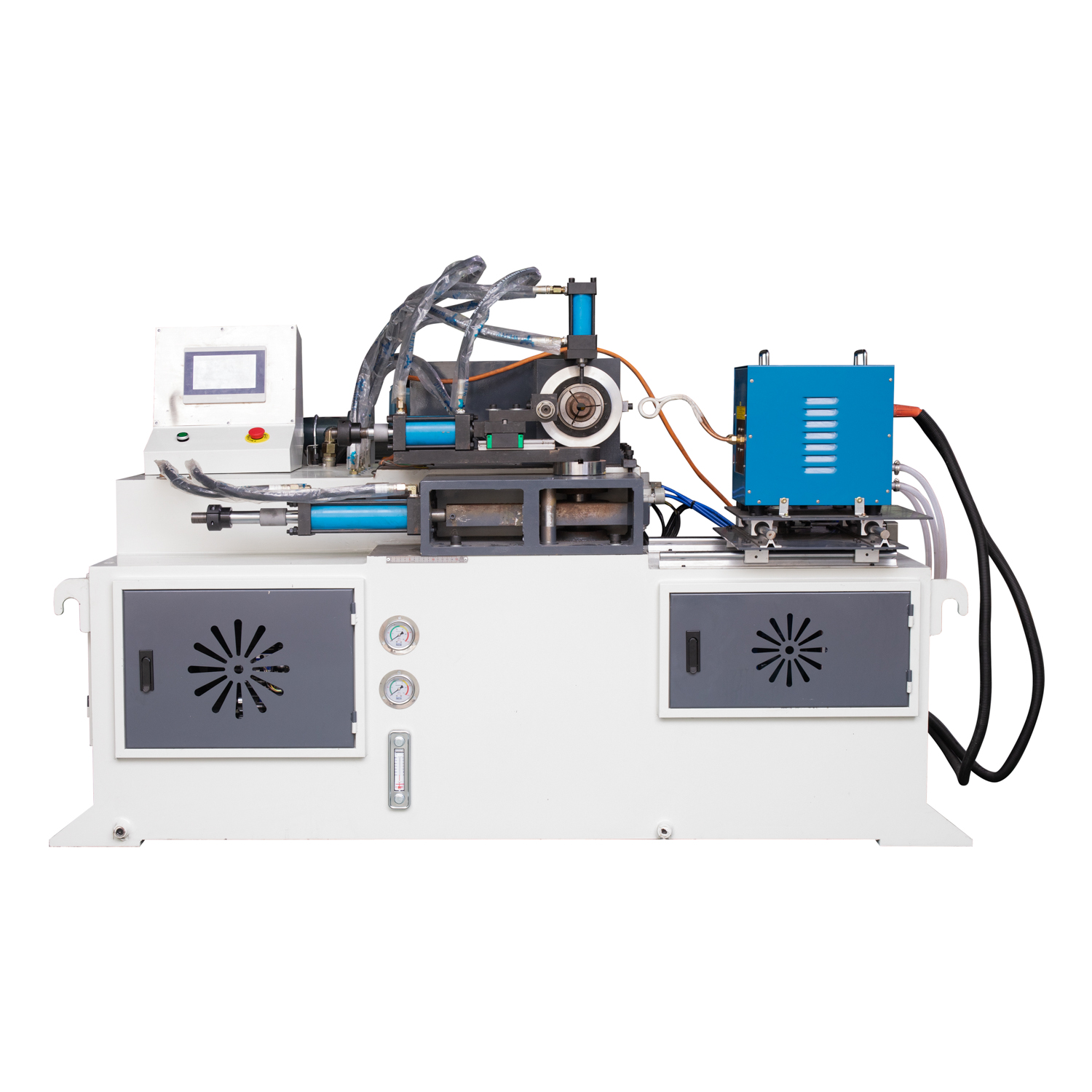
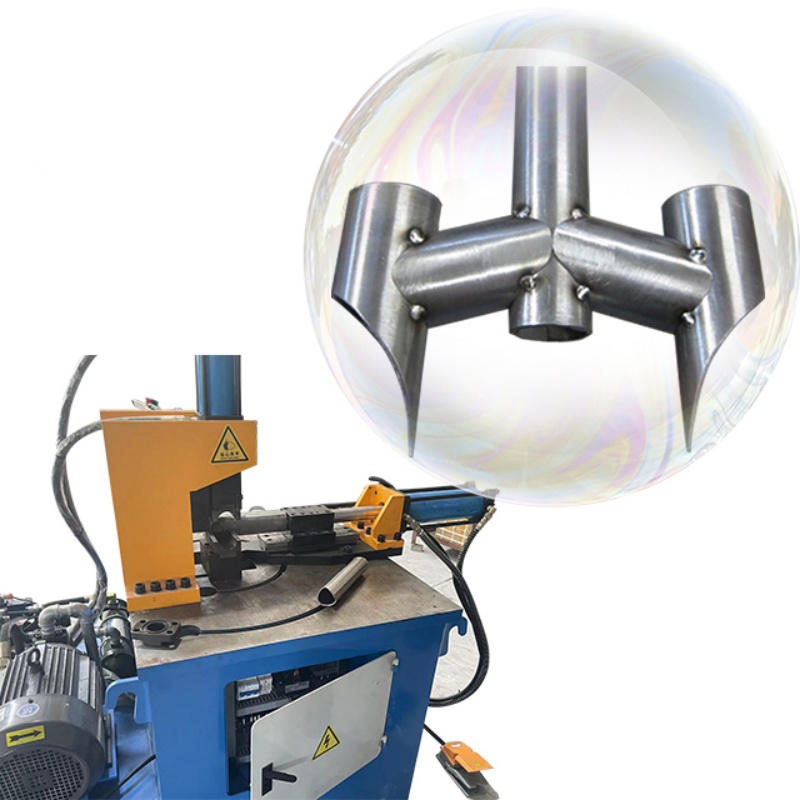
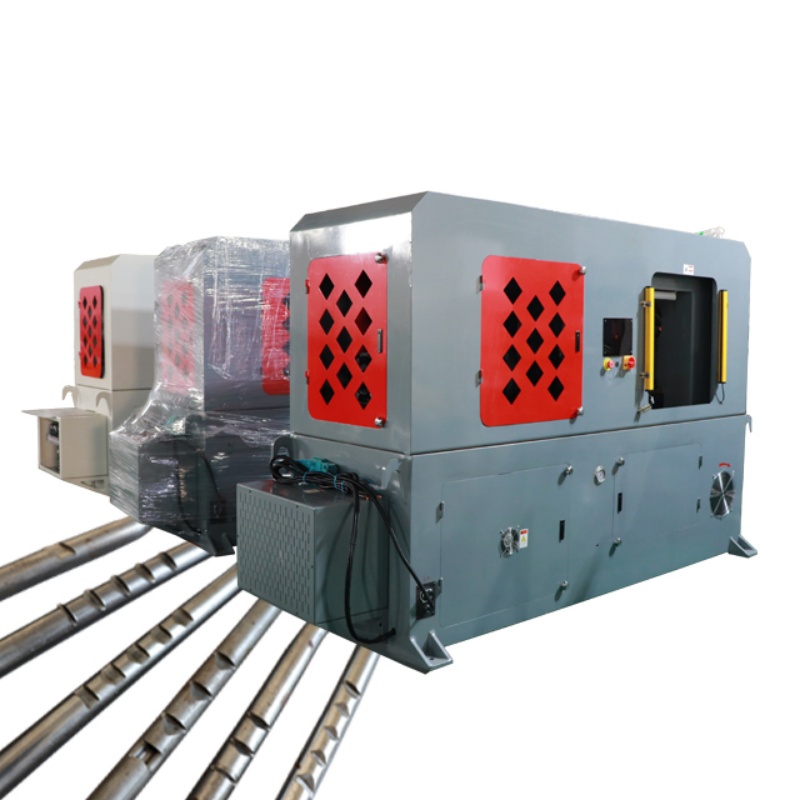
Pipe notching is a crucial process in various manufacturing and construction applications, enabling seamless connections in pipe systems. As a B2B buyer, understanding the intricacies of pipe notching equipment is essential for ensuring quality, efficiency, and compatibility with your specific projects. This article will guide you through evaluating pipe notching equipment, sourcing reliable suppliers, understanding technical specifications, troubleshooting common issues, and installation guidance for optimal performance.
Our Products

Where to Source Reliable Pipe Notching Suppliers for Your Business

Where to Source Reliable Pipe Notching Suppliers for Your Business

Sourcing reliable pipe notching equipment suppliers involves thorough research and evaluation of potential partners. Begin by examining online marketplaces and industry directories that list manufacturers and suppliers specializing in tube processing equipment. Look for companies with a robust online presence, customer reviews, and case studies demonstrating their expertise. 

Trade shows and industry exhibitions are also excellent venues for meeting suppliers in person. Engaging directly with representatives allows you to ask specific questions about their products, customization capabilities, and support services. Additionally, networking with peers in your industry can yield recommendations for trustworthy suppliers based on their experiences. 

Once you have narrowed down potential suppliers, request detailed quotations that outline pricing, lead times, and minimum order quantities (MOQs). This information will allow you to compare offers and assess which supplier aligns best with your project requirements and budget. 
Technical Specifications to Look for in Pipe Notching Equipmen

Technical Specifications to Look for in Pipe Notching Equipmen

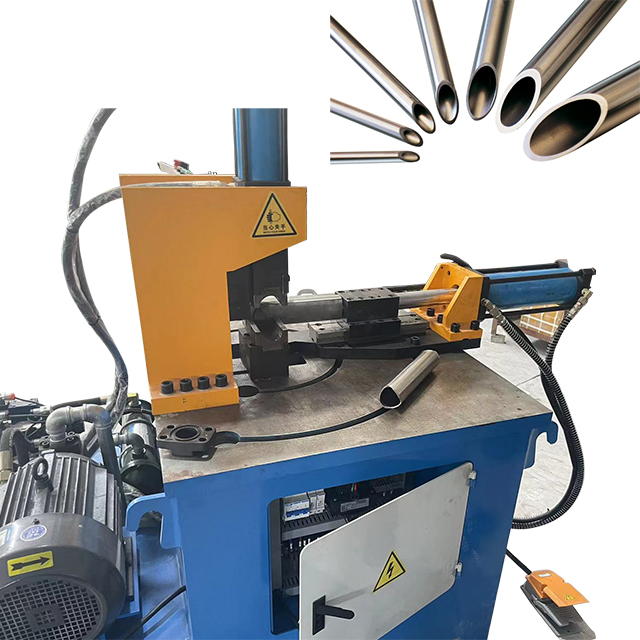
When evaluating pipe notching equipment, certain technical specifications are critical to ensure the machinery meets your operational needs. Key specifications to consider include: 

Material Compatibility: Ensure the pipe bending services can handle the specific types of pipes and materials you work with, such as stainless steel, carbon steel, or aluminum. Different materials may require variations in cutting speed and tooling. 

Notch Size and Shape: The equipment should be capable of producing various notch sizes and shapes to accommodate different applications. Understanding the maximum and minimum dimensions the machine can achieve is essential. 

Power and Efficiency: Assess the power rating of the equipment, as this affects its cutting speed and efficiency. A machine with higher power may operate faster and handle thicker materials better. 

Automation Features: Consider whether the equipment offers automation options, such as programmable settings for different notch profiles, which can enhance productivity and reduce manual labor. 

Safety Features: Look for machines equipped with safety guards, emergency stop buttons, and other safety mechanisms to protect operators. 

Understanding these technical specifications will help you select equipment that not only meets your current needs but also allows for future growth and adaptability. 

Common Problems in Pipe Notching and Effective Solutions

Common Problems in Pipe Notching and Effective Solutions

Several common issues can arise during the pipe notching process, potentially leading to production delays or quality concerns. Recognizing these problems early on allows for swift resolution. Some of the most frequent challenges include: 

Inconsistent Notch Quality: This could stem from dull tools, incorrect machine settings, or misalignment of the workpiece. Regular maintenance and tool replacement are essential to ensure consistent performance. Operators should also be trained in proper setup procedures. 

Material Deformation: Excessive heat generated during the cutting process can lead to warping or deformation of the pipe. To mitigate this, consider using cooling systems or adjusting cutting speeds to reduce heat buildup. 

Machine Downtime: Frequent breakdowns can disrupt production schedules. Implementing a routine maintenance plan, including inspections and part replacements, can minimize unexpected downtime. 

Safety Incidents: To prevent accidents, ensure that all operators are trained in safety protocols and that the machines are equipped with necessary safety features. Regular safety audits can also help identify potential hazards. 

By proactively addressing these common problems, you can enhance the reliability of your pipe notching equipment operations and maintain high-quality standards. 

Installation Guidance for Optimal Performance of Pipe Notching Machines

Proper installation of pipe notching equipment is vital for achieving optimal performance and longevity. Begin by selecting a suitable location that allows for adequate space around the machine for operation, maintenance, and safety. Ensure that the installation area is free from dust and moisture, as these factors can impact performance. 

Follow the manufacturer's installation instructions closely, paying attention to leveling the machine to prevent vibrations during operation. This step is crucial, as misalignment can lead to inaccuracies in pipe notching equipment. Additionally, ensure that all electrical and hydraulic connections are secure and meet local safety regulations. 

Once installed, conduct a thorough calibration of the equipment. This includes setting the correct cutting speeds, alignment, and depth of cut based on the materials you will be processing. Performing trial runs with scrap material can help fine-tune the settings before moving on to production. 

Finally, training operators on the correct use and maintenance of the electric pipe bending machine is essential. Providing clear guidelines on daily inspections and maintenance routines can greatly enhance the machine's performance and lifespan. 

By following these installation guidelines, you can ensure that your pipe notching equipment operates effectively, contributing to your overall production efficiency. 

How to Evaluate Pipe Notching Equipment for Quality Assurance

When assessing pipe notching equipment, quality assurance should be a primary concern. Start by verifying the manufacturer’s reputation and their commitment to quality control processes. Look for equipment that adheres to industry standards and certifications, as this indicates reliability and safety. Understanding the materials used in the construction of the machines is also critical. High-quality materials can significantly enhance durability and performance, reducing the likelihood of breakdowns and maintenance issues. 

Additionally, consider the equipment's operational precision. Effective pipe notching machines should offer consistent accuracy, which directly influences the quality of the final product. Request samples or demonstrations to evaluate performance firsthand. A well-designed machine should provide easy adjustments for different notch sizes and configurations, ensuring compatibility with various pipe diameters and wall thicknesses. Lastly, inquire about after-sales support and warranty options, as these factors can greatly impact the long-term satisfaction with your purchase. 

Why choose Bao Rui Pipe notching

Provide various customised and personalised machines

Our business is equipped with modern factories, advanced production machines, testing equipment and an experienced team of designers and technicians. The company has been involved in the field for 20 years, Pipe notching in the development of a full range of CNC hydraulic pipe bender, pipe cutter, aluminium cutter, chamfering machine, gear grinding machine and other products. We are able to provide you with various customized and personalized machines to meet your order requirements.

Provide quality and service assurance

Pipe notching conduct regular inspections of the product to ensure that the light source is performing at its best and extend the life of our lighting sources. This will minimize the amount of downtime. Laser lamp manufacturing is centered on establishing long-term partnerships by providing solutions tailored to your needs that foster mutual development and advancement. We're ISO9001 certified, CE certified and SGS certified. Before we deliver, we test the equipment, offer an examination video or live stream, and provide the machine a one-year guarantee. Our company's high-tech, advanced equipment and scientific management allow it to continue flourishing in the highly competitive market, both in the domestic and international. Our products are sold to Europe, America, and Southeast Asia, and users are pleased with the results.

Fast and convenient logistics service, safe and quick

We offer a range of logistic routes, such as air or land transportation. We offer a range of solutions for the transport of trade to Pipe notching that the products reach their final destination. We currently provide services for many customers around the globe. We export our products to over 60 countries.

Wide range of applications

We Pipe notching a reliable and reliable partner in the pipe and profile processing industry.

Our Blog Posts

What Savings Come from Using an Automatic Feeding CNC Pipe Cutting Machine vs. Manual Cutters

09

Oct

What Savings Come from Using an Automatic Feeding CNC Pipe Cutting Machine vs. Manual Cutters

Advantages of Using Automatic Feeding CNC Pipe Cutting Machines Some of the major benefits are its cost saving for any company or business. Below, we will show you how an automatic feeding CNC pipe cutting machine such as that of Bao Rui can als...
View More
Why do overseas auto parts manufacturers choose pipe bending/cutting equipment with automatic feeding machines?

06

Dec

Why do overseas auto parts manufacturers choose pipe bending/cutting equipment with automatic feeding machines?

Core logic: reduce costs, improve efficiency, and stabilize quality, precisely matching the large-scale needs of metal pipe processing for automotive seats/headrests/exhaust pipes, and addressing the pain points of high labor costs and strict quality...
View More
5 Signs Your Hydraulic Bender Will Lose Accuracy Within 12 Months

14

Jul

5 Signs Your Hydraulic Bender Will Lose Accuracy Within 12 Months

For many production lines including auto parts, medical devices and furniture, a hydraulic pipe bender is one of the most essential machines. Once the accuracy of a pipe bender declines, the scrap rate increases and rework costs eat into your profit....
View More
How Manufacturers Certify Explosion-Proof Benders for Safe Use

14

Jul

How Manufacturers Certify Explosion-Proof Benders for Safe Use

Working within a hazardous environment that’s contaminated with combustible gases, vapor, or flammable dust requires careful understanding of safety regulations and compliance guidelines. Electrical and mechanical equipment must function proper...
View More

Get a Free Quote

Our representative will contact you soon.
Email
Name
Company Name
Message
0/1000
Pipe Notching Equipment Quality Check

Get a Free Quote

Our representative will contact you soon.
Email
WhatsApp
Name
Company Name
Message
0/1000

Get a Free Quote

Our representative will contact you soon.
Email
WhatsApp
Name
Company Name
Message
0/1000