 EN
EN

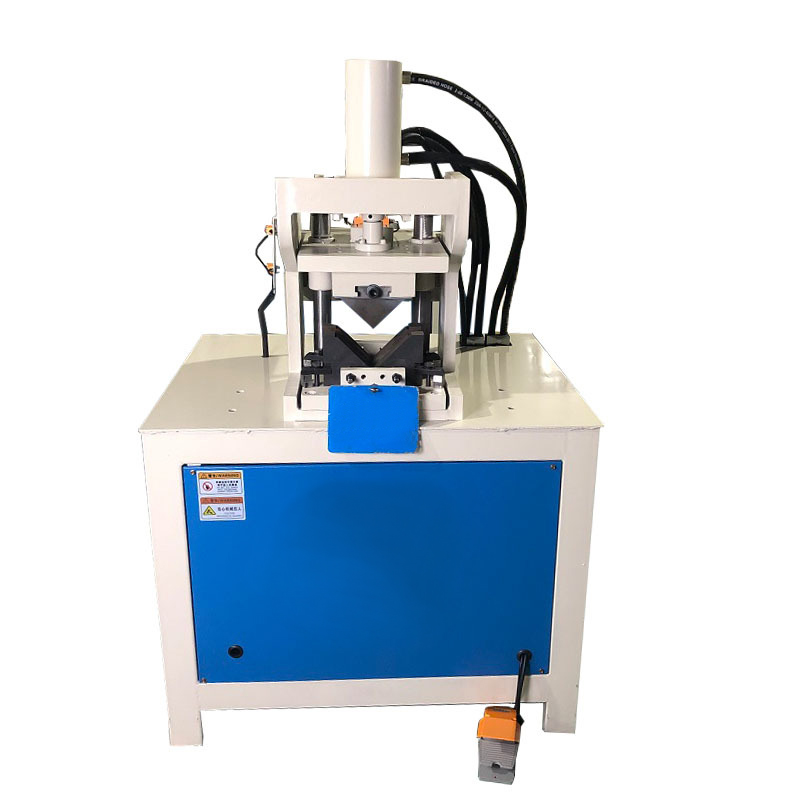
For many production lines including auto parts, medical devices and furniture, a hydraulic pipe bender is one of the most essential machines. Once the accuracy of a pipe bender declines, the scrap rate increases and rework costs eat into your profit. But this is good news for all pipe bender users: inaccuracy would rarely occur overnight; it always indicates clear signs up to several months ahead. Early awareness of those signs helps to take corrective measures before parts out of specification. Here are 5 clear signs that your machine is prone to lose accuracy within next one year based on Baorui's 20-year experience in manufacturing CNC hydraulic benders, cutters and chamfering machines.
Sign 1: Inconsistent Bend Angles on Identical Parts
The most obvious warning sign is when you repeatedly run the same program but get different bend angles — for example, 89.5 degrees for one 90 degrees bend and 90.6 degrees for the another. This implies an unstable hydraulic pressure is likely formed. It's commonly caused by aged pump component, hydraulic fluid impurity or faulty proportional valve, which lead to fluctuating hydraulic force for bending. Once this pattern appears, examine your hydraulic oil quality or test system pressure at several points throughout a bending cycle.
Sign 2: Increased Springback Variation
Metal will rebound a bit after it is bent. Normally every kind of metal material has a predictable spring back. When this amount is noticeably changing each time you bend a part with the same batch of materials, it is an indicator that the pipe bender's control performance has degraded. Nowadays the CNC hydraulic pipe benders are designed to automatically compensate for springback. Once compensation effect starts to change wildly, it means that the feedback signal from its position sensors or encoder is becoming unstable. Measure the springback across 20 consecutive parts. Once the range exceeds 0.5°, the machine will soon become inaccurate.
Sign 3: Unusual Noises or Sluggish Movements
Hydraulic pipe bender is normally a smooth and precisely-controlled machine. Knocking, grinding or persistent whining from its pump and cylinders is typically an internal wear. Slow bending speed or delayed dies' clamping is also a sign indicating problems. These symptoms are usually a consequence to declining accuracy due to instability in hydraulic circuit's flow and pressure. Do not underestimate any new noises. Arrange a system inspection promptly. Replacing worn pumps and cleaning clogged filters will save you significant time and cost on scrapped parts.
Sign 4: Visible Oil Leaks Around Seals and Fittings
A tiny oil leak is easy to overlook; a few drops a day do not seem too much at first. Nevertheless, even a minor leak means pressure is bleeding from the hydraulic system and is directly leading to changes in bending force applied, thus affecting bending angle and the shape of the piece. Check the seals and joints around cylinder rod, hose, and manifold connectors every week. If wet spots or drips occur, they should be replaced as soon as possible. Ignoring the leaks will eventually result in inaccurate readings, since pressure will fluctuate.
Sign 5: Difficulty Repeating the First Part After a Restart
This is an exceptionally good diagnostic test. Operate the pipe bender for one hour then turn it off and allow it to cool down to the room temperature before operate the next day. Measure the very first piece produced after restart and compare with those produced before shutdown. As long as your pipe bender is healthy, their differences should fall within your tolerance range. A noticeable discrepancy would directly suggest that thermal compensation mechanism or hydraulic stabilization mechanism is faulty. The problem will escalate within the next year, making more parts out of the requirement and demanding frequent recalibration and more waste material.
What to Do When You Spot These Signs
Do not wait until a total machine failure occurs! Establish a preventative maintenance schedule! Change hydraulic fluid and filter according to maintenance recommendations. Train your operators to log angle variations and any abnormal noises. A professional diagnosis is recommended once your machine presents several symptoms. Baorui has designed its CNC hydraulic pipe benders and accessories for service convenience, knowing that accuracy is not a a luxury but an essential need for industries such as auto parts and medical devices.
Conclusion
Your hydraulic pipe bender's loss of accuracy will rarely surprise you! Changing angle inconsistency, uneven spring back, abnormal noises, oil leakage and first piece repeatability problem are 5 clear signs. Addressing these warning signs promptly will often maintain the machine’s high accuracy performance beyond 12 months. Ignoring them is equivalent to waiting for higher scrap rates, customer rejections, and emergency repair costs. Constant observation and scheduled maintenance will save your production quality easily.