 EN
EN

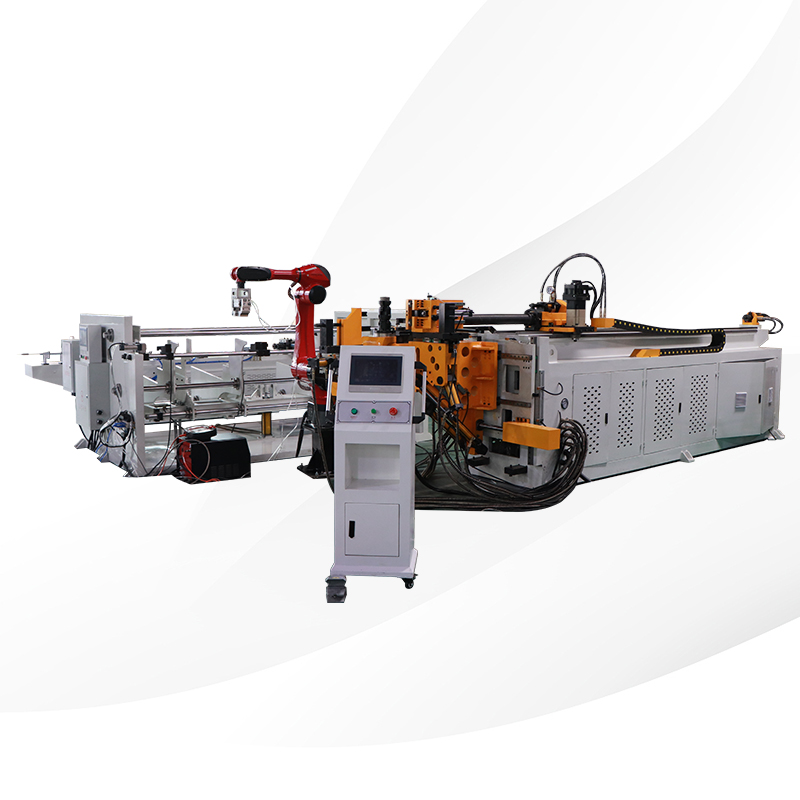
For the small fabrication shop, purchasing a CNC pipe bender is a significant investment. Unlike mass manufacturers with devoted testing teams, smaller shops need a machine that performs when taken out of the box, bends production volume day after day with few or no adjustments—and most importantly—performs clean wrinkle free bends. Wrinkles on the inside radius of a bent tube not only detract from the appearance of the bent part but result in stress concentration, reduced flow capacity in fluid lines, and rejected parts. This article examines how wise shops select benders that provide wrinkle-free bends without an unnecessary price premium.
Understanding Why Wrinkles Occur in Pipe Bending
Wrinkling is the collapse of the material on the inside radius of the bent tube under compressive stress. Thin walled tubes, tighter radius bends and softer materials such as aluminum or copper are especially prone to wrinkling. Many shop owners believe any CNC bender will work equally well for all materials. Nothing could be further from the truth, because the strength of the clamping system, the quality of the mandrel, and the effective control of the pressure die determine the appearance of the bent tube. A key learning experience for small shops is to know that non-adjustable die set CNC benders will produce wrinkles when one switches from one tube diameter or wall thickness to another.
Key Features That Prevent Wrinkling Without Complicated Setup
The simplest ways to prevent wrinkling are with adjustable pressure die assist and an accurately ground mandrel. Pressure die assist pushes the tube forward as it is bent; therefore lessening the effect of compression on the tube wall. The multi-ball mandrel supports the inside wall of the tube through the bend radius. A wise shop owner looking to bend multiple tube sizes with limited downtime should search for a CNC bender that offers a quick change mandrel that can be removed from the head without completely disassembling it. Another often overlooked component is the wiper die. It eliminates the gap between the outside of the bend and the bending die — a gap that can cause wrinkles at the start of the bend.
Practical Evaluation Methods Before Purchase
Smart shop owners get hands on and knees and try to bend some tube with the machine before they pay for it. A good CNC tube bender supplier will ask the potential customer to bring their most problematic tubing—thin walled stainless or tight 1D bends for example, and bend it on the machine. Look for three factors during this test: does the first part come out wrinkle-free? does the machine make ten consecutive perfect bends? How easy is it to change the die set from the first tube to the next? Small shops should request a written setup sheet that corresponds to the tubing material being tested—any supplier who can’t produce this likely doesn't have the answers.
Balancing Cost Against Long-Term Bend Quality
The pressure on small shops to buy the least expensive CNC bender often overrides their judgment. Producing wrinkle-free bends, however, is more about precision than low cost. Any machine that lacks a properly designed pressure die assist and/or mandrel will produce scrap and wasted material as well as countless hours wasted trying to "chase" settings that are good only for one particular production run. The real comparison of costs is the good parts per hour and not the machine's price. Many shops report that spending 20–30% more on a machine capable of wrinkle-free bends saves them more than enough in scrap and lost operator time within six months. Leading shops such as Baorui have developedCNC hydraulic benders specifically for low-volume, high-mix work that would require significant additional costs in order to perform wrinkle-free bending on any less advanced machine.
Maintenance Practices That Preserve Wrinkle-Free Performance
If you are willing to compromise on machine maintenance, you can't expect the machine to consistently perform. For any shop owner, the weekly machine check involves looking for signs of wear on the mandrel balls, observing the condition of the wiper die and looking for a smoothly operating pressure die assist cylinder. Maintaining adequate lubrication between the bending die and the mandrel shaft is particularly important when working with aluminum or stainless steel. A five-minute walk-around can prevent a whole batch of valuable tubing from being scrapped by allowing you to identify any maintenance issues before they cause an issue. A prudent shop will also carry a few spare wiper dies and mandrels in stock for an immediate repair as soon as wear does become an issue.
Making the Final Decision for Your Shop Floor
The choice to purchase a wrinkle-free CNC tube bender involves matching a machine's capabilities with the needs of the parts you intend to bend. The shop should start with the three types of parts they most commonly bend: material, wall thickness, bend radius and diameter and compare these characteristics to a given bender's minimum mandrel diameter and maximum pressure die assist force. Avoid machines that require loose tooling or manually adding shims in order to create proper alignment. Lastly, request referrals from the supplier of benders that would be working for similar size operations as yours. A supplier with a demonstrated history of helping small fabrication shops produce wrinkle-free bends for their customers will be infinitely more valuable than a low-priced one that cannot. Baorui's two decades of experience in building CNC benders for shops of all sizes allows it to provide high value in a machine that consistently provides wrinkle-free parts with minimal amount of engineering effort. When the first part produced on the machine looks exactly like the hundredth, you will know you made the correct decision.
Table of Contents
- Understanding Why Wrinkles Occur in Pipe Bending
- Key Features That Prevent Wrinkling Without Complicated Setup
- Practical Evaluation Methods Before Purchase
- Balancing Cost Against Long-Term Bend Quality
- Maintenance Practices That Preserve Wrinkle-Free Performance
- Making the Final Decision for Your Shop Floor