EN
EN

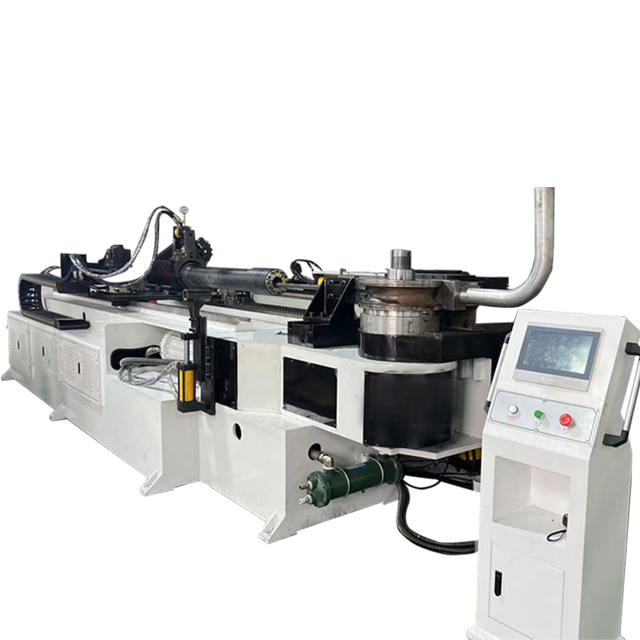
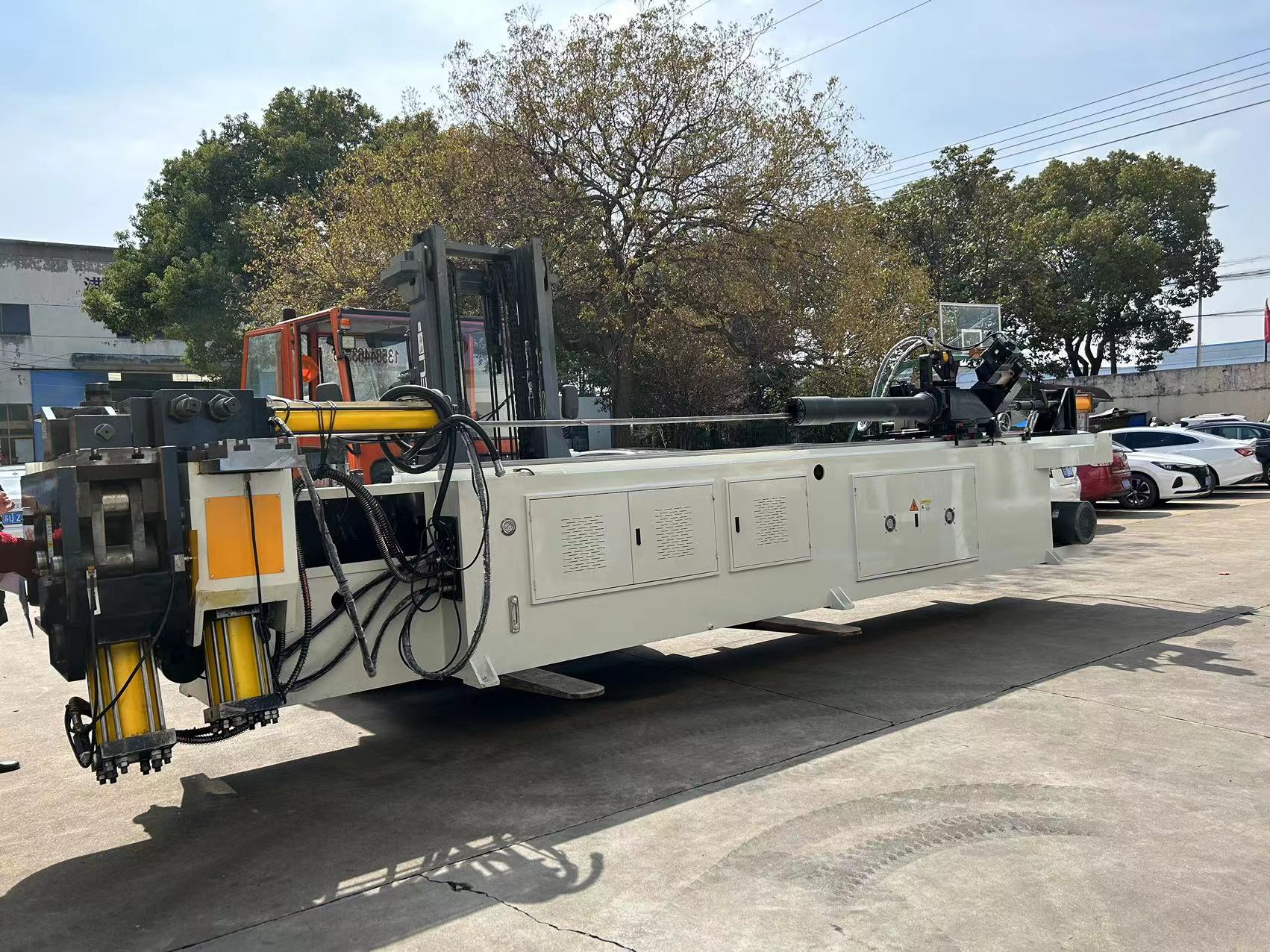
Choosing the right 1 1 4 bender is crucial for ensuring that your tube processing tasks are executed efficiently and effectively. This equipment is designed to bend tubes of specific dimensions and materials, and selecting the appropriate model can significantly impact both your operational efficiency and product quality. We will explore key considerations for selecting a Bao Rui harbor freight pipe benders, specifications to keep in mind, quality control measures, cost-saving strategies, and common installation challenges, providing you with the insights needed to make informed purchasing decisions.
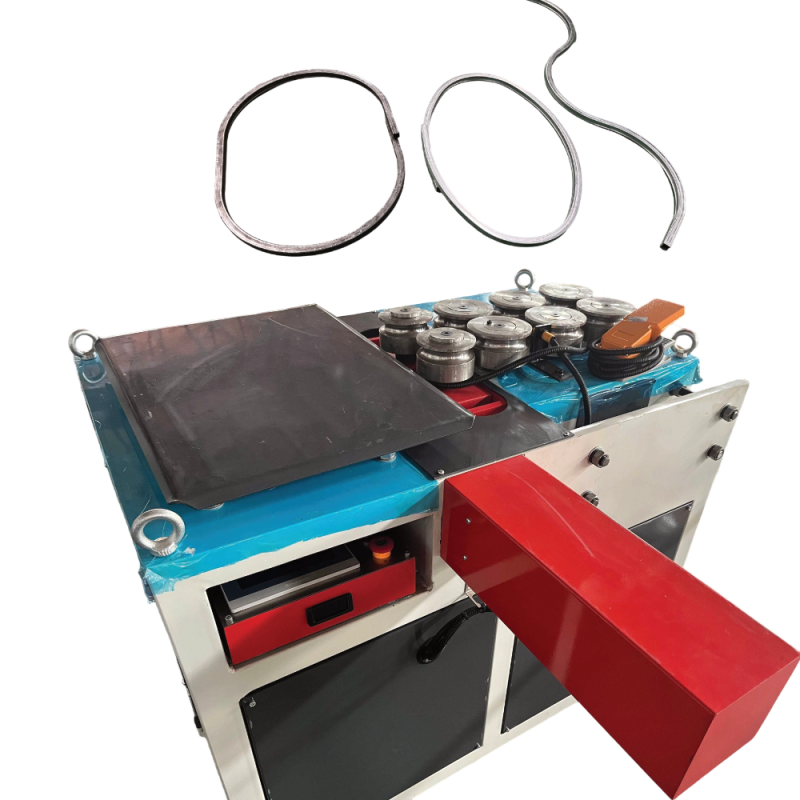
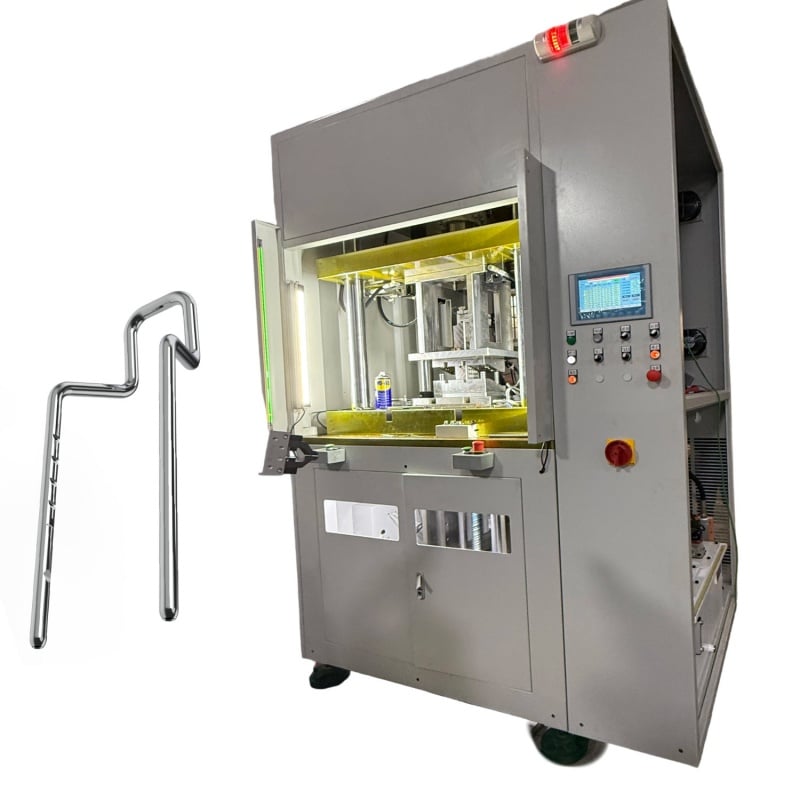
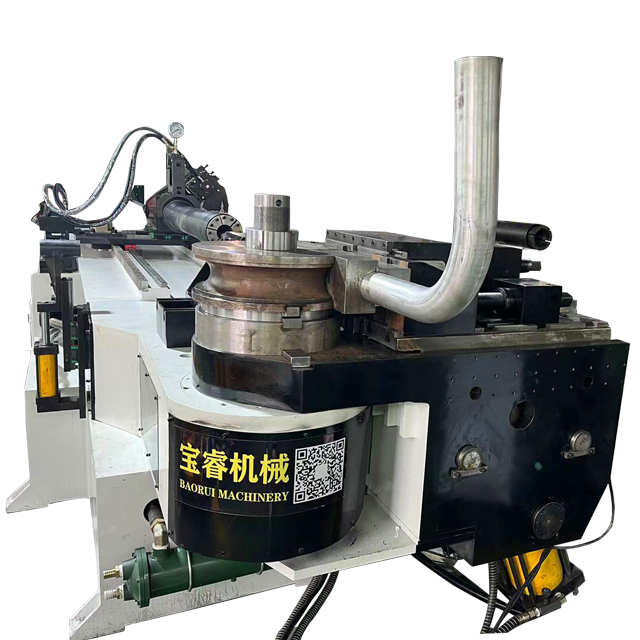
Specifications to Consider When Sourcing a 1 1 4 Bender
Understanding the technical specifications of a 1 1 4 bender is essential for making an informed purchase. Key specifications include:
Material Compatibility: Ensure the Bao Rui stainless tubing bender can handle the specific types of tubing materials you require. Check for compatibility with materials like carbon steel, stainless steel, and various alloys.
Bending Capacity: Look at the maximum diameter and wall thickness that the machine can accommodate. This information is crucial to ensure it meets your production standards.
Bend Angle Range: Different projects may require various bend angles. A versatile bender should allow for adjustments to create acute, obtuse, or even compound bends.
Automation Level: Assess the degree of automation you need. Fully automated machines offer efficiency and precision for high-volume tasks, while manual options provide control for specialized applications.
Control Systems: Investigate the type of control systems used. Advanced benders often feature digital interfaces that allow for precise programming of bending parameters.
Focusing on these specifications will help you identify a 1 1 4 bender that suits your operational needs and enhances productivity.