EN
EN

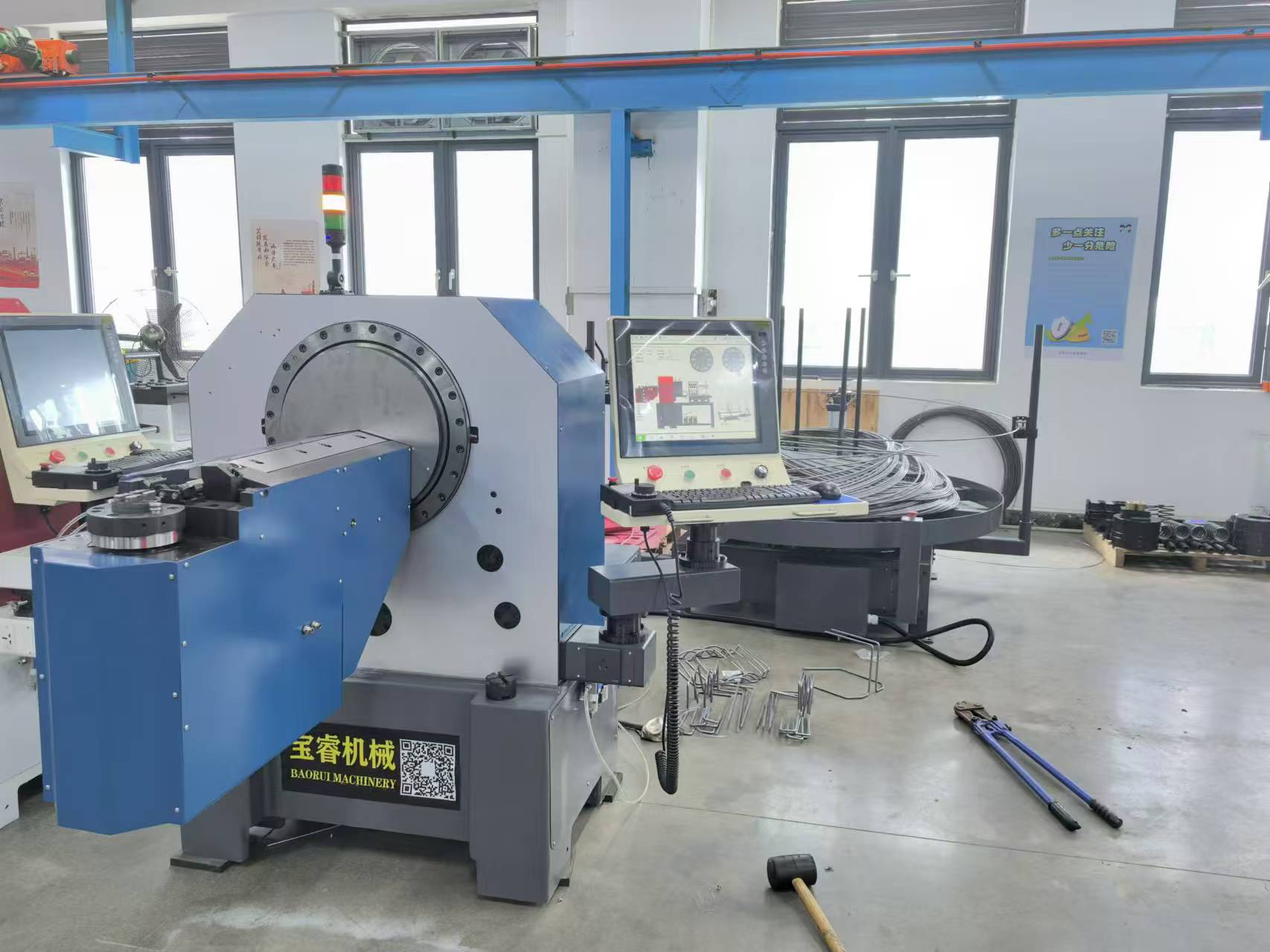
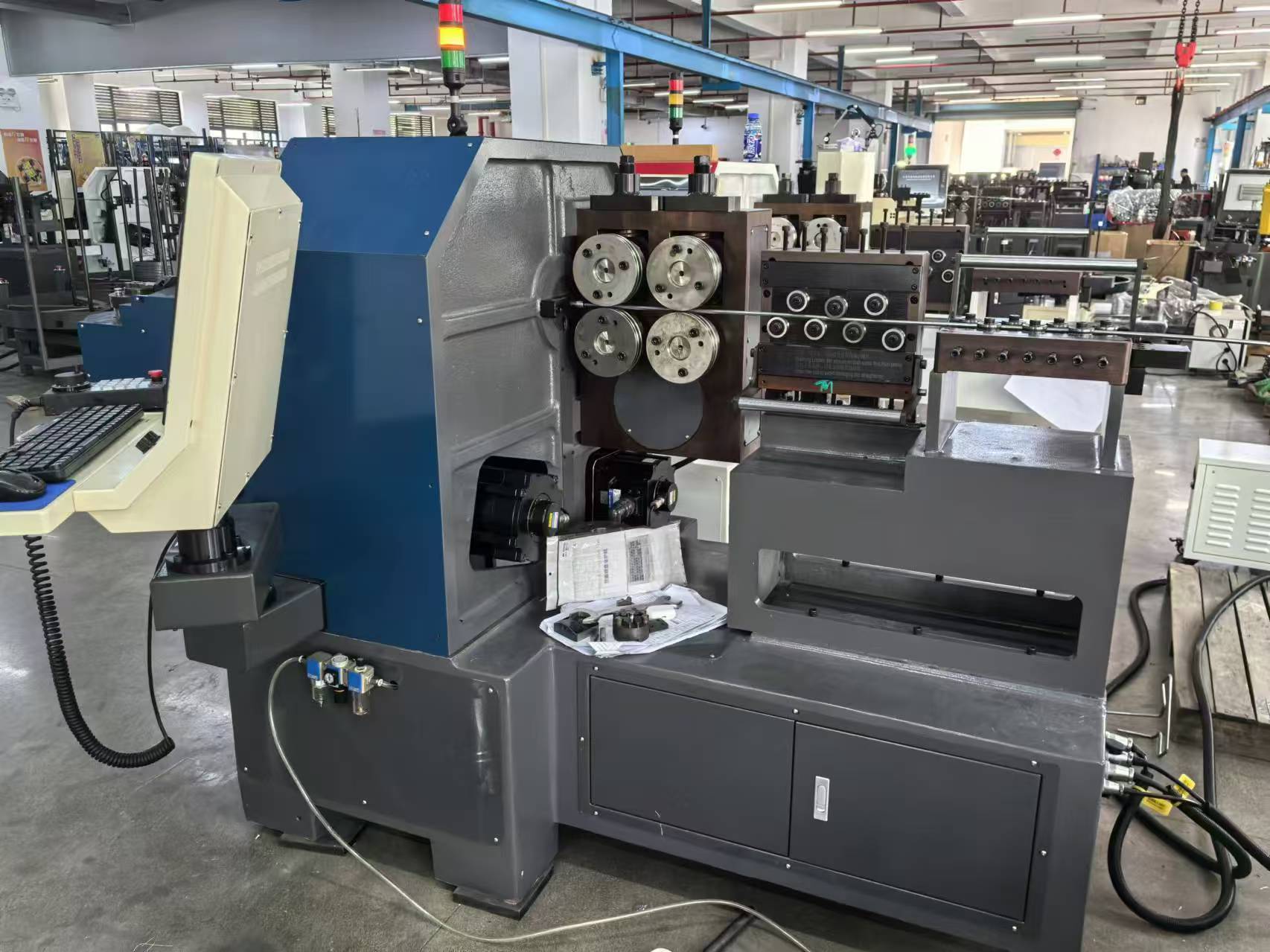
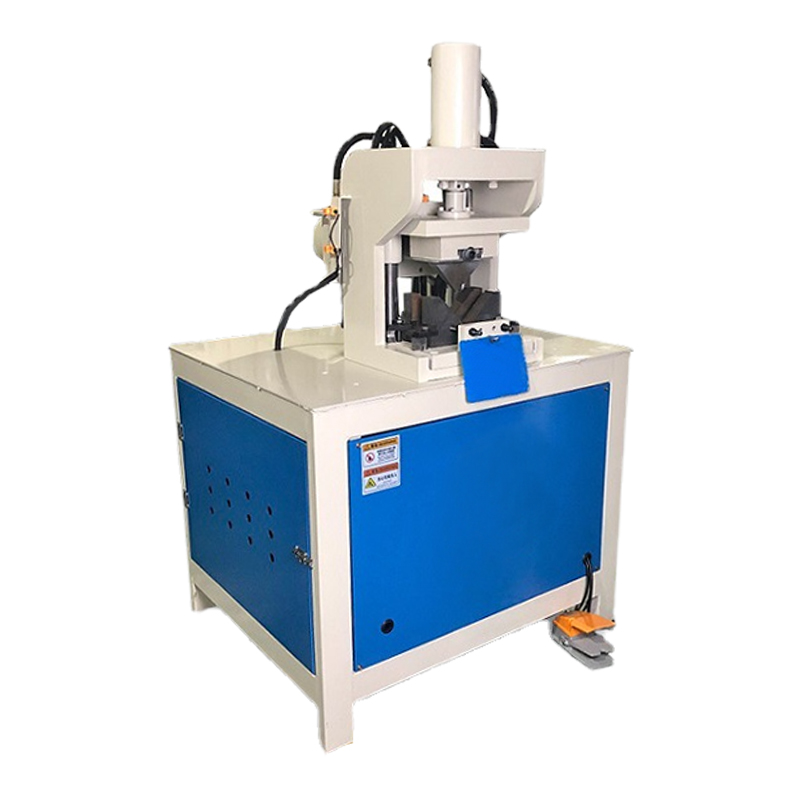
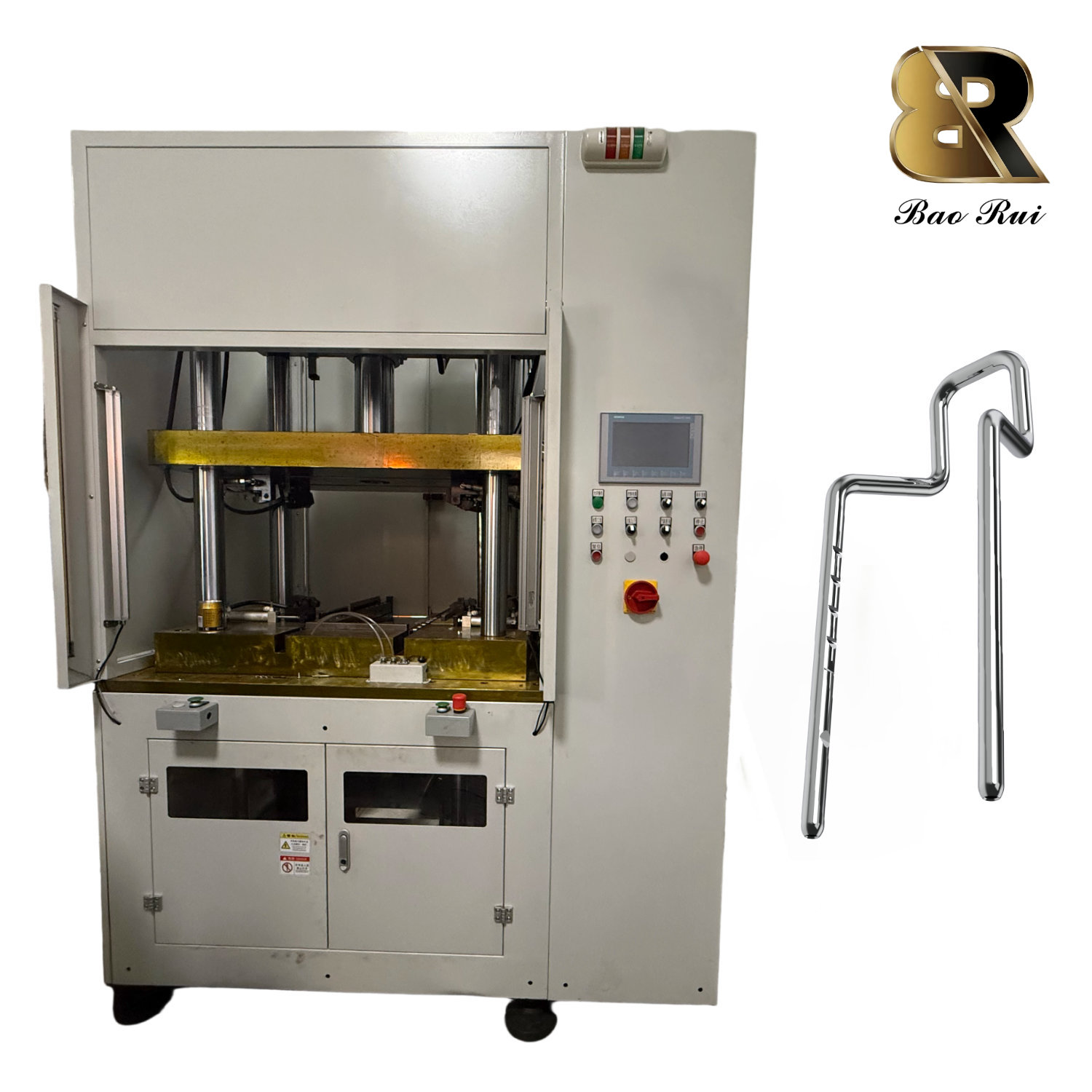
When it comes to precision manufacturing, a wire bending machine is an essential tool for creating complex shapes and components from wire. These machines are crucial for industries like automotive, aerospace, and construction, where exact specifications are a must. Buyers often grapple with concerns such as machine capabilities, customization options, and performance reliability. This article will guide you through selecting the right wire bending machine, evaluating specifications, installation guidance, applications across industries, and the features that can enhance your production process.
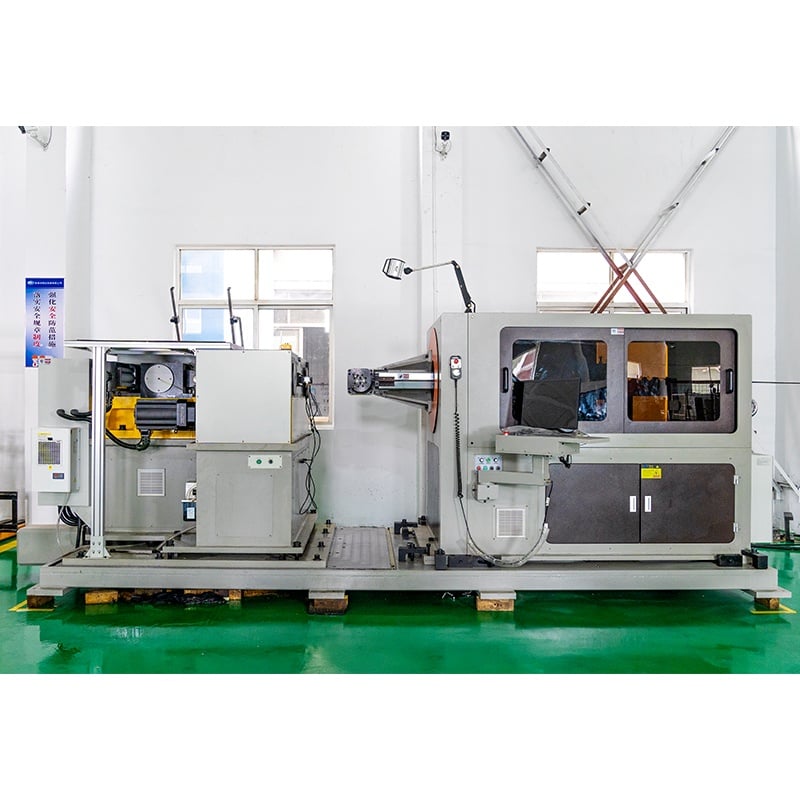
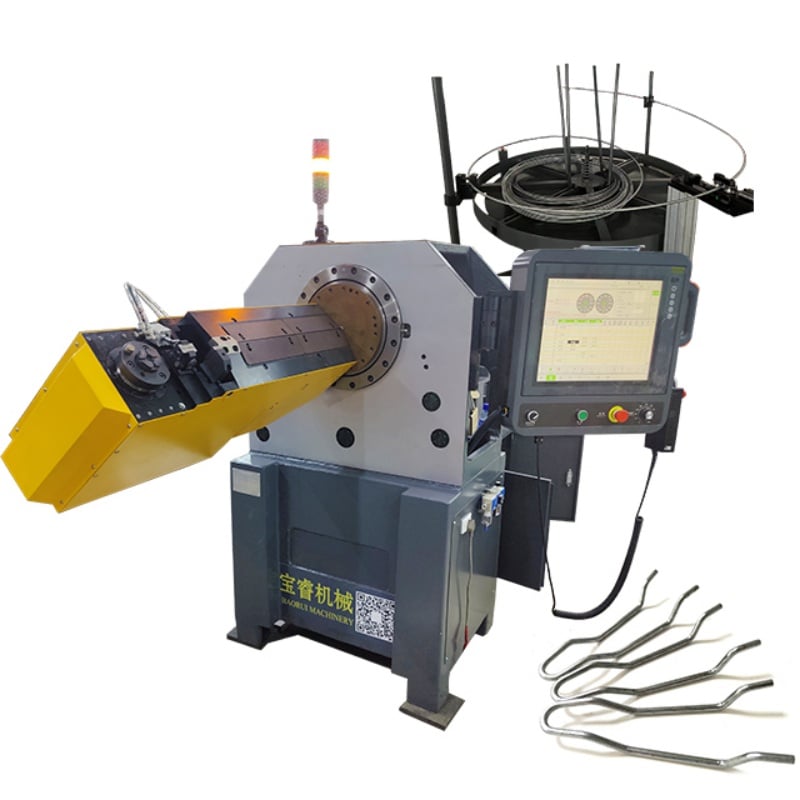
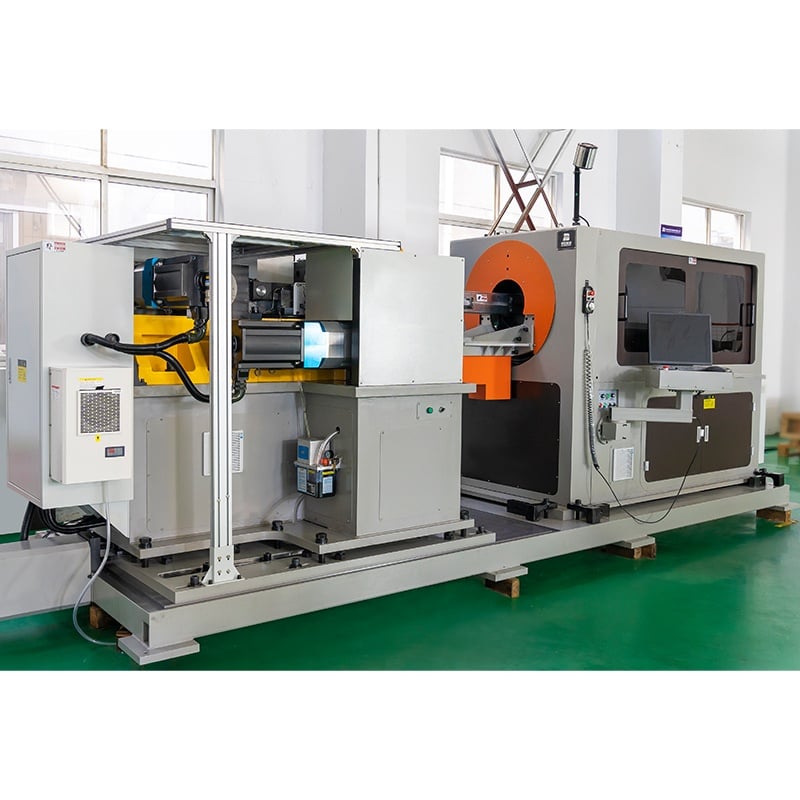
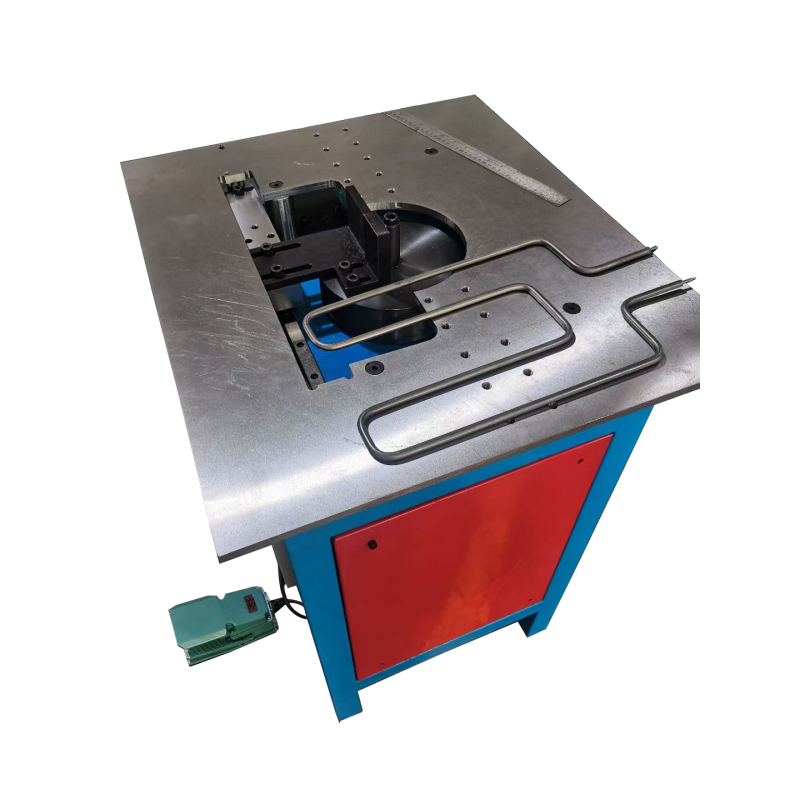
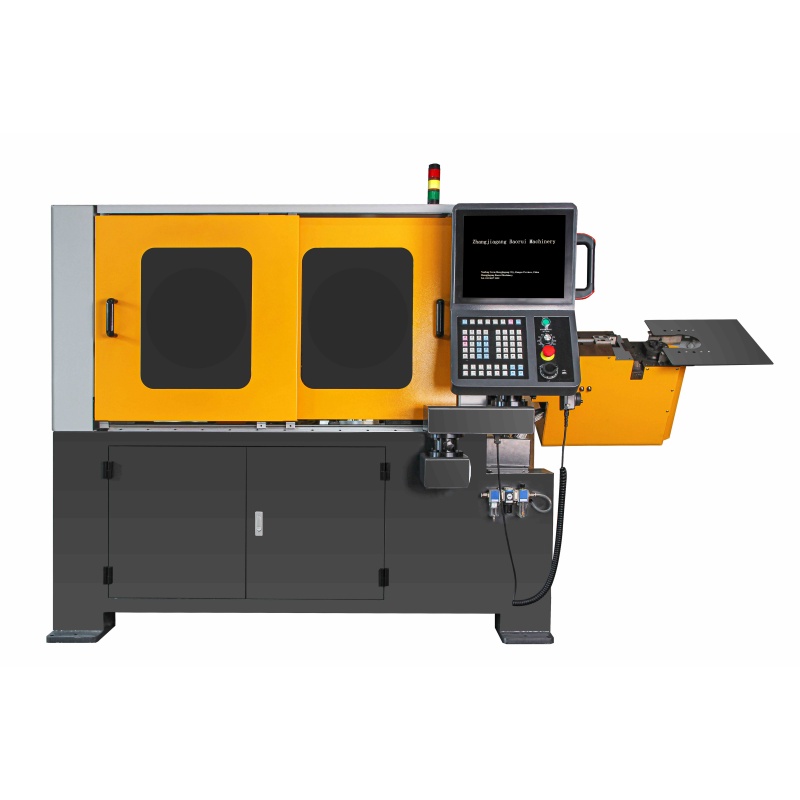
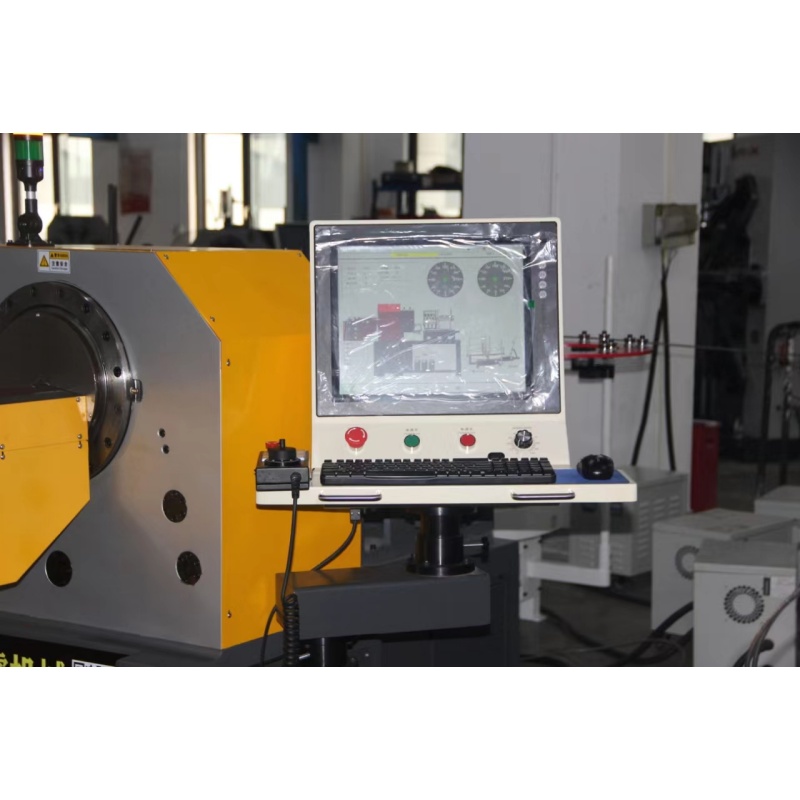
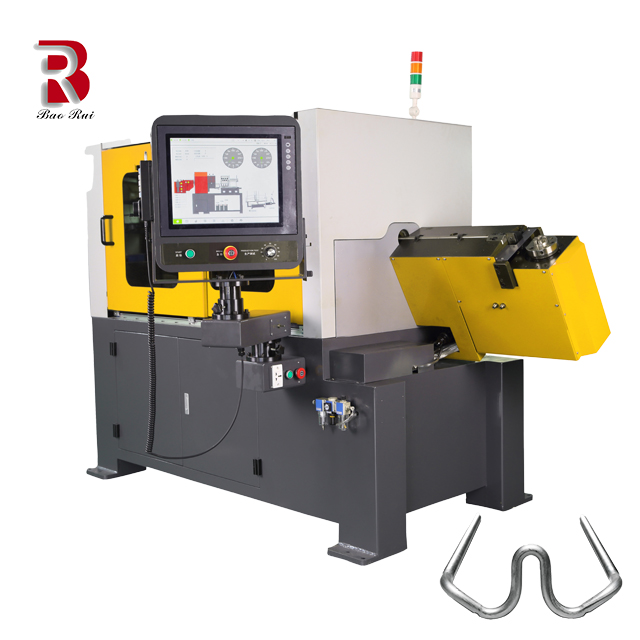
How to Evaluate Wire Bending Machine Specifications for Purchase
When assessing wire bending machine, it's essential to understand and evaluate several key specifications that directly impact machine performance.
Bending Radius: This specification indicates the smallest radius the machine can achieve. A tighter radius may be necessary for complex designs, while a larger radius suffices for simpler shapes.
Wire Diameter Range: Check the machine's ability to handle various wire diameters. A versatile wire bending machine will accommodate different sizes, which is advantageous for manufacturers producing a range of products.
Automation Level: Determine whether you need manual, semi-automatic, or fully automatic wire bending machine. Automated machines typically offer higher precision and speed but may require a larger initial investment.
Control System: Look for wire bending machine equipped with advanced control systems, such as CNC (Computer Numerical Control), which provide enhanced accuracy and repeatability in production.
Production Capacity: Understand the machine’s output per hour or shift to ensure it meets your production demands. This will help you gauge whether the investment aligns with your business goals.
Buyers should also verify warranty and after-sales support, which can be critical for minimizing downtime and ensuring smooth operations.