 EN
EN

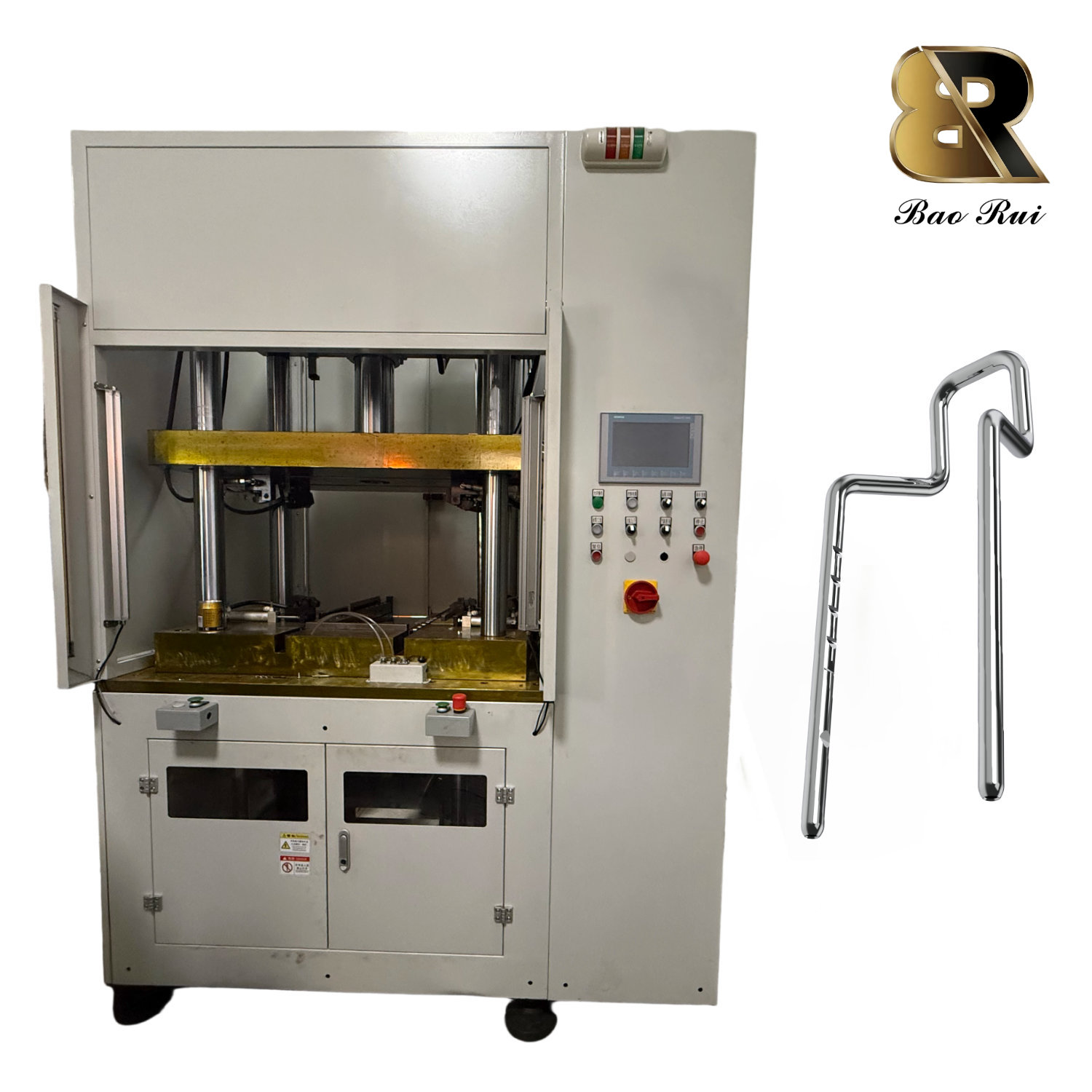
The challenges of bending stainless steel tube do not end with perfectly matching the correct angle and radius. Surface quality is extremely important, as few will tolerate scratches or tooling marks on products used in the kitchen, bathroom, medical, architectural, and other applications. Beyond their undesirable appearance, scratches can also induce corrosion. A bender needs to be selected to protect the surface quality during this bending process.
The Critical Role of Tooling Materials and Coatings
The area most susceptible to surface scratching occurs where the bending tool contacts the stainless steel tubing. Because conventional steel tool inserts gall and scratch as the tubing is pushed through the bending and wiping dies under pressure, the correct solution is the selection of tooling materials and coatings tailored to stainless steel. Hard chrome plating over stainless steel bend dies produces a low-friction, hard surface that prevents tubing from scratching against it. Tooling coated with harder materials, such as titanium nitride or diamond-like carbon, offers enhanced lubricity and superior scratch resistance for heavy duty stainless steel bending applications. Likewise, the material of the wiper die which holds the back side of the tube wall in tension during the bend must provide ample strength without unnecessary resistance to tubing movement. Many companies provide tooling with removable inserts, some made from wear resistant polymers that conform to and support the inner diameter of the tube during bending without marring the surface.
Mandrel Design and Interior Support Systems
Surface scratches on stainless steel tubes are actually not only caused externally; a lack of internal support can also result in ovalization, deformation, and other surface defects. The tube should be supported internally by a mandrel that extends through the bend radius. This supports the tube during bending and prevents ovalization. Most thin-wall steel tubes — especially those with sharp bend radii, require properly dimensioned ball mandrels. As the balls in a ball type mandrel move and adapt through the bend, a properly engineered mandrel with rolling ball support prevents inward collapse. This avoids compression marks that would become visible on the outer surface. It is very important that the inner surface of tube does not get scratched; not only the quality of steel but also the polish on the mandrel is to be considered (on thin walled tubes surface flaws from the mandrel become obvious on the outside). Single ball, multi-ball or plug mandrel should be selected according to the bend radius and wall thickness.
Proper Lubrication and Cooling Strategies
Heat arises from friction between stainless steel surface and tooling which can actually soften the metal, creating an increased risk of galling and scratching. Lubrication to minimize this friction also keeps heat down, enabling the tube to slide easily through the bend. Stainless steel requires lubricants designed for its unique challenges. Extreme pressure agents in lubricants are critical; their ability to strengthen and reinforce lubricating film prevents the surfaces from coming into direct contact. The delivery system for the lubricant is also important. In some bending machines, the lubrication system has automated delivery to dispense an even film onto both the tube and tooling surfaces. In continuous production, an additional cooling function for the tooling is beneficial to maintain consistency in and to prevent over-accumulation of heat. Through spindle coolants and misting systems offer an additional level of control over heat generation.
Machine Rigidity and Vibration Control
Outside the zone of machine parts in contact with the mold-tube area of bending (for example, flexible frame), the machine is critical in this process due to its rigidity and during bending this effect is especially noticeable and helps the machine not cause damage. A bent machine which under a bending force gives a relatively flexible body bends along the tool during the action creating unequal paths contact with parts of it and then they get scratched,. Hard and accurately calibrated bed machine with a pre-tightened drive parts which reliably follow the set bending curve helps machine without unexpected contact with surfaces in use.
Even the slightest vibrations that is not noticed by operators can cause micro-chatter which are tiny scratches or surface roughness of the workpiece. A good bender has good vibration damping ability. High quality machines minimize vibrations with proper structure, cast iron parts, bracing and heavy weight so that even smallest traces are suppressed. When selecting a bender, observe the overall weight, structure of the machine including thickness of cast iron and its braces to perform good quality bending of stainless steel.