EN
EN

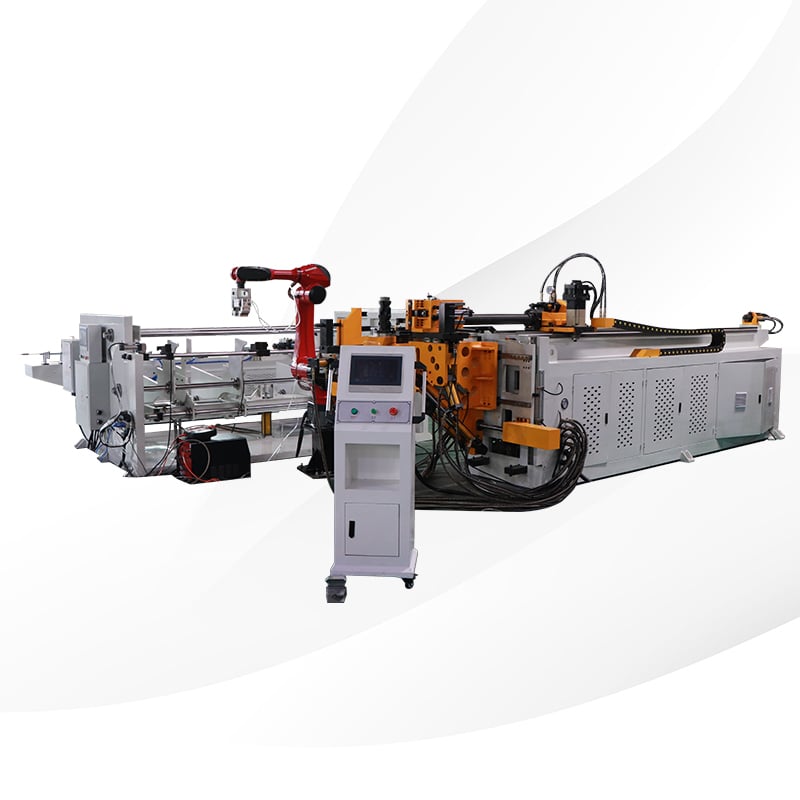
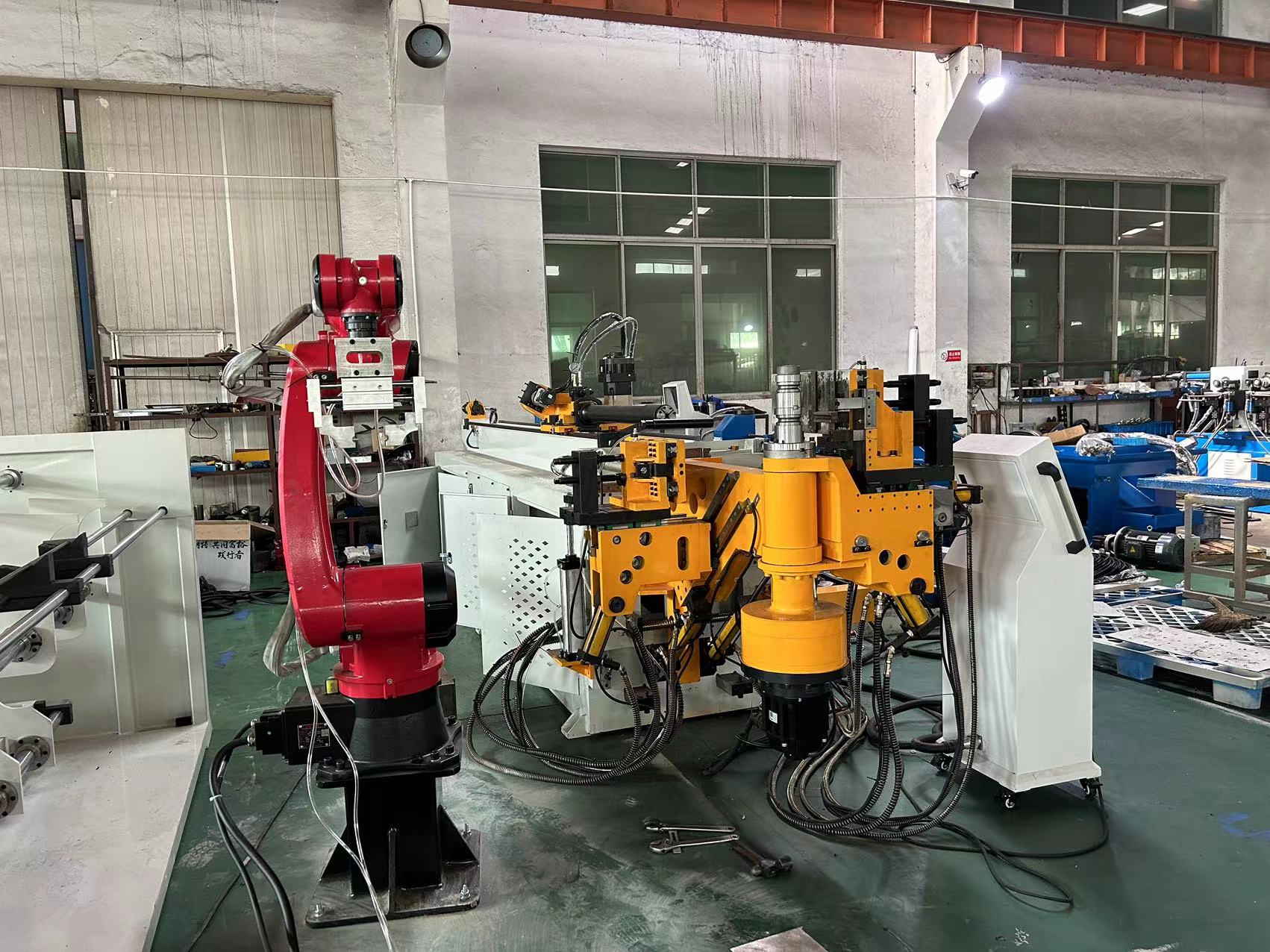
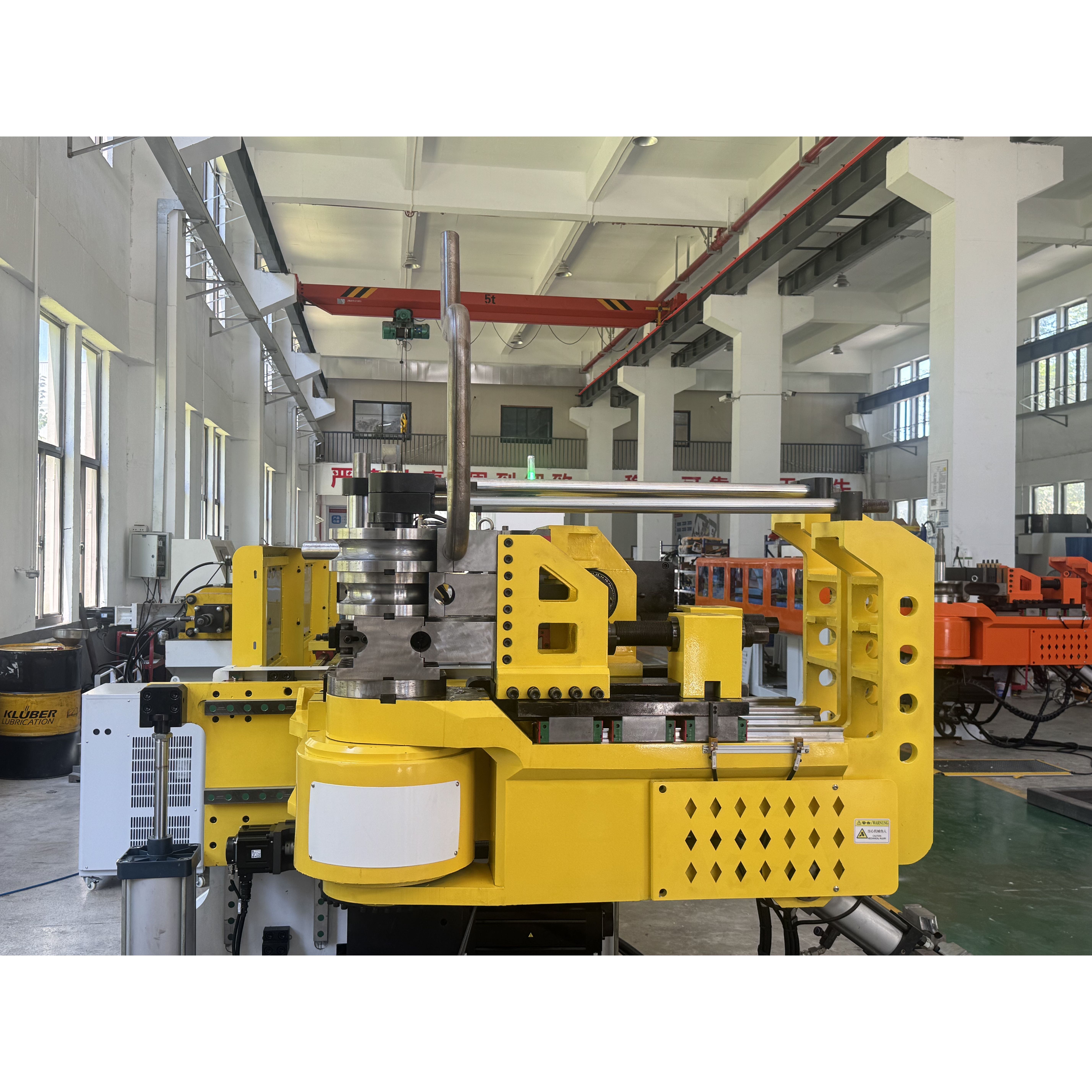
When it comes to tube bending effectively, many professionals turn to the Harbor Freight bender for its affordability and versatility. However, making the right choice involves understanding the specific needs of your application and ensuring that the cnc bender can meet those requirements. This article will delve into critical considerations for selecting a Harbor Freight bender, including specifications, supplier comparisons, common challenges, and material advantages, helping you to make informed purchasing decisions.
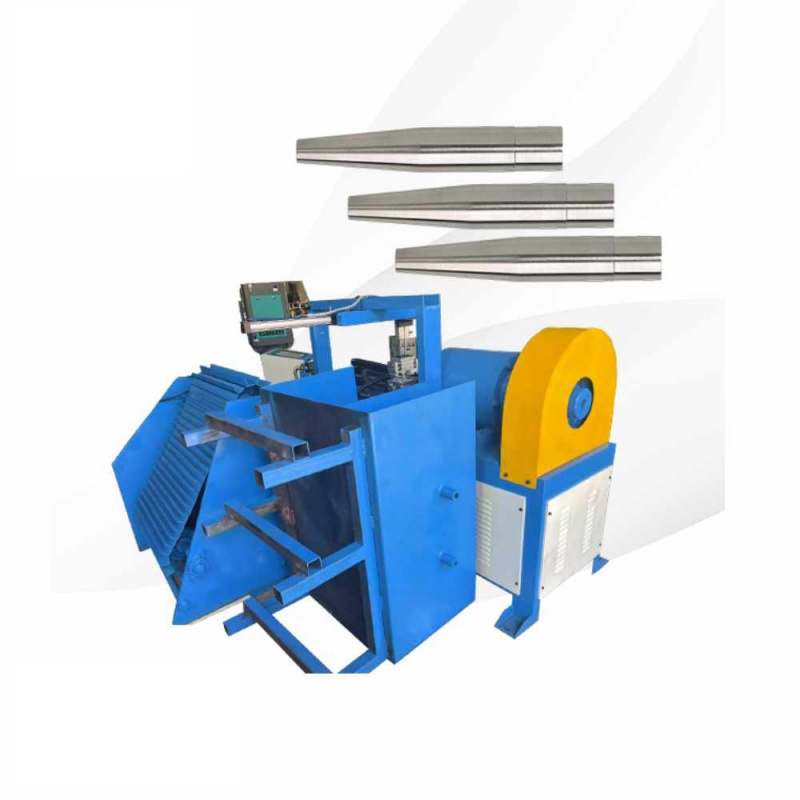
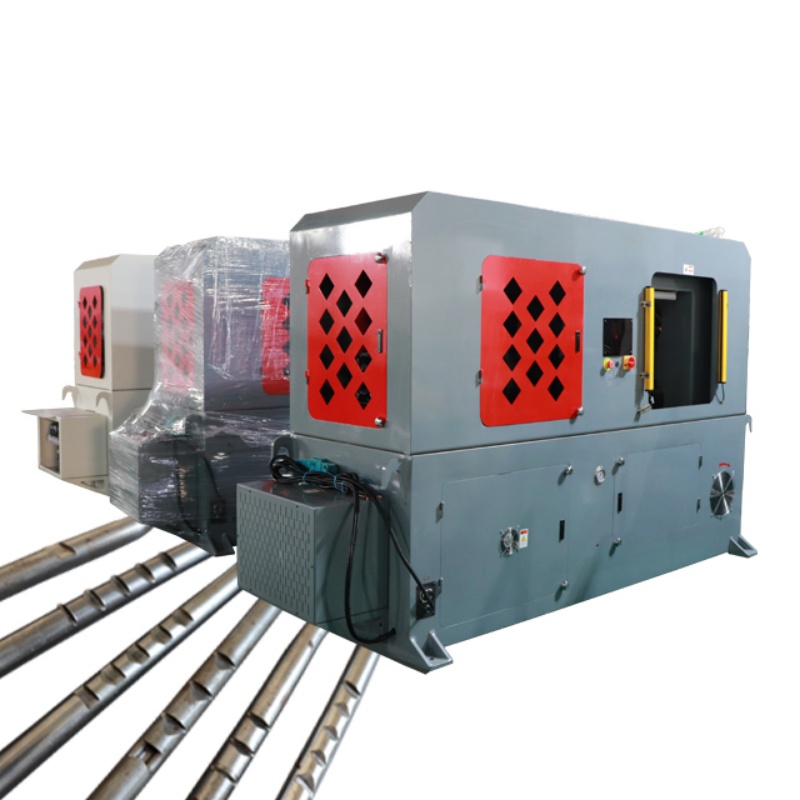
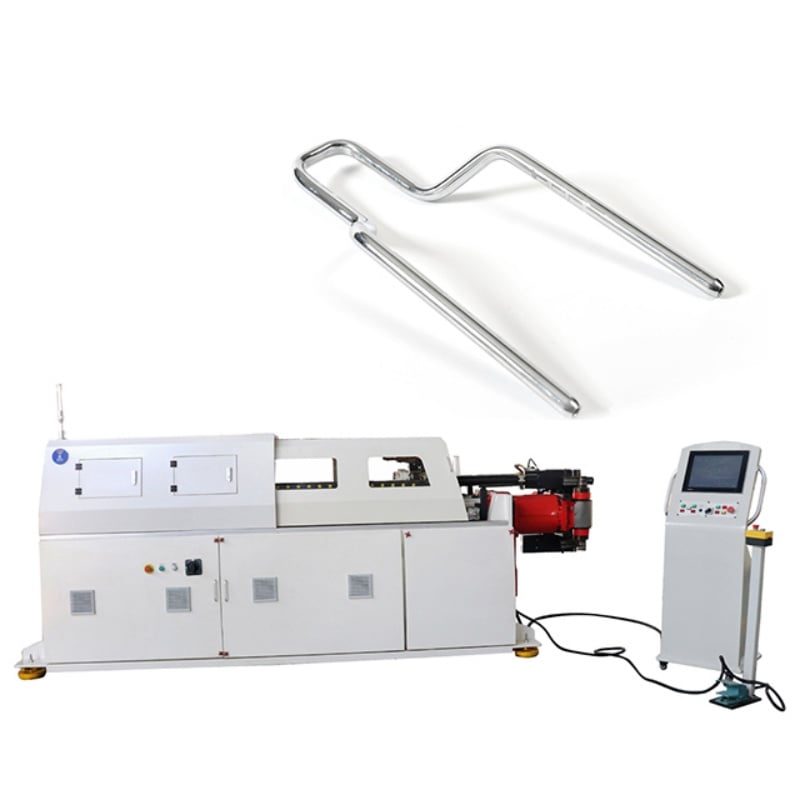
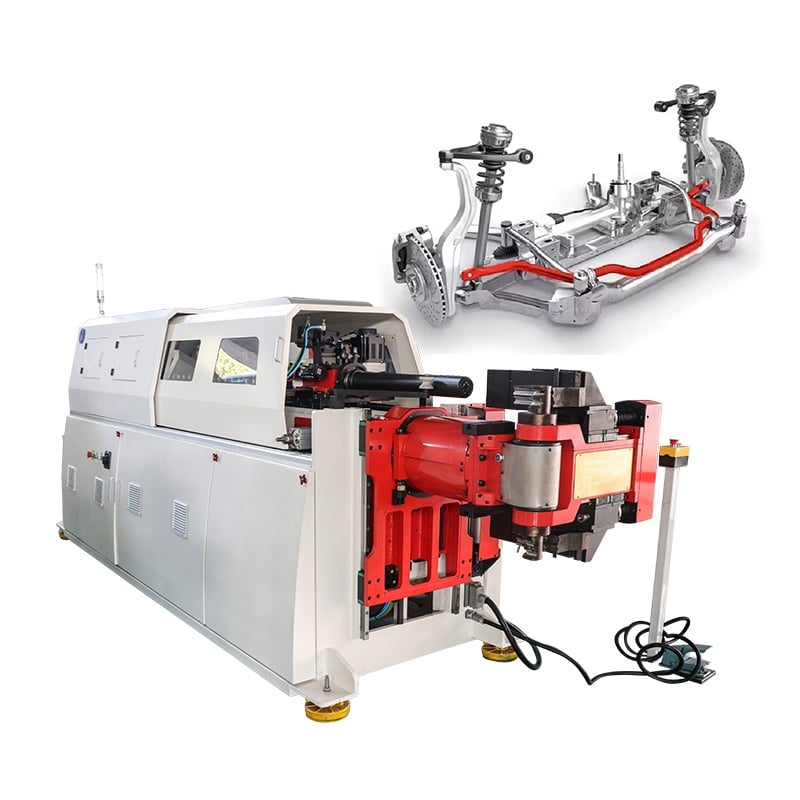
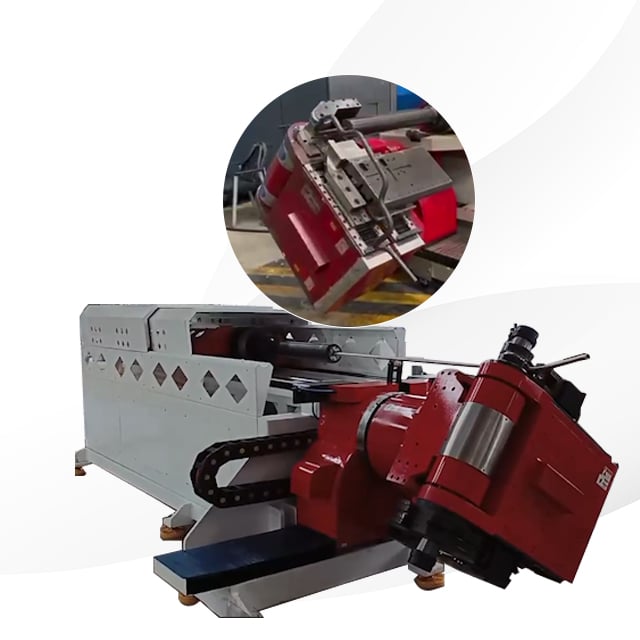
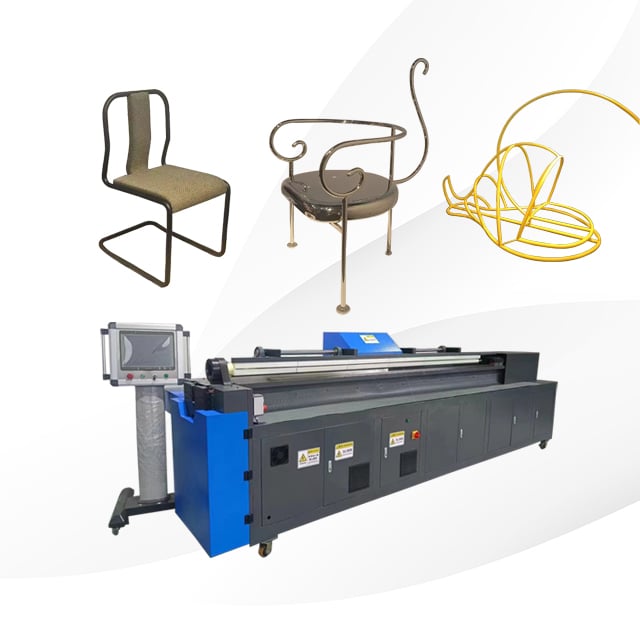
Key Specifications to Evaluate When Selecting Tube Benders
When evaluating Harbor Freight bender, several key specifications should be taken into consideration:
Bending Capacity: This includes the maximum diameter and wall thickness the Harbor Freight bender can handle. Ensure the specifications align with the materials you intend to work with.
Bend Radius: A tight bend radius may be essential for certain applications. Some cnc pipe bender allow for adjustable bend radii, which can be a significant advantage for complex projects.
Material Compatibility: Different benders perform better with specific materials, such as steel, aluminum, or copper. It's crucial to verify that the Harbor Freight bender can effectively handle the material you're planning to use.
Ease of Use and Setup: Consider how user-friendly the machine is. A Harbor Freight bender that is complicated to set up may lead to increased training time and potential errors in production.
Portability: If your projects require moving the Harbor Freight bender to various locations, its weight and design can significantly impact efficiency.