 EN
EN

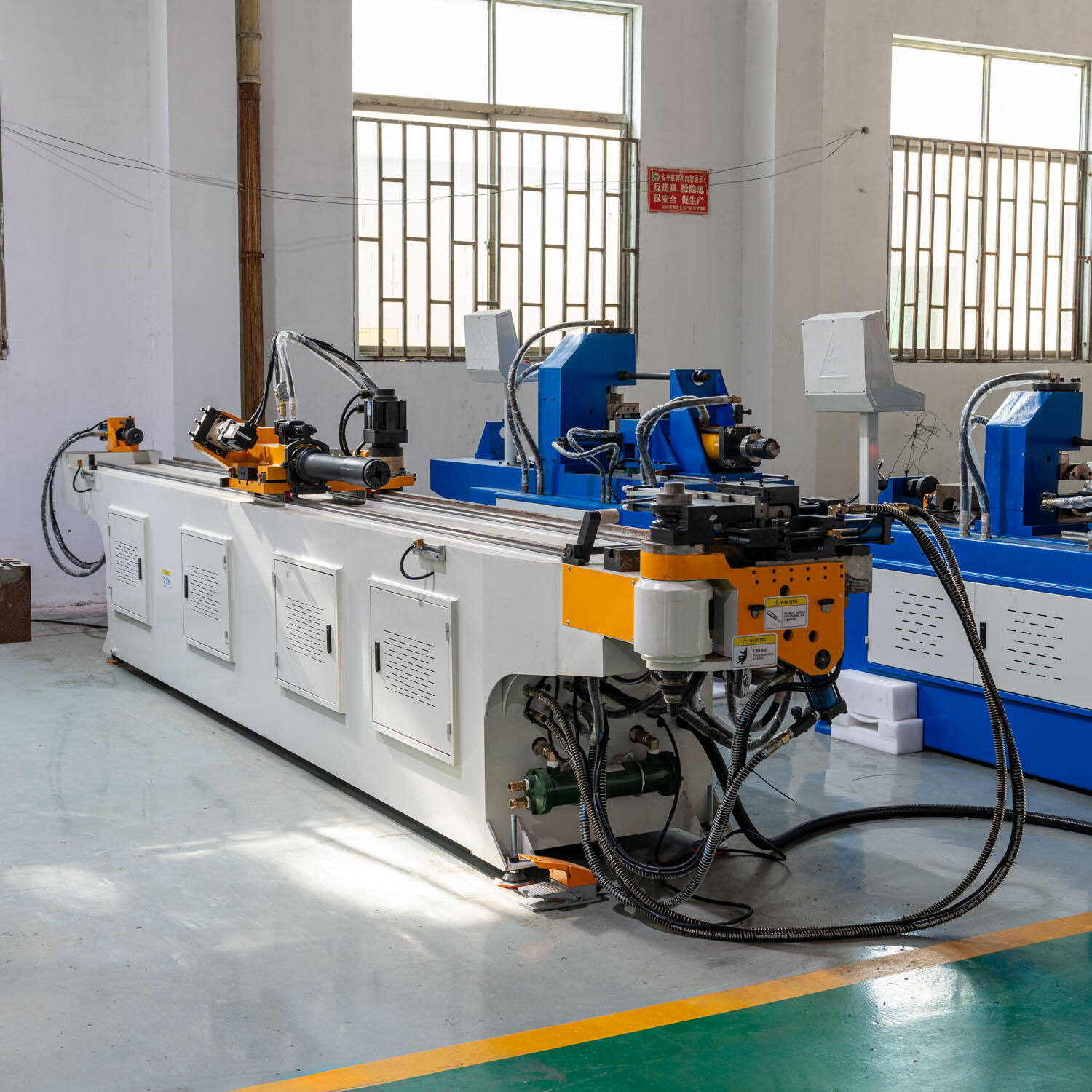
L'attuale tendenza della domanda nel mercato delle macchine piegatubi ha ormai superato la fase rudimentale del "finché si piega, è sufficiente" e sta facendo grandi passi avanti verso un prodotto più intelligente, più ecologico e più adatto a scenari specifici.
Le macchine utensili CNC di fascia alta stanno diventando sempre più richieste sul mercato, con attrezzature dotate di cinque o più assi di collegamento che stanno gradualmente soppiantando i tradizionali modelli a tre assi. È interessante notare che i clienti ora considerano non solo la precisione nella scelta delle attrezzature, ma anche funzionalità "intelligenti": compensazione automatica del ritorno elastico dei tubi basata sull'intelligenza artificiale, simulazione digitale degli effetti di lavorazione e risoluzione dei problemi da remoto. Queste funzionalità aumentano significativamente la probabilità di rendimento al primo passaggio, diventando naturalmente punti di forza chiave per i fornitori.
Le tecnologie verdi e a basso consumo sono diventate indicatori chiave di performance imprescindibili. Spinte da un duplice obiettivo di riduzione delle emissioni di carbonio, le piegatubi servo-elettriche si sono rapidamente affermate nel nuovo settore energetico grazie ai vantaggi del basso consumo energetico e della tracciabilità dell'impronta di carbonio. Dopotutto, le apparecchiature in grado di ridurre gli sprechi di materiale e il consumo energetico di produzione sono la scelta preferita dalle imprese a valle, sia dal punto di vista dei costi che delle politiche aziendali.
La divergenza nella domanda a valle ha ulteriormente segmentato il mercato in diverse "torte". Il sistema trielettrico dei veicoli a nuova energia ha stimolato una forte domanda di lavorazione dei tubi di raffreddamento, determinando direttamente un aumento della domanda di attrezzature per la curvatura di tubi di fascia alta. Sebbene il settore aerospaziale non disponga di un volume di approvvigionamento elevato, i requisiti di elevata precisione per la lavorazione di tubi in lega di titanio hanno reso le attrezzature corrispondenti molto più preziose. L'industria energetica ha esigenze sia nuove che vecchie. Il settore tradizionale del petrolio e del gas richiede attrezzature per la curvatura di tubi di grande diametro, mentre il settore dell'energia a idrogeno ha creato una nuova domanda di macchine per la curvatura di tubi ad alta precisione.
L'ondata di sostituzione interna continua a crescere e i marchi nazionali di macchine piegatubi hanno già guadagnato terreno nel mercato di fascia media e ora stanno facendo breccia nel settore di fascia alta. Allo stesso tempo, la loro espansione all'estero si sta ampliando, con ordini provenienti dal Sud-est asiatico, dal Medio Oriente e da altre regioni in continua crescita. Le macchine piegatubi di fabbricazione cinese stanno conquistando una quota maggiore del mercato internazionale grazie al loro elevato rapporto qualità-prezzo e alle capacità di personalizzazione.
La domanda varia a seconda delle regioni. Il Delta del fiume Yangtze, con il suo sistema di supporto ben sviluppato, è diventato l'area centrale per la domanda di macchine curvatubi di fascia alta. Il Delta del Fiume delle Perle segue il ritmo dei produttori finali e preferisce attrezzature con tempi di risposta rapidi. La regione di Bohai Rim si concentra su settori specifici come l'energia militare e nucleare e presenta una forte domanda di attrezzature specializzate per la curvatubi. Nel frattempo, anche le regioni centrali e occidentali hanno generato una forte domanda incrementale di attrezzature curvatubi di base durante il processo di trasferimento della capacità produttiva.