EN
EN

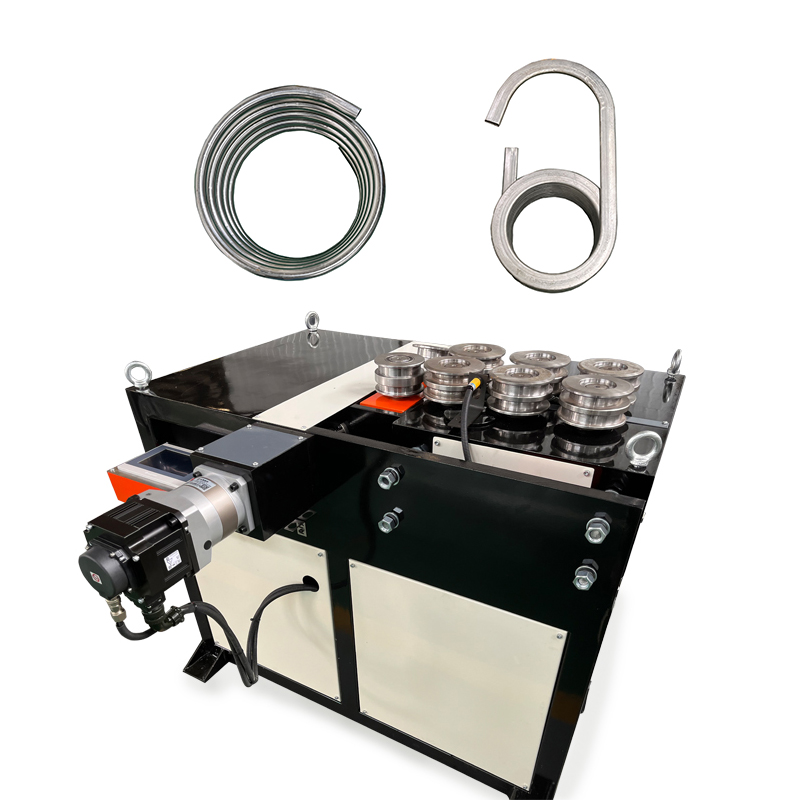
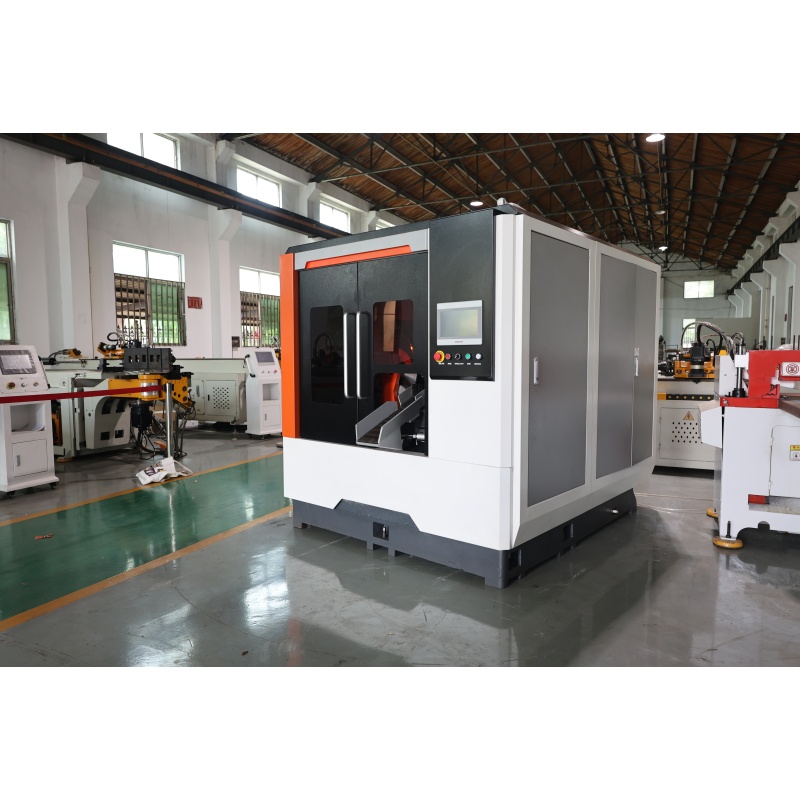
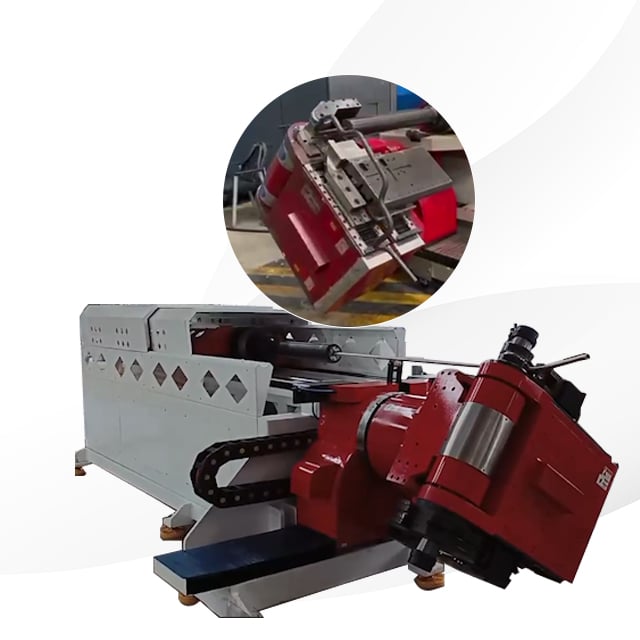
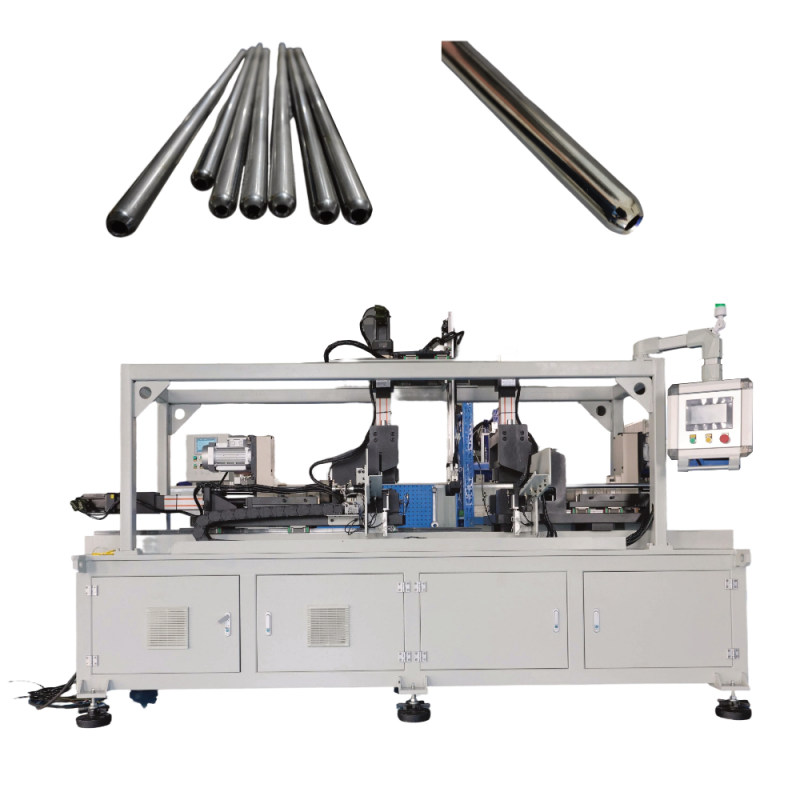
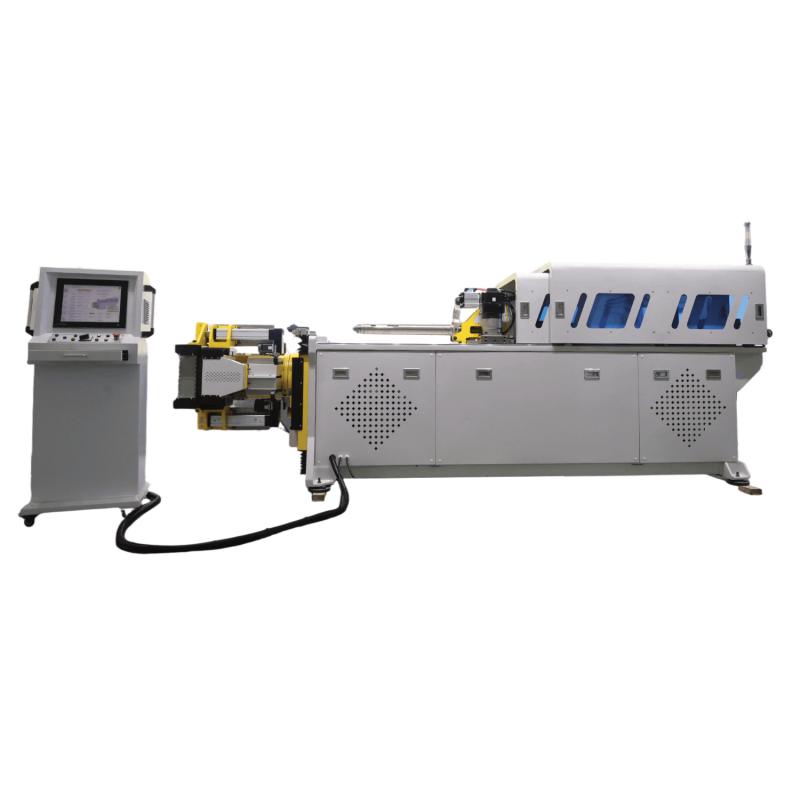
Metal roller benders are essential machines used in various industries to shape metal into desired forms. These metal roller bender allow for precise bending and shaping of metal sheets or tubes, making them crucial for applications ranging from construction to automotive manufacturing. As a purchasing manager or engineer, understanding the intricacies of metal roller benders is vital for making informed decisions. This article will guide you through the key considerations when selecting a tube roller bender for your project needs, including specifications, quality evaluation, purchasing options, and cost factors.
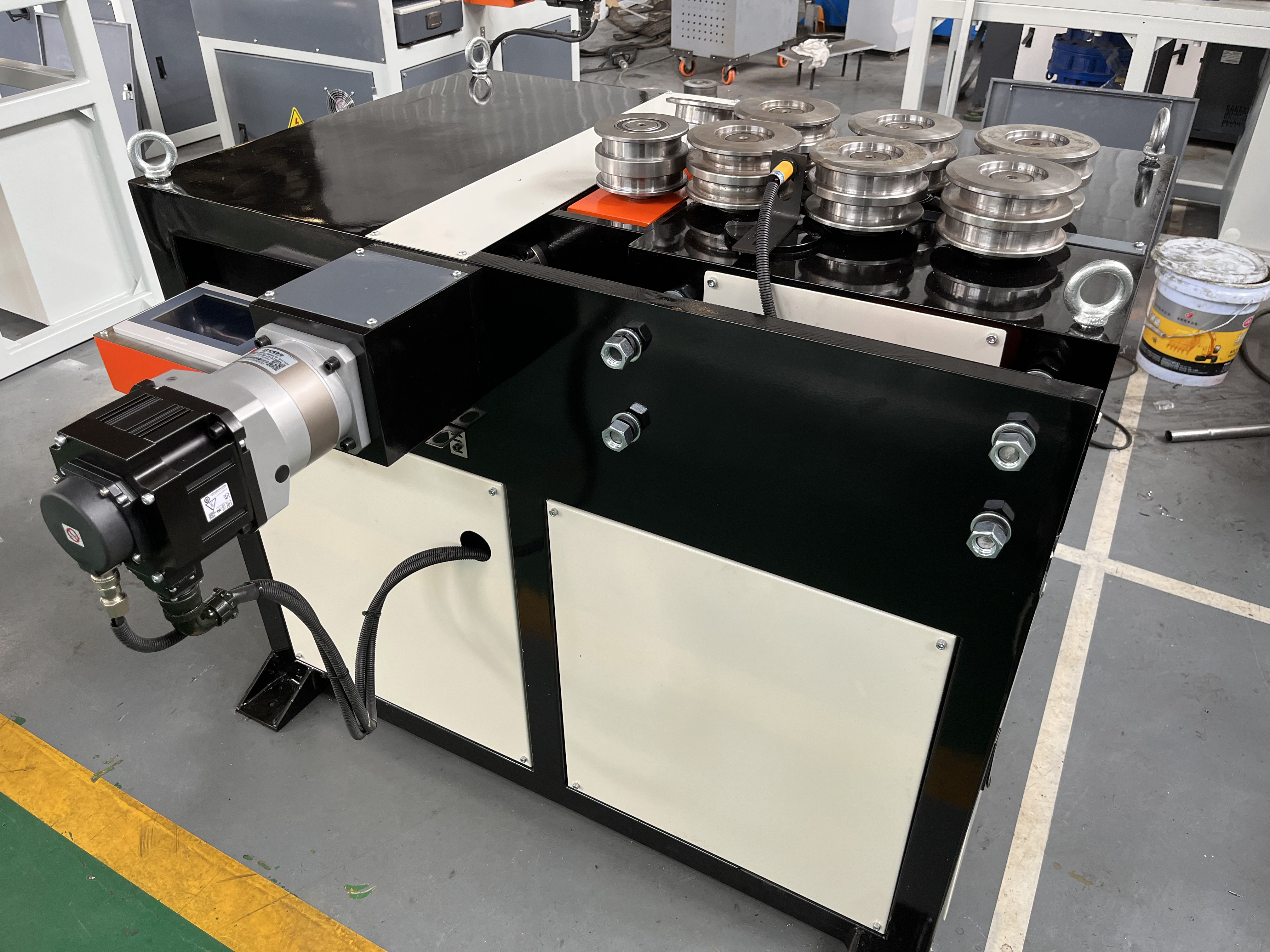
Key Specifications to Consider When Sourcing Metal Roller Benders
When sourcing metal roller benders, several key specifications should be prioritized:
Bending Capacity: This refers to the maximum thickness and width of the metal that the machine can handle.
Roll Diameter and Width: The diameter of the metal roller bender can significantly influence the bending angle and radius.
Material Construction: Look for machines made from durable materials that can withstand the rigors of continuous operation. High-quality steel construction can enhance the longevity of the machine.
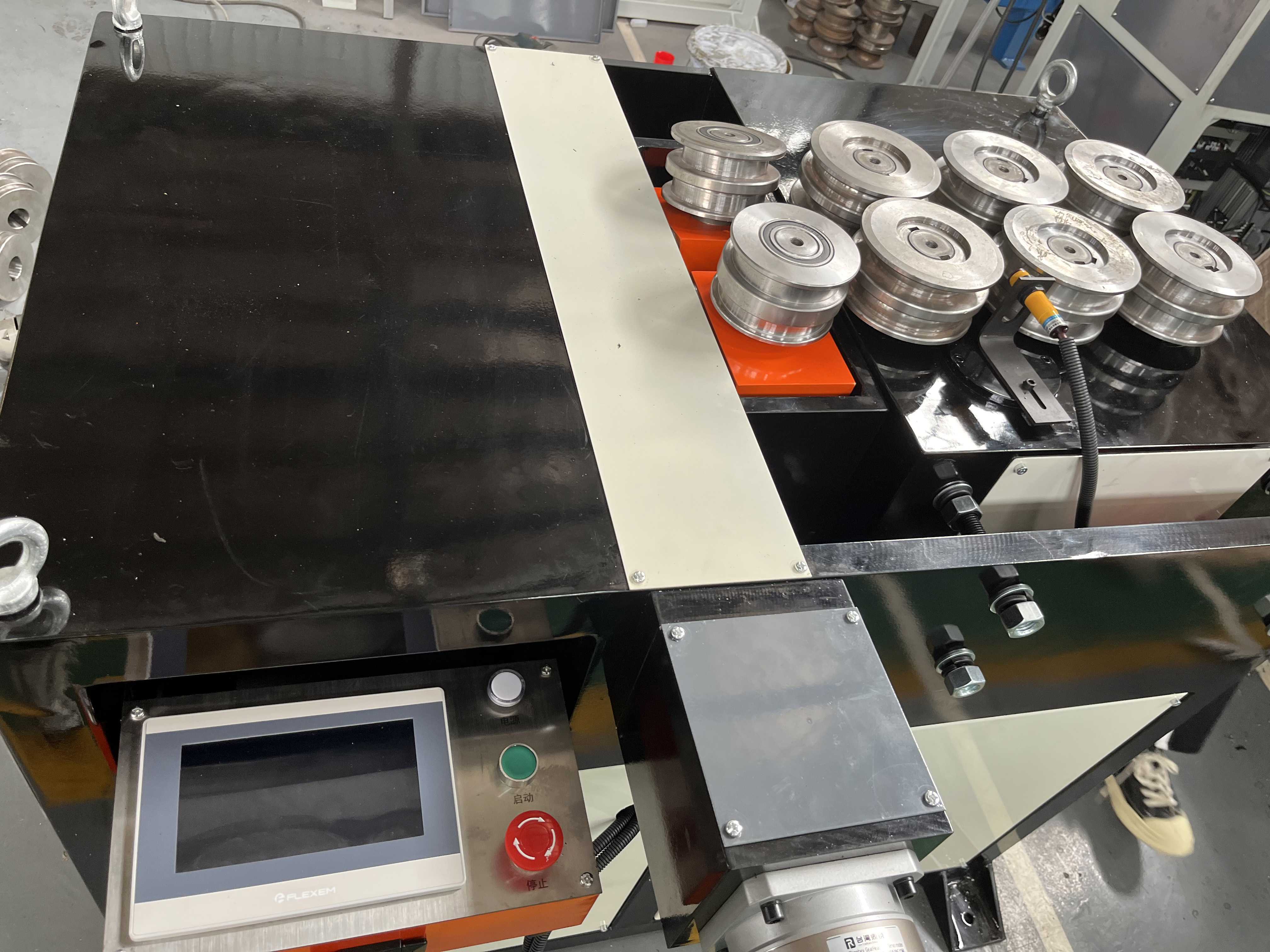
Control System: Modern metal roller bender often come equipped with digital control systems that provide precision in setting bending parameters.
Safety Features: Safety should always be a priority. Check for features such as emergency stop buttons, protective guards, and safety interlocks.
By carefully evaluating these specifications, you can ensure that the pipe roller bender you choose will meet the demands of your applications effectively.