EN
EN

Stainless steel pipe benders are essential tools in various industrial applications, allowing precise bending of stainless steel pipes for use in construction, manufacturing, and plumbing among others. Buyers often seek reliable equipment that combines efficiency, quality, and adaptability to specific needs. This article aims to provide valuable insights into selecting aluminum pipe bender, addressing key concerns that purchasing managers, engineers, and distributors typically have when evaluating options.
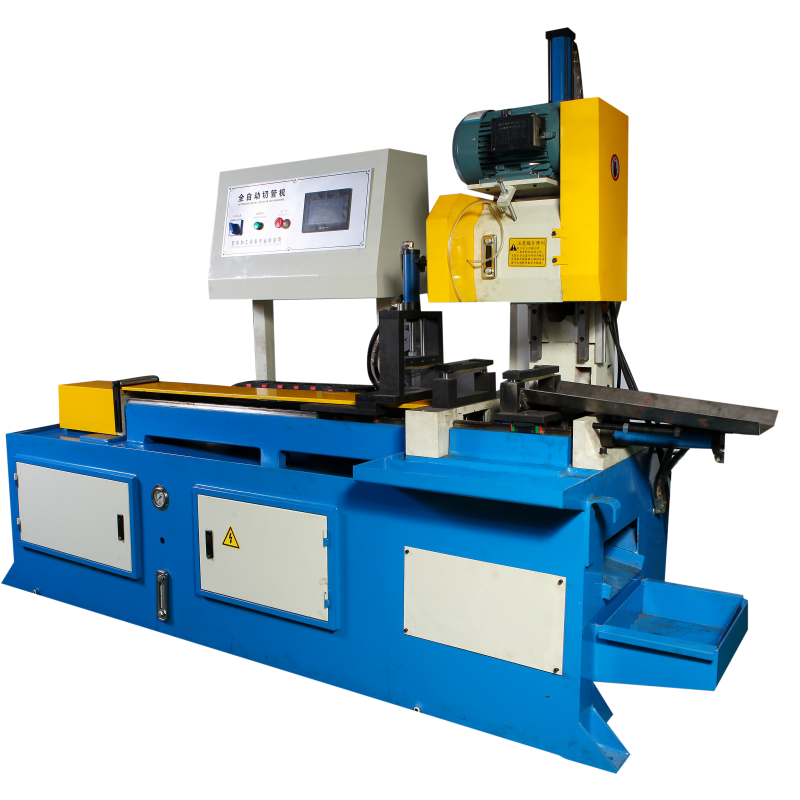
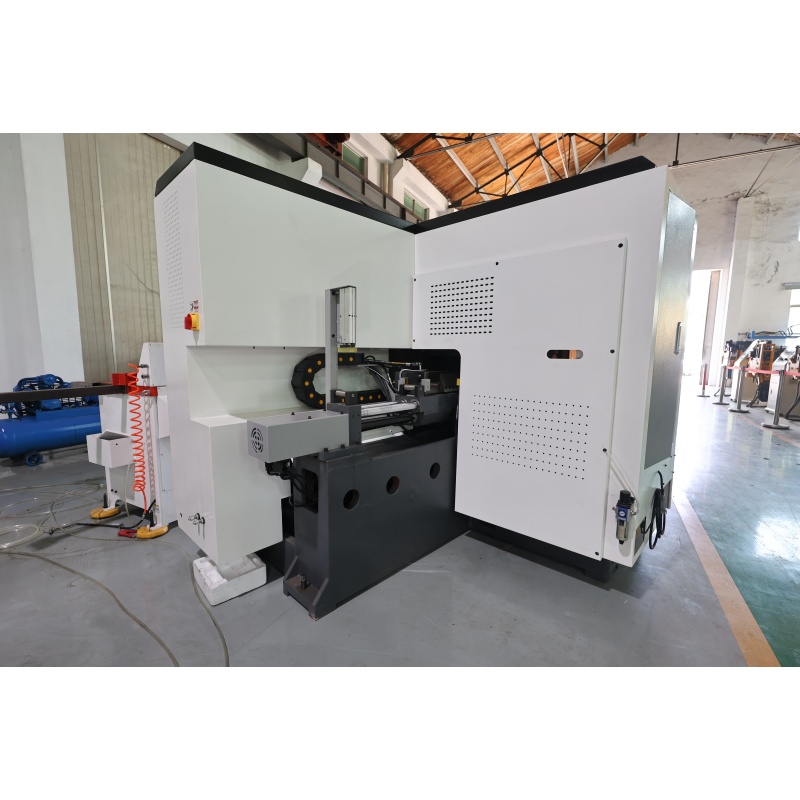
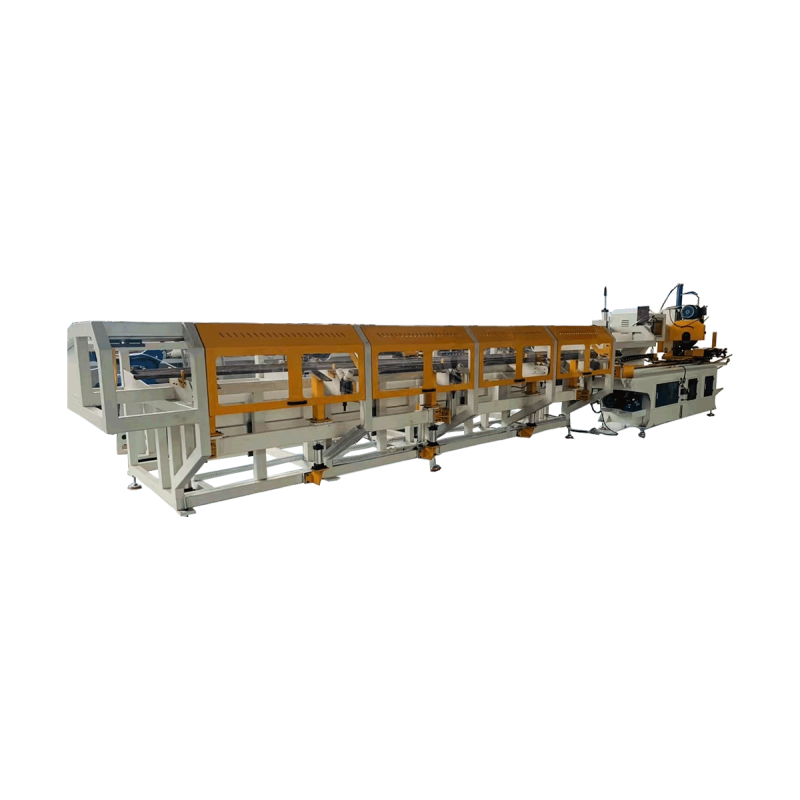
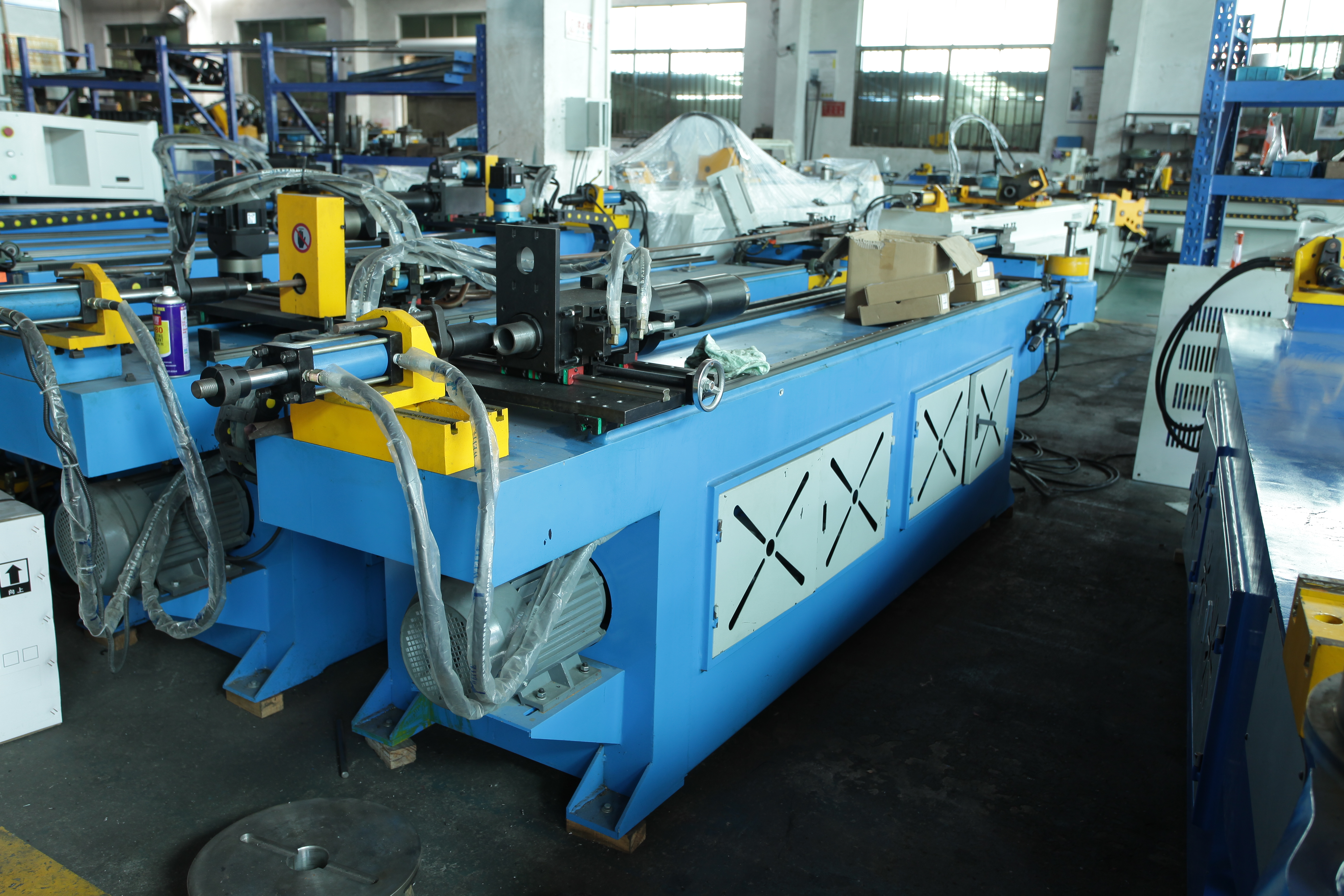
Stainless Steel Pipe Bender Options for Buyers
Buyers have several options when it comes to stainless steel pipe benders, including manual, semi-automated, and fully automated systems. Each type offers distinct advantages depending on the scale of production and specific application requirements.
Manual Pipe Benders: These are typically more affordable and suitable for small-scale operations or one-off projects. They require skilled operators to achieve precise bends and might not be suitable for high-volume production.
Semi-Automated Pipe Benders: These machines offer a balance between manual control and automation, allowing for increased efficiency while still requiring some operator input. They are well-suited for medium-scale operations where flexibility is needed.
Fully Automated Pipe Benders: These machines are ideal for high-volume production environments. They offer advanced features such as programmable bending sequences and integrated quality control systems, ensuring consistent results across large batches.
Key specifications to consider when selecting a stainless steel pipe bender include the bending radius, maximum pipe diameter, and the machine's power source. Understanding your specific application needs will help you choose the right type of bender for your operations.