EN
EN

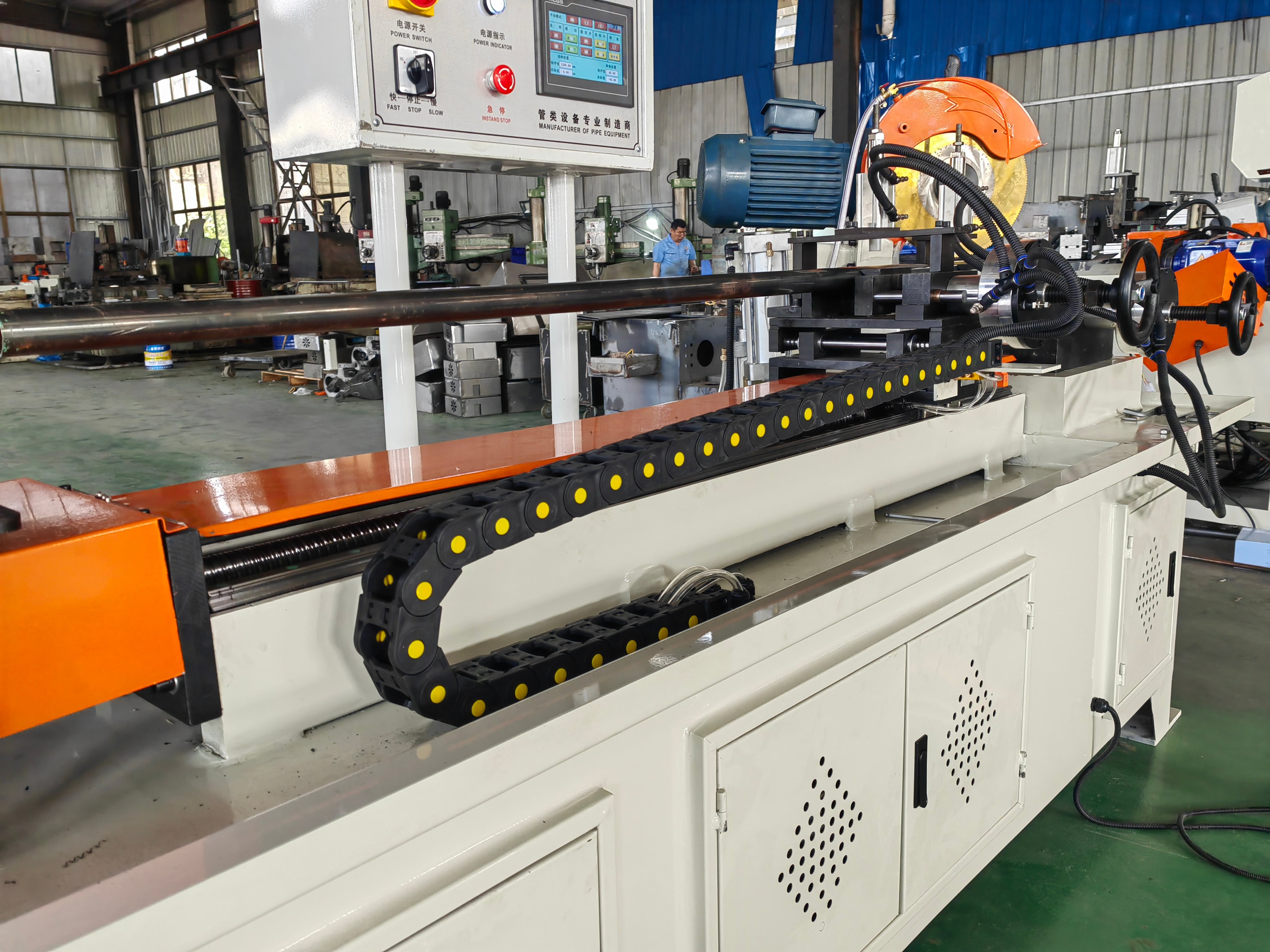
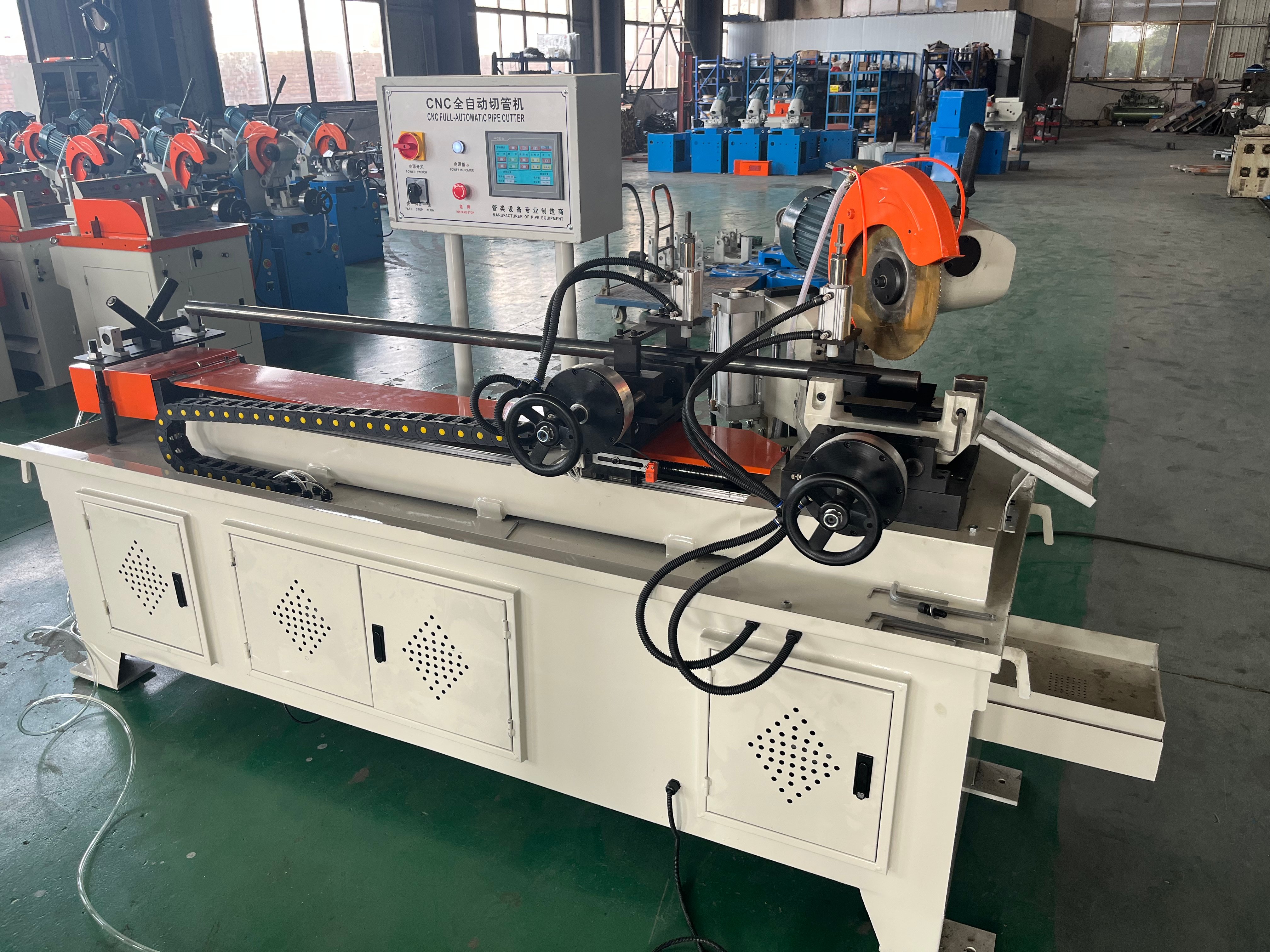
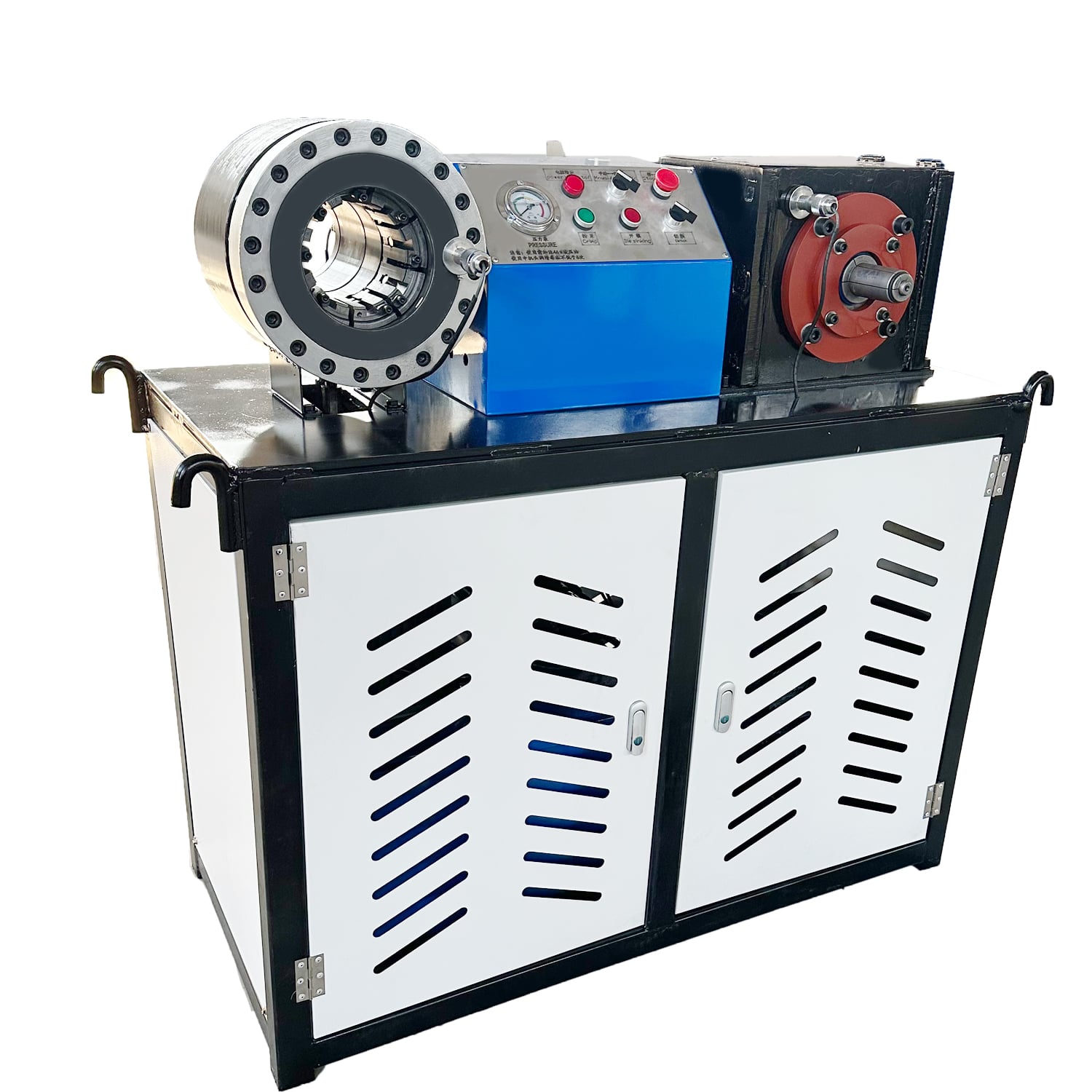
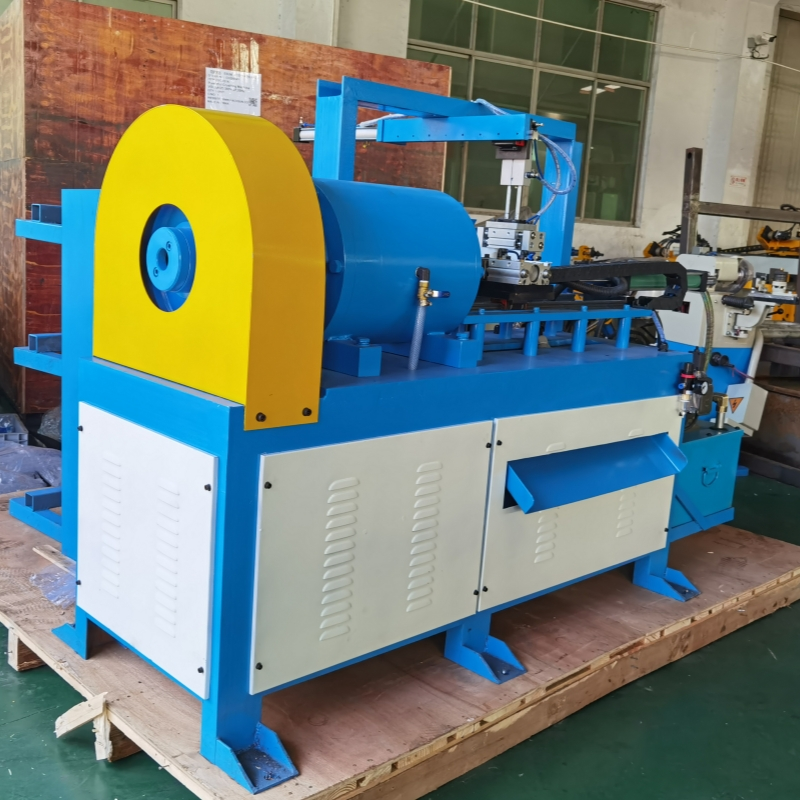
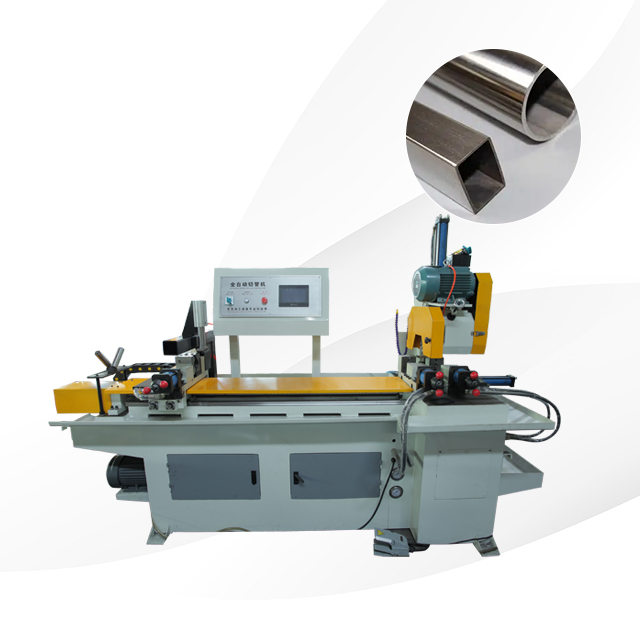
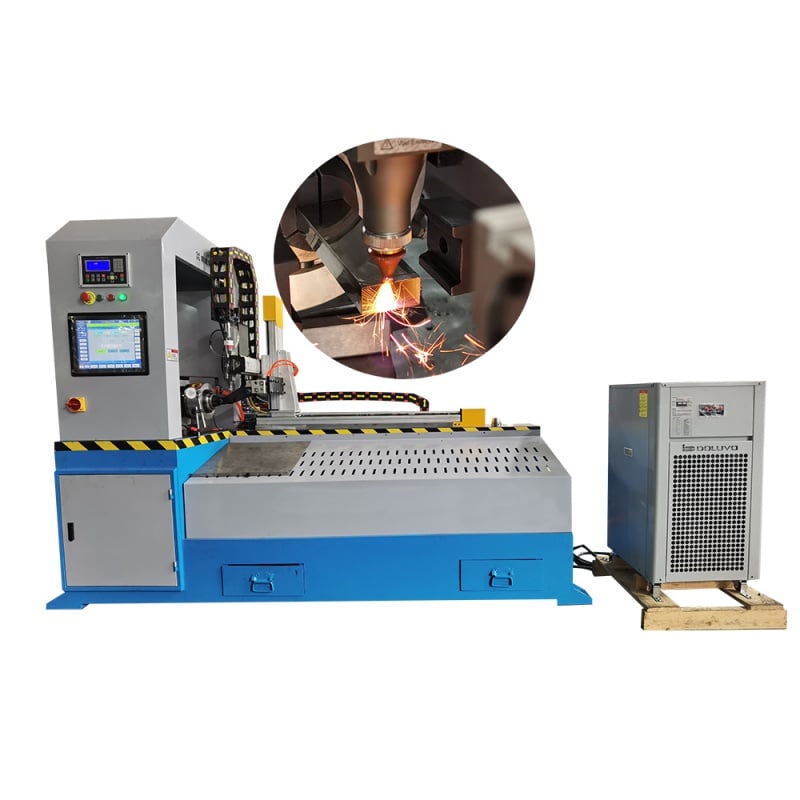
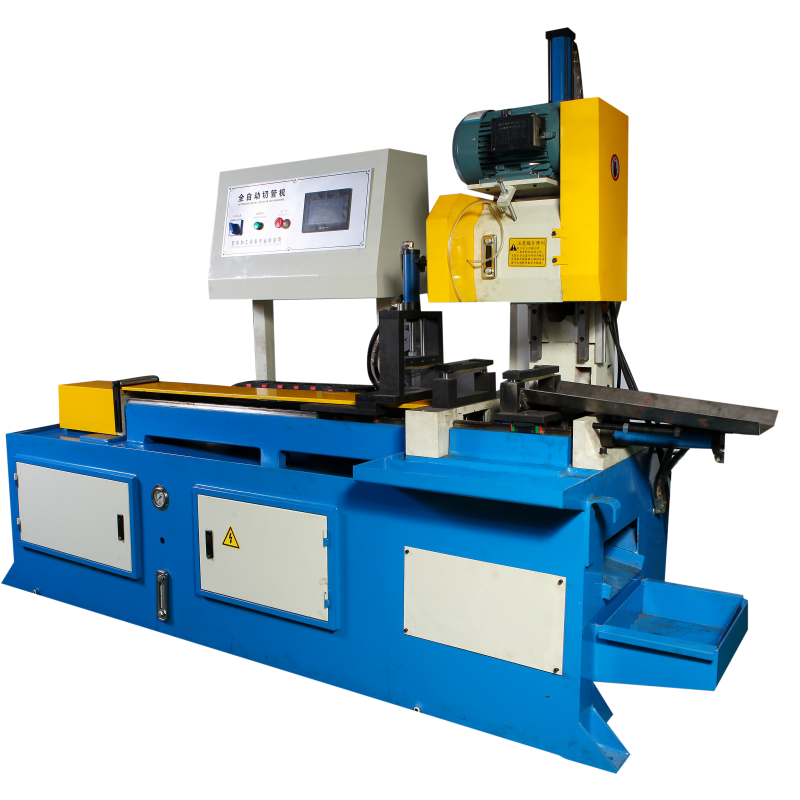
Pipe cutting is a crucial process in various industries, involving the precise severing of pipes to specific lengths and shapes required for assembly or installation. As a purchasing manager or engineer, understanding the capabilities and reliability of pipe cutting suppliers is essential to ensure the quality and efficiency of your operations, we will explore how to evaluate hydraulic pipe cutting machine, consider cost factors, address common problems, discuss applications across industries, and highlight features and benefits that can aid your decision-making process.
Cost Factors to Consider When Ordering Pipe Cutting Solutions
Cost is a significant factor when ordering pipe cutting solutions, but it extends beyond the initial purchase price. First, consider the total cost of ownership, which includes installation, maintenance, and potential downtime. Investing in a higher-quality machine may result in lower long-term costs due to reduced maintenance needs and higher operational efficiency.
Material selection also impacts pricing. The type of pipe being cut—whether it’s steel, plastic, or another material—can dictate the complexity of the cutting process and, consequently, the cost of the machine. Specialized cutting capabilities, such as those needed for thicker or more durable materials, may also lead to higher upfront costs.
Additionally, consider the volume of production. Suppliers often have minimum order quantities (MOQ) that affect pricing. Understanding your production needs can help you negotiate the best price while ensuring that you meet the supplier's requirements.