EN
EN

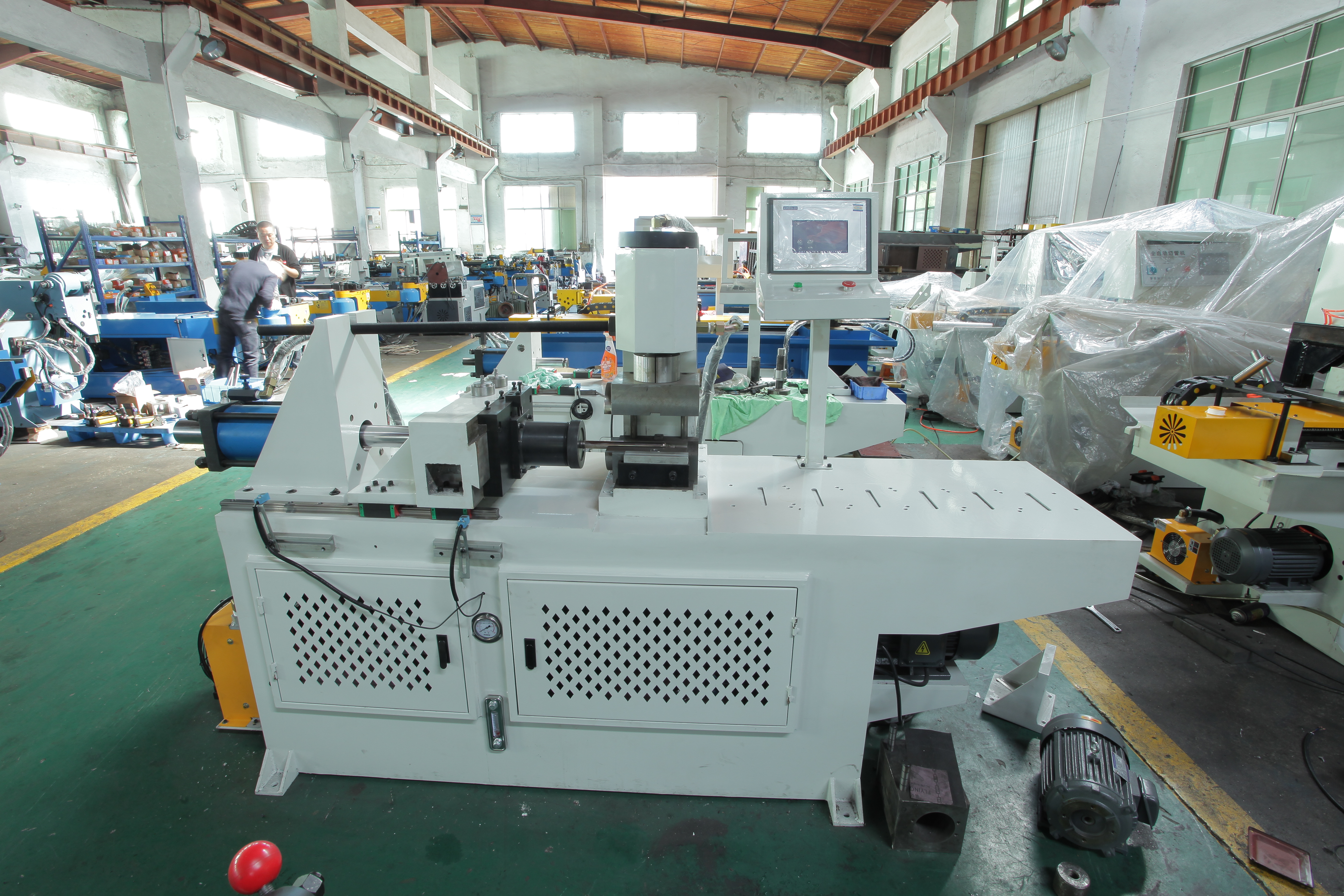
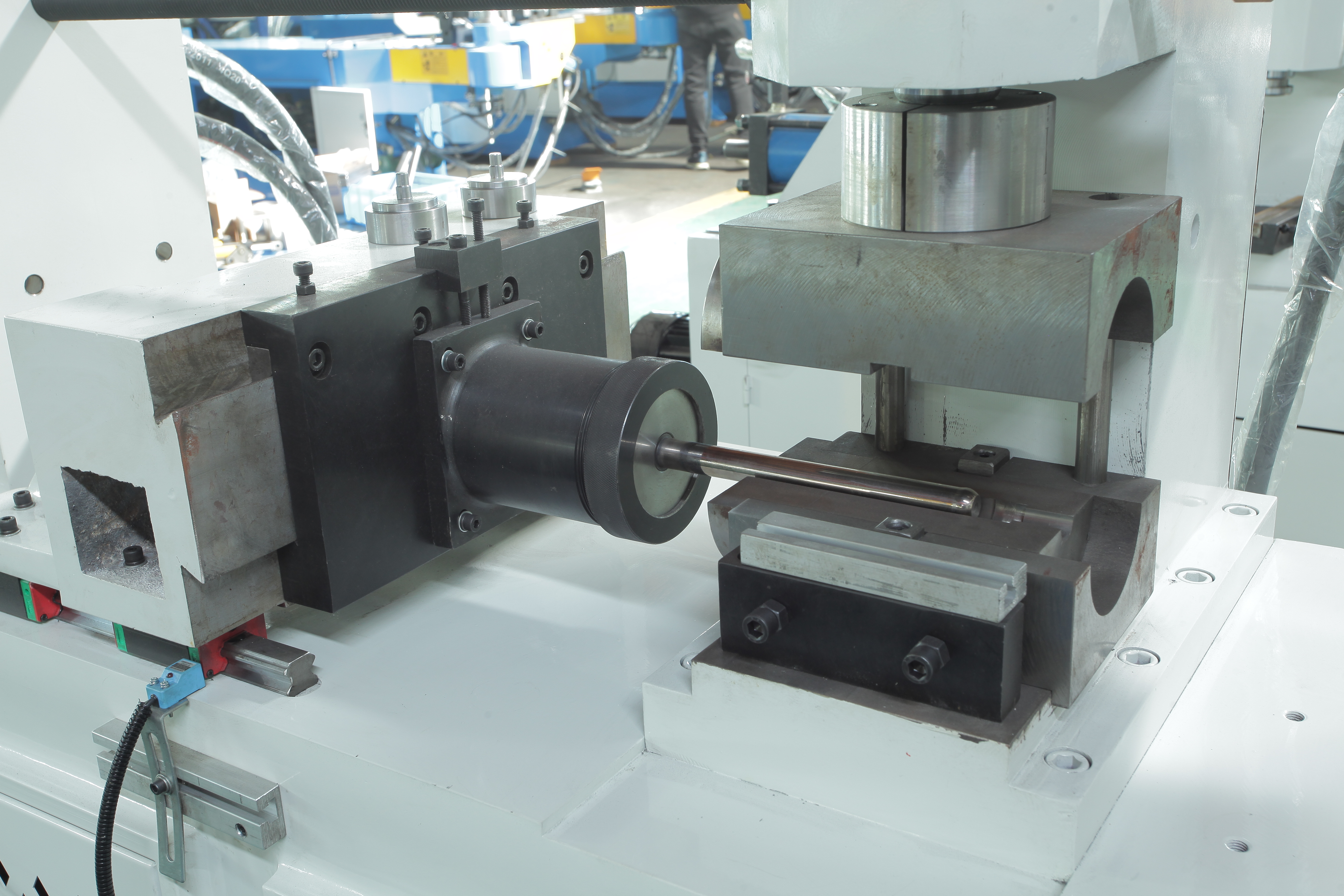
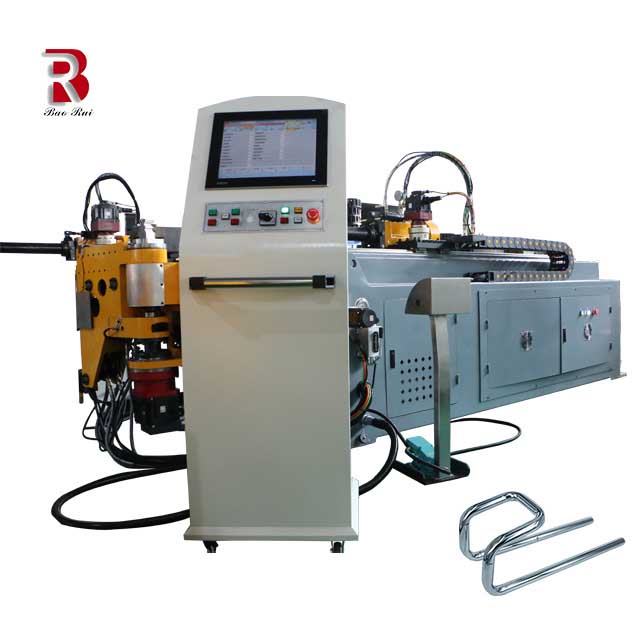
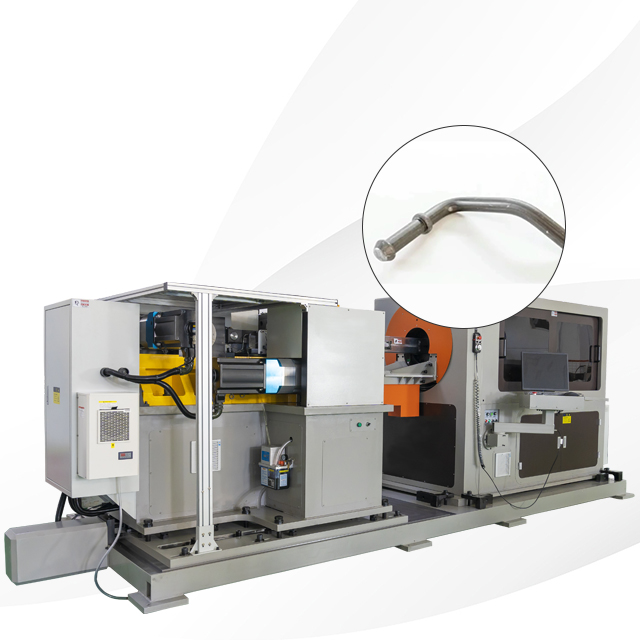
When considering an end forming tube machine, it's essential to understand its role in the tube processing industry. These machines are designed to perform various end-forming operations, such as flaring, bending, and reducing the ends of tubes, which are crucial for ensuring proper fit and function in assemblies. B2B buyers typically seek machines that deliver reliable performance, customization options, and operational efficiency. This article will explore key factors to consider when selecting an end forming tube machine, essential specifications, common problems with end forming tube machines, industry applications of end forming tube machines, and practical purchasing tips.
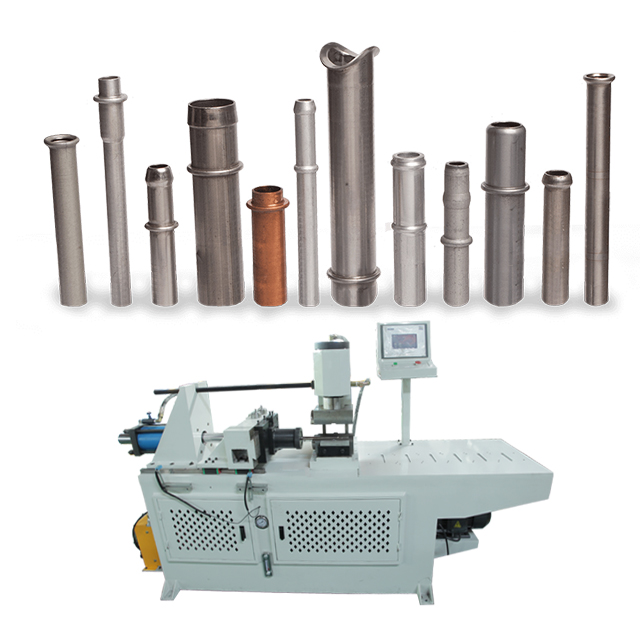
Key Specifications for End Forming Tube Machines You Should Know
When evaluating end forming tube machines, several specifications are critical to understand:
Maximum Tube Diameter and Wall Thickness: These specifications indicate the size of the tubes the machine can process. Ensure the machine can accommodate the dimensions required for your applications.
Forming Techniques: Different machines may offer various forming methods, such as rotary, hydraulic, or mechanical forming. Understanding these methods will help you choose the right machine based on the required forming accuracy and material properties.
Production Speed: The machine's throughput is crucial for meeting production targets. Check the machine's cycles per minute (CPM) and overall efficiency to ensure it aligns with your production goals.
Control System: A user-friendly control system can significantly improve operational efficiency. Look for machines equipped with advanced programming capabilities, such as touchscreen interfaces and programmable logic controllers (PLCs), for better precision and ease of use.
Customization Options: The ability to customize tooling and settings is vital for adapting to varying production needs. Confirm that the manufacturer can provide tailored solutions based on your specifications.