+86-15250372399
[email protected]
EN
EN
AR
BG
HR
CS
DA
NL
FI
FR
DE
EL
IT
JA
KO
NO
PL
PT
RU
ES
SV
TL
ID
LV
LT
SR
SK
SL
UK
VI
HU
TH
TR
FA
GA
AZ
KA
MN
MY
UZ
KY
All Categories
Home
About
News
Contact Us
Products
Automotive Parts
Pipe Bending
Pipe Cutting
End Forming
Notching
Others
Automotive Parts
Head Restraint
Seats&Boot
Oil Pipe
Exhaust systems
Dunbar Bend
Pipe Bending
CNC Pipe Bending
Wire Bending
Pipe Cutting
CNC Pipe Cutting
Laser Pipe Cutting
End Forming
End Sealing
Notching
Home
About
News
Contact Us
Products
Automotive Parts
Pipe Bending
Pipe Cutting
End Forming
Notching
Others
Automotive Parts
Head Restraint
Seats&Boot
Oil Pipe
Exhaust systems
Dunbar Bend
Pipe Bending
CNC Pipe Bending
Wire Bending
Pipe Cutting
CNC Pipe Cutting
Laser Pipe Cutting
End Forming
End Sealing
Notching
EN
EN
AR
BG
HR
CS
DA
NL
FI
FR
DE
EL
IT
JA
KO
NO
PL
PT
RU
ES
SV
TL
ID
LV
LT
SR
SK
SL
UK
VI
HU
TH
TR
FA
GA
AZ
KA
MN
MY
UZ
KY
Home
/
Products
Products
Products
Automotive Parts
Pipe Bending
Pipe Cutting
End Forming
Notching
Others
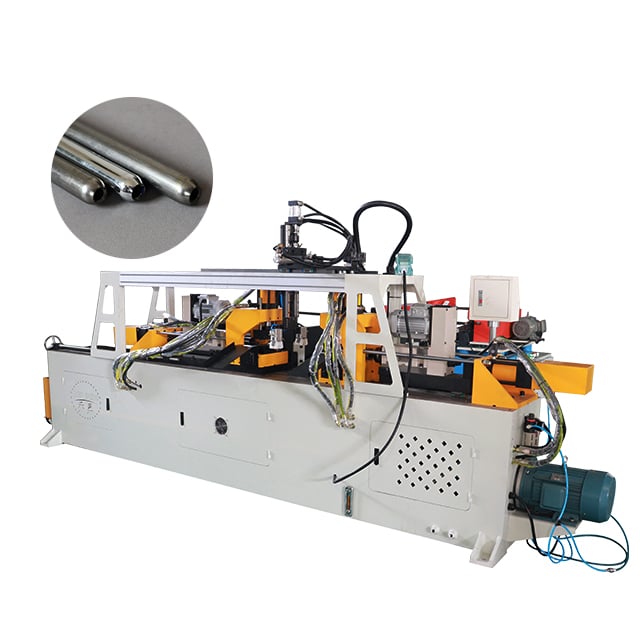
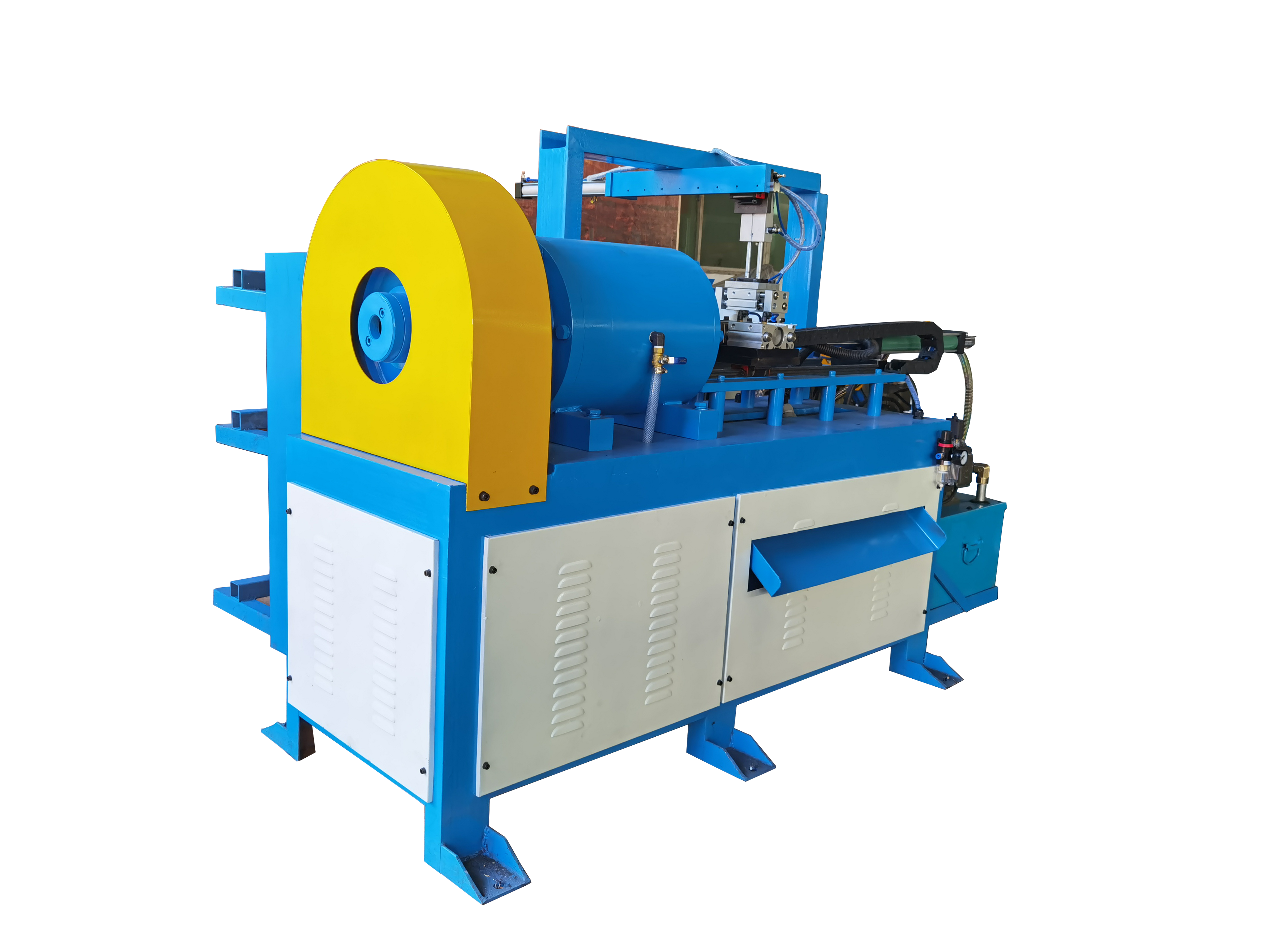
Double head round head machine pipe end forming machine
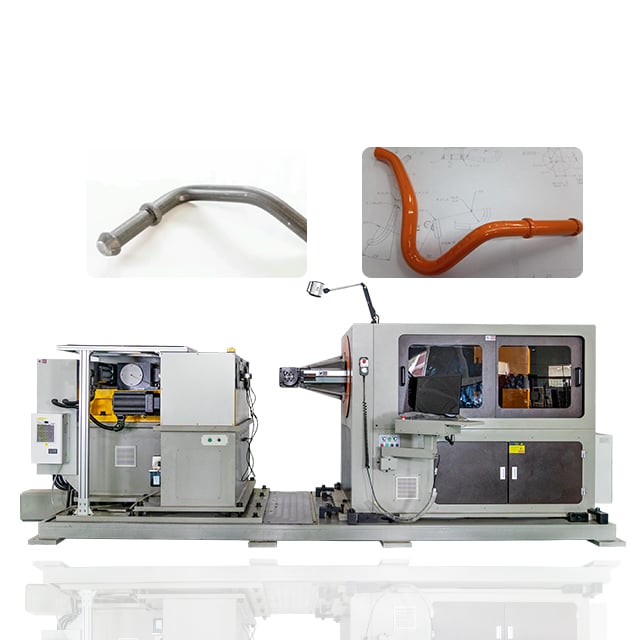
Wire bending with Flanges and Band Clamps Pier bar bends machine for auto spare parts
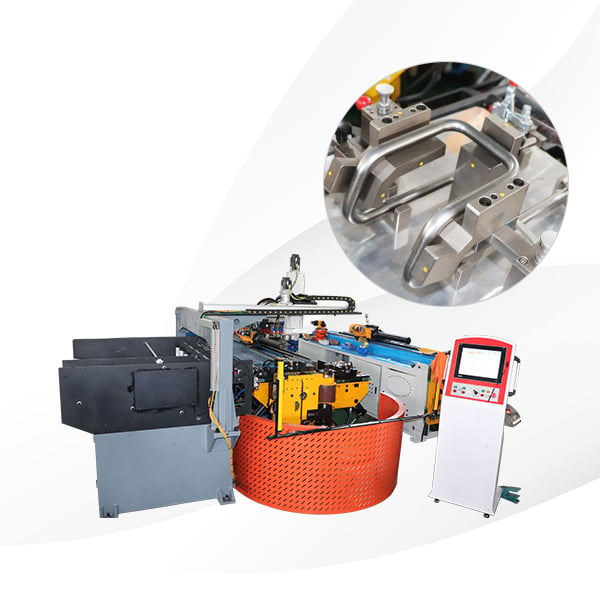
Automatic loading head restraint pipe bending machine
Head restraint notching/broached rolled/press in
BR40NCB noise free taper pipe end forming machine with auto-loading system
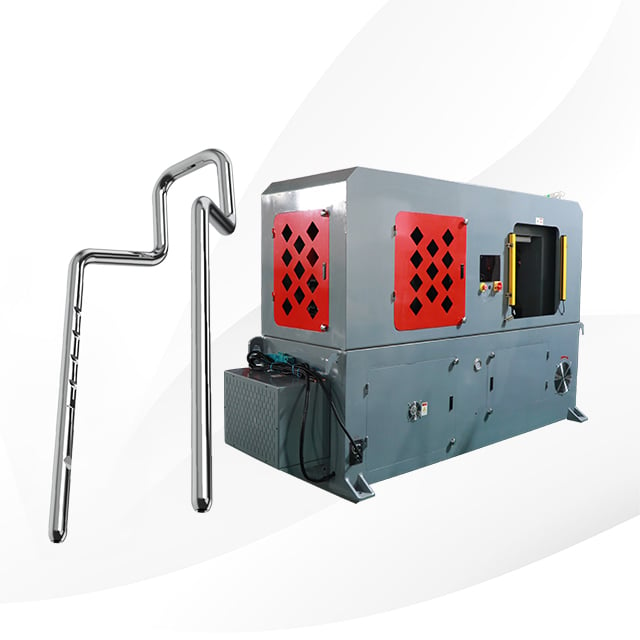
Auto exhaust pipe end forming machine hump machine
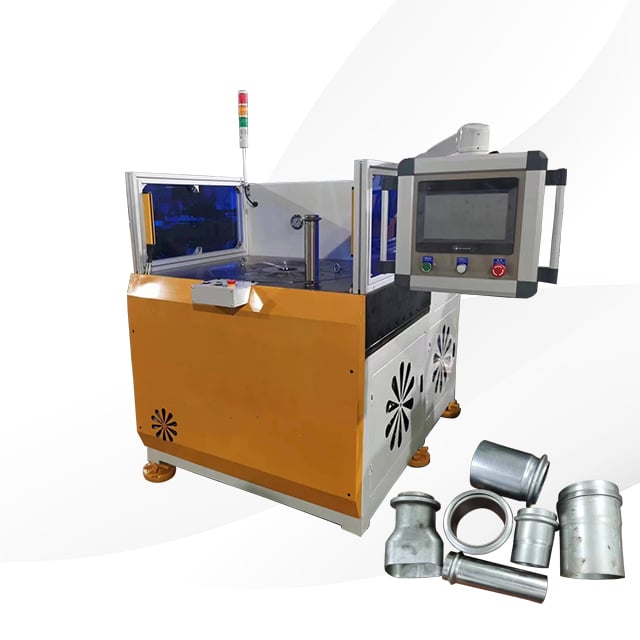
Pipe End Sealing Machine
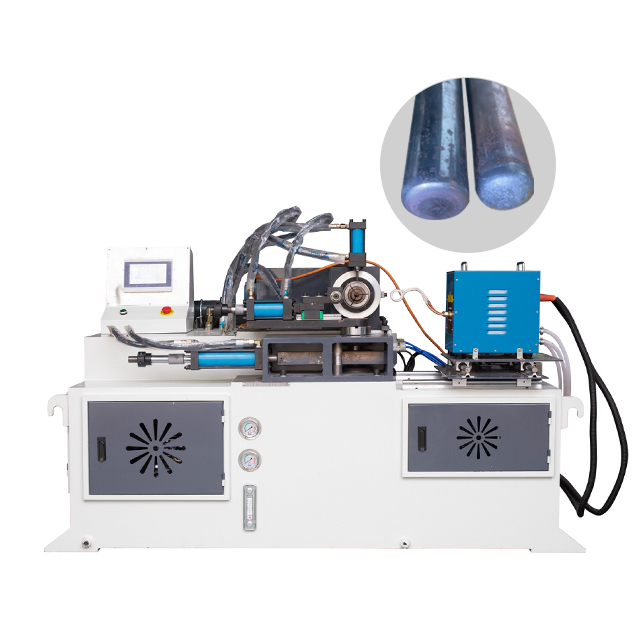
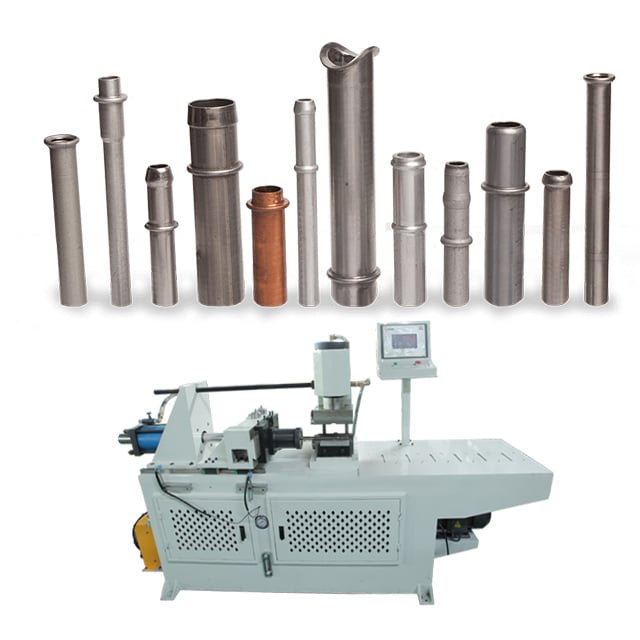
TM-40/60/80/120… Pipe end forming machine
Head Restraint Notching Broached Rolled Pressed In Machine
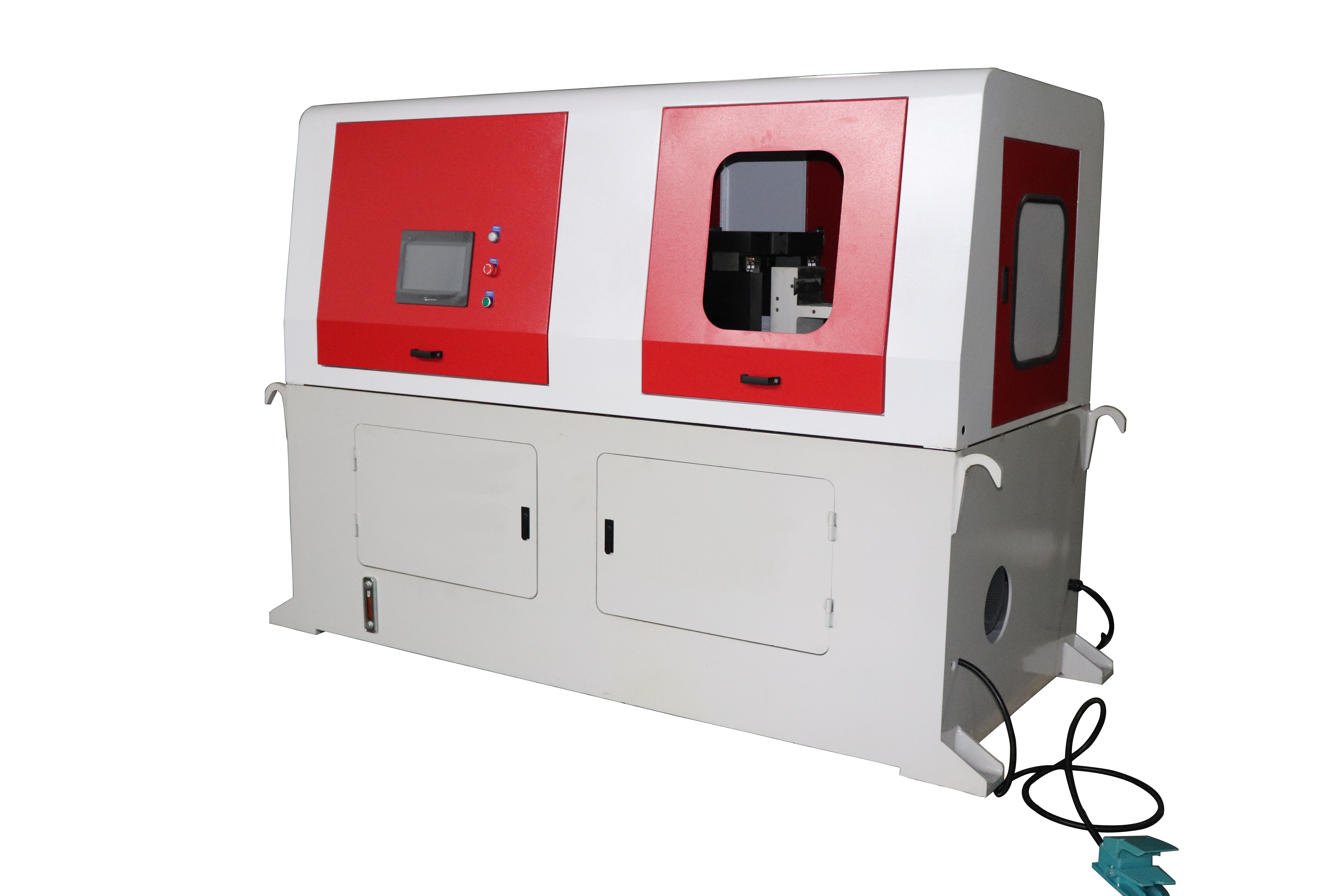
Automatic feeding CNC Pipe cutting machine
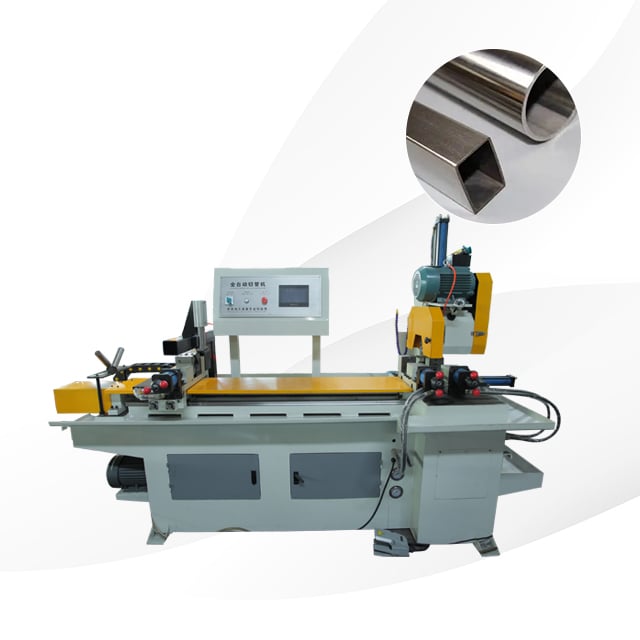
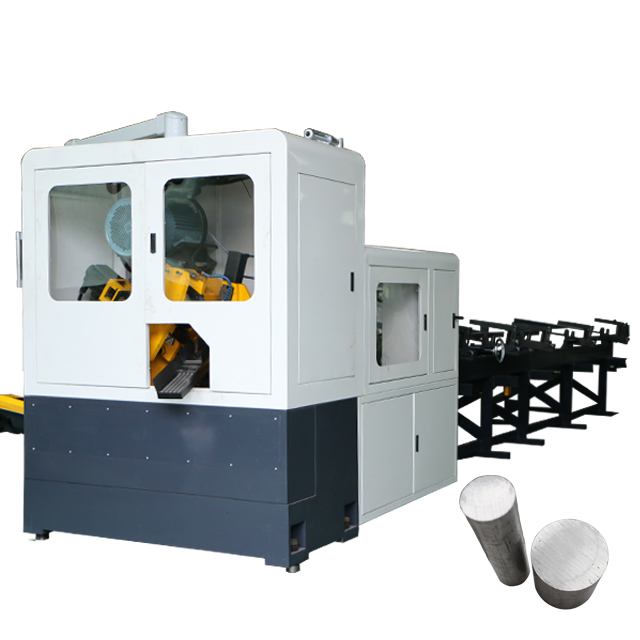
Automatic high-speed sawing machine
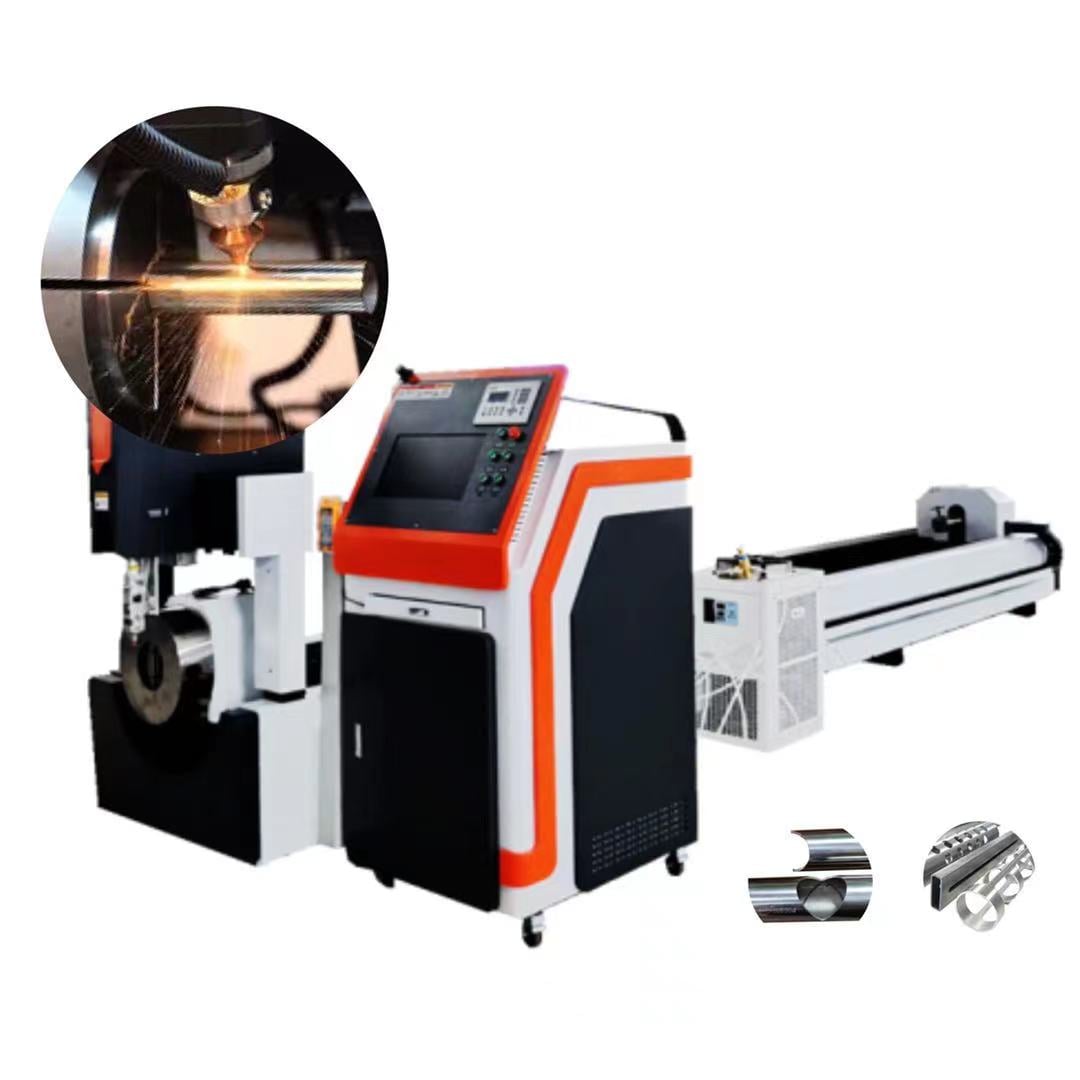
Laser Cutting Machine
PREV
1
2
3
NEXT
Get a Free Quote
Our representative will contact you soon.
Email
WhatsApp
Name
Company Name
Message
0/1000
Submit
Get a Free Quote
Our representative will contact you soon.
Email
WhatsApp
Name
Company Name
Message
0/1000
Submit

 EN
EN