 EN
EN

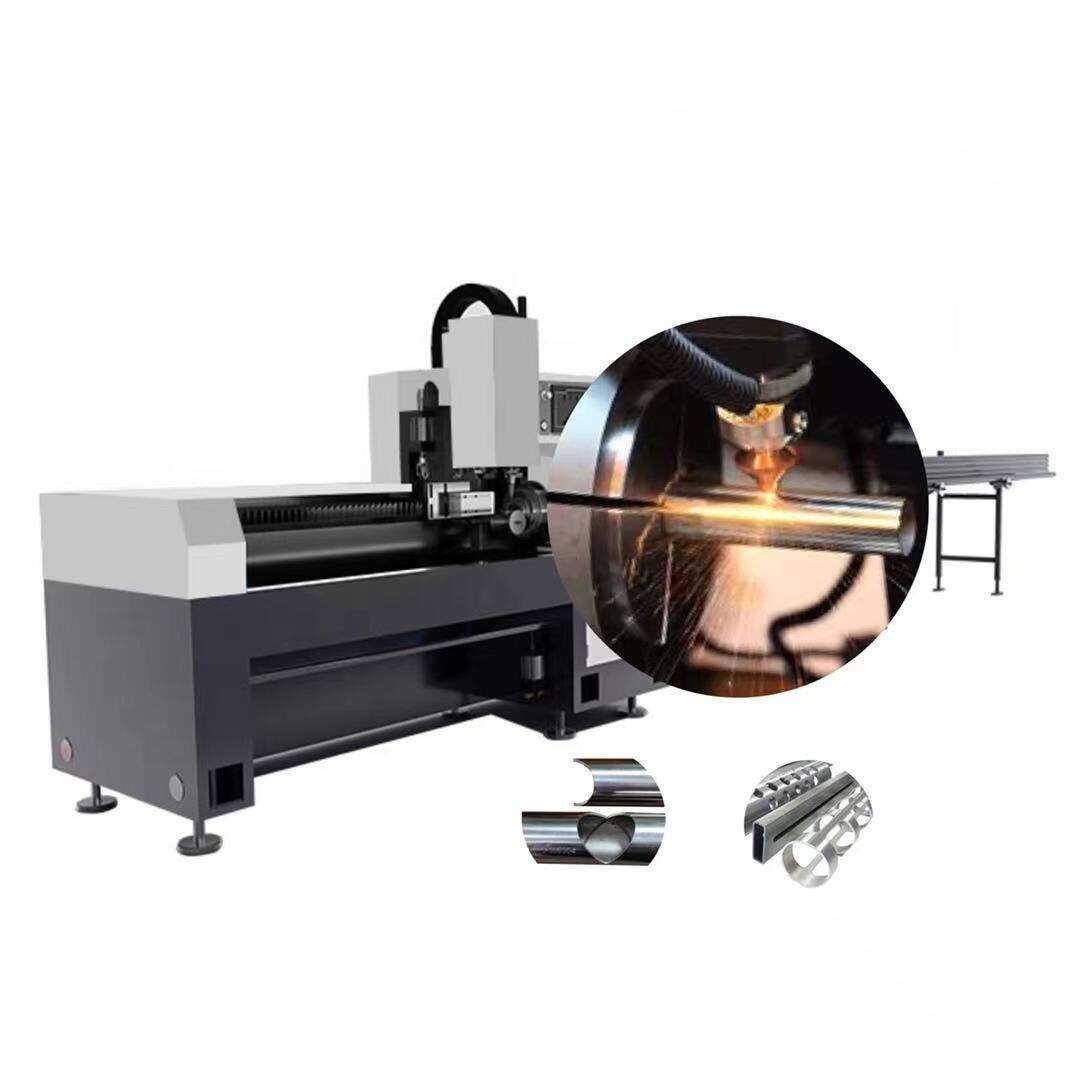
In the metal processing industry, cutting efficiency directly impacts production capacity and profits. A high-efficiency laser cutting machine can shorten processing cycles, reduce unit costs, and help companies gain a competitive edge in order fulfillment. Faced with a dazzling array of models, how can one accurately identify the "efficiency champion"?
1: Identify Needs, Avoid Wasteful Efforts
The core of machine selection is to match your own production scenario and clarify three key indicators:
• Materials and Thickness: For conventional metals, fiber lasers are selected; for highly reflective materials, anti-reflection design is emphasized. Power is matched to the standard cutting thickness to avoid overkill or insufficient power.
• Production Capacity: For mass production, automation is prioritized; for multi-variety, small-batch production, changeover flexibility and layout software efficiency are emphasized.
• Machining Accuracy: If high surface finish and dimensional accuracy are required, beam quality and machine tool stability must be considered to avoid rework that slows down efficiency.
2: Disassemble the core components and grasp the key to efficiency
• Laser: Prioritize fiber optic lasers, matching power while considering beam quality and brand lifespan to minimize maintenance downtime.
• Machine Tool and Transmission: Rigid bed + high-precision guideways improve high-speed cutting stability and shorten idle movement and acceleration/deceleration time.
• Cutting Head: Equipped with automatic focusing, anti-collision, and height tracking functions, adaptable to different sheet materials, avoiding cutting interruptions.
• Control System and Software: Select a system that supports path optimization and breakpoint resume cutting; intelligent nesting software saves materials and time.
• Automation Configuration: Automatic loading and unloading, edge finding and positioning, enabling unattended operation and significantly increasing production capacity.
• Consumables and Maintenance: Durable wear parts + convenient maintenance design ensure long-term stable operation of the equipment.
• Total Cost of Ownership: Consider not only the purchase price but also electricity costs, consumables, maintenance, etc., to calculate the long-term economic benefits.
By bringing our own commonly cut materials and thicknesses, we compared the cutting speed, cross-section quality, and changeover efficiency of different models to verify continuous cutting stability and avoid "short-term high efficiency, long-term failure."
Choosing a high-efficiency laser cutting machine involves a comprehensive consideration of needs, configuration, and cost. Finding the right model is crucial for maximizing production capacity.