EN
EN

Tube bending is a crucial manufacturing process that allows for the shaping of metal tubes into various configurations to meet specific application requirements. This article will guide you through the key specifications for evaluating tube bending machines, comparison methods for different solutions, cost factors involved, common problems encountered in the process, and a step-by-step approach to make informed purchasing decisions.
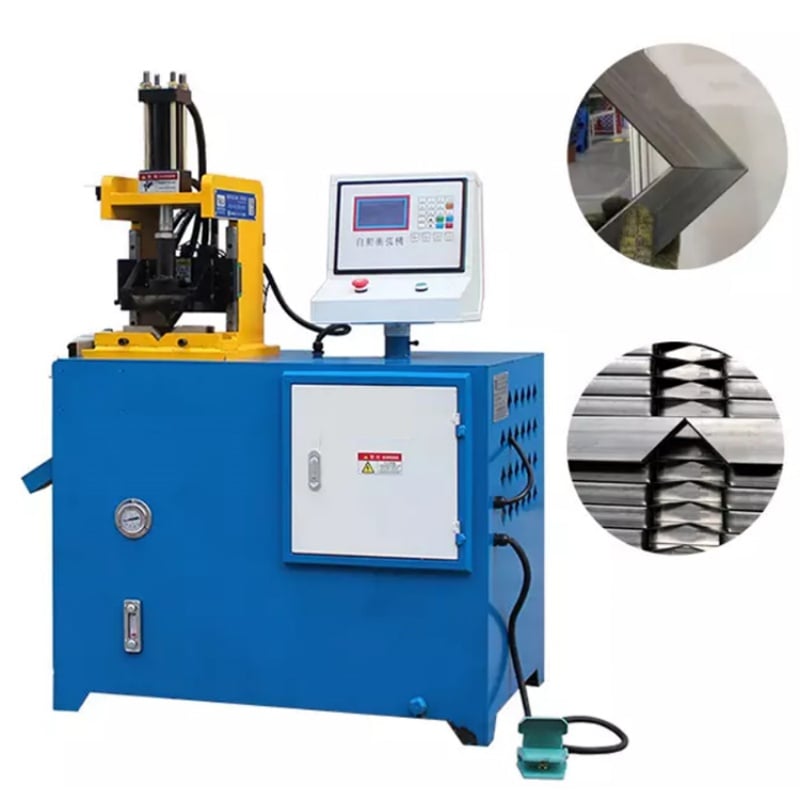
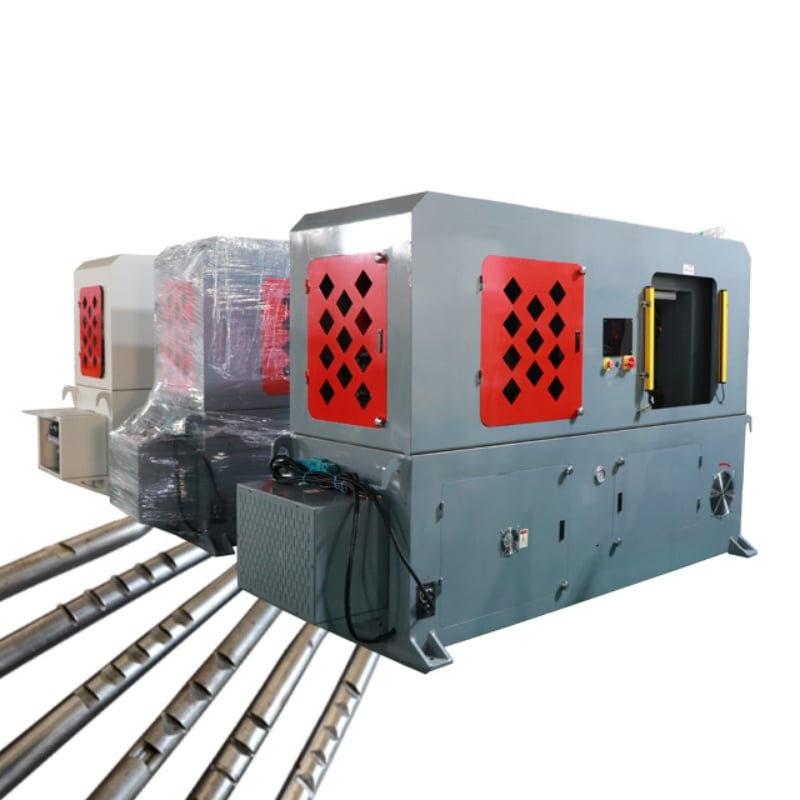
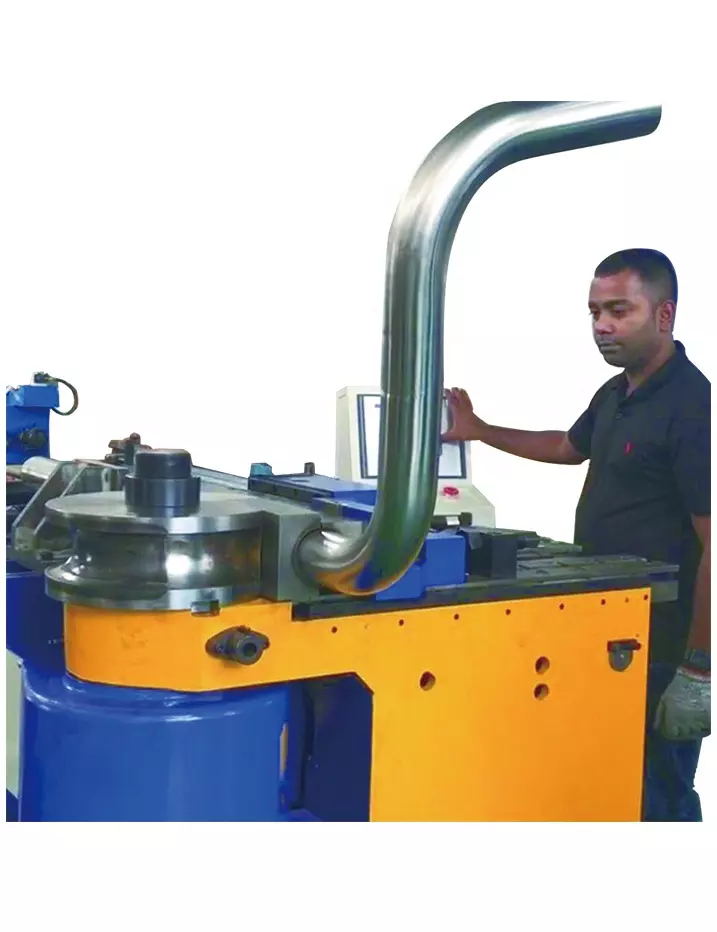
How to Compare Tube Bending Solutions for Your Manufacturing Projects
Comparing tube bending solutions involves more than just looking at price tags; it's about finding the right fit for your specific manufacturing projects. Here are some strategies for making effective comparisons:
Identify Your Requirements: Define the specific requirements of your projects, including material types, dimensions, and bend complexities.
Request Demonstrations: Whenever possible, arrange for demonstrations of the tube bending machines you are considering.
Review Case Studies: Look for case studies or testimonials from other companies in your industry that have utilized the machines you are evaluating.
Evaluate Service and Support: Consider the after-sales support offered by the manufacturer, including training, maintenance, and availability of spare parts. A company like Bao Rui, known for its fully automated solutions and strong design team, can provide valuable support during and after the purchase.
Cost Analysis: While initial costs are important, assess the total cost of ownership, which includes maintenance, operational costs, and potential downtime.
By following these steps, you can effectively compare copper tube bending machine and select the one that best aligns with your manufacturing objectives.