EN

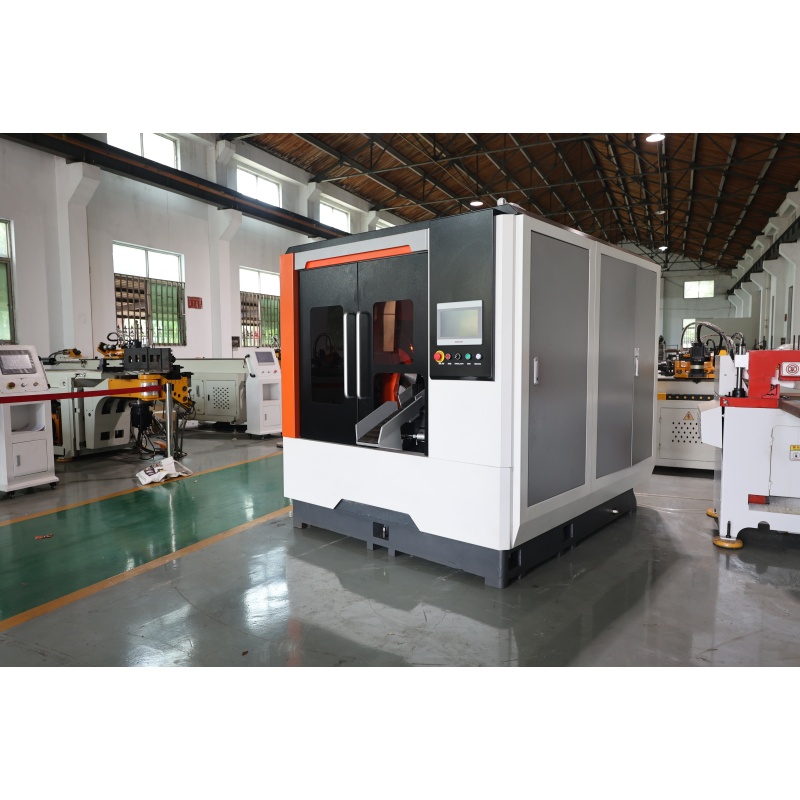
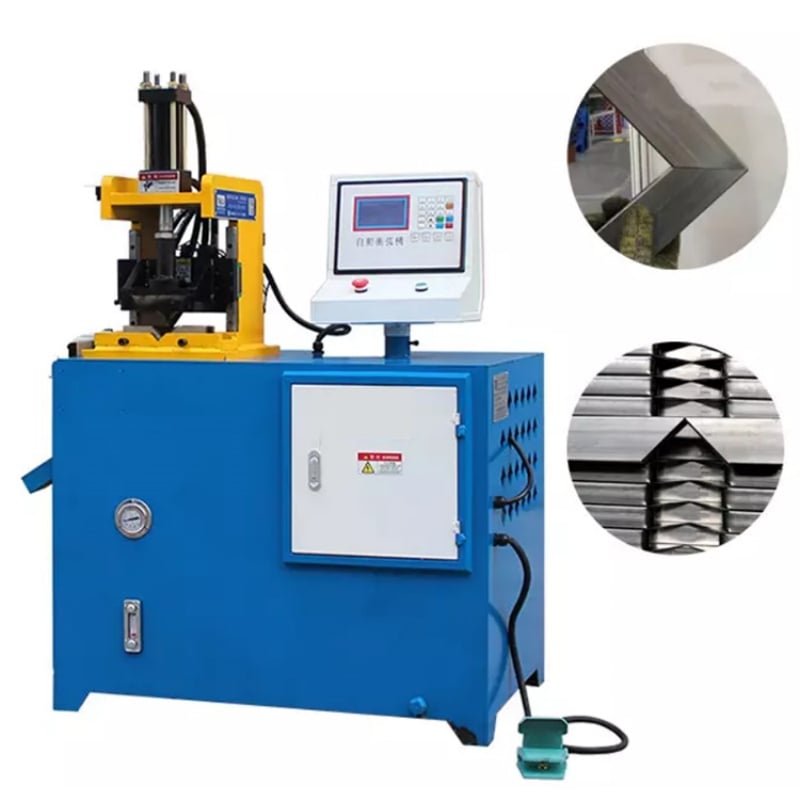
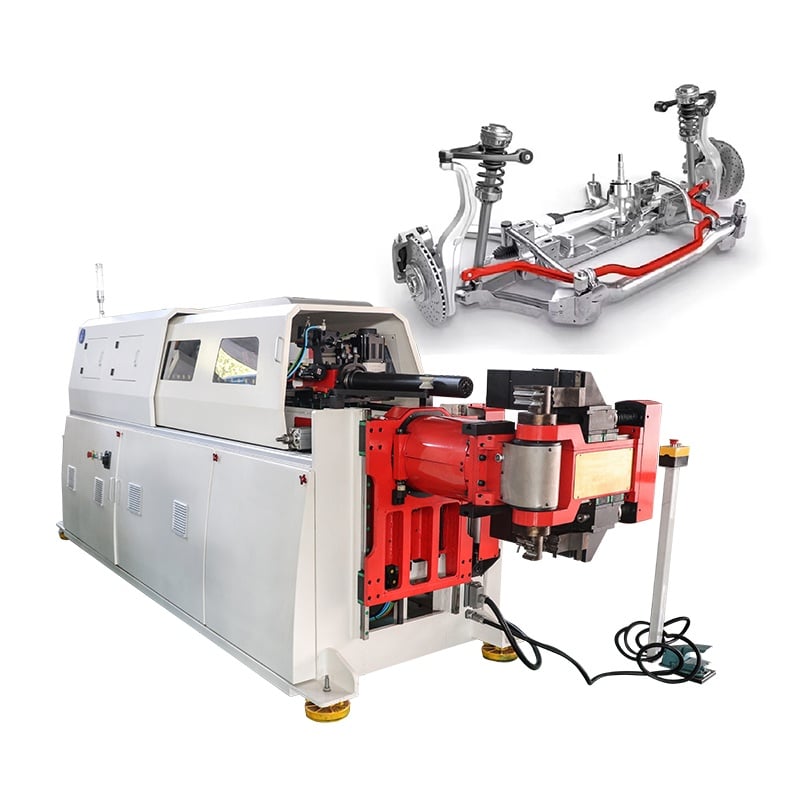
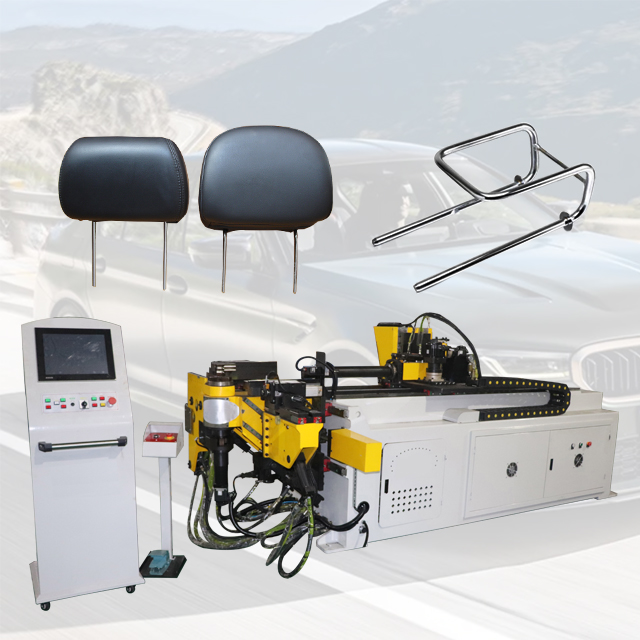
Tube bending machines are essential tools in various industries, enabling the precise shaping of metal tubes for diverse applications. As a purchasing manager or decision-maker, understanding the quality, functionality, and cost implications of tube bending machines is crucial for making informed procurement decisions. This article will provide insights into evaluating these machines, addressing common problems, and exploring their applications across different sectors
How to Evaluate the Quality of Tube Bending Machines for Bulk Orders
When considering bulk orders of tube bending machines, a systematic evaluation approach is necessary. Key factors include
Specifications: Confirm the technical specifications, such as bending radius, tube diameter capacity, and wall thickness. Ensure these align with your project requirements
Customization Capabilities: Some projects may require specific features or adjustments. Evaluate whether the manufacturer offers customization options to meet your unique needs
Testing and Validation: Request information about the machine's testing methods. Ideally, machines should be subjected to rigorous testing before delivery to validate their performance under various conditions
After-Sales Support: Assess the level of support provided post-purchase. A reliable manufacturer should offer installation assistance, maintenance services, and readily available spare parts
Sample Approval: Before finalizing a bulk order, it's prudent to request a sample or a demonstration. This allows you to evaluate the machine's operational efficiency and suitability for your application