EN
EN

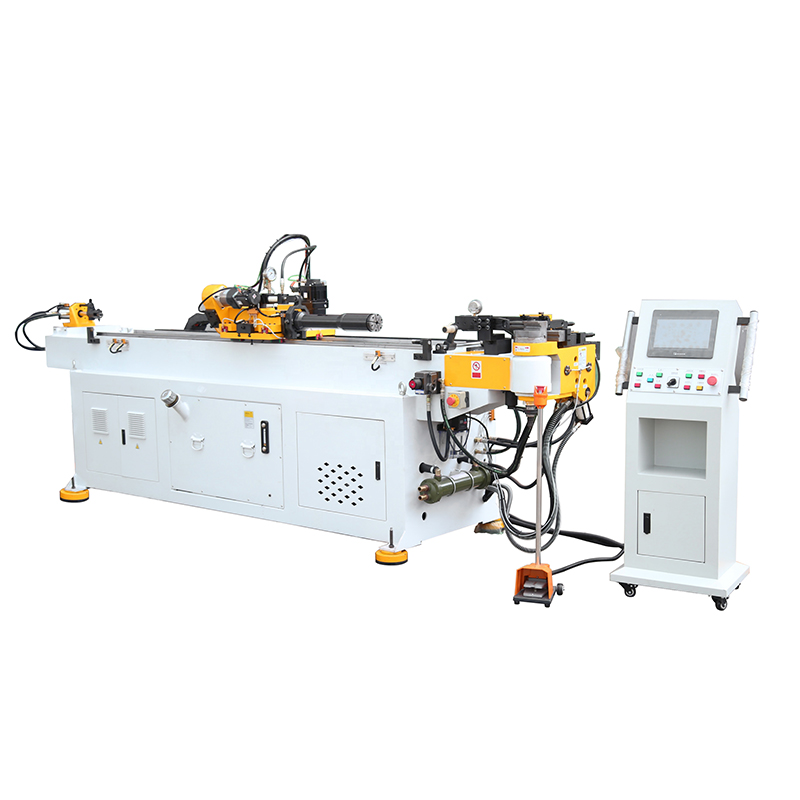
Choosing the right stainless steel tube bending machine is crucial for manufacturers seeking efficiency and precision in their production processes. These machines are essential for creating bent stainless carbon steel tube pipe bending used in various applications, from automotive to construction. This article will provide insights into selecting the right machine, what specifications matter, how to evaluate quality, common operational issues, and installation guidance for optimal performance.
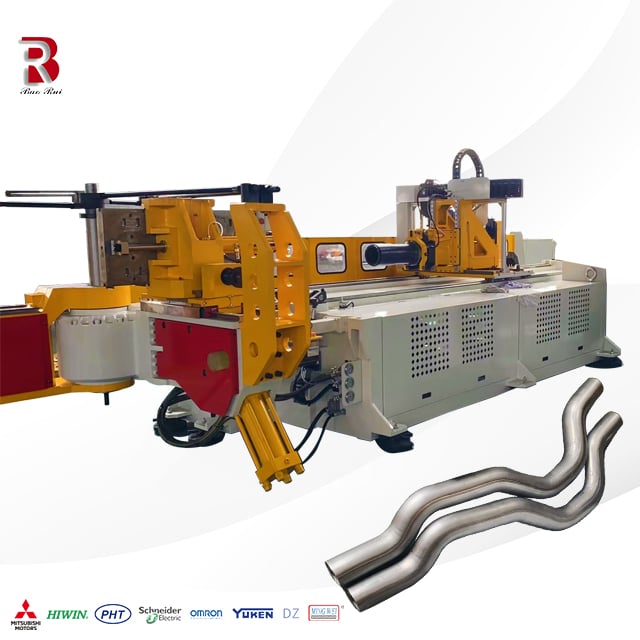
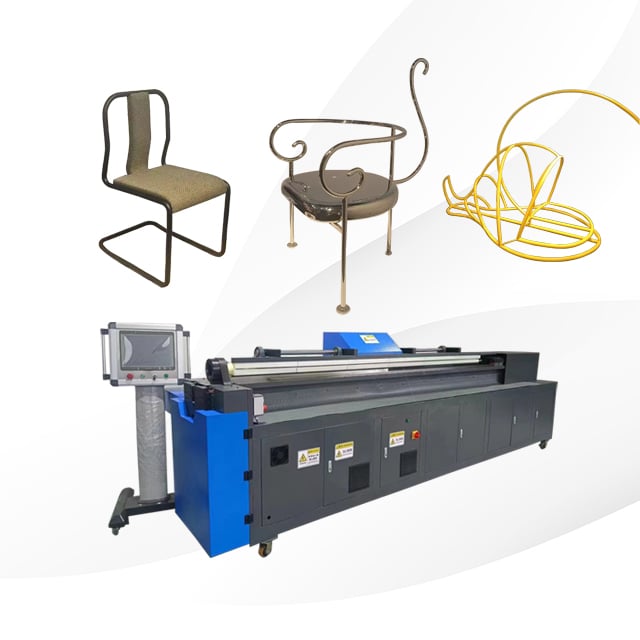
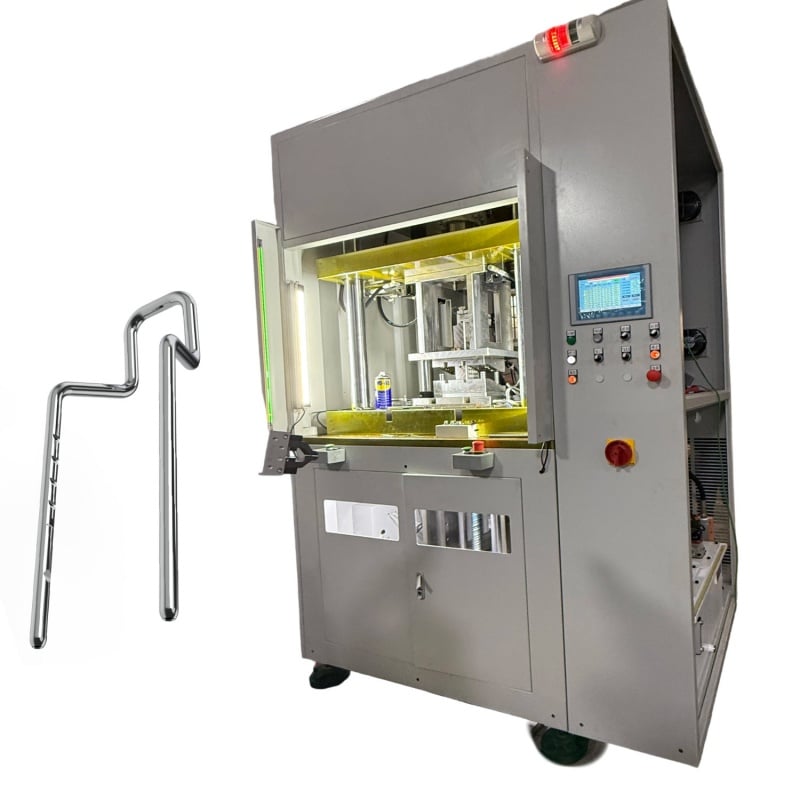
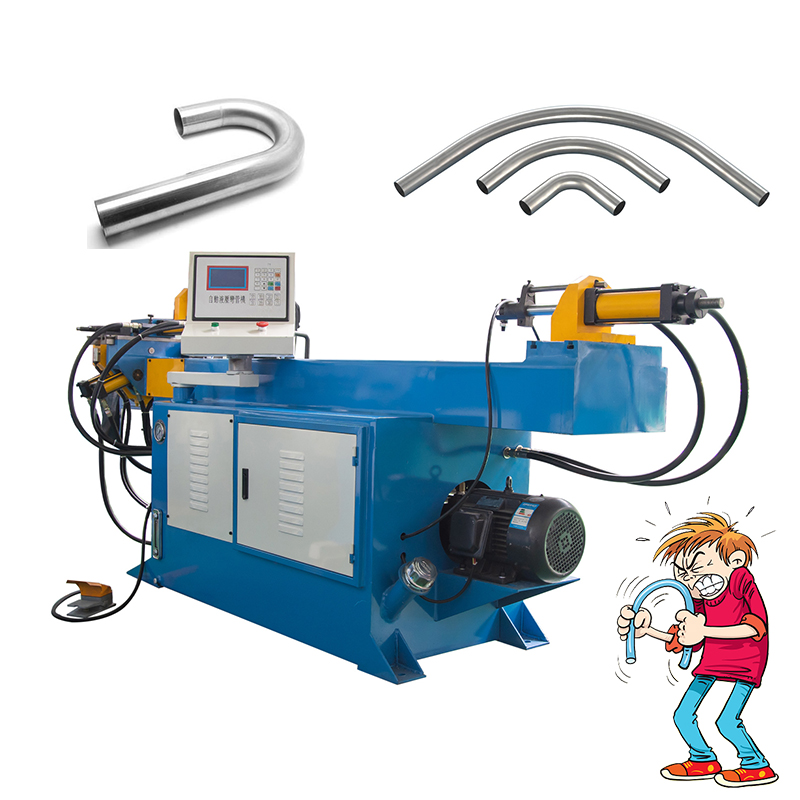
Key Specifications for Stainless Steel Tube Bending Machines
Bending Radius: The minimum and maximum bending radius indicate the installation guidance types of bends the machine can produce. This is crucial for applications requiring precise angles and curves.
Tube Diameter Range: Machines are designed to accommodate specific tube diameters. Ensure the machine can handle the sizes you need for your projects.
Wall Thickness: The machine's capacity to bend tubes of varying wall thicknesses affects its performance and durability. Ensure it aligns with the specifications of the stainless steel tube bending machine you will be processing.
Bending Speed: This indicates how quickly the machine can produce bends, impacting your overall production efficiency. Higher speeds can reduce lead times but may require careful monitoring to ensure quality.
Automation Level: Fully automated machines often come with advanced features such as programmable settings and automatic loading and unloading, improving productivity. Determine the level of automation that aligns with your operational goals.
Power Requirements: Understanding the machine's power consumption is essential for evaluating operational costs and ensuring compatibility with your facility's electrical setup.
By assessing these specifications, you can select a machine that meets your operational requirements while ensuring high-quality production.