EN
EN

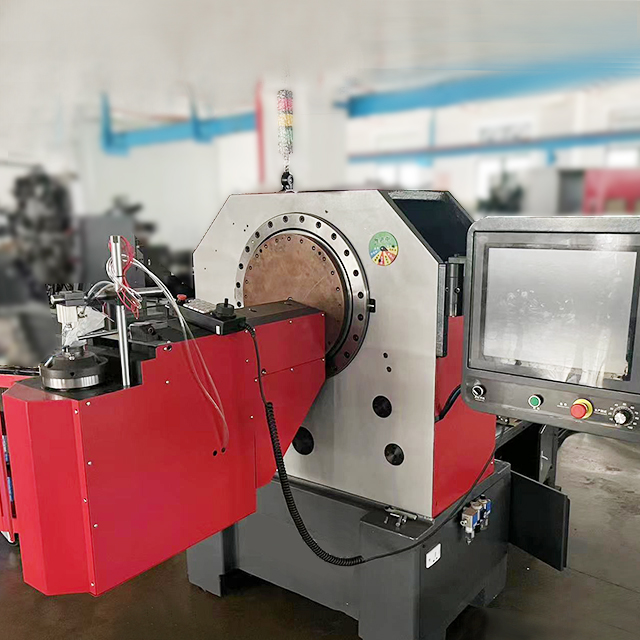
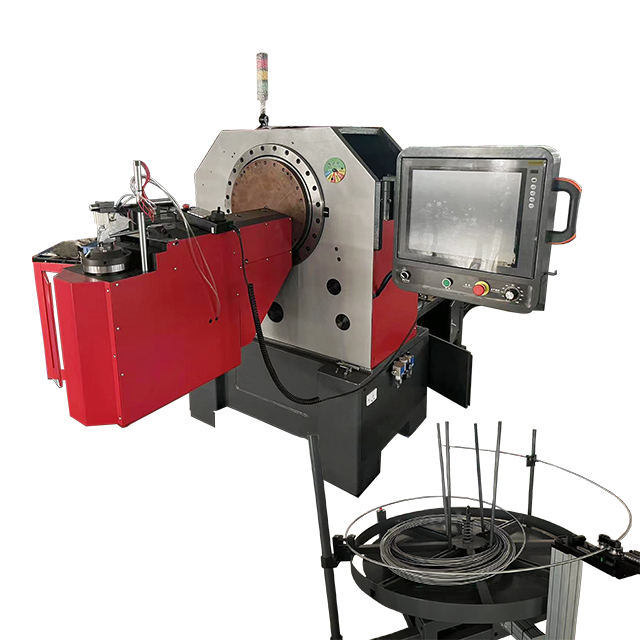
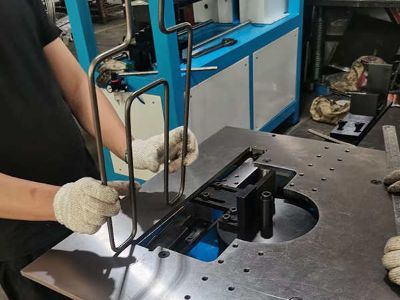
Bao Rui cnc wire bender are essential tools in the manufacturing and fabrication industries, allowing for precise bending of wire into various shapes and forms. For businesses considering wire bender DIY projects, understanding the specifications, sourcing options, and operational efficiency of these machines is critical. This article will provide insights into selecting high-quality wire benders, comparing specifications, sourcing reliable suppliers, understanding cost factors, and maximizing efficiency with automated systems, helping buyers make informed wire bender diy purchasing decisions
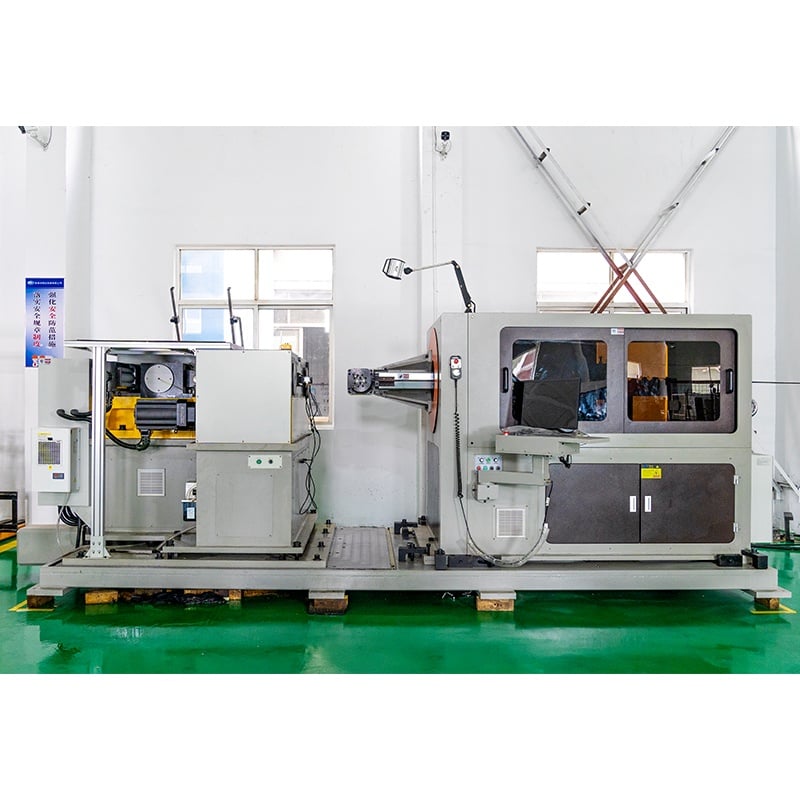
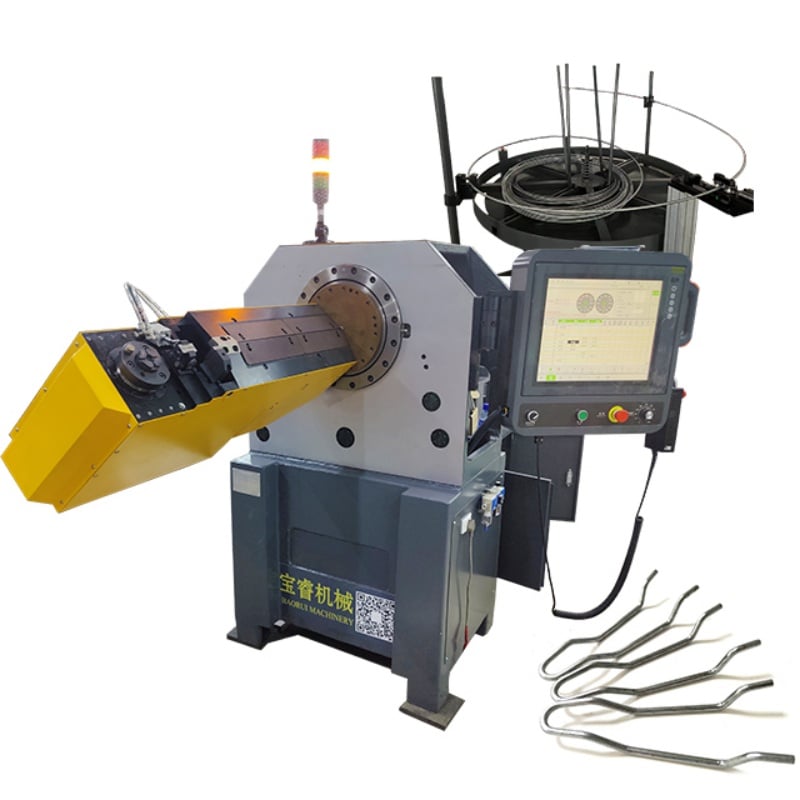
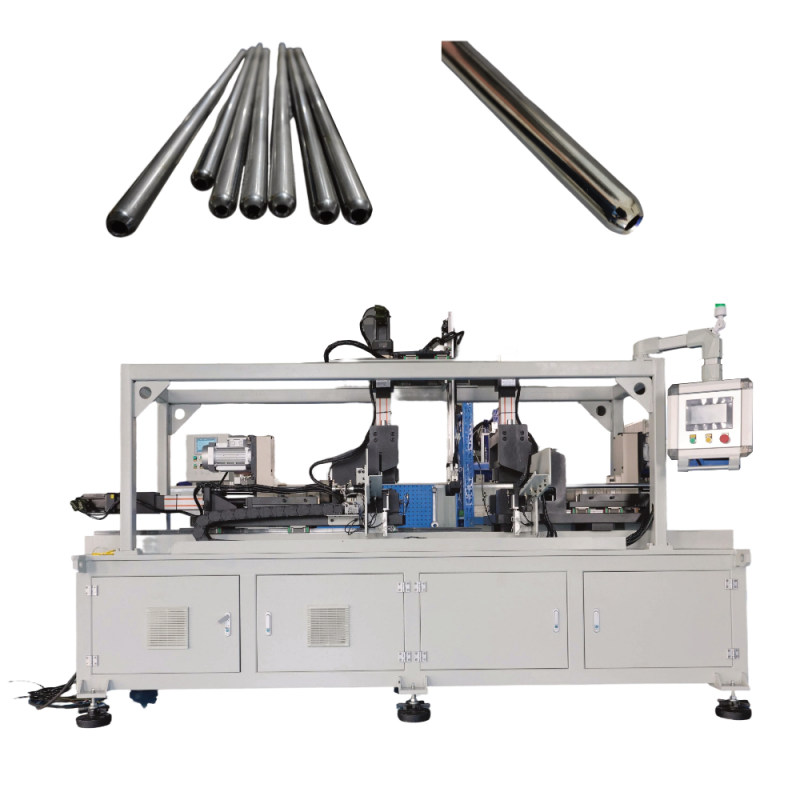
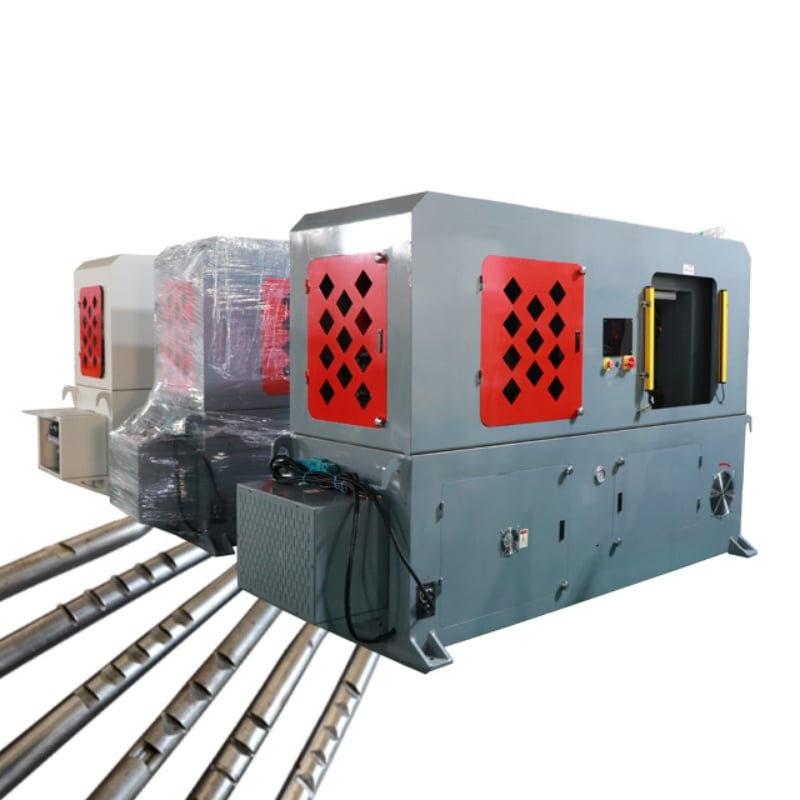
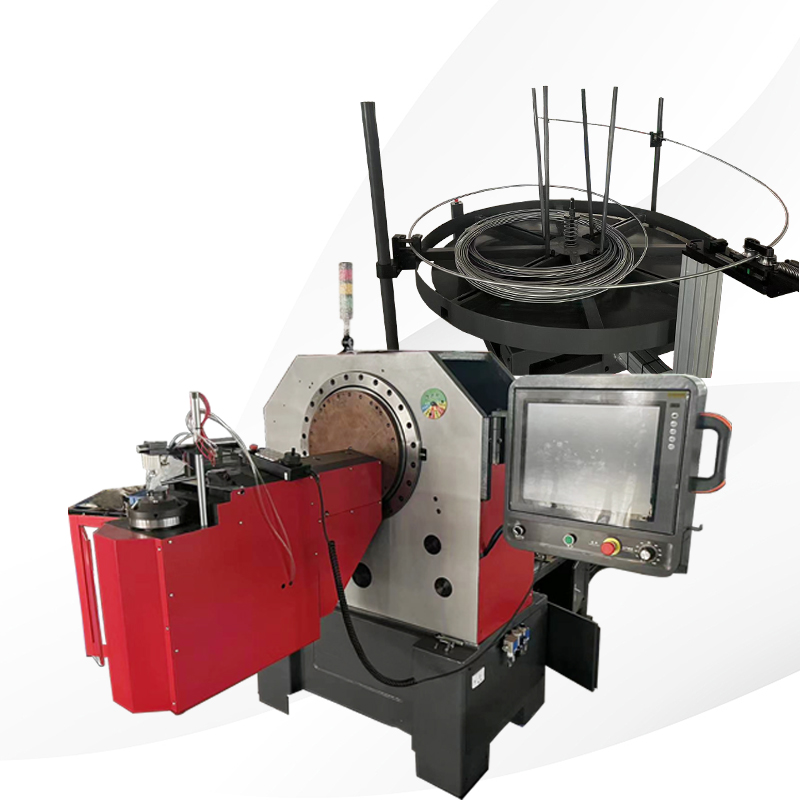
How to Compare Wire Bender Specifications Effectively
Evaluating Bao Rui automatic wire bender specifications involves understanding key parameters that affect performance and functionality. Important specifications include:
Bending Capacity: This refers to the maximum wire diameter that the machine can handle. It's crucial to match the bending capacity with your intended applications
Bend Radius: The minimum bend radius is vital for ensuring that the wire does not break during the bending process. Smaller radii might be necessary for intricate designs
Speed and Efficiency: Automated wire benders typically offer higher speeds and efficiency compared to manual models. Review the machine’s output rate, which is measured in bends per minute
Material Compatibility: Different wire materials (such as stainless steel, aluminum, or copper) require different bending techniques and machinery. Ensure that the machine can accommodate the materials you work with
Buyers should also consider the wire bender diy technological features of the wire bender, such as digital controls or programmable settings, which can enhance precision and repeatability in production