 EN
EN

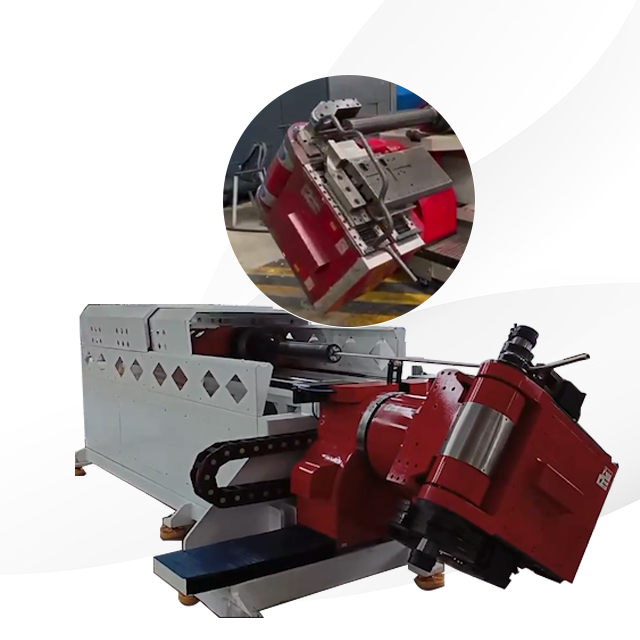
The most apparent and frustrating problem that occurs during pipe bending is wrinkling. A single wrinkle in the inner radius of a bend will render the part scrap. The wrinkle creates a high stress concentration, and the part will ultimately fail under load. Wrinkles also mar the surface finish of finished products such as furniture, medical instruments, and car roll bars. Many manufacturers consider some wrinkling as part of the process. Top round pipe benders claim zero wrinkling through careful tooling and controls.
Why Wrinkles Form During Pipe Bending
Wrinkling of the internal wall of a pipe bend results from the inner radius buckling under compression. As a pipe bends, the outer wall stretches while the inner wall compresses. If there is nowhere for the compressed material to go, it tends to bunch up on itself and form wrinkles. Pipe walls that are relatively thin will buckle much more easily than pipes with thick walls. It is also generally true that larger diameter pipes relative to wall thickness are more prone to wrinkling, as are more ductile materials like aluminum and copper relative to steel. In all cases, the cause is not enough support on the internal radius, so the material cannot flow smoothly around the bend and bunches up. Zero wrinkling machines tackle the cause rather than the effect.
The Mandrel Difference Between Wrinkled and Smooth Bends
A mandrel is a precisely manufactured tool inserted into the inside of the pipe before bending in order to keep it from buckling. Zero wrinkling machines utilize a mandrel on all bends where the ratio of wall thickness to diameter necessitates it. A typical mandrel consists of a number of ball joints on a flexible chain that follows the radius of the bend. The more balls in the chain, the further into the bend support is provided. All mandrels are polished to reduce friction. Other manufacturers use a ball joint chain and treat mandrels as optional accessories. Zero wrinkling machines regard them as integral components and help clients match the mandrel shape to the pipe and bend radius.
How Wiper Dies Prevent Inner Radius Defects
The second most critical tool to avoid wrinkles is the wiper die. This is mounted behind the bending die and as the pipe moves, it effectively wipes the internal radius smooth. The wiper die literally wipes the material before it can pile up to form wrinkles. The material the wiper is made of can also contribute. Plastic or bronze dies can be useful on low-pressure or tight bends, but may wear rapidly. Hardened steel wiper dies last longer but must be properly aligned. Top pipe benders offer hardened steel dies, matched to a particular pipe and size. The pipe bender should also feature tool holders that ensure exact wiper die alignment with respect to the bending die. Misalignment by 0.5 millimeters can cause scratching or wrinkling.
The Pressure Die Role in Controlling Material Flow
The pressure die secures the pipe to the bending die during the bend. The force applied is to the outer radius and governs how evenly the pipe feeds through the tooling. Without sufficient force applied by the pressure die the pipe will slip, resulting in an uneven flow and a wrinkling. Too much pressure on the other hand can pinch or deform the pipe and leave marks on the surface. Manufacturers guaranteeing zero wrinkling employ adjustable hydraulic pressure dies, so a fine control of the pressure is attainable. Advanced machines will use a servo and proportional pressure valve to regulate this force throughout the bend, more where the radius is tighter. Many pressure dies feature rolling contact (bearings) or low-friction liners.
Why Bend Speed Control Eliminates Wrinkling at Start Up
The starting part of a bend usually contributes most to the formation of wrinkles. At the start the material has not yet set up a consistent flow path and the initial momentum change of the pipe material causes a "shock wave" of compression that forms a wrinkle before the wiper die can react. Machine operators have much greater success avoiding these initial wrinkles by using programmed ramped speeds: bend at low speed to get material moving in a steady stream, then accelerate to the target speed once the pipe is entering the bend. Some pipe bending controls even offer speed variation for segments of the same bend. Basic hydraulic machines can rarely do this since the pipe bender's speed cannot be precisely regulated beyond fully on/off without servo-operated hydraulic valves.
How Baorui Guarantees Wrinkle Free Bends
At Baorui, we consider wrinkles an unacceptable flaw. Every machine we manufacture comes with integrated mandrel support, for applications where a tight bend is needed. We supply matched, hardened steel wiper dies. Our hydraulic pressure dies feature adjustable force and low-friction rollers. We offer programmable, ramped speed starts on all our CNC models. We precisely machine and polish all our bending die grooves and the tool holders are designed to accurately control wiper die position. With two decades serving the automotive parts, furniture, medical equipment, sports equipment and kitchen ware markets, we have repeatedly proved that zero wrinkling bends are achievable when attention is paid to the finer details of the pipe bender's controls and tooling. It is simply a non-negotiable for clients who demand perfection.