 EN
EN

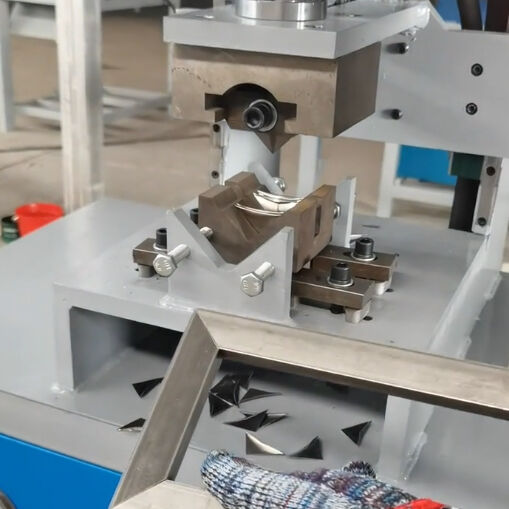
Sa modernong industriyal na pagproseso, ang mga corner shearing machine ay naging pangunahing kagamitan para sa pagpoproseso ng mga gilid at sulok sa mga industriya tulad ng metal sheet at papel na packaging. Ang kanilang kakayahang umangkop ay direktang nakaaapekto sa kahusayan ng produksyon at kalidad ng produkto. Sa harap ng iba’t ibang modelo at teknolohiya, kailangan ng mga negosyo na iwasan ang mga kapote sa pagpili at piliin ang mga kagamitang highly compatible gamit ang isang siyentipikong balangkas. Ang pangunahing lohika ay nakatuon sa apat na dimensyon.
I. Pagpapabagsak ng mga Pangunahing Pangangailangan: Pagkakaroon ng Matibay na Saligan para sa Pagpili ng Kagamitan sa Pagkukurba ng Tubo sa Industriya ng Saserbo
Ang sentro ng pagpili ng kagamitan ay ang pagtugma sa mga kinakailangan sa pagpoproseso ng sasakyan, na may tiyak na posisyon mula sa tatlong aspeto:
• Sukat ng Produksyon: Semi-automatiko para sa pagsusubok ng maliit na batch, hybrid electric para sa mass production ng medium hanggang maliit na batch, at ganap na elektriko na CNC para sa malalaking linya ng produksyon.
• Mga Katangian ng Materyales: Pinipili ang mga modelo na may kompensasyon para sa springback para sa mga magaan na materyales; ang mataas na lakas na bakal ay binibigyang-prioridad ang katatagan ng output; at ginagamit ang mga modelo na may heating-assisted para sa mga materyales na mahirap iporma.
• Mga Kinakailangan sa Katiyakan: Ginagamit ang karaniwang katiyakan para sa karaniwang tubo; pinipili ang mga mataas na katiyakan na modelo para sa mga pangunahing bahagi tulad ng mga structural part ng katawan at mga tubo para sa paglamig ng mga bagong sasakyan na may enerhiyang panlipunan (new energy vehicle cooling pipes).
II. Pagpapatibay sa mga Pangunahing Parameter: Pagpipili ng mga Mahahalagang Indikador
Tumutuon sa mga pangunahing parameter para sa kuantitatibong pagpili ng makina, na umaavoid sa nakakalito o nakakaloko na advertising. Isaalang-alang ang tatlong pangunahing punto:
• Kaginhawahan: Mag-ingat sa kahusayan ng pagputol at pag-aadjust ng anggulo. Ibigay ang priyoridad sa mga modelo na may patuloy na adjustable na mga anggulo upang maiwasan ang mga kamalian na makaaapekto sa mga susunod na proseso.
• Epekto: Pumili ng mga bilis ng pagproseso na tugma sa ritmo ng produksyon, habang isinasaalang-alang din ang kadalian ng pagpapalit ng tool at pag-debug upang mabawasan ang oras na hindi ginagamit sa produksyon.
• Katatagan: Pumili ng mga makina na may katawan na gawa sa mataas na kalidad na bakal at pangunahing bahagi mula sa mga kilalang brand upang mabawasan ang mga pagkabigo at palawigin ang buhay ng kagamitan.
III. Malalim na Pag-aadapt sa Sitwasyon: Pagtugon sa Tiyak na Pangangailangan ng Industriya ng Automotive
Piniling Pagpili Batay sa Mga Sitwasyon ng Pagproseso at Kondisyon sa Lokasyon:
• Mga Sitwasyon ng Pagproseso: Pumili ng mga modelo na madaling i-adjust ang mga mold para sa iba’t ibang sukat; pumili ng mga CNC na modelo na maaaring maiintegrate sa mga linya ng produksyon para sa mga mataas na lakas na tubo na nakakaranas ng malalaking bending force at wear resistance ng mold.
• Mga Kondisyon sa Lokasyon: Pumili ng mga maliit o vertikal na modelo para sa limitadong espasyo; iwasan ang mga mataas na presisyong modelo para sa hindi stable na boltahe.
IV. Buong Siklo ng Pagtataya: Pagbabalanse ng mga Gastos at Garantiya
Hindi lang tumitingin sa presyo ng pagbili, kundi isasaalang-alang din nang buo ang mga gastos sa buong siklo at mga garantiya sa serbisyo:
• Kontrol sa Gastos: Kalkulahin ang kahusayan sa gastos batay sa kapasidad ng produksyon, kasama ang mga pangmatagalang gastos tulad ng depreciation (pagbaba ng halaga), mga consumables (mga gamit na nauubos), at pagkonsumo ng enerhiya, at iwasan ang pagpursige nang walang direksyon sa mahal na presyo o paghahabol sa murang presyo.
• Serbisyo ng Brand: Iprioritize ang mga kilalang brand na may matatag na teknolohiya; bigyang-pansin ang kahusayan ng tugon sa after-sales service, at ikumpirma ang mga value-added services tulad ng pagsuporta sa pagsasanay sa operasyon at suplay ng mga spare parts.