 EN
EN

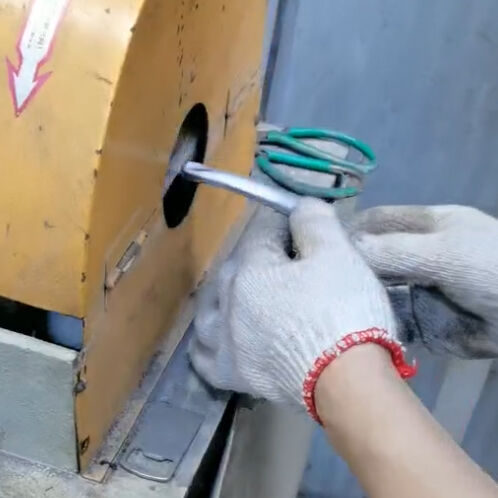
Избор полирачке машине заснован је искључиво на снази и брзини? Висока ефикасност никада није у поређењу једног параметра, већ у "прецизном одговарању опреме и потреба".
1.Одредити модел за избегавање отпада.
• Стандардни делови за велике количине → Автоматска машина за полирање, висока ефикасност за континуирано радње
• Комплексне закривљене површине/прецизни делови → ЦНЦ/роботизована машина за полирање, прецизна и темељна
• Мало-партилован локализовани полирање → Брзо регулисана ручна полирачка машина, флексибилна за мале послове
2. Уколико је потребно. Фокусирајте се на основне снаге и штите основне технологије.
• Моћ ≥ 1000Вт (индустријски степен), са заштитом од топлоте/преоптерећења, способна за континуиран рад.
• Регулација више брзина, једна машина прилагодљива различитим материјалима / грубом и фином полирањем, смањујући промену опреме.
• Брза промена потрошљивих материјала, смањење времена за прелазак и повећање ефикасног времена обраде.
3. Уколико је потребно. Рационализујте процесе како бисте смањили прераду.
• Трги метали (неродиозни челик/лига титана) → Изаберите контролу константног притиска за површине које нису подпаљене и које немају белеге полирања.
• Меки материјали (пластика/камен) → Укључује нискобрзан, стабилан режим за спречавање растрцања илом и кршења.
• Материјали склони стварању прашине → Изаберите интегрисани модел прикупљања прашине за истовремено полирање и чишћење, штедећи време простора.
4. Уколико је потребно. Фокусирајте се на детаље како бисте били максимално ефикасни.
Приоритетно обрадите моделе са подешаваним радним столовима и позиционирањем радног комада како бисте смањили време за запљачкање/орђање; лако чишћење дизајна олакшава касније одржавање, штеди време и труд на малим детаљима за већу ефикасност.
Основни принцип: Избегавајте слепо тражење високих конфигурација и високих цена; уместо тога, прилагодите сваку компоненту потребама обраде на сваком нивоу како бисте заиста постигли ефикасан полирање, смањење трошкова и повећање производње!