 EN
EN

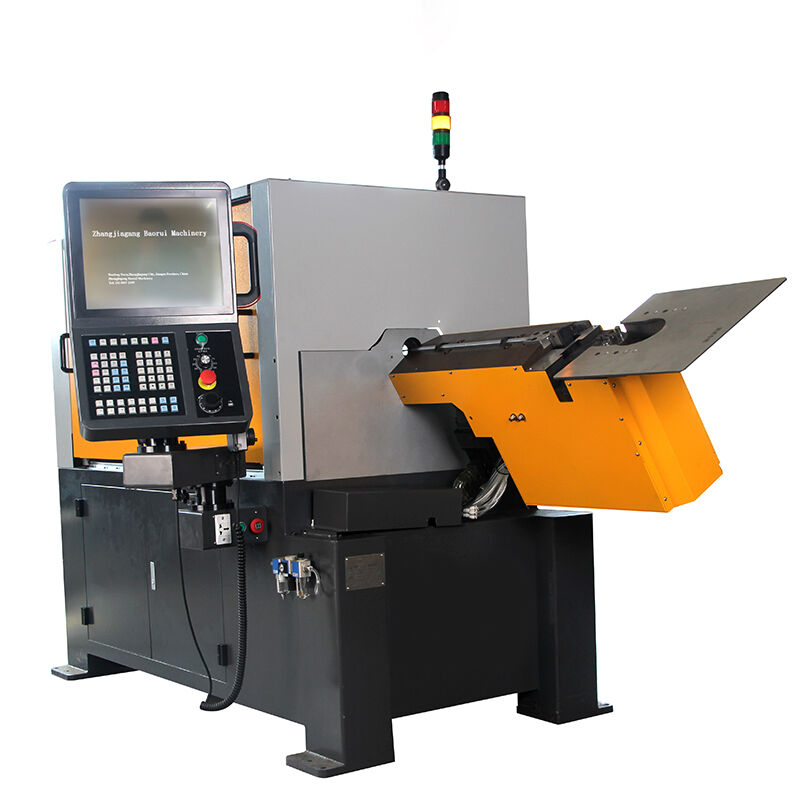
Орчин үеийн үйлдвэрлэлд утас нүүрлүүрүүд нь өндөр түвшний «индустриал хүчирхүйл»-д тооцогддод. Түүдүүлсэн метал утасыг анхны материал болгож, түүнд олон төрлийн хэлбэр өгч, барилга, автомашин, электроник, анагаах ухаан зэрэг олон салбард өргөн ашиглагддод. Түүдүүлсэн утасын боловсруулалтын хуучин арга барилыг нехүүрлүүрүүд зөвхөн үлдээж, мөн үйлдвэрлэл салбарын автоматжуулалт ба өндөр нарийнхүйн түвшинд шилжихүүд дэмжлүүр болой.
Түүний гарал үүсэл ба хөгжлийн түүх: Хүнд бөхийн гараар хийгдсэн хүчирхүйл ажилд оршооноос нарийн төхөөрөмжид шилжих
Индустриализацийн үеийн эхлэх үед утас хугалах ажил бүрэн гараар хийгддэг бөөсөн, үүн дагаад хүчний зардал их, үр дүн бага, нарийн төвөгтэй бөөсөн, иймд том масштабт үйлдвэрлэл хориглодог бөөсөн. 1950-аад онд манай улс утас хугалах төхөөрөмжүүдийг ЗСБН-ын тусламж, дуурилт дагуу хийж бөөсөн. 1970-аад оны сүүлд судалгааны институтууд утас хугалах хагас автомата төхөөрөмжүүдийг хөгжүүлж эхлж, постепенно специализацийн зүг шилжин хүртүүлж бөөсөн. Хувиргалтын арван жилүүдийн дараа төхөөрөмж нь хагас автоматаас бүрэн автомата руу, механик системээс оюун ухааны систем рүү скок-скок үсрэлт хийж, бүрэн автоматжуулсан нэгдсэн үйлдлийг гүйцэтгэж, үйлдвэрлэлийн үр дүнг сайжруулахад гол төхөөрөмж болой.
Төв шинжилгээ: Наарийн бүтэц ба олон төрлийн хувилбарууд
Утас нугалах төхөөрөмжүүдийн нарийн нарийвчлал ба үр дүнтэй бүтээмж нь түүний шинжлэх ухааны бүтцэд үндэслэн оршит—механик хайрцаг, хөдөлгүүр систем, бүхэлдүүр төхөөрөмж гэх мэт бүрдүүлэгчид нь бүгд хамтран ажилладаг, үүнээс үйлдлийн нарийн нарийвчлал хангагдаж буй. Функцональ хувьд түүнийг дөрвөн үндсэн ангилалд хувааж болой: давтамжит нугалах туршилтын төхөөрөмж (зах зэхийн хамгийн тархвар хүртэмжтэй, ердийн утаснуудад тохиромжтой), нэг чиглэлт нугалах туршилтын төхөөрөмж (том диаметрт утаснуудад тохиромжтой), хүрхүрлүүр-нугалах нийлмүүл туршилтын төхөөрөмж (онцгой материалуудад тохиромжтой) ба бүтнэд автоматжуулсан оюун ухааны системүүд (индустрийн хамгийн сүүлийн үеийн хүртэмжтэй шилдэг шийдлүүд). Дотоодын үйлдвэрлэсэн төхөөрөмжүүдийн нарийн нарийвчлал тогтвортой сайжирч, ихэнх үйлдлийн шаардлагыг хангаж буй.
Бүх салбарыг хүчтүүрдүүлж: Бүх индустрийн дотор нүүрлүүрдүүлж
Дайралт хийх машинууд нь үйлдвэрлэлийн бүх салбарт тархаж, үндсэн боловсруулалтын төхөөрөмжүүд болойн. Барилга салбарт тэрдүүн арматур хөвөртүүнүүдийн боловсруулалтад ашиглагдаж, доторх үйлдвэрлэлийн аюулгүй байдлыг хангаж; автомашин салбарт суудлын хүрд, бампер гэх мэт деталейн өндөр нарийн боловсруулалтад адаптируулж, салбарын хөнгөрүүлэх чиглэлд шилжихүүдэд туслах; цахим техник ба анагаах ухаан салбарт тэрдүүн нарийн боловсруулалтын давуу талыг ашиглан микро деталейн ультра-нарийн дайралт хийхүүдэд ашиглагдаж; хүрд-төхөөрөмж салбарт тэрдүүн бүтээгдхүүний чанарыг хүчтэй сайжруулж, үйлдвэрлэлийн үр ашгийг нэмэгдүүлж.