 EN
EN

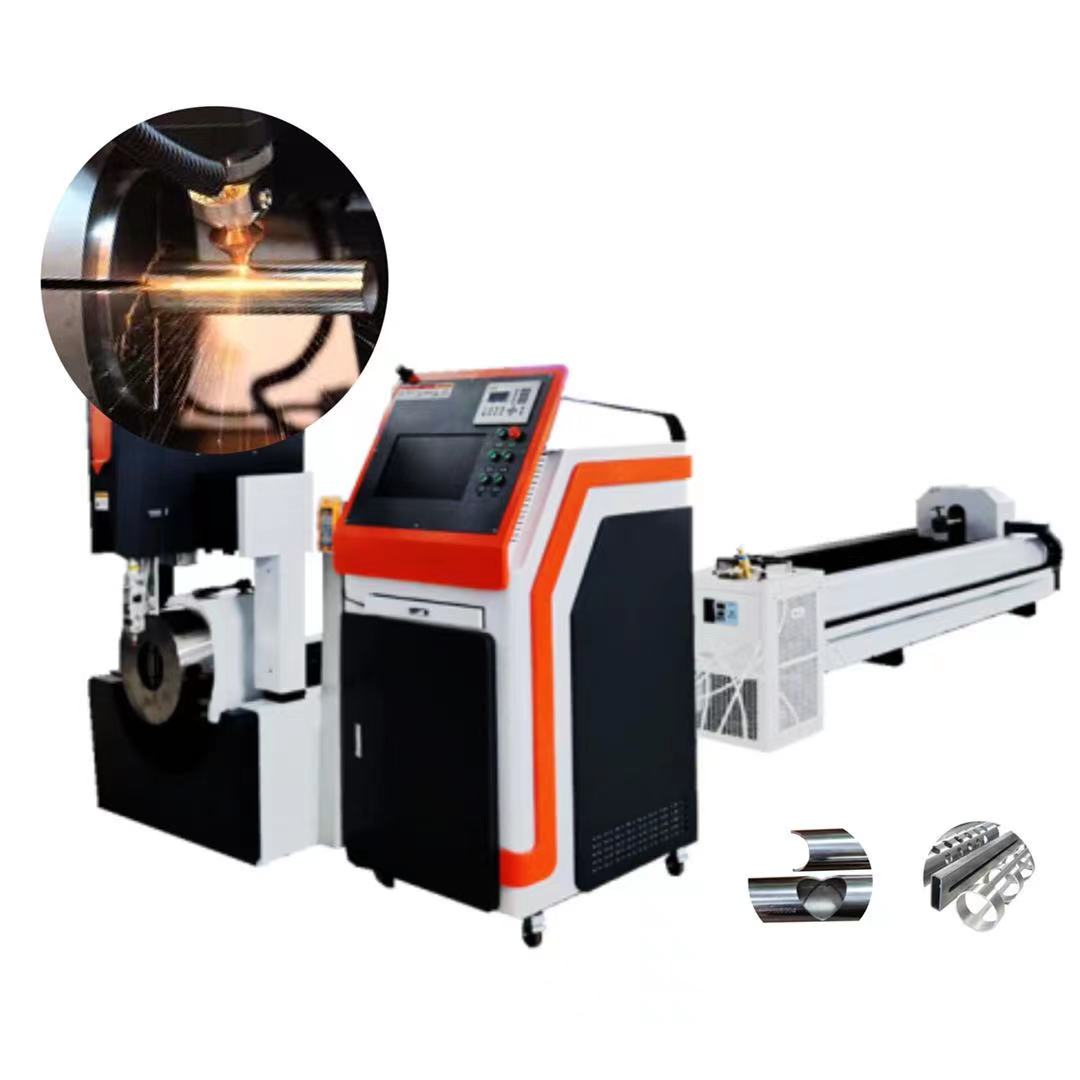
Purchasing CNC tube bending machines requires major capital expense on the part of manufacturing and fabrication companies with the promise of delivering a solid return on the initial investment through the reliable and consistent production of precise parts. The bad news for some shop floor managers is that a new machine can “walk,” with accuracy drifting more each production day. Not all are willing to admit the problem, but it often begins during the very first year. Fortunately, this is actually not predictable. With proper care and understanding of root causes, these machines can actually maintain high accuracy for many years.
The Hidden Impact of Mechanical Wear on Critical Components
How soon can bending machines actually lose accuracy and what causes it? Why does a high end tube bending machine start to lose accuracy just months after it starts operating? The answer lies in what could be called normal wear. Because many of the parts in the tube bending machine that support the bending operations are mechanical, over time, they wear out. Your tube bending machine has bending and wiper die, and clamping mechanisms that will constantly rub and stress wear on them during each operation. In lower quality tube benders, this wear can occur quickly and will rob the accuracy from the machine as a result of this lack of close proximity between components. The ball screws and guide rail that manage movement of your axis on the bending machine are another prime example. They may actually develop wear and become loose. When they develop play or backlash, any taxis movement becomes exaggerated, leading to significant bending inaccuracies. Even your bending cylinder seals and some other internal components wear over time. These will lose pressure and can cause inconsistencies in bend angles. Often machines that are built by manufacturers who skimp on quality components will require the machine to be remade to bring its original accuracy back online much sooner than any customer would appreciate.
Inadequate Calibration and Setup Procedures
The second big reason for quick accuracy degradation stems from an incomplete job of initial set-up and regular process assurance of setup verification. Many CNC benders are installed and put into productio without adequately testing for geometry errors in their reference plane. Manymachines begin their working life with these inherent issues. Benders must be calibrated considering tool wear, springback of each material, and required accuracy for the particular production. In the absence of any calibrated initial measuring system it will continue to manufacture parts to an off-spec product in all jobs. When a setup operator switches tooling that’s suitable for new tube diameter or different radius, he must reconfirm reference points. Proper training is essential, and setups should not be rushed.
Environmental Factors and Maintenance Neglect
Machine’s Climate-The “True” CNC Bender Assassin Inevitably, most CNC machine shop owners eventually discover the reality that the environment surrounding their CNC benders will dramatically influence its accuracy and lifespan–to a greater degree than may seem intuitive. Every change in ambient temperature induces a certain amount of linear movement, expanding and contracting all of the parts. This will affect the clearance settings in and through the CNC and the overall accuracy with which the CNC locates parts, thus inducing machine placement errors that may, until understood, appear remarkably similar to a machine failure. Metal fragments, lubricants and debris find their ways into guides and on linear encoders and encoders cause many a head-scratcher when those components build up sufficient chips that create unnecessary resistance, and that ultimately interfere with the accurate feedback mechanism of how accurate your part really is. Yes, regular scheduled preventive maintenance IS in order, yet owners often skip essential oiling tasks, to filter replacements, simply so that they don’t have to shut down production-resulting in premature wear.
Software and Control System Drift
Today's CNC benders are complex machines. Their control systems use intelligent control software and state-of-the-art servo drives to accurately carry out a sequence of bends. However, electronics actually age and degrade over time. Encoder resolution may change with temperature and aging. Servo response time can actually slow, and compensation software may fail to account for variations in material grades from batch to batch. The operator even sometimes performs the firmware and adjusts parameters of his machine with no real knowledge on its implications for calibration. The compensation to springback, which is largely depending on material grade, thickness and bend radius must be controlled accurately. When test bends are measured regularly and the compensation parameters are correctly updated, significant divergence can actually be avoided. Otherwise, when an "ever lasting" software compensation is applied which is not updated, it starts applying incorrect parameters. Parts gradually deviate from specification, and performance declines year after year. A CNC Bender is a high accuracy, precision machinery that requires good design, high-quality components and regular servicing and maintenance procedures in order to perform accurately.
Many machines that deteriorate withing less than a year reflect cost-compromises or operator neglect. Baorui Machinery. with 20 years of experience in tube bending equipment, has designed and engineered our benders using high capacity, heavy-duty components with precision guided and monitored systems. Our approach actually includes: quality engineered benders that maintain performance, comprehensive operator training, and meticulous inspection and maintenance.