EN
EN

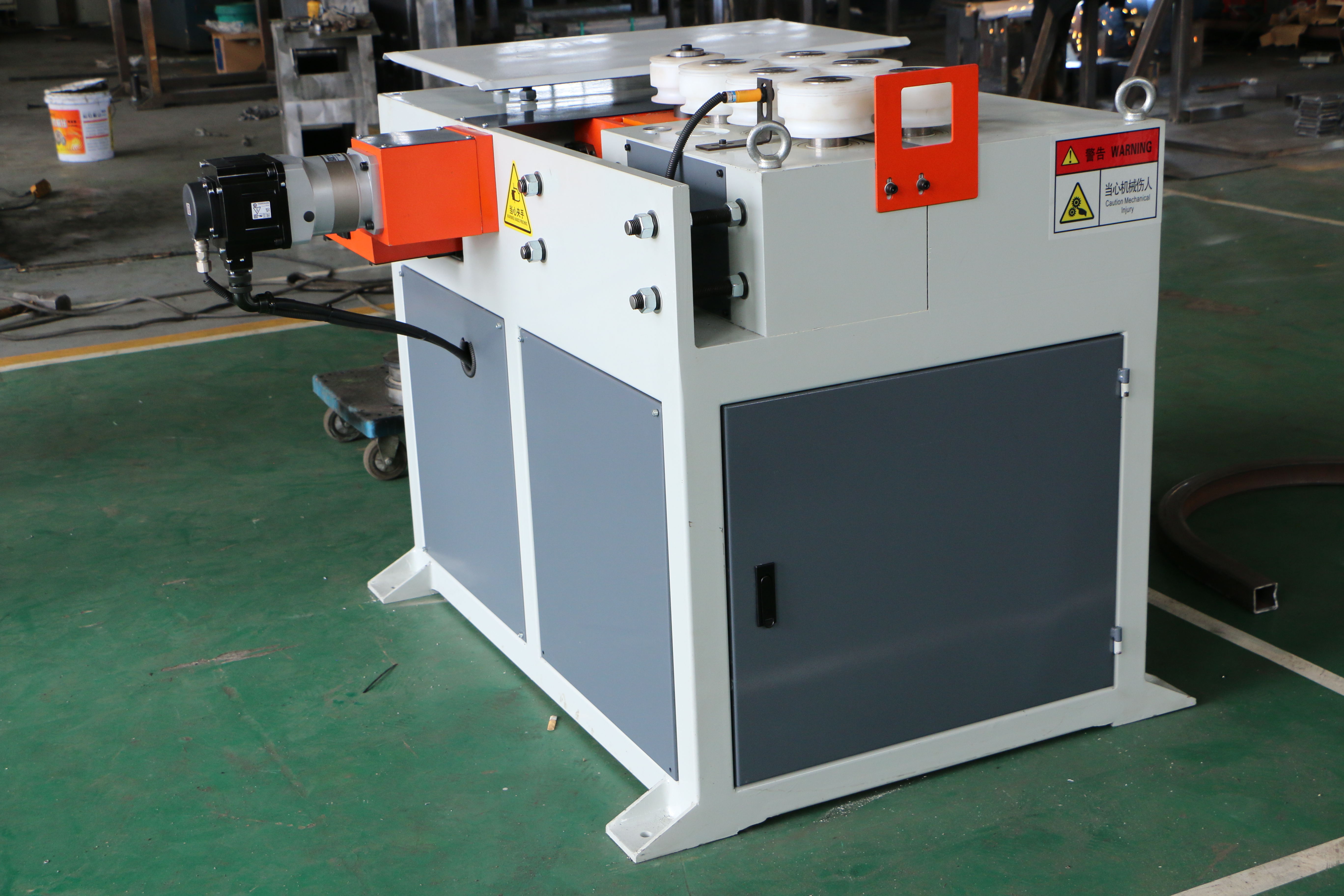
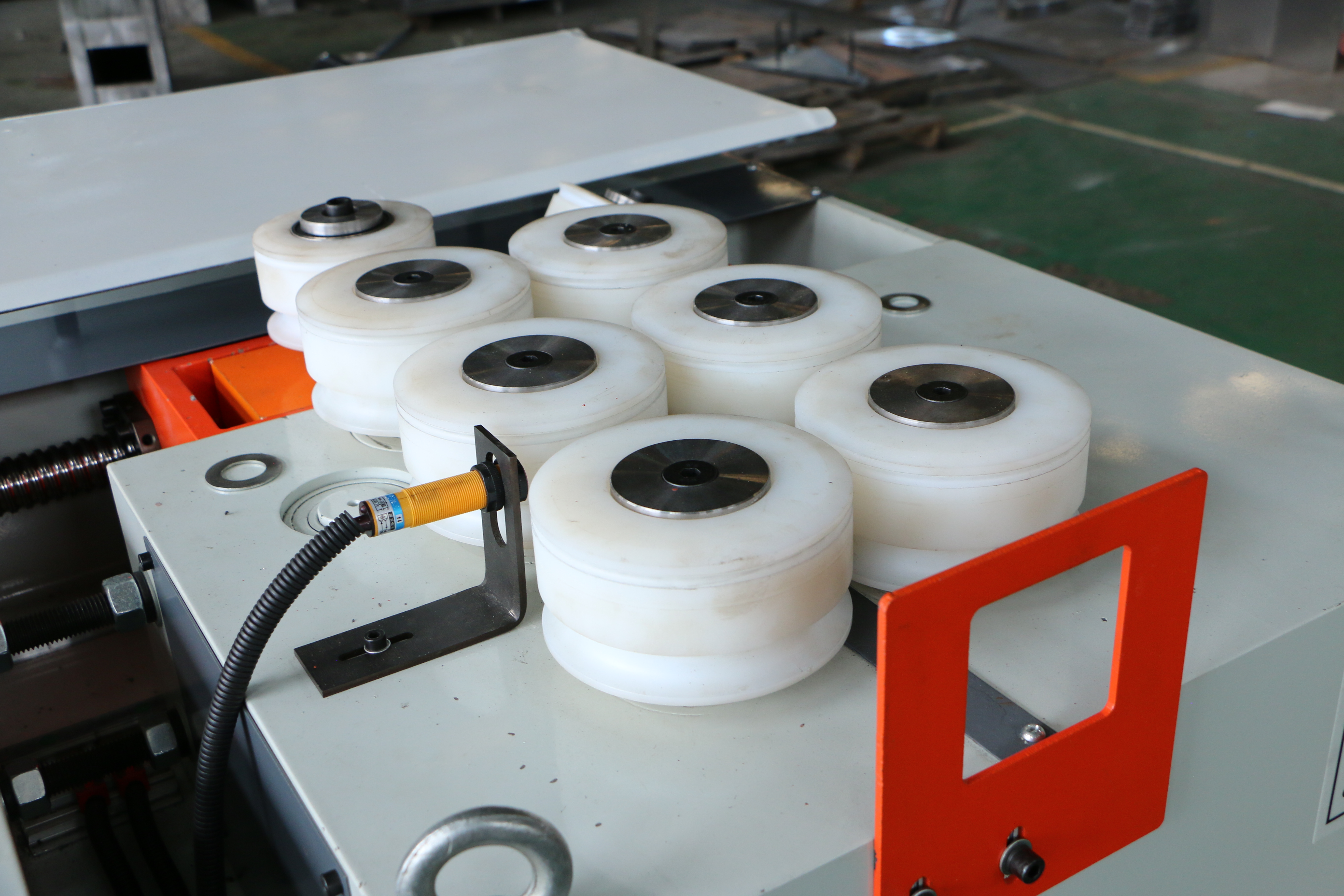
When considering the procurement of a pipe rolling machine, it’s essential to understand what these machines do and how they can benefit your operations. A pipe rolling machine is specialized equipment designed to roll pipes and tubes into precise shapes and sizes for various applications. As a purchasing manager or engineer, you may have concerns about specifications, compatibility with existing equipment, operational efficiency, and overall cost. This article will provide you with essential insights into choosing the right pipe rolling bending machine for your needs, key specifications to consider, and practical guidance for installation and maintenance.
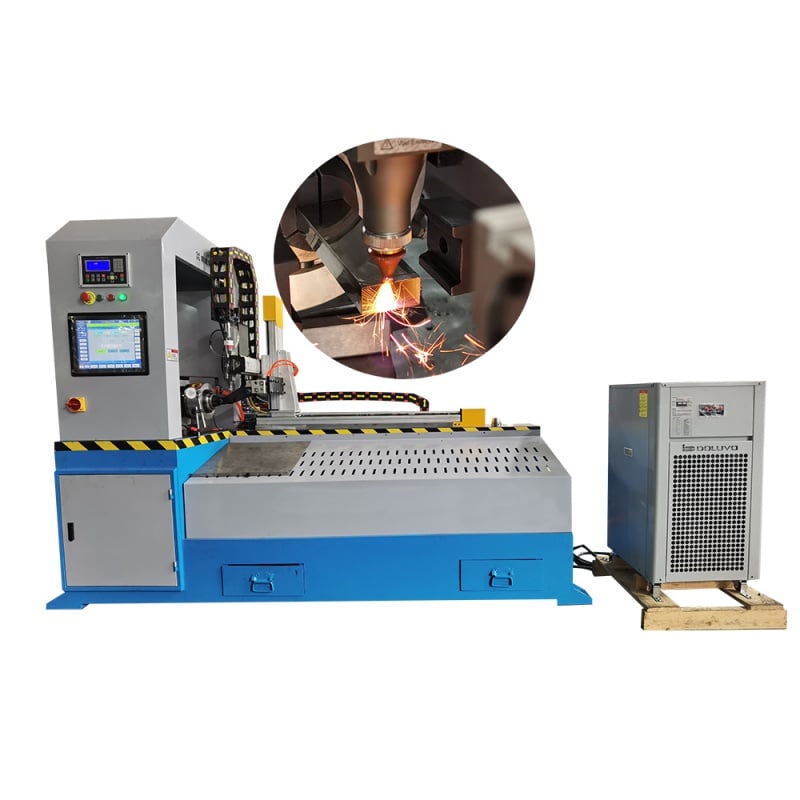
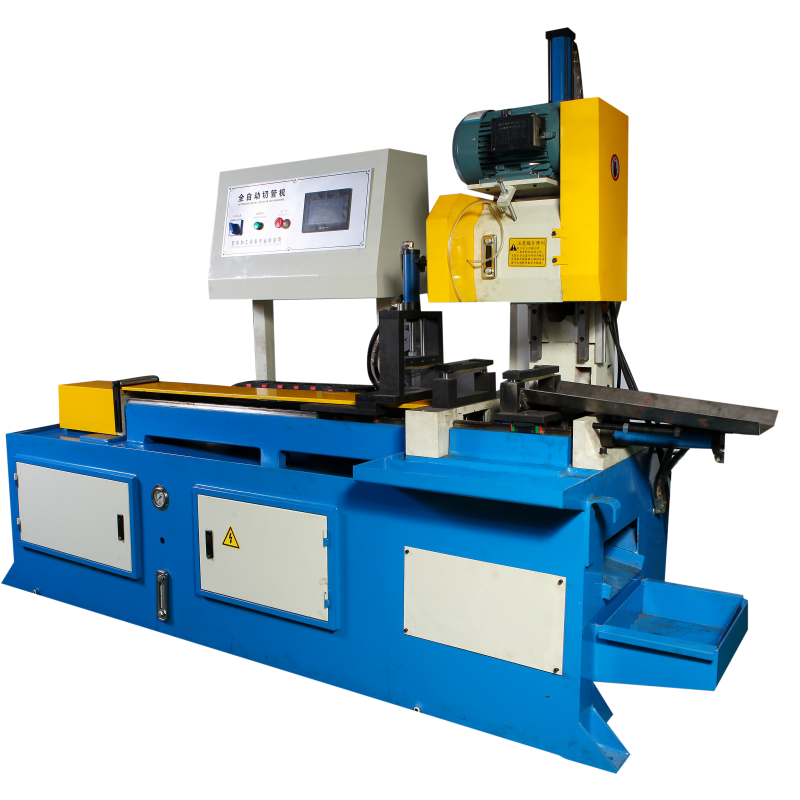
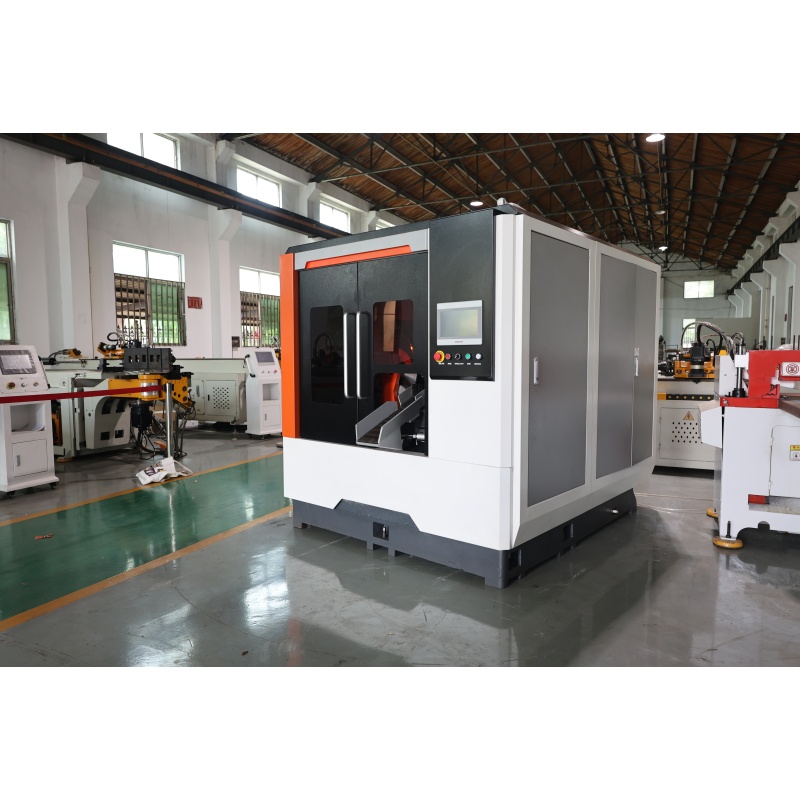
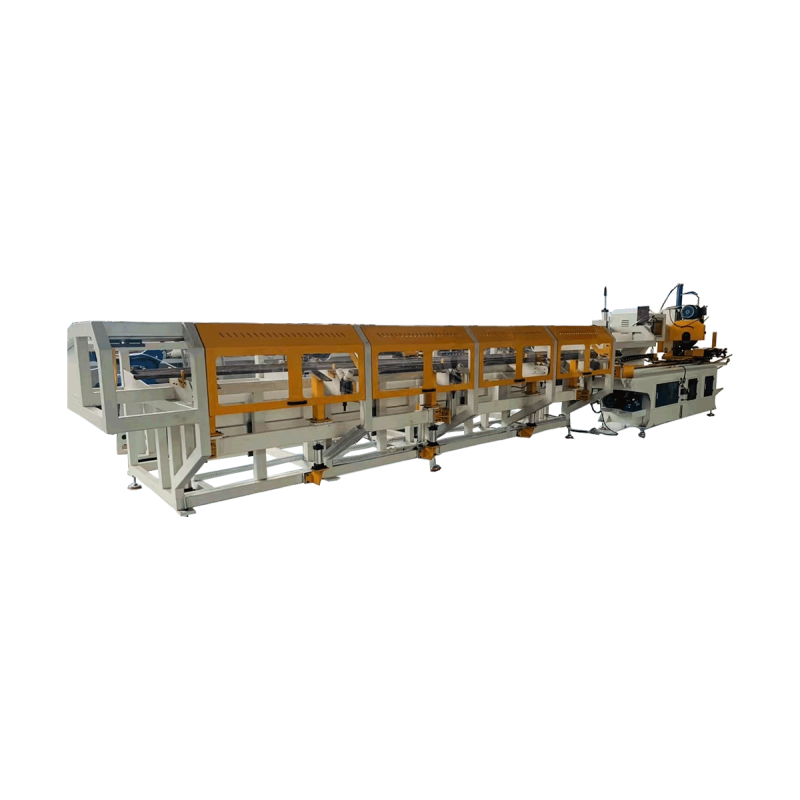
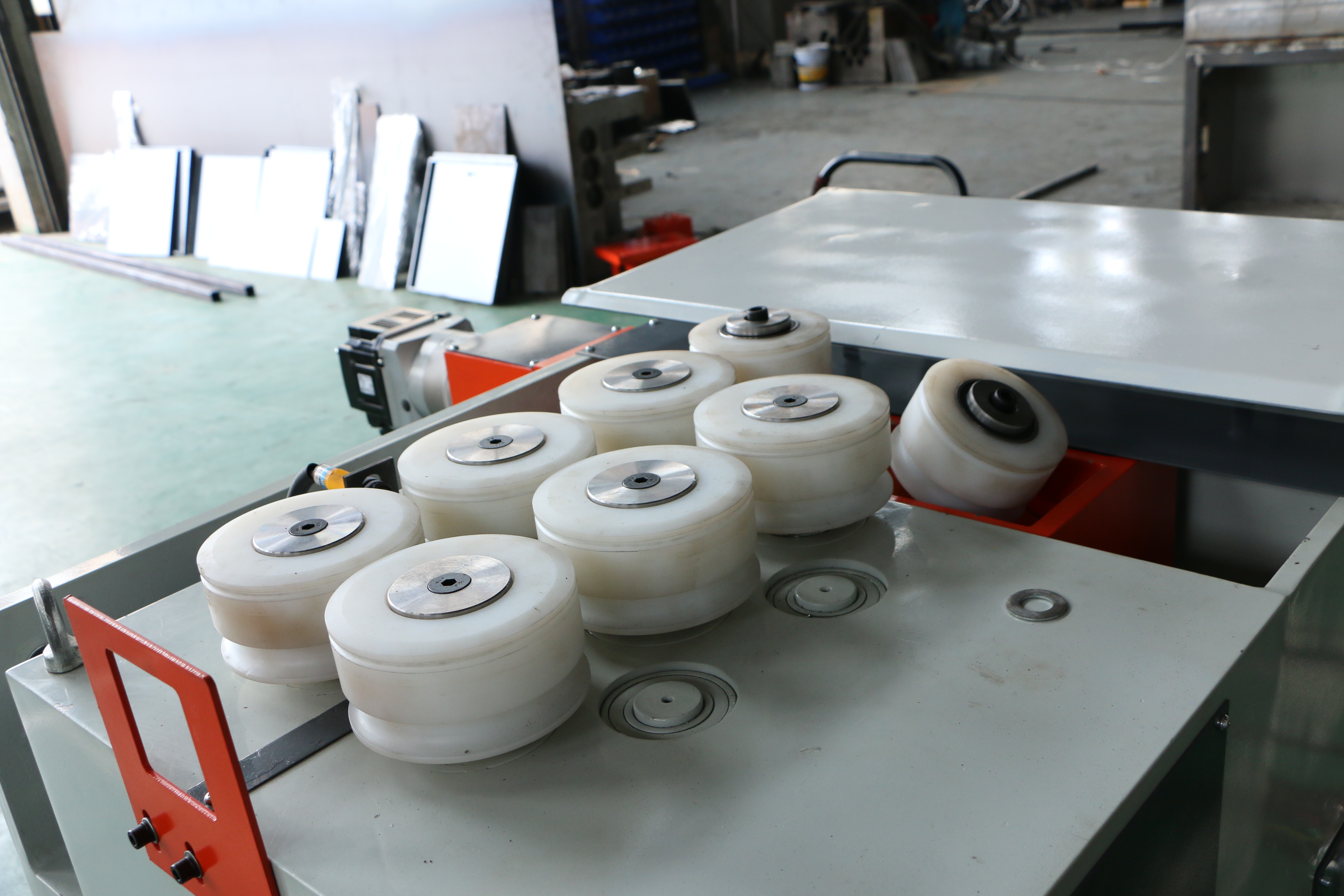
Key Specifications to Consider When Sourcing Pipe Rolling Machines
When sourcing a pipe rolling machine, several key specifications should be scrutinized:
Rolling Capacity: This specification indicates the maximum pipe diameter and wall thickness the machine can accommodate. Verify that it aligns with your project requirements to avoid operational bottlenecks.
Material Type: Different machines are built for specific materials. Ensure the machine is suitable for the metals you will be using to prevent damage and ensure quality output.
Power and Torque: The machine's motor power and torque ratings affect its performance. Higher torque is essential for rolling thicker materials, while adequate power ensures consistent operation.
Speed and Precision: Look for machines that offer adjustable bending rolls speeds and high precision to meet your production needs. Consistency is crucial for maintaining quality across batches.
Control System: Advanced control systems enhance usability and precision. Consider machines with user-friendly interfaces and programmable settings for repetitive tasks.
Safety Features: Ensure the machine is equipped with safety features to protect operators. This includes emergency stop buttons, safety guards, and automatic shut-off systems.